Zanzibar is a captivating Indian Ocean archipelago renowned for its powder-white beaches, turquoise waters, and a rich cultural heritage. Often called the “Spice Island,” it blends natural beauty with centuries of history, creating an island experience that feels both exotic and welcoming.
From the narrow, winding streets of Stone Town to palm-fringed shores stretching along the coast, Zanzibar offers something for every traveler. Whether you are seeking relaxation after a safari or Mt. Kilimanjaro climb, or simply longing for a tranquil beach retreat, the island delivers effortless charm and warm Swahili hospitality.
Days in Zanzibar unfold gently (and as Zanzibaris say in Swahili ‘Hakuna Matata‘ meaning ‘there is no nothing to worry about‘ ), life here is just like that.
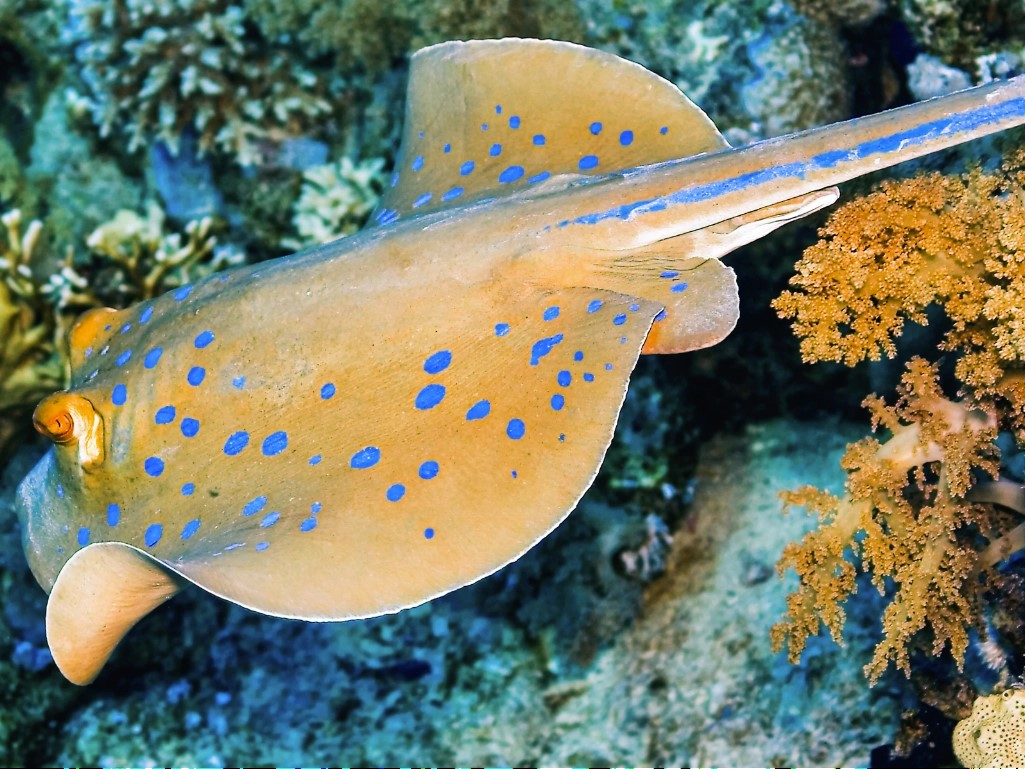
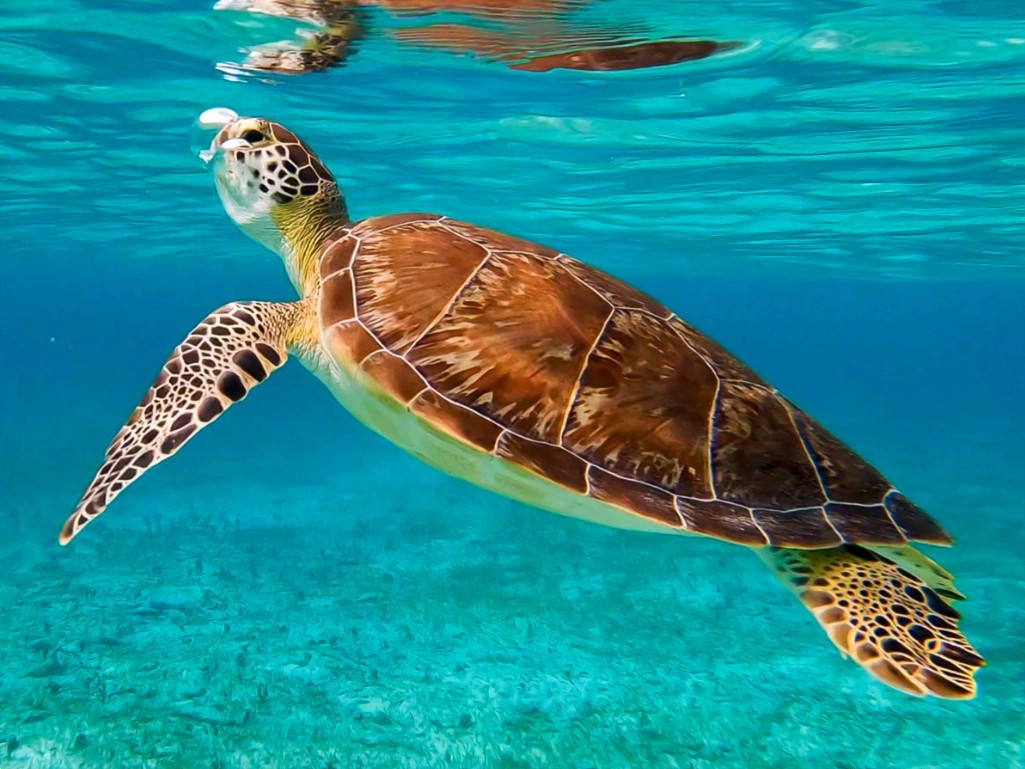
Go swimming in the warmest waters you have ever dipped into, try snorkelling over vibrant coral reefs, go sailing on traditional dhow boats at sunset, feast on goodies in the open markets, explore spice plantations, and forest with the strangest looking monkeys or simply unwinding by the sea with a favorite book or drink. In Zanzibar is where your African adventure slows into serenity, and every sunset feels like a celebration.
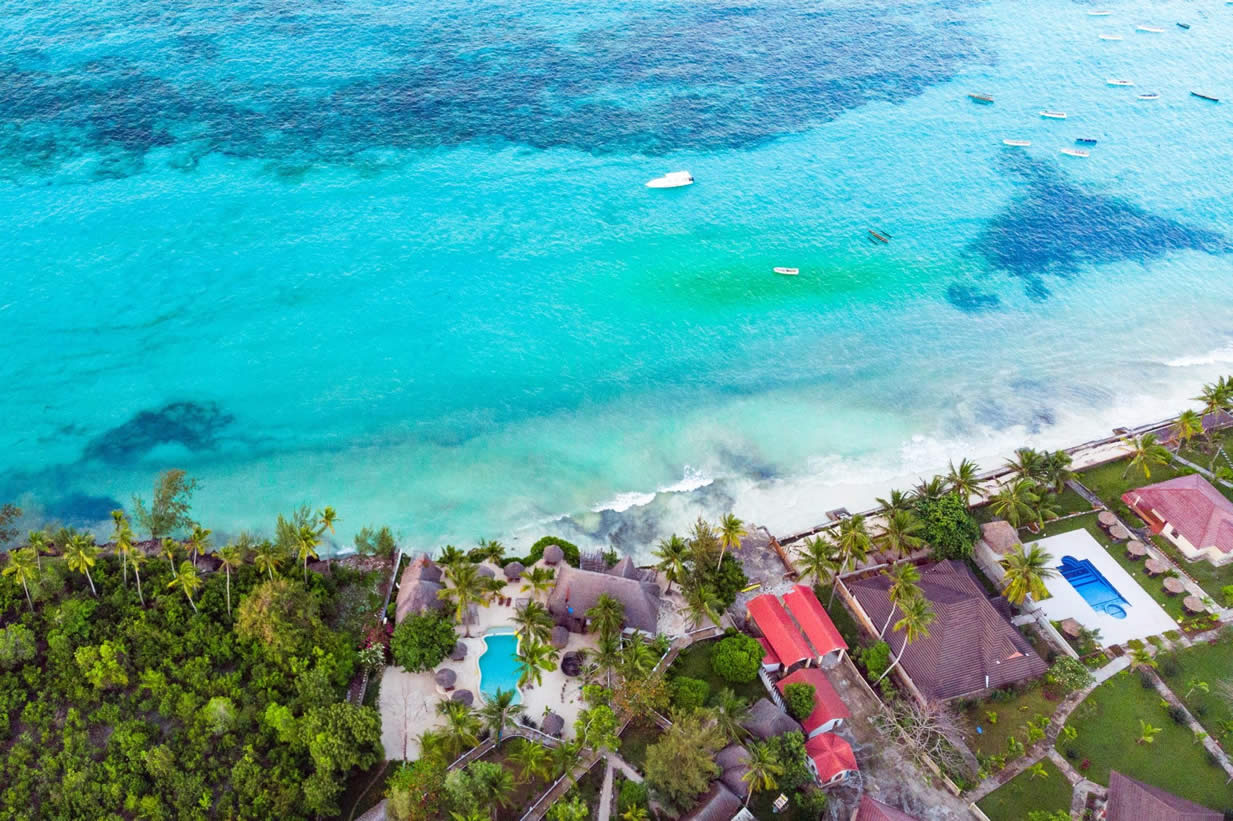
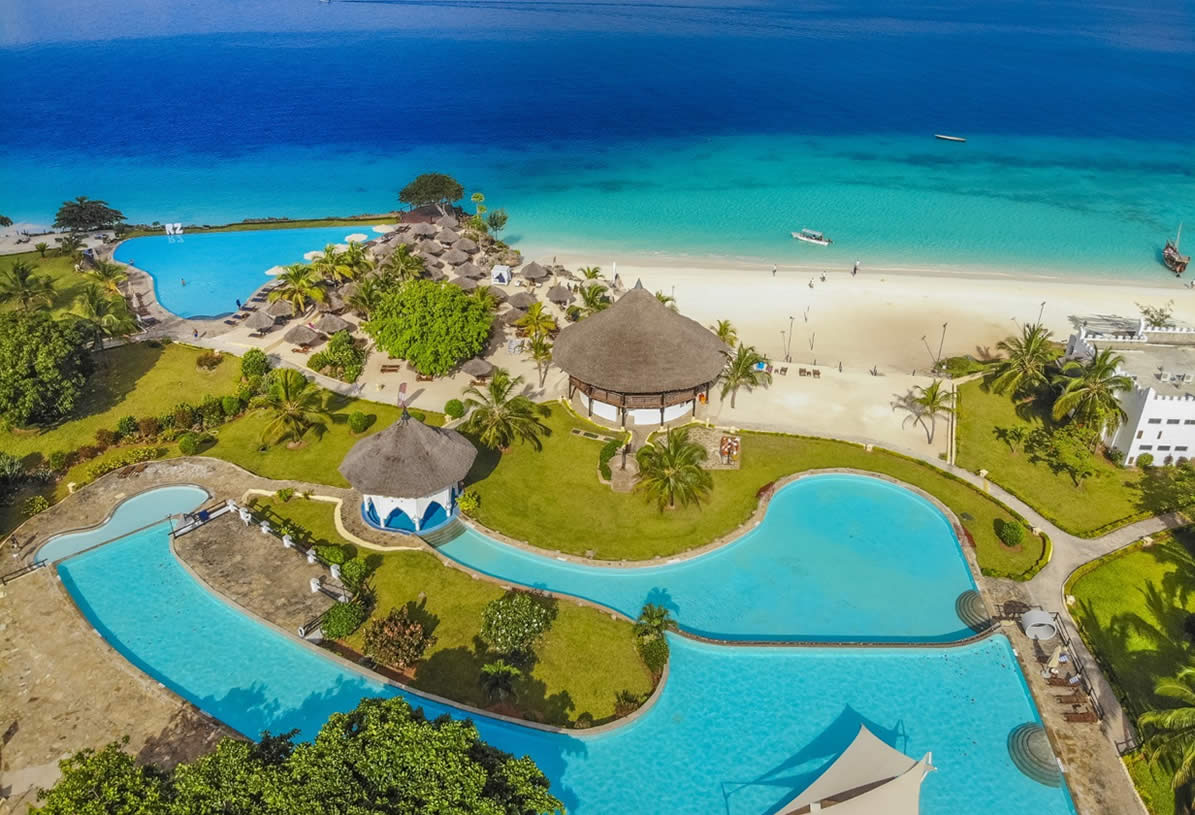
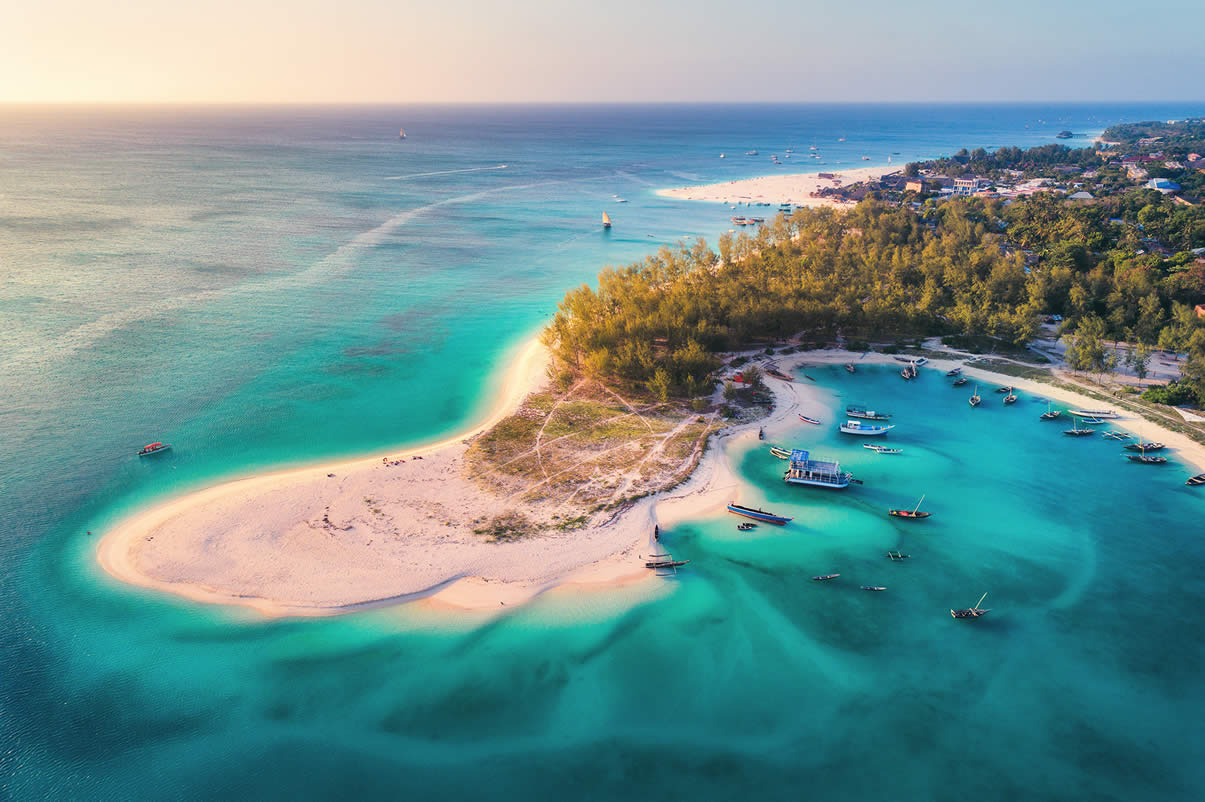
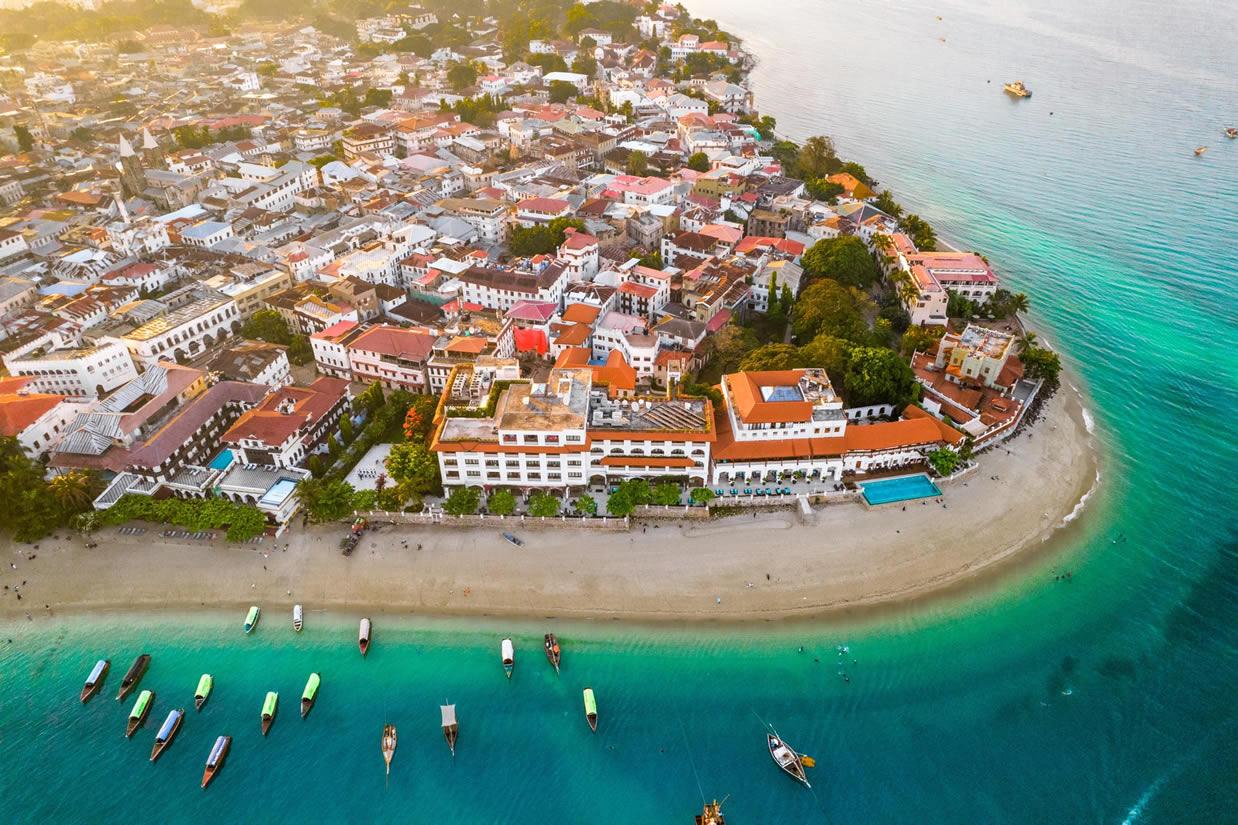
Zanzibar is often regarded as one of the oldest continuously inhabited regions in Africa that has retained much of its original charm. Located approximately 22 miles (35 km) off the east coast of Tanzania, this Indian Ocean archipelago comprises the main island of Unguja (commonly referred to as Zanzibar), Pemba Island—renowned for its deep-sea fishing—and more than 50 smaller surrounding islands and coral reefs.
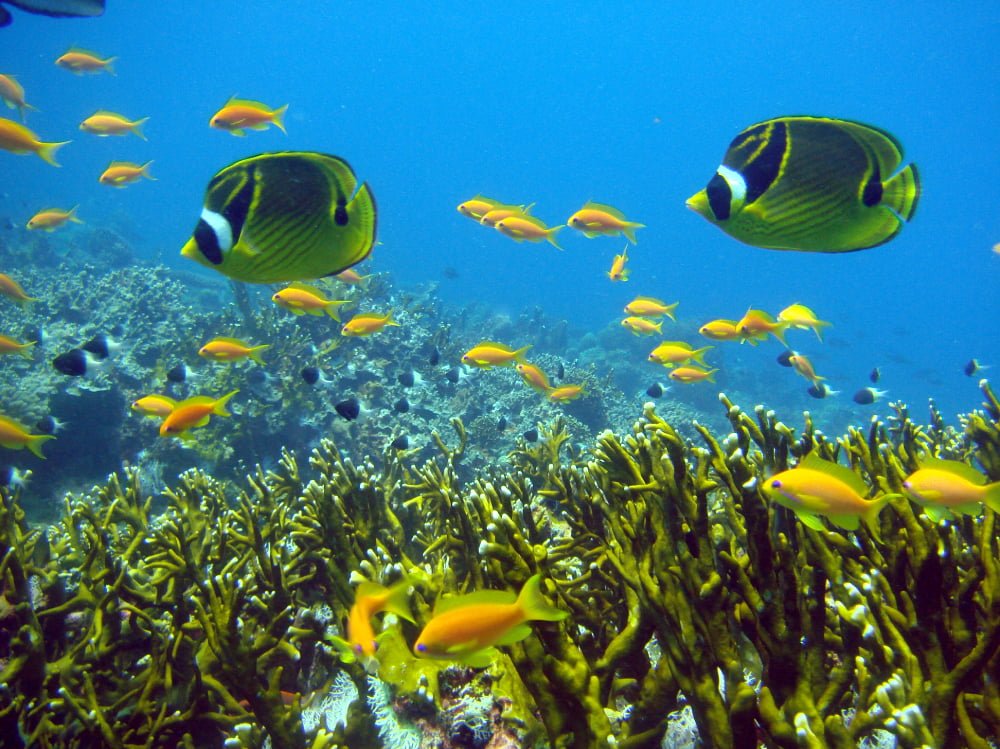
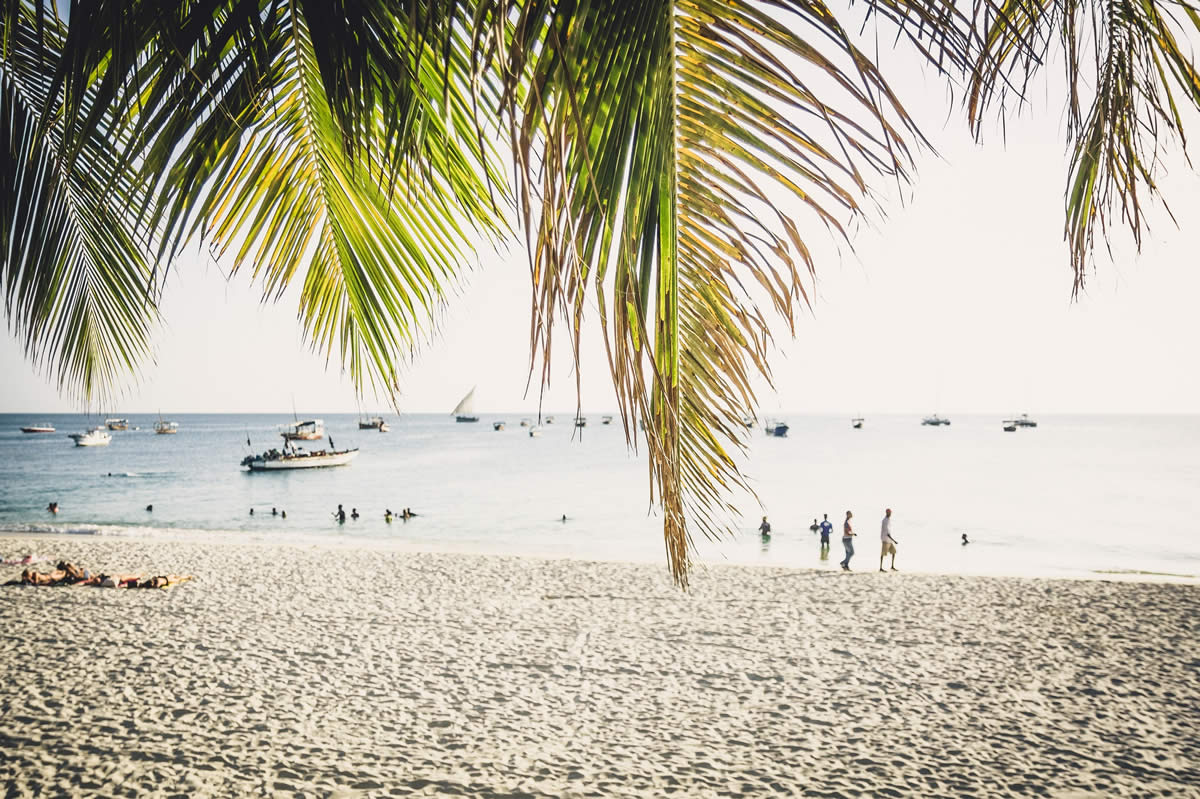
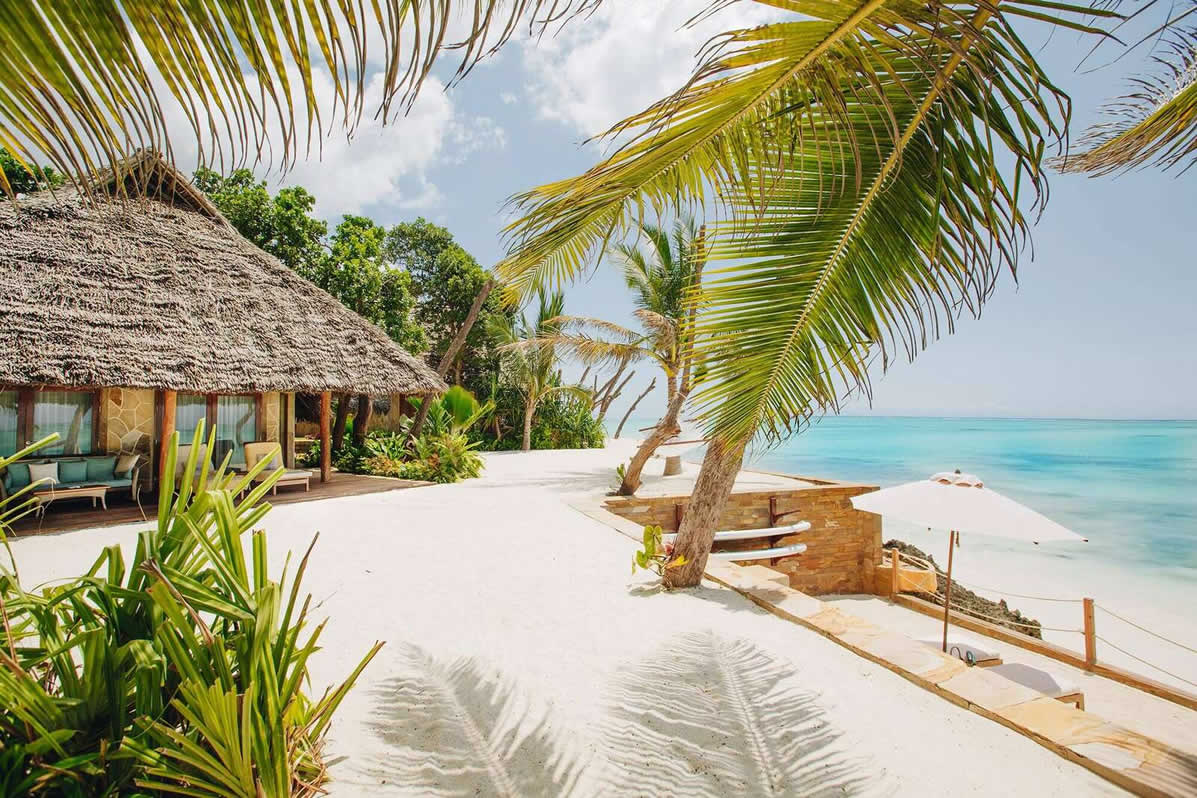
Also known as the “Spice Islands,” Zanzibar evokes images of exotic beauty: palm-fringed white beaches, turquoise lagoons, traditional dhows gliding across the horizon, and ancient Islamic ruins steeped in history. Beneath today’s idyllic beach resorts lies a powerful past shaped by trade and the era of slavery. Modern Zanzibar beautifully blends Arabic alleyways, historic monuments, and Swahili culture with coral reefs, world-class diving, and exceptional snorkeling. Activities in Zanzibar are virtually endless.
Located near Jozani–Chwaka Bay National Park, the Zanzibar Butterfly Centre is home to all native butterfly species of the island. Butterfly farming here depends on intact forest ecosystems, creating a sustainable economic incentive for conservation. The project also empowers local women, allowing them to farm from home while balancing childcare and domestic responsibilities. Visitors can feed butterflies, watch them flutter close at hand, and experience the peaceful rhythm of nature.
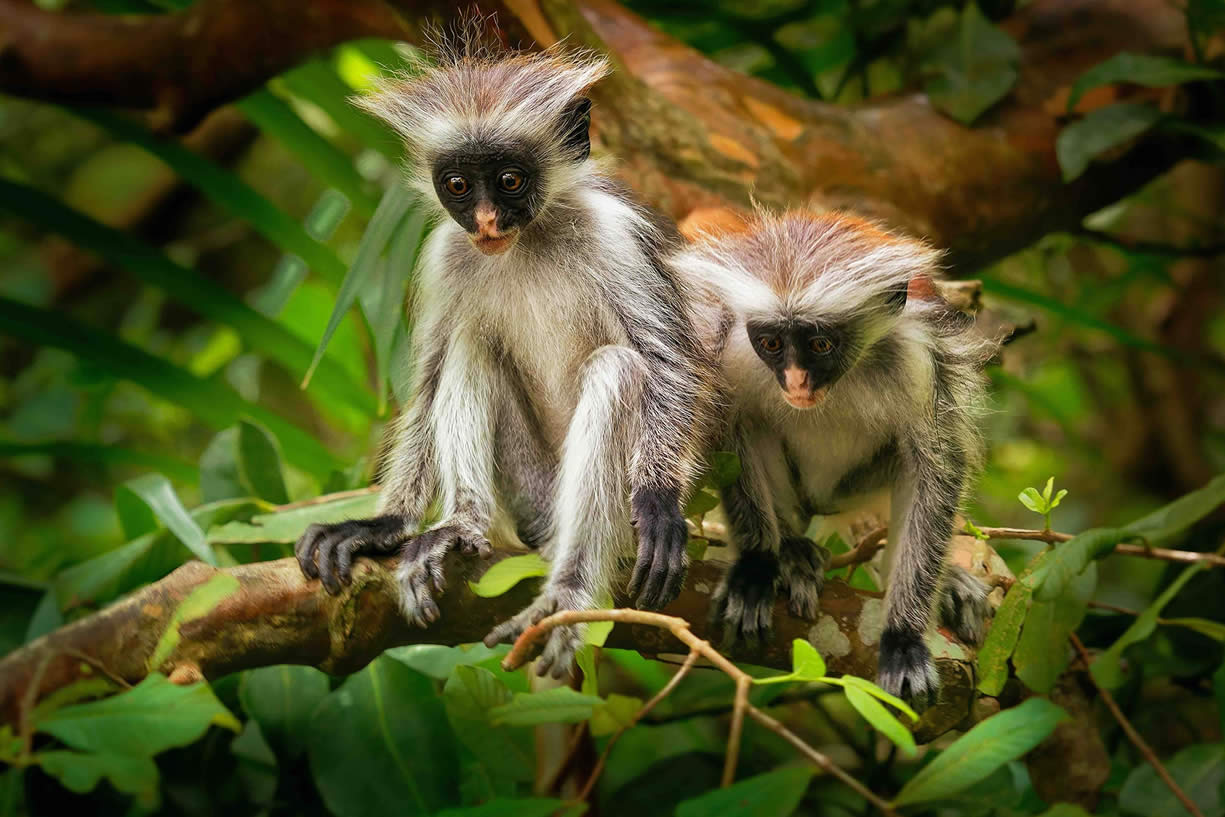
Jozani–Chwaka Bay National Park is the only official national park on Zanzibar Island. It is internationally recognized for protecting the endemic and endangered Zanzibar red colobus monkey. The park encompasses diverse ecosystems, including groundwater forest, mangroves, and coastal habitats that support a wide range of rare species.
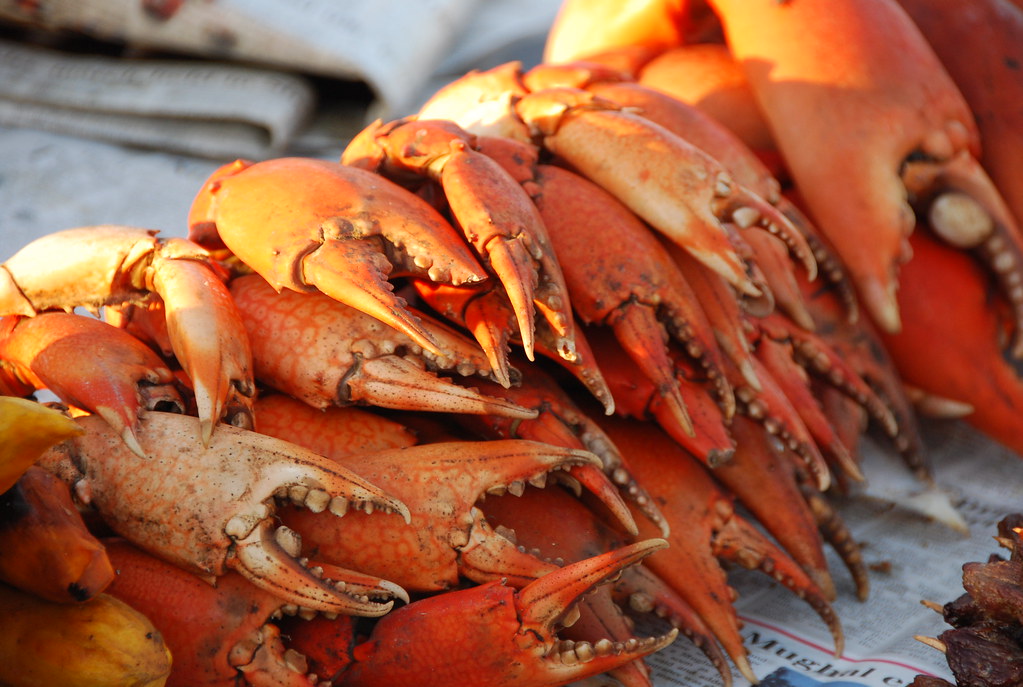
A guided forest walk introduces visitors to monkey species unique to Zanzibar and the fascinating flora of the island. Crossing to the mangrove boardwalk reveals a twisted, almost magical ecosystem where thousands of crabs work beneath the roots. On a quiet day, one might even hear the soft rustle of mangroves “speaking” with the tide.
Nungwi: A vibrant and popular hub offering excellent diving, lively nightlife, and minimal tidal variation.
Kendwa: Known for wide, flat beaches, spectacular sunsets, and energetic yet relaxed full-moon gatherings.
Matemwe: A tranquil stretch of beach offering privacy, luxury stays, and easy access to Mnemba Island for snorkeling.
Kiwengwa & Pongwe: Long sandy shores lined with palm trees and a laid-back atmosphere.
Paje: A global hotspot for kitesurfing and watersports with a relaxed village vibe.
Jambiani: Celebrated for breathtaking sunrises and its authentic fishing culture.
Dongwe: Peaceful and refined, home to upscale resorts and excellent diving sites.
Bwejuu: Exceptionally quiet and ideal for travelers seeking privacy and tranquility.
Kizimkazi: Known for its fishing village charm, dolphin excursions, and one of East Africa’s oldest mosques.
Stone Town Beaches: Ideal for cultural exploration, with easy boat trips to Prison Island and Nakupenda Sandbank.
Mangapwani: A secluded coastal stretch rich in history and quiet beauty.
Uroa Bay, situated along the central east coast, retains a pleasant local character. Paje Beach is widely considered the premier kitesurfing destination on the island. Nakupenda (Swahili for “I love you”) Beach, accessible by a short boat ride from Stone Town, is a pristine and often deserted sandbank paradise. At Changuu Island (Prison Island), visitors can combine beach relaxation with a tour of the historic quarantine station and meet the resident giant tortoises.
Zanzibar’s coastline is shaped by dramatic tidal rhythms, particularly along the east coast where the sea can recede hundreds of meters during low tide. For all-day swimming, the north and northwest beaches—especially Nungwi and Kendwa—are preferred due to minimal tidal variation. Sunset seekers will find the most spectacular views along the west and northern coasts.
Zanzibar’s climate is influenced by the monsoon winds. The Kaskazi (northeast monsoon) typically blows from December to March, bringing warmer temperatures and ideal conditions for diving and snorkeling on the northern and western coasts. The Kusi (southeast monsoon) occurs from June to October, delivering steady winds that make the east coast—particularly Paje—perfect for kitesurfing.
Because different regions respond differently to the monsoon patterns, Zanzibar offers year-round travel possibilities. Choosing the right coast at the right time ensures the best experience, whether your priority is calm swimming waters, wind-powered adventure, or quiet cultural immersion.
Zanzibar has been repeatedly recognized as Africa’s Leading Beach Destination by the World Travel Awards (WTA), most recently in 2025, as well as in 2022, 2021, and 2013. The island’s pristine white-sand beaches, such as Nungwi and Kendwa, remain a consistent draw for travelers seeking sun, sea, and serenity.
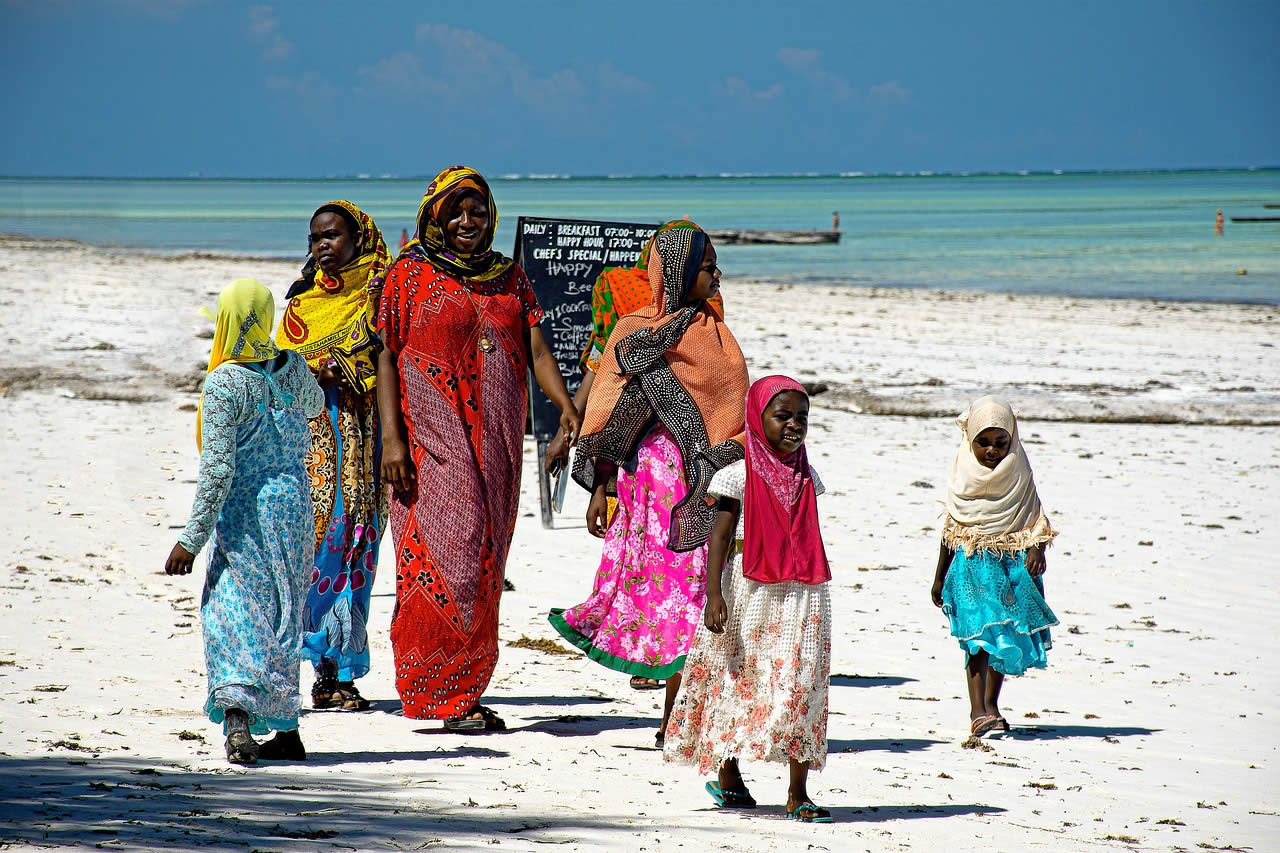
Zanzibar is far more than picturesque beaches. Steeped in Islamic heritage and shaped by the legacy of the slave trade, the island offers a deep sense of history. Stone Town, with its narrow alleys, ancient architecture, and bustling markets, immerses visitors in a world of a long-gone, yet re-born culture.
The colossal Anglican Cathedral in Stone Town sits on the grounds of the island’s largest former slave market. Its altar rests exactly where the whipping post once stood — a sobering reminder of resilience during the island’s dark history. Other notable landmarks include Beit el-Ajaib (House of Wonders), the first building in Zanzibar to have electricity and an elevator, the Old Fort built on the remnants of a Portuguese church and Arab garrison, and the Palace Museum, once the official residence of the Al Busid dynasty, offering sweeping harbor views.
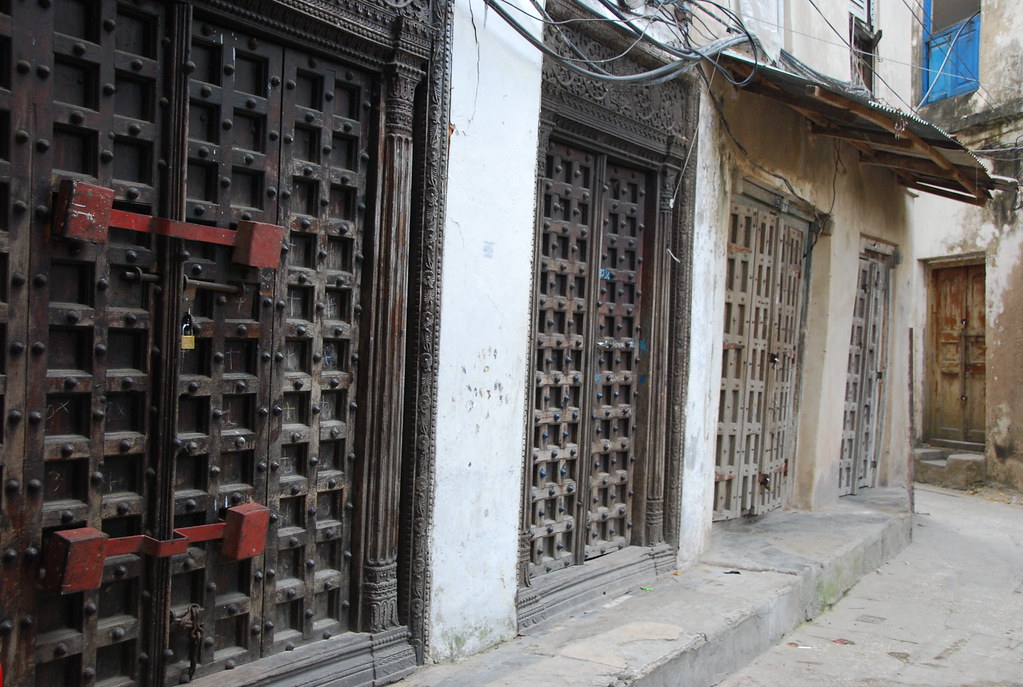
The Peace Memorial Museum provides a rich insight into Zanzibar’s past, with exhibits ranging from traditional carvings and wildlife displays to relics of the Sultans and early explorers. Other sightseeing highlights include Tip Tip’s House, Forodhani Park, the famous Zanzibar Doors, and the intricate henna art found in Stone Town’s alleys.
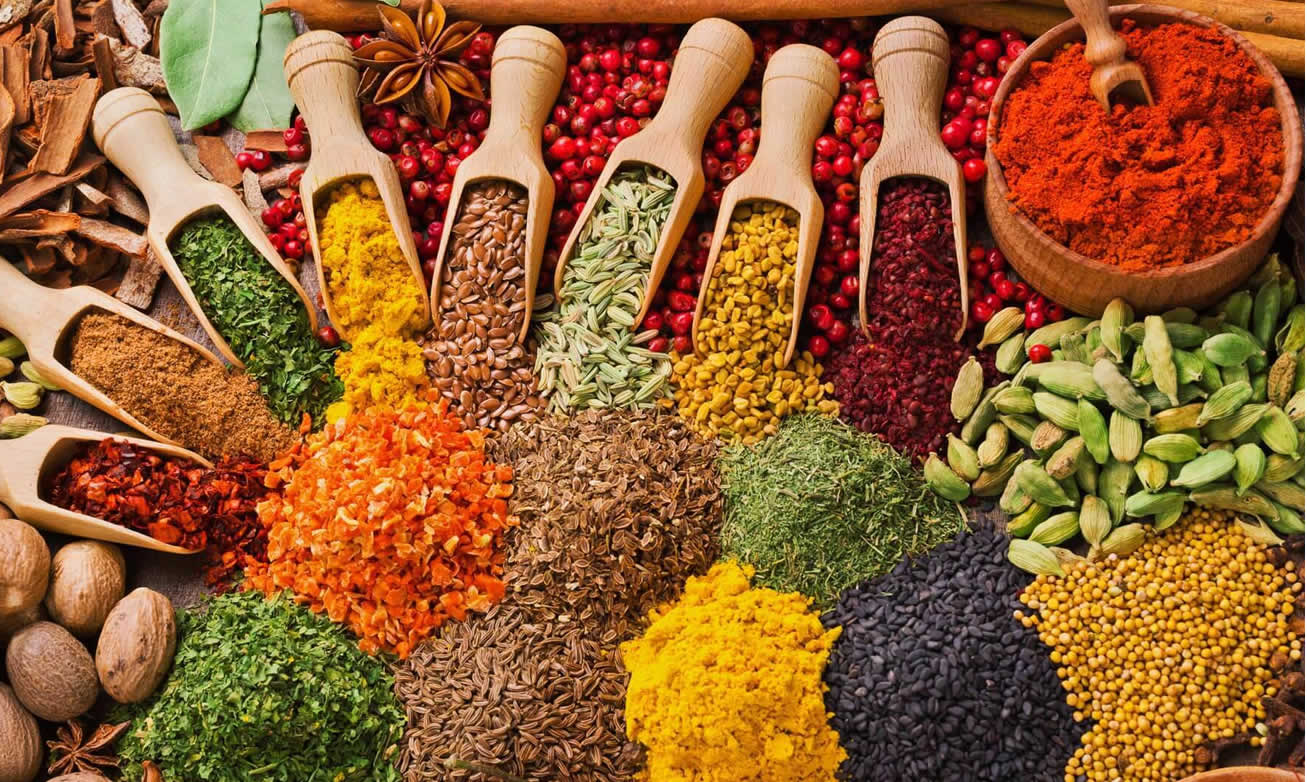
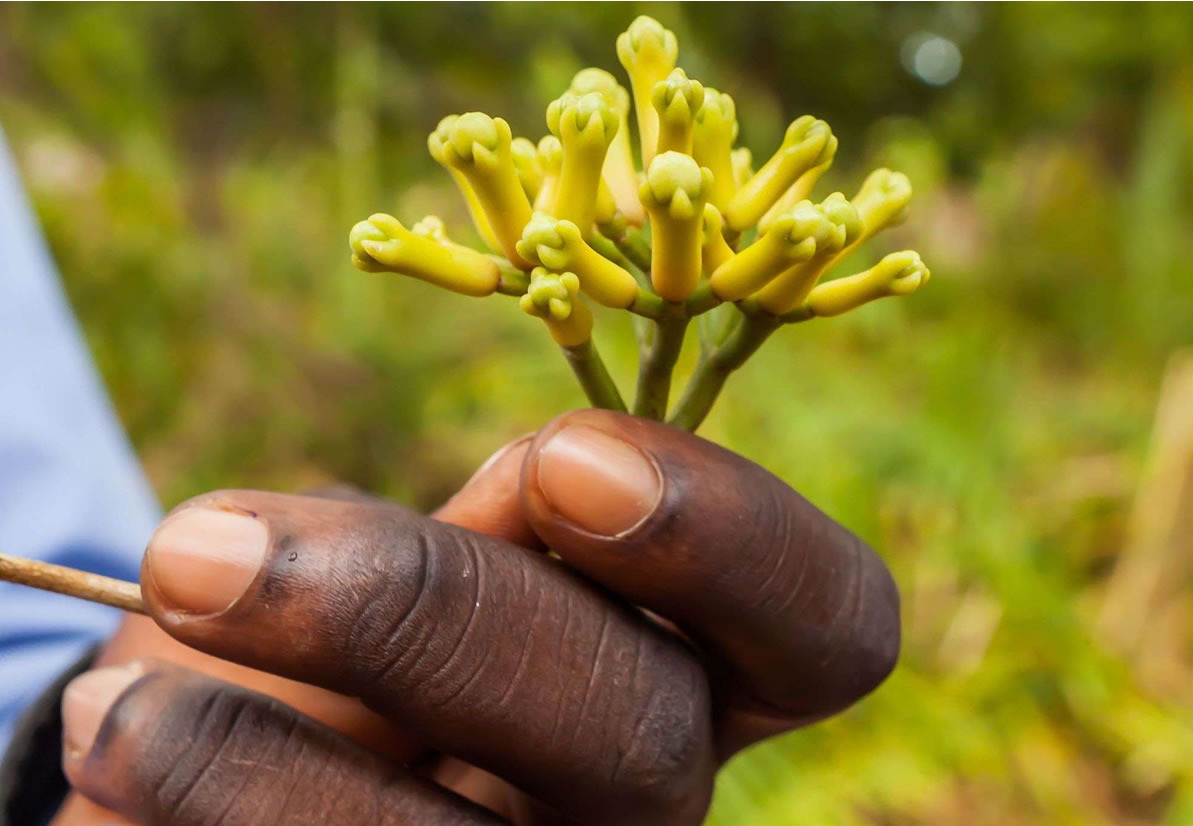
Known as the “Spice Island,” Zanzibar offers immersive spice farm tours where guests learn about native plants, Swahili-style cooking, and the secrets behind the flavors that define local cuisine. Visitors can smell, touch, and even taste spices such as cloves, nutmeg, and the uniquely aromatic cinnamon tree — which is said to carry three distinct scents. Many farms also offer handmade soaps, creams, and traditional weaving workshops.
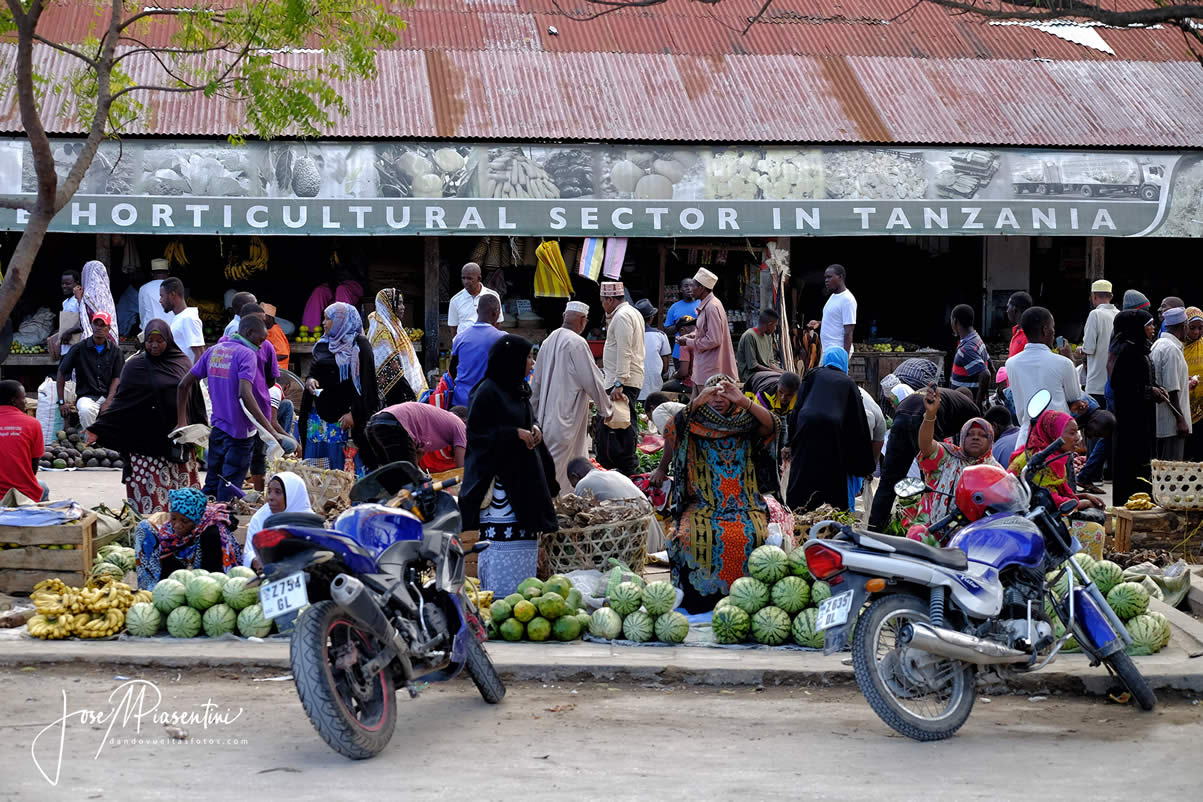
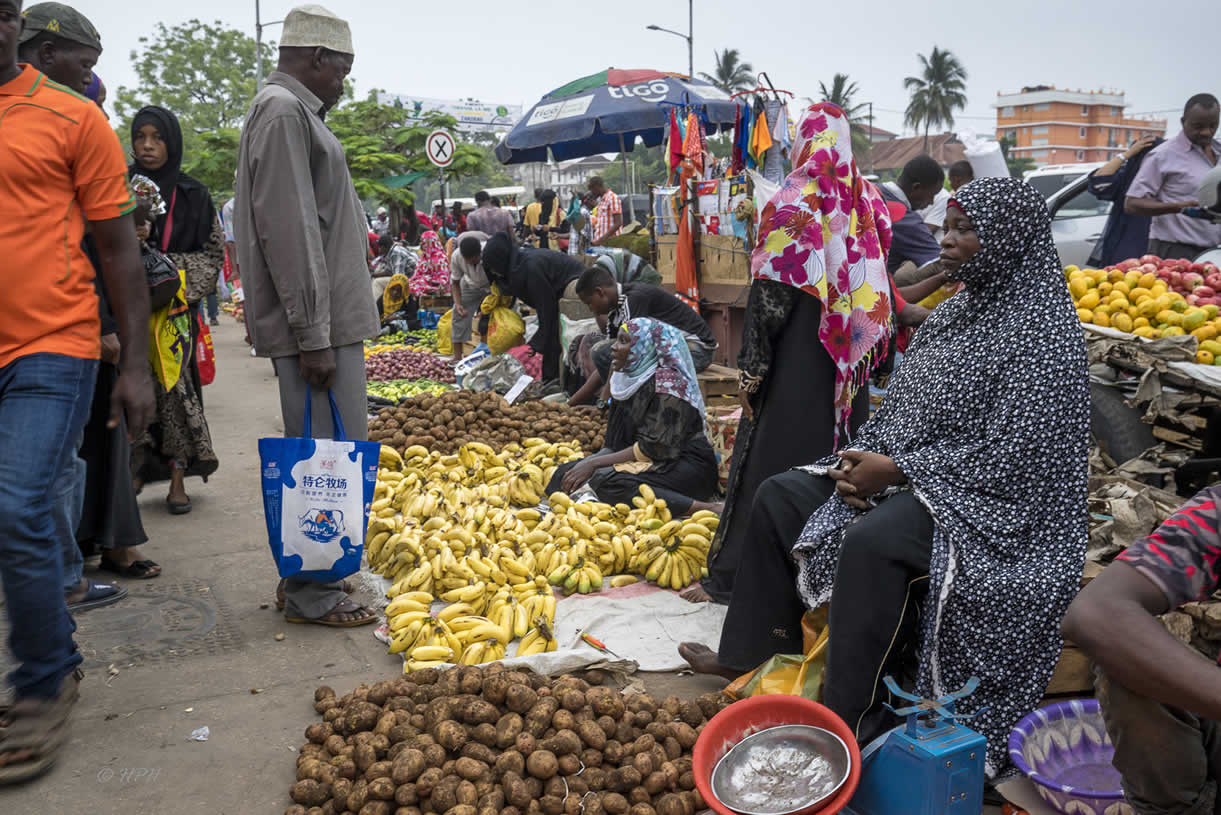
Shopping in Zanzibar is colorful, culturally rich, and often a bargain. Stone Town is the hub for local and imported goods from Africa, India, Arabia, and the Far East. Visitors can find vibrant kangas and kikoys (sarongs), wooden chests, tinga tinga paintings, handcrafted silver and jewelry, and exotic spices. Key shopping streets include Gizenga, Kenyatta, Tharia, and Sokomohogo Square, while Darajani Street offers a bustling market atmosphere with everything from fresh produce to artisan crafts.
Most shops operate Monday to Saturday, generally from 9am to 12pm and 2pm to 6pm. While a few accept credit cards, haggling in Tanzanian shillings usually yields the best value for souvenirs and local goods.
Zanzibar offers a wide range of accommodations across its beaches and cultural hubs, catering to every type of traveler — from honeymooners and nature lovers to watersport enthusiasts, families, and party-goers. Below is a curated guide by region highlighting popular hotels, lodges, and resorts, with their key facilities and travel context.
For families traveling with children, Zanzibar has several resorts designed to ensure safety, fun, and convenience. These properties feature shallow pools, calm beach access, family rooms, and kid-oriented activities.
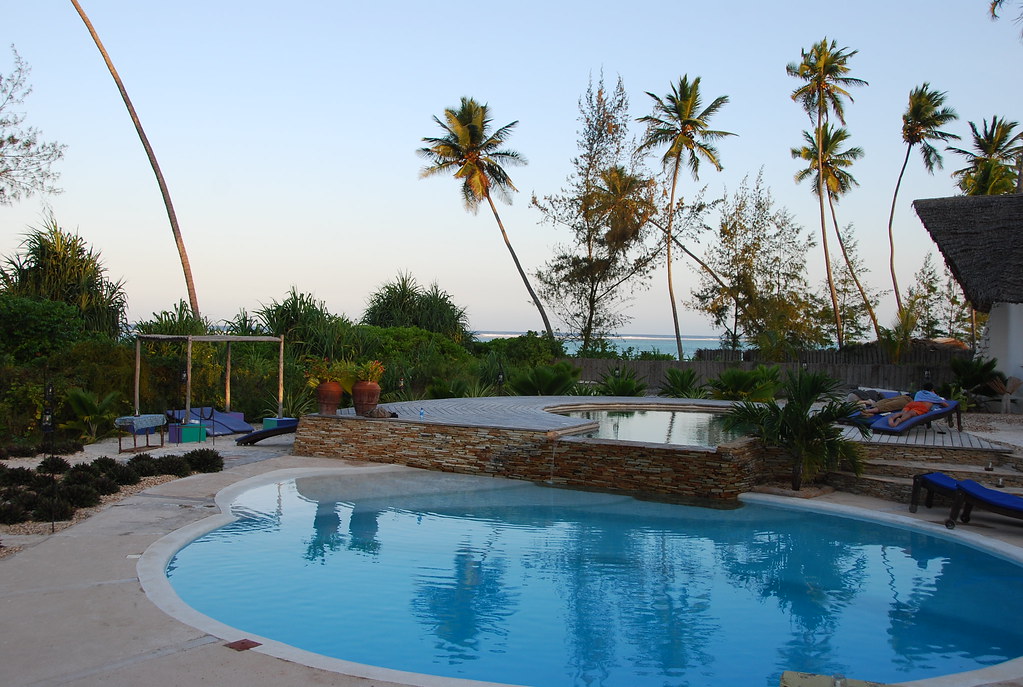
Most properties in Zanzibar offer pools, direct beach access, dining options, watersport rentals, and guided tours. Selecting the right region and hotel helps guests match their preferred vibe — whether it’s adventure, relaxation, nightlife, cultural immersion, or family-friendly fun.