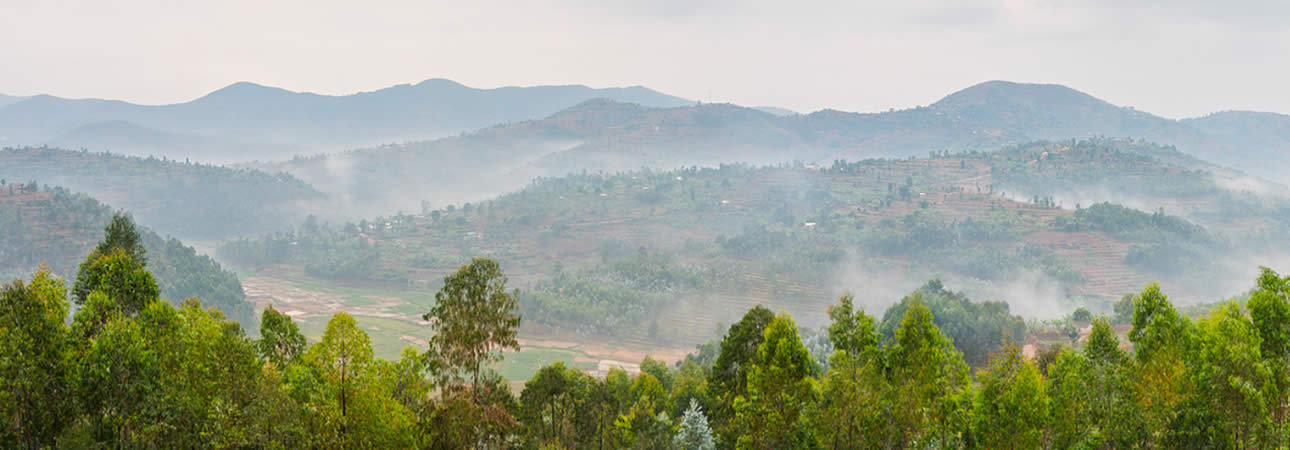
Nyungwe National Park protects one of Africa’s oldest and most biologically rich montane rainforests, stretching across the rugged highlands of southwestern Rwanda.
Covering more than 1,000 square kilometres, Nyungwe National Park forms part of the Albertine Rift ecosystem and is an important watershed for the region. Dense rainforest, bamboo thickets, swamps and grassy ridges create a diverse landscape that supports an exceptional variety of wildlife and plant species.
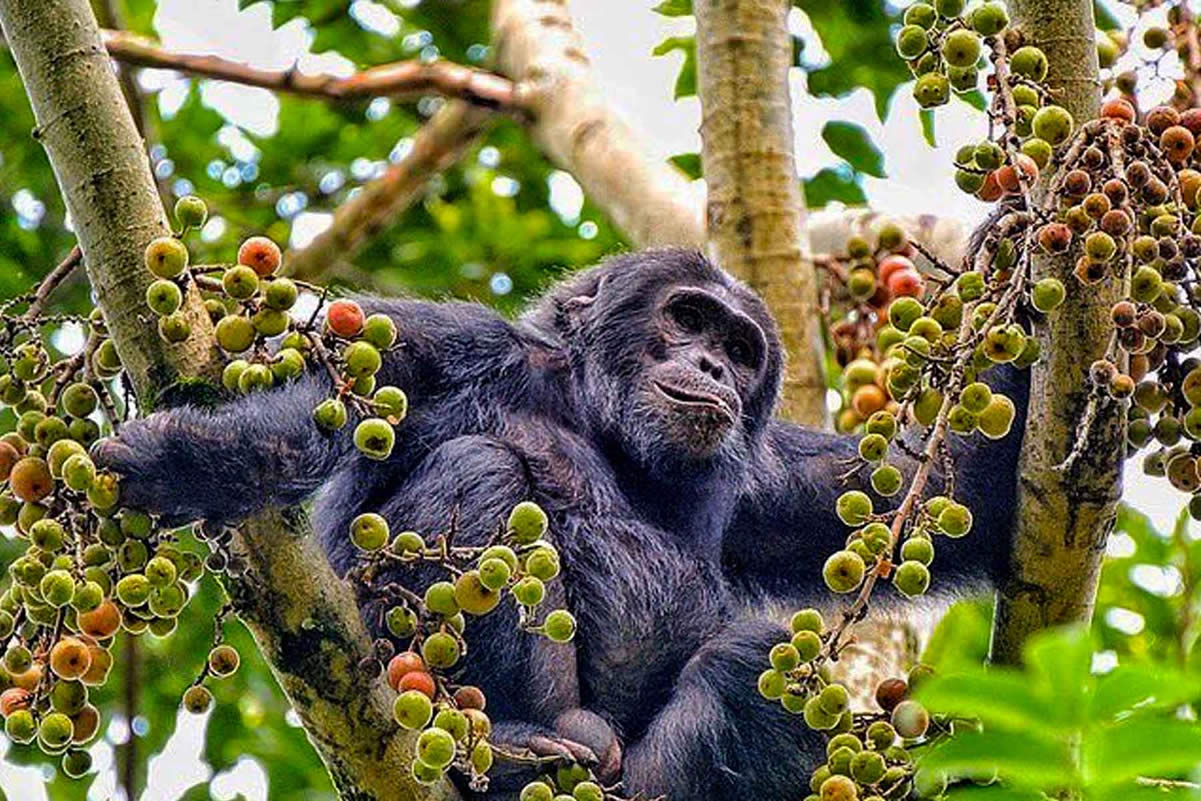
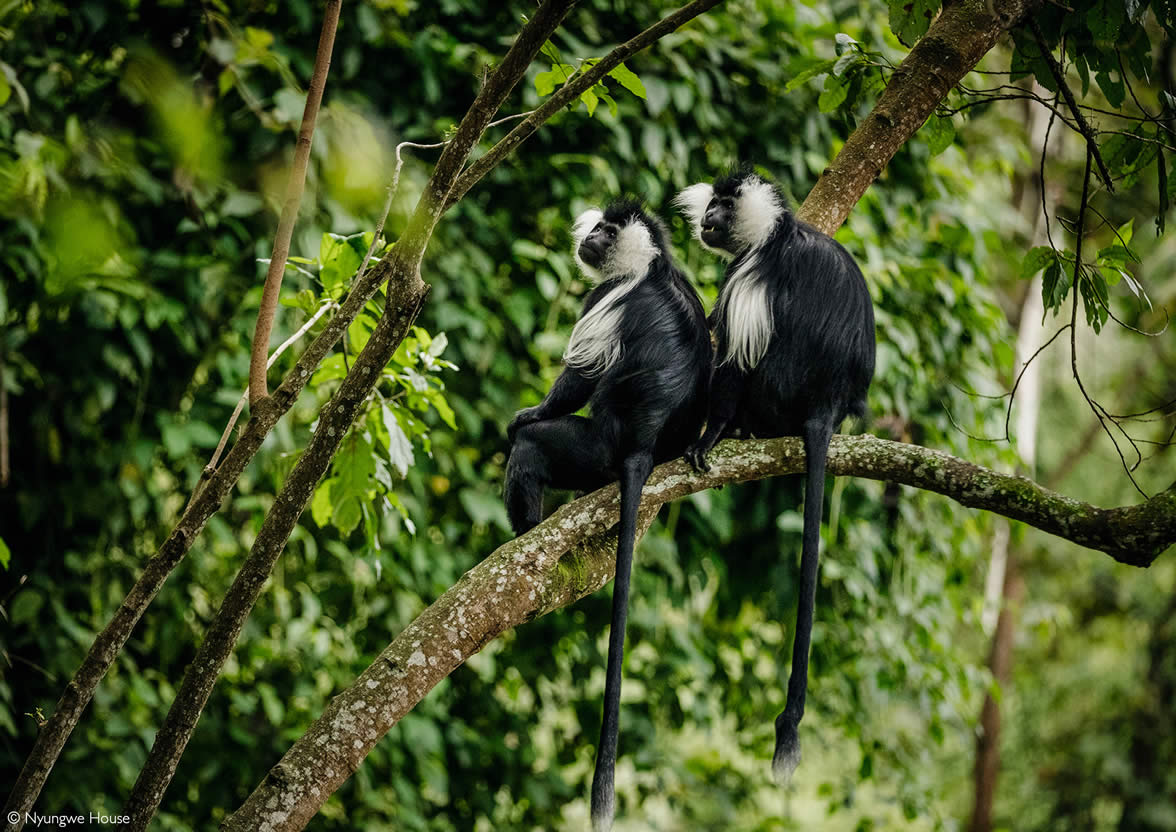
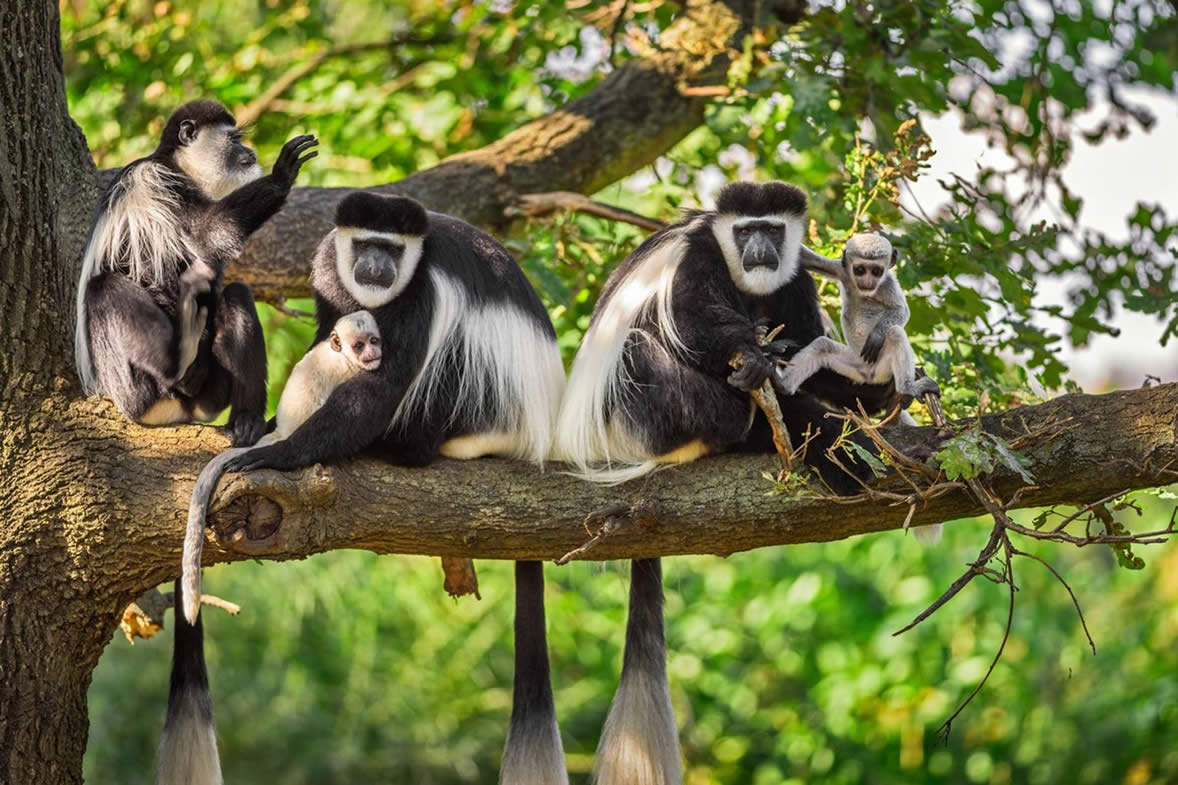
The forest is particularly renowned for its primates. Nyungwe National Park is home to around 13 species, including large troops of Angolan colobus monkeys and the charismatic chimpanzee. Guided primate tracking excursions allow visitors to observe these animals in their natural habitat while exploring a network of scenic forest trails.
Nyungwe National Park is also a paradise for birdlife and nature lovers, with hundreds of recorded bird species and dramatic scenery ranging from mist-filled valleys to panoramic mountain ridges. Visitors can hike through the ancient forest, experience East Africa’s famous canopy walkway, and discover remote mountain streams that form part of the distant headwaters of the Nile River.
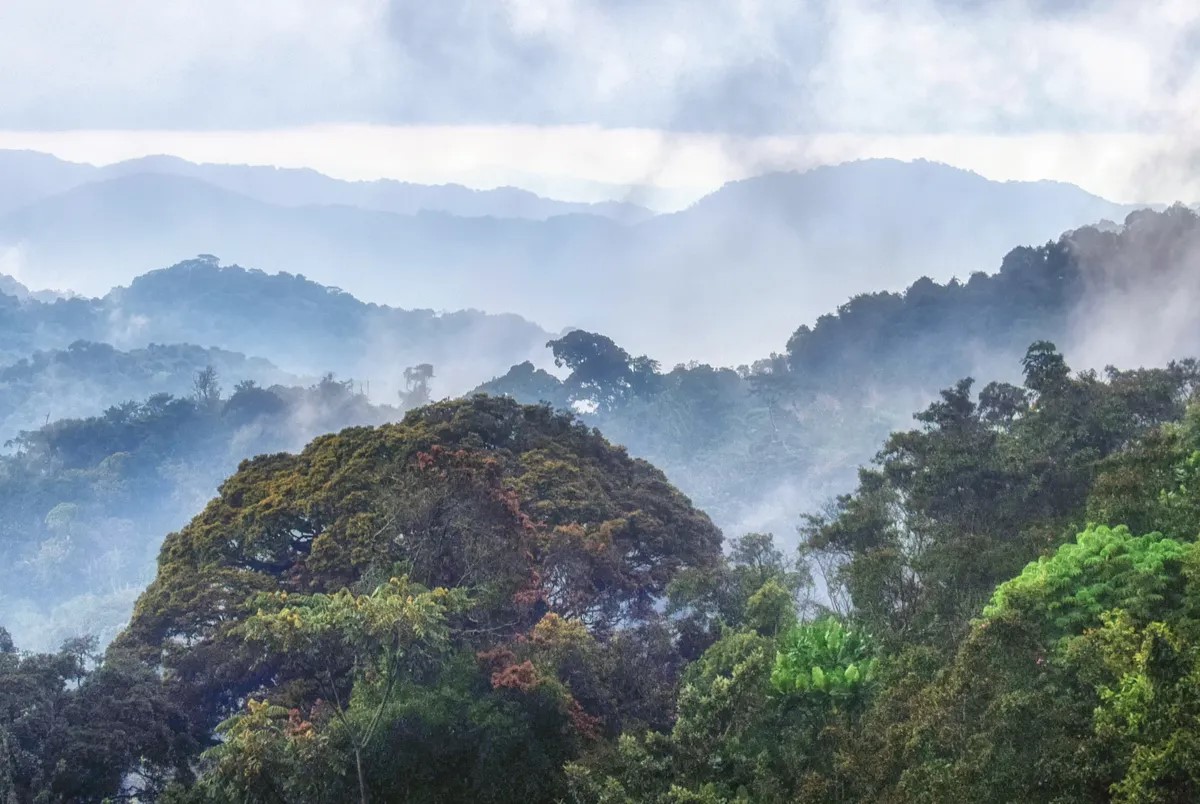
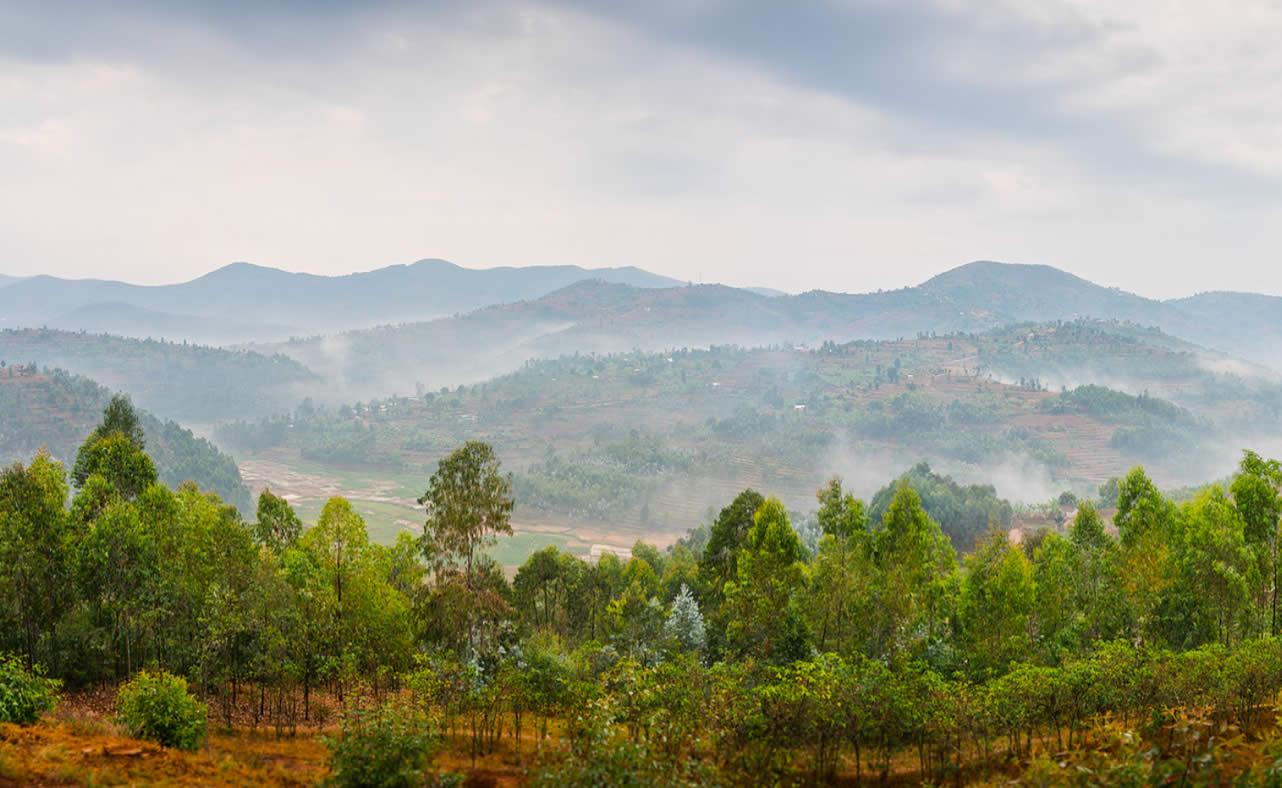
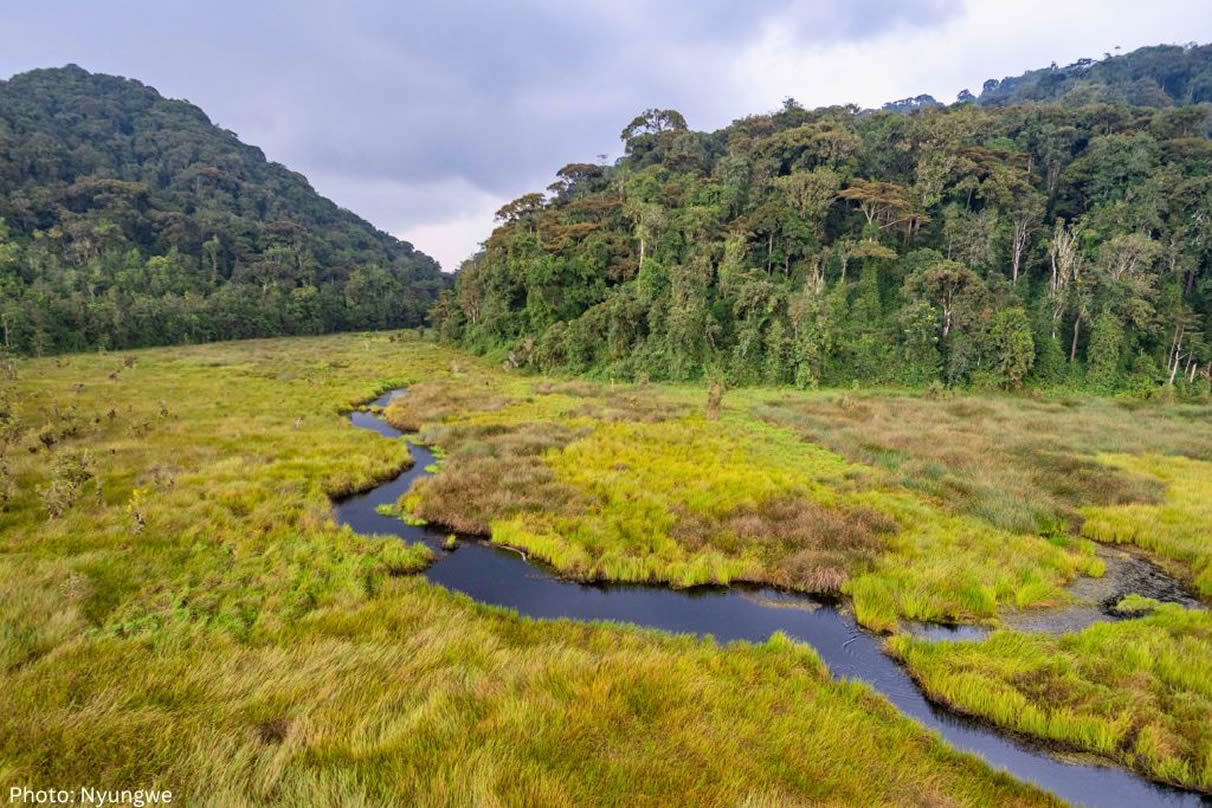
Nyungwe National Park is one of Africa’s oldest and largest remaining mountain rainforests. Its landscape is a stunning mosaic of dense rainforest, bamboo forests, montane grasslands, swamps, and peat bogs, carved by deep valleys and steep ridges.
Nyungwe National Park is part of the Albertine Rift ecosystem and plays a vital role in regional water supply, including the source of the Rukarara River, a remote headwater of the Nile.
Nyungwe National Park is a biodiversity hotspot. Over 1,050 plant species thrive here, including more than 240 tree species, 140 orchids, and the giant lobelia. Remarkably, 250 plant species are endemic to the Albertine Rift.
Birdlife is exceptional with over 310 species recorded, including rare endemics, making Nyungwe Rwanda’s most important ornithological site. Key endemics include the Rwenzori turaco, Grauer’s swamp-warbler, Kungwe apalis, and the Angola colobus monkey
Primates are a major highlight. Nyungwe National Park hosts 13 primate species, including habituated chimpanzees and large troops of Angolan colobus monkeys. Guided chimpanzee and colobus tracking allows visitors to experience these species in their natural habitat while walking through scenic forest trails. Other notable wildlife includes bushbucks, giant forest hogs, and a variety of forest-dwelling duikers.
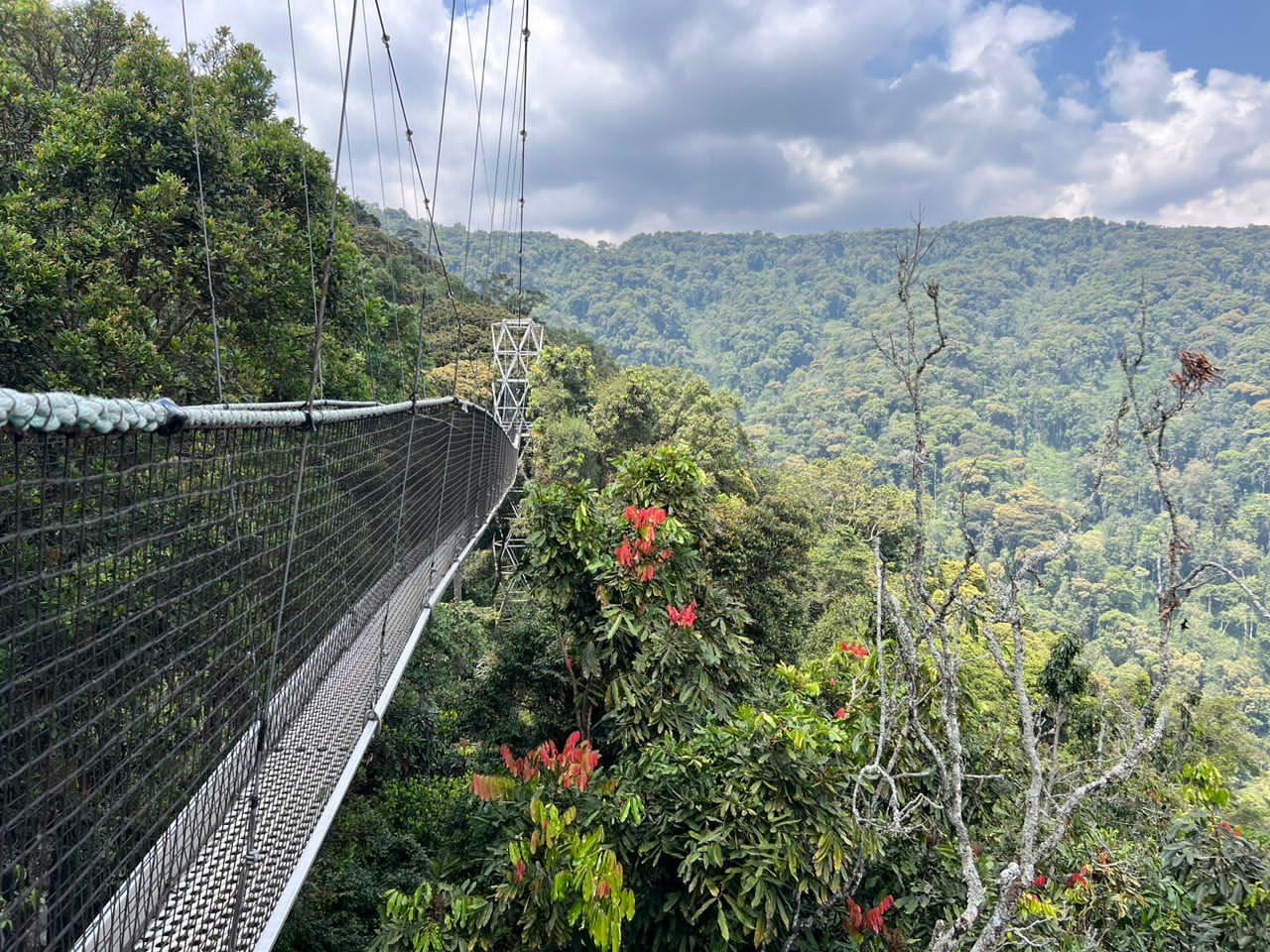
Visitors can also experience the forest from above via the famous Canopy Walkway, a suspended bridge through the treetops offering panoramic views of the lush rainforest and surrounding hills. For those interested in hydrology or geography, the park contains the most remote headwaters of the Nile system, where the Rukarara River begins its journey toward Lake Victoria and the White Nile.
One of Africa’s oldest surviving rainforests, Nyungwe National Park is a biodiversity hotspot within the Albertine Rift.
Its mountainous forests support an extraordinary variety of wildlife including around 500 chimpanzees and 12 other species of primates.
Among the most impressive is the Angolan black-and-white colobus, which forms some of the largest primate troops in Africa, sometimes numbering more than 400 individuals.
Nyungwe National Park is also home to forest antelope, reptiles, amphibians and a wide range of forest mammals.
Nyungwe National Park is Rwanda’s centre of endemism and one of the most important conservation areas in the Albertine Rift.
Birdwatchers are drawn by a remarkable collection of endemic and near-endemic species including the Red-collared Mountain Babbler, Handsome Francolin, Archer’s Robin-Chat, Ruwenzori Nightjar, Kungwe Apalis and the Dusky Crimsonwing. The park also protects restricted-range primates such as L’Hoest’s Monkey, Owl-faced Monkey and Dent’s Monkey.
Nyungwe National Park’s biodiversity extends beyond birds and primates. At least 22 amphibian species endemic to the Albertine Rift occur here, alongside dozens of rare butterflies.
Nyungwe’s forests also shelter unique plant life with more than 1,000 plant species recorded, many found only in this region.
Nyungwe National Park’s varied habitats help sustain its remarkable wildlife diversity. The vast Kamiranzovu Swamp is a crucial wetland ecosystem and an important habitat for species such as Grauer’s Swamp Warbler. Nearby, the isolated Cyamudongo Forest represents a fragmented remnant of ancient rainforest that supports rare plants, primates and birds
found in few other places.
One of Nyungwe National Park’s most famous attractions is the Nyungwe canopy walkway. Suspended about 70 metres above a forest ravine and stretching roughly 160 metres in length,
the bridge offers a thrilling perspective across the treetops of the ancient rainforest and an opportunity to spot birds, monkeys and butterflies from above the forest floor.
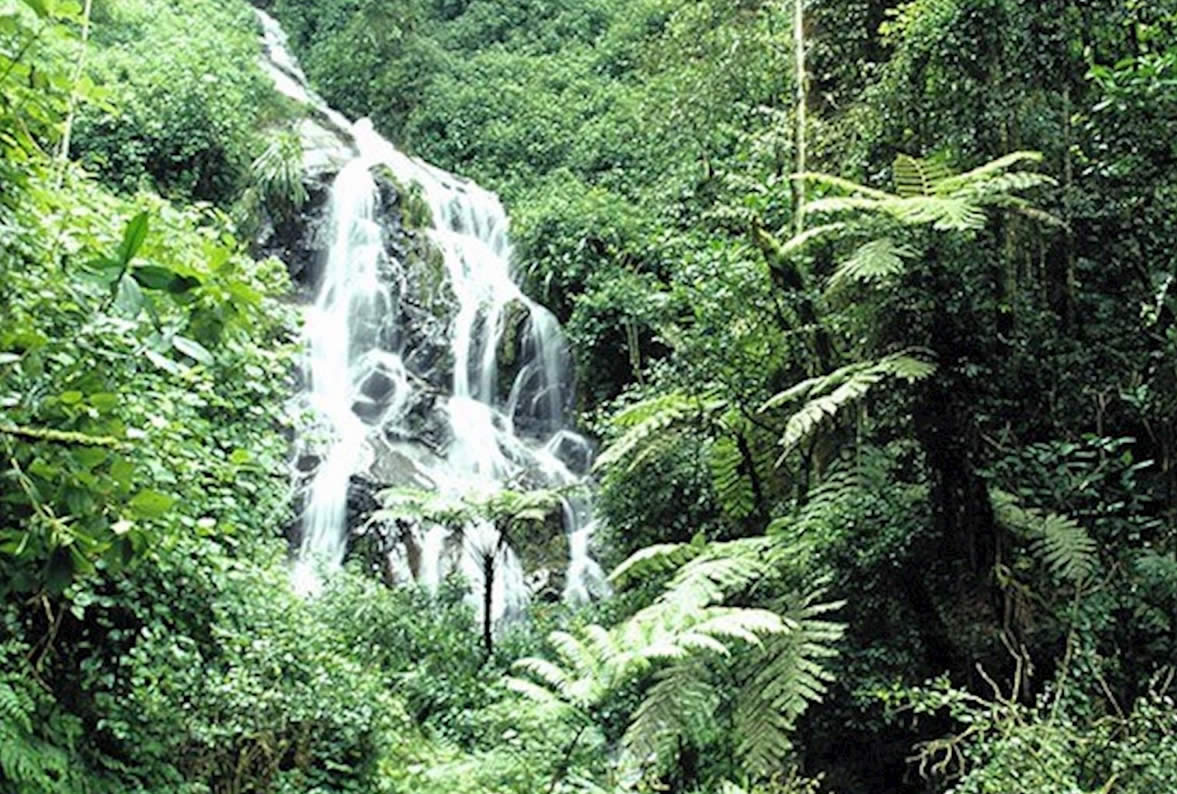
Nyungwe National Park contains an extensive network of well-maintained hiking trails that lead through dense rainforest, bamboo groves and high ridgelines. Guided walks allow visitors
to explore waterfalls, mountain viewpoints and remote forest habitats while discovering the park’s rich flora and wildlife.
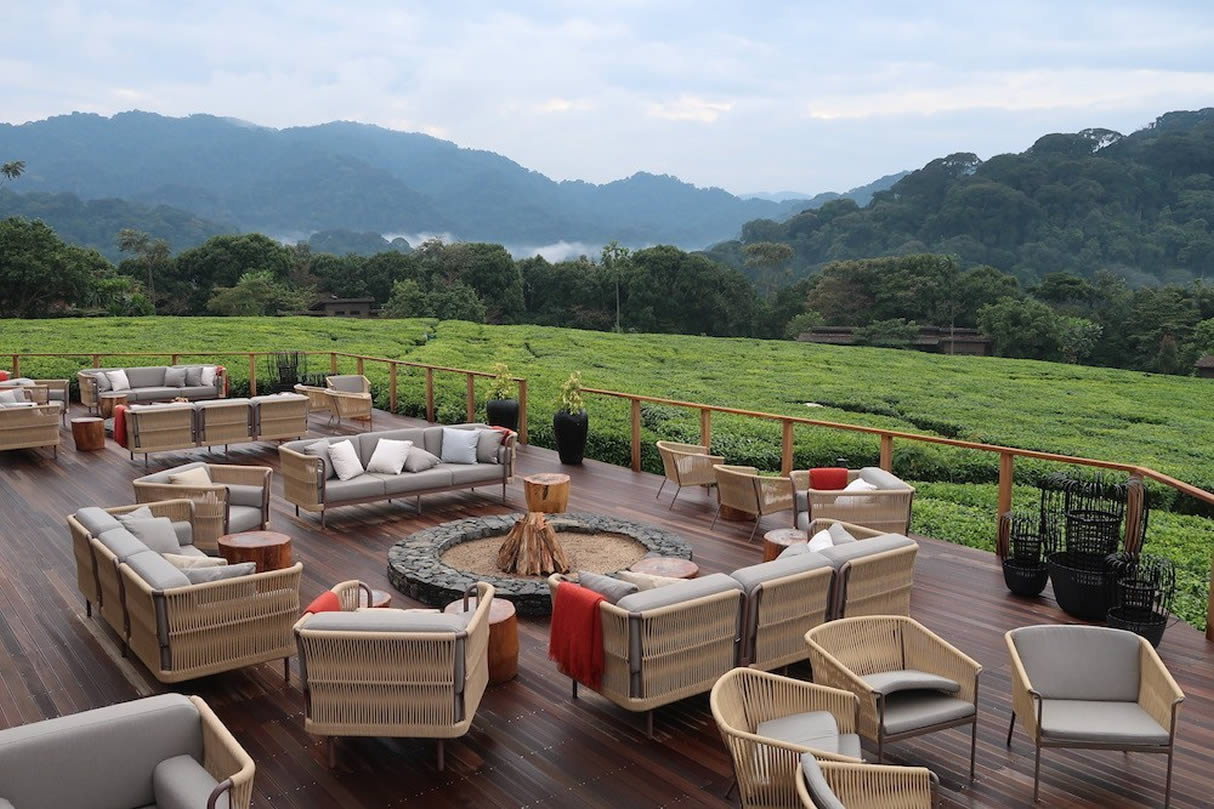
The rolling hills around Nyungwe are famous for their tea estates. Visitors can tour nearby plantations such as Gisakura and Gisovu Tea Estate,
learning about Rwanda’s tea production while enjoying sweeping views over the surrounding rainforest.
Local community tours around the park provide opportunities to experience traditional rural life, crafts, music and cuisine while supporting conservation-linked livelihoods for the communities living near the forest.
Located near the park’s southwestern edge, the Bugarama Hot Springs are natural mineral springs where steaming water rises into a warm green pool.
Both locals and visitors often come here to relax in the mineral-rich waters after exploring the surrounding forests.
Visitors can base themselves in Nyungwe National Park or in surrounding districts and still comfortably access the main park entrances. For example, Karongi District is about 105 km from the Uwinka Reception and 90 km from the Gisakura Entrance. Nyaruguru District is around 120 km from the park. These areas offer additional lodging choices for travelers approaching from Kigali, Lake Kivu, or the southern border.
For visitors preferring towns farther afield, consider Regina Pacis Kibeho, Notre Dame Kibeho, and Mariah Hill Resort in Karongi, as well as Rwiza Village, Home Saint Jean, Comoran Lodge, and Delta Resort Karongi. These provide easy access to the park while combining local culture and comfort.
The main gateway to Nyungwe National Park is Kigali International Airport (KGL), located about 225 km northeast of the park.
The airport is well connected with regional and international flights into Rwanda, making it convenient for both domestic and foreign visitors.
Direct flights to Kigali are available from Nairobi (Kenya Airways, RwandAir), Entebbe (Uganda Airlines, RwandAir), and other regional hubs in East Africa.
From Nairobi, the flight is approximately 1 hour. Upon arrival in Kigali, travelers can arrange road transfers to Nyungwe National Park.
Road travel from Kigali to Nyungwe National Park typically takes 5–6 hours, depending on traffic and the park entrance chosen:
The roads are generally paved and pass through scenic hills and tea plantations. Private transfers, shuttle services, and 4×4 rental cars are recommended for comfort and flexibility.
Visitors may also base themselves in surrounding areas such as Karongi (105 km to Uwinka, 90 km to Gisakura) or Nyaruguru District (120 km to park entrances).
These locations allow combining park visits with other attractions like Lake Kivu, tea estates, and local cultural experiences.