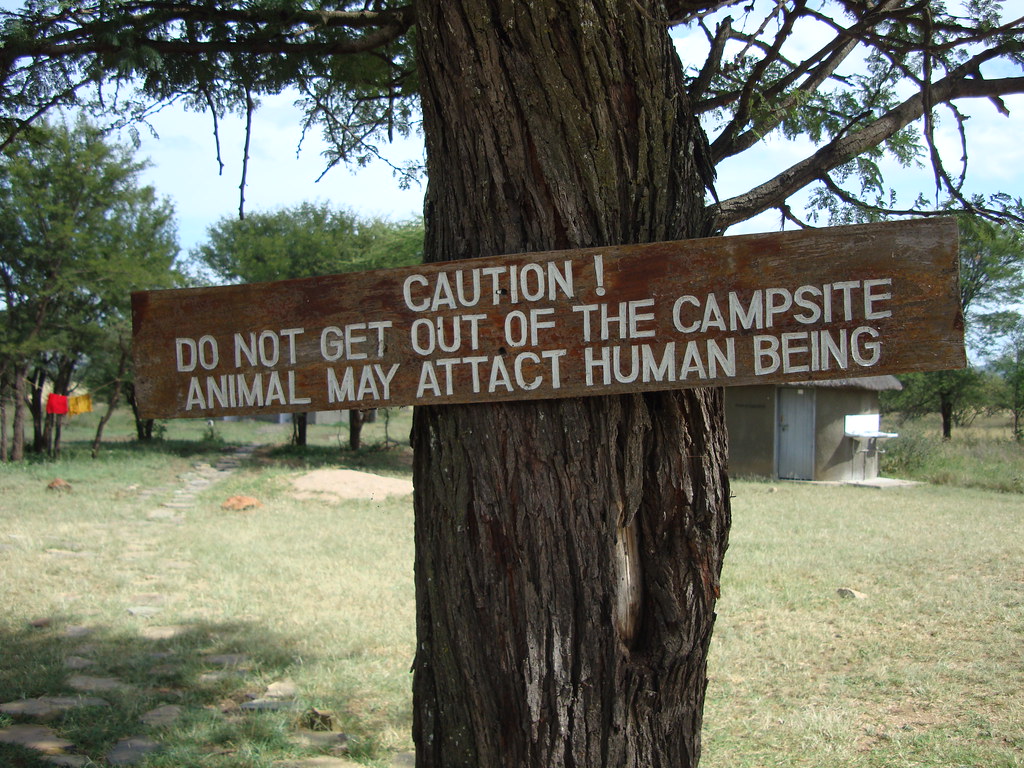
Welcome to the Serengeti National Park, Tanzania’s legendary wildlife sanctuary and one of World’s most celebrated safari destinations. Spanning vast plains, rolling hills, and riverine forests, Serengeti National Park is world-renowned for its incredible biodiversity and the awe-inspiring Great Migration of wildebeest and zebras. Visitors here are treated to spectacular wildlife encounters in a landscape that feels both wild and timeless.
Serengeti National Park does not dissapoint in terms o accommodation choices for every traveler. From budget-friendly campsites and cozy lodges to luxurious tented safari camps. Choosing the right base is key for maximizing your safari experience, whether you want to stay close to the Seronera region for central park access, or in the northern or southern corridors for migration and river-view safaris.
Explore our curated selection of Serengeti National Park’s lodges and camps to find your perfect safari home. Whether you prefer intimate tented accommodations that immerse you in the sounds of the wild or full-service luxury lodges with panoramic views, your stay in the Serengeti National Park will create memories to last a lifetime.
Serengeti National Park is one of Africa’s most iconic safari destinations and a globally celebrated wildlife haven. It has been recognized as a UNESCO World Heritage Site and designated a World Biosphere Reserve. The park has also been featured in major films like Out of Africa and world-class wildlife documentaries including BBC’s Planet Earth and National Geographic specials, making it a household name for wildlife enthusiasts worldwide.
Seronera, the administrative and safari hub of Serengeti National Park, is located approximately 317 km from Arusha and about 400 km from Masai Mara via the Serare-Isebania border and a drive into the park from the northwest. From Nairobi via Arusha, the total distance is roughly 610 km. The park itself is enormous, forming part of a coherent ecosystem covering nearly 35,000 sq km. Many visitors think it can be explored in just a day or two — but Serengeti National Park’s diversity of habitats from open plains, granite kopjes, wooded savannahs, and riverine forests, plus its seasonal variations, make it worth a longer stay.
Wildlife and scenery change dramatically throughout the year. From the short-grass plains where wildebeest calve and predators hunt, to the Gol Mountains’ open vistas and towering granite monoliths of the southern plains, every visit feels like a unique adventure. In Serengeti National Park, humans take a step back — visitors come to witness a world they cannot control, where nature reigns supreme.
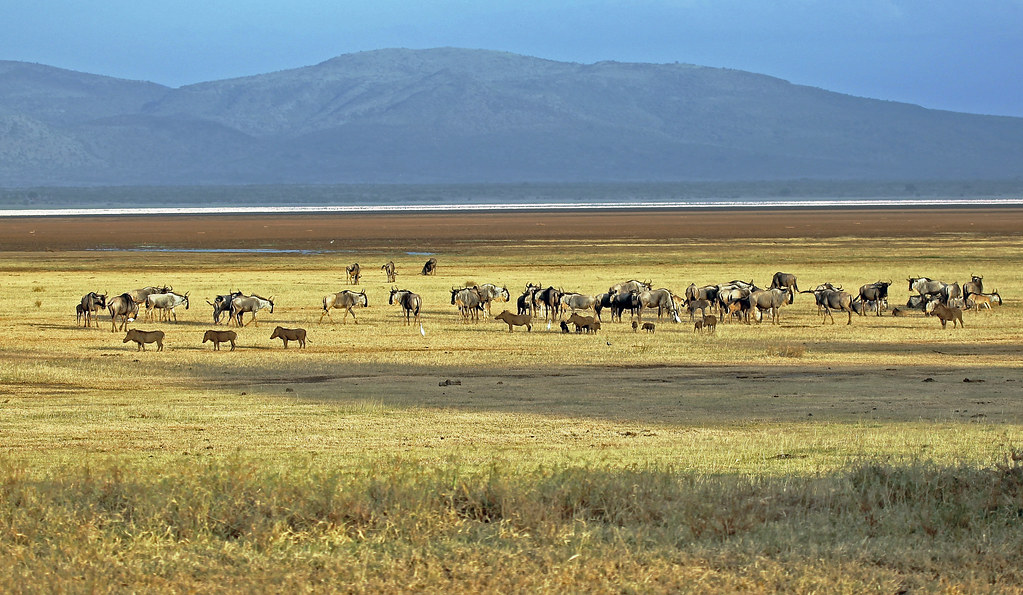
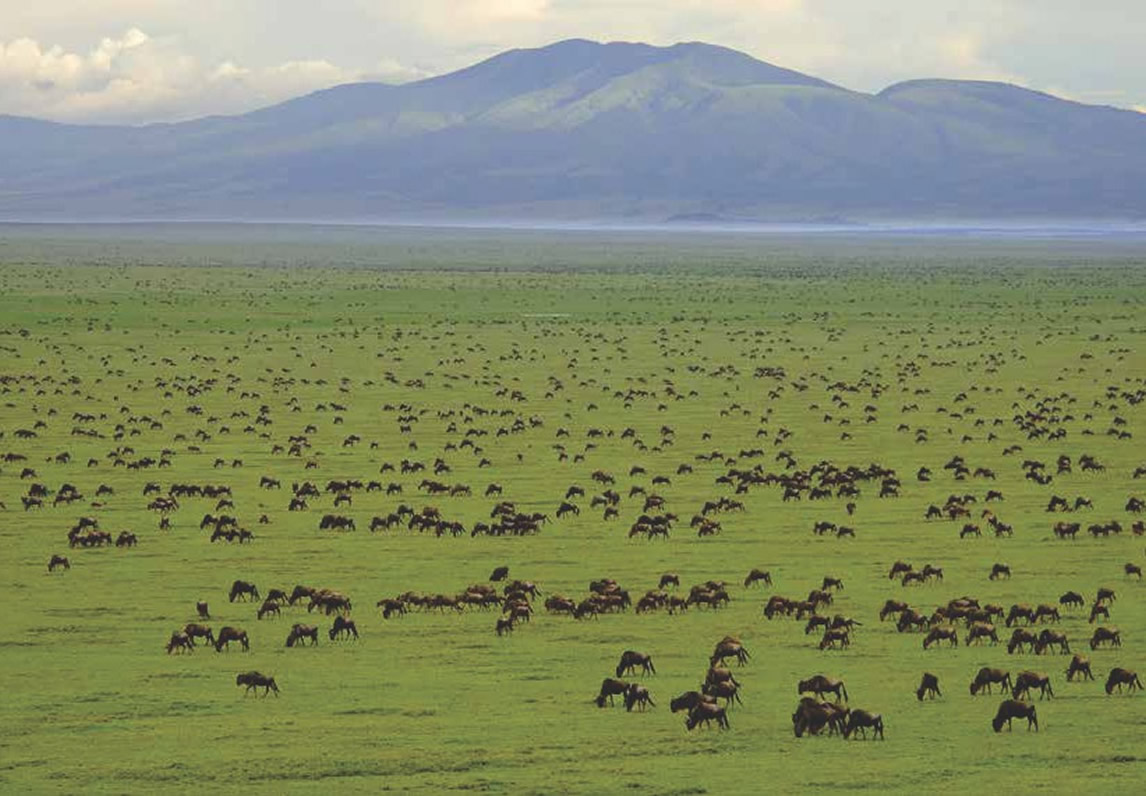
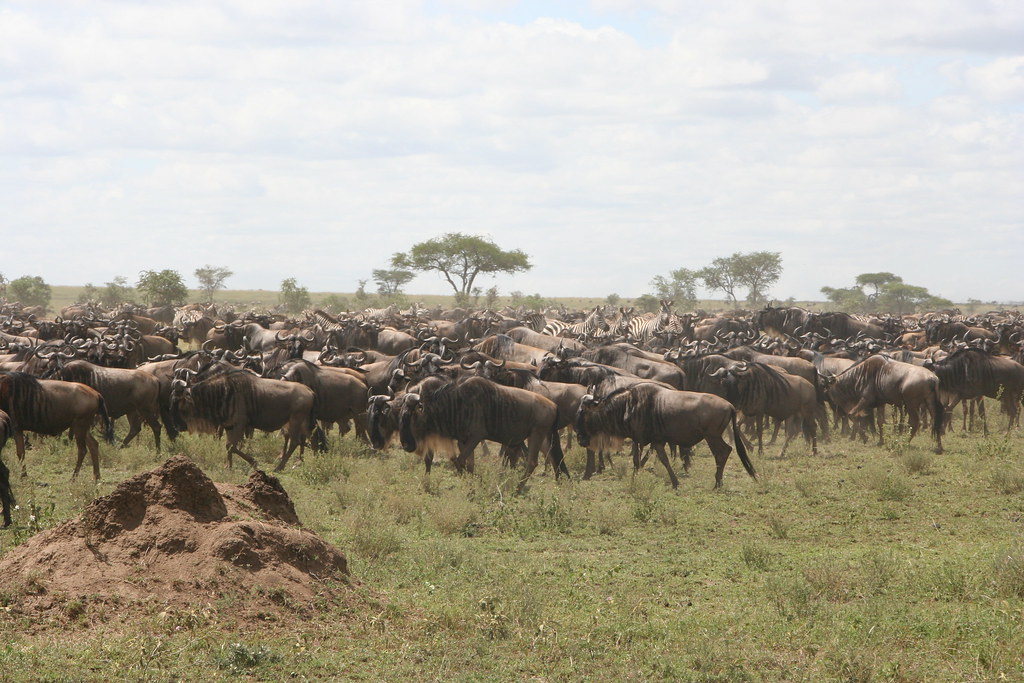
Wildebeest are Serengeti National Park’s driving force, numbering around 1.3 million, alongside roughly 300,000 zebras and countless predators and scavengers. Together, they shape the ecosystem, influencing vegetation, migration patterns, and the lives of nearly every other species in the park. Other large mammals, predators, and birds thrive here, making Serengeti National Park a living, dynamic wilderness.
Water is scarce on the short-grass plains, especially during the dry season. Wildebeest and zebras depend on natural depressions and seasonal water sources, which partly drives their famous migratory patterns. The plains are also the site of wildebeest rutting and calving. Despite their cow-like appearance, wildebeest are antelopes, and the best time to witness the calving spectacle is from December through May in the southern plains.
By late May, the migration moves westward to the Grumeti area, then north through the Loliondo region to cross into Kenya’s Masai Mara via the Sand River in July. The herds return to the Serengeti by late October and are fully settled in the central areas by November, creating one of the most awe-inspiring natural spectacles on Earth.
Beyond the migration, Serengeti hosts all the classic big game of Africa. Recent conservation efforts have reintroduced black rhinos in the north and south and encouraged the spread of African hunting dogs across the park.
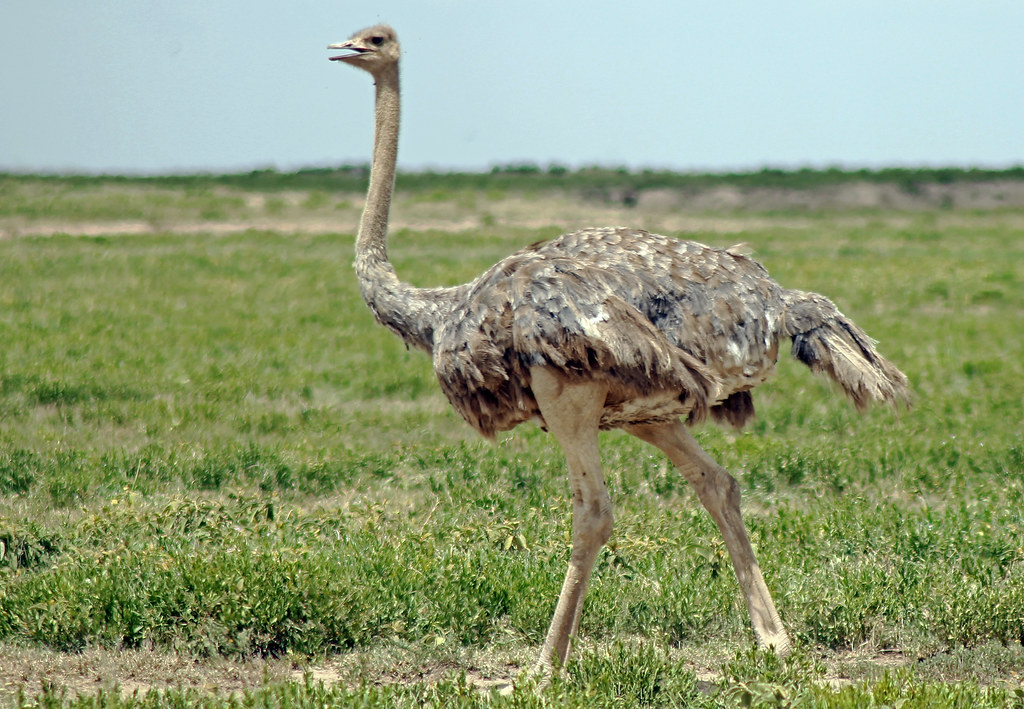
Birdlife is abundant, with nearly 500 species recorded, including European migrants present from October to April, such as storks, cuckoos, swallows, rollers, Montagu’s and Pallid harriers, and Caspian plovers.
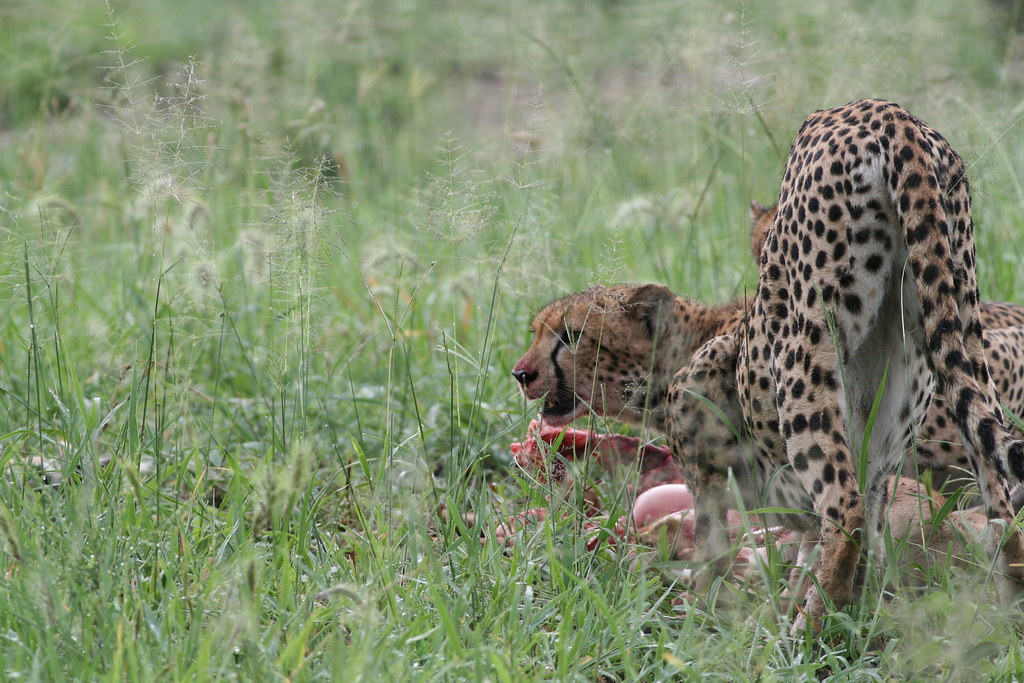
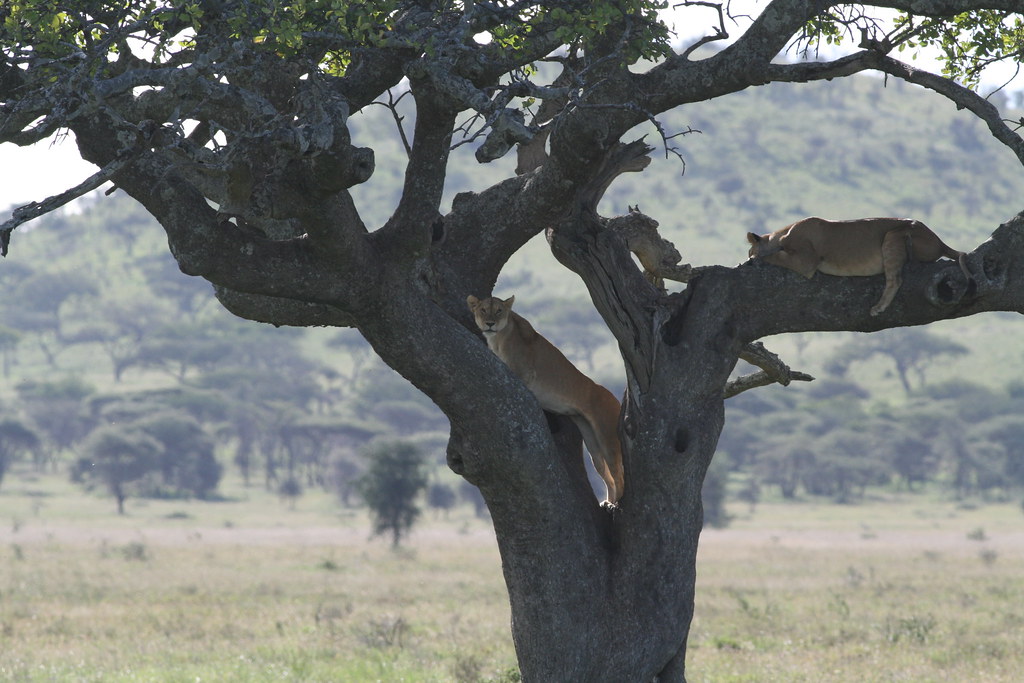
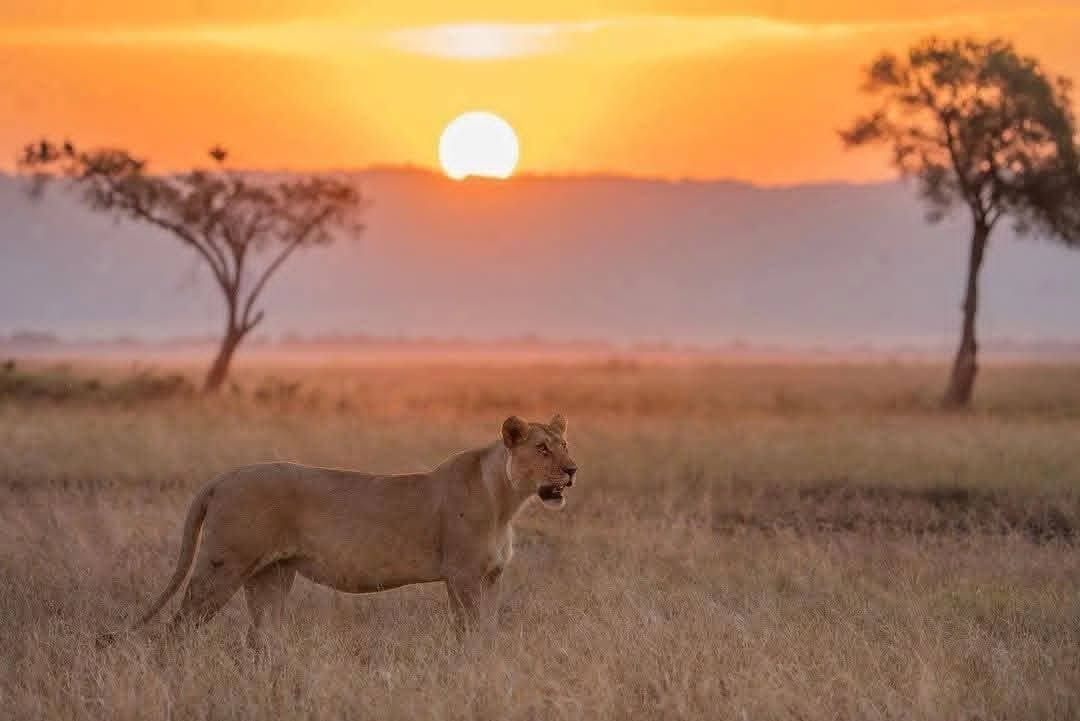
Serengeti National Park is renowned for hosting Africa’s richest populations of carnivores, including lions, leopards, cheetahs, and spotted hyenas. While Masai Mara has roughly 66 lions per 100 sq km, Serengeti has around 50 lions per 100 sq km alongside abundant other predators, providing ample opportunities to witness hunting and predator-prey dynamics in their natural habitat.
More than 28 herbivore species thrive here, including wildebeest, zebras, buffalos, elands, hippos, and waterbucks. Observing herds grazing across the endless savannah plains is an exhilarating experience that showcases Serengeti National Park’s ecological richness.
Floating above Serengeti National Park in a hot air balloon offers a unique perspective on its vast plains, migration herds, and predatory interactions. Sunrise balloon safaris are an unforgettable adventure, combining tranquility, drama, and panoramic views that few experiences can match.
The Serengeti region is steeped in human history. Indigenous Maasai, Ikoma, Sukuma, and Kuria communities once lived within the park boundaries. Today, evidence of their presence remains at Maasai Rock Paintings, Gong Rock, and Ikoma ruins, creating a fascinating blend of wildlife and cultural heritage for visitors.
Serengeti National Park is a sanctuary for critically endangered species, including the black rhino and African hunting dog. The western parts of the park are also home to rare primates such as red patas monkeys and Angolan black-and-white colobus monkeys, making it a haven for wildlife enthusiasts and conservationists alike.
Recognized as a UNESCO World Heritage Site, Serengeti’s unspoiled landscapes feature rolling hills, vast plains, riverine forests, and scattered kopjes. The sight of wildlife silhouetted against dramatic sunsets is an iconic African experience, making every visit visually unforgettable.
Serengeti National Park is immense, spanning thousands of square kilometers, and accommodation is spread across different regions, each offering unique wildlife and landscape experiences. Popular locations include Seronera in the central park, Ndutu in the south, Lobo in the east, Kogatende and Lamai in the north, and Grumeti in the west. Choosing the right area depends on the season, wildlife interests, and type of safari experience desired.
Accommodations are broadly classified into three categories to suit different preferences and budgets:
Budget-friendly options such as public campsites, basic lodges, and community-run tented camps. Ideal for travelers seeking a more rustic safari experience, often in Seronera or Ndutu regions close to wildlife hotspots.
Mid-range lodges and tented camps offering comfortable amenities, guided safari drives, and proximity to central and southern Serengeti. These properties often provide a balance between cost and convenience, making them popular with small groups and families.
High-end lodges and exclusive tented camps with premium services, private guides, and panoramic views. Located across Serengeti National Park including central Seronera, northern Kogatende/Lamai, and western Grumeti, these accommodations provide a fully immersive safari experience with luxury touches and personalized attention.
Serengeti National Park has several all-weather airstrips strategically located to provide quick access to different regions of the park. Key airstrips include Seronera (central), Kusini (south), Lobo (east), Kirawira (west), and Kogatende and Lamai (north). Scheduled domestic airlines such as Coastal Aviation, Auric Air, Regional Air, and Air Excel operate flights from Arusha and Kilimanjaro International Airport, while private charters are also available.
Serengeti National Park is accessible by road, but travel is limited to official park gates and established routes. Distances from major points include:
Access to the park is only possible through official entry gates, which include: Naabi Hill, Seronera, Ndutu, Kusini, Kirawira, Handajega, Ikoma, Tabora ‘B’, Lamai, and Kleins. Road conditions vary depending on the season, and it is recommended to use 4×4 vehicles for comfort and safety.