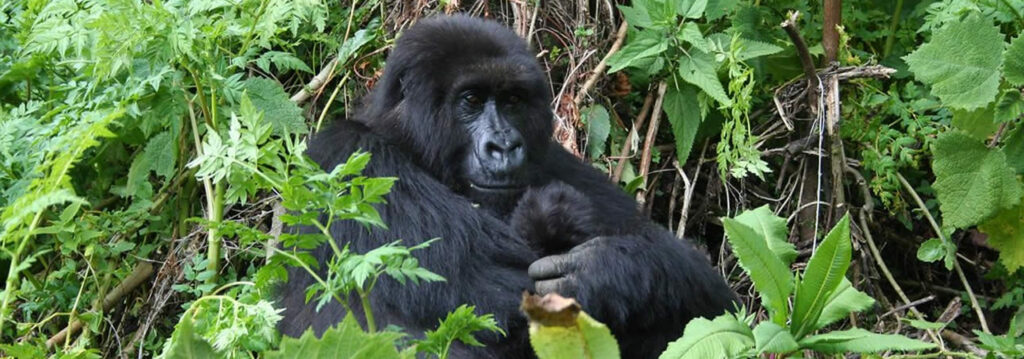
Volcanoes National Park, located in the northwest corner of Rwanda, is a world-renowned sanctuary for mountain gorillas. Nestled in the foothills of the Virunga Volcanoes, the park spans lush forests, dramatic volcanic landscapes, and a unique ecosystem that supports a variety of wildlife.
Established in 1925, Volcanoes National Park is Africa’s oldest protected area and has played a vital role in the conservation of endangered mountain gorillas. Visitors can explore dense bamboo forests, hike volcanic trails, and immerse themselves in Rwanda’s rich natural heritage.
Besides gorilla trekking, the park offers golden opportunities for birdwatching, cultural experiences with local communities, and exploring the dramatic scenery of the Virunga volcanic chain.
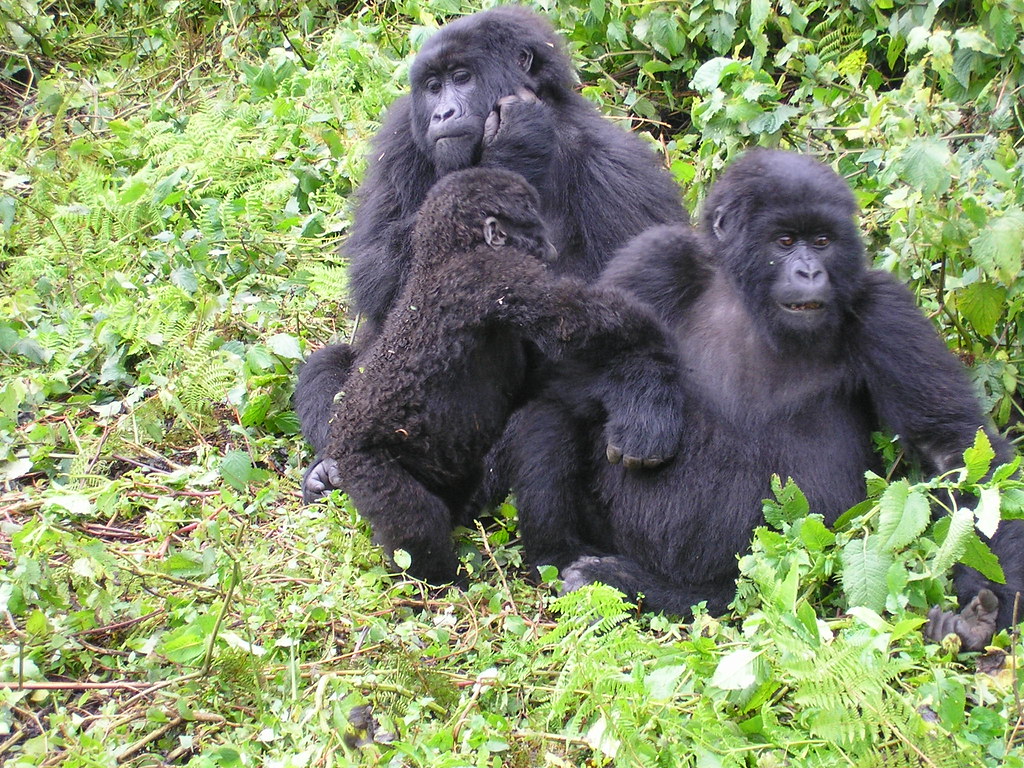
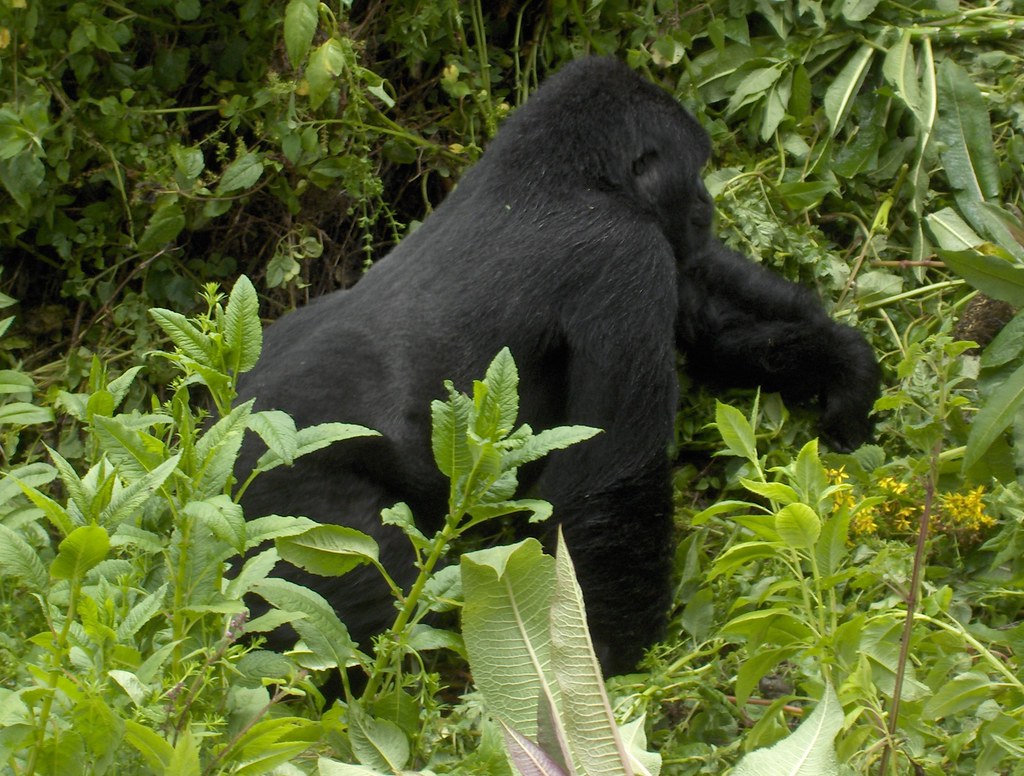
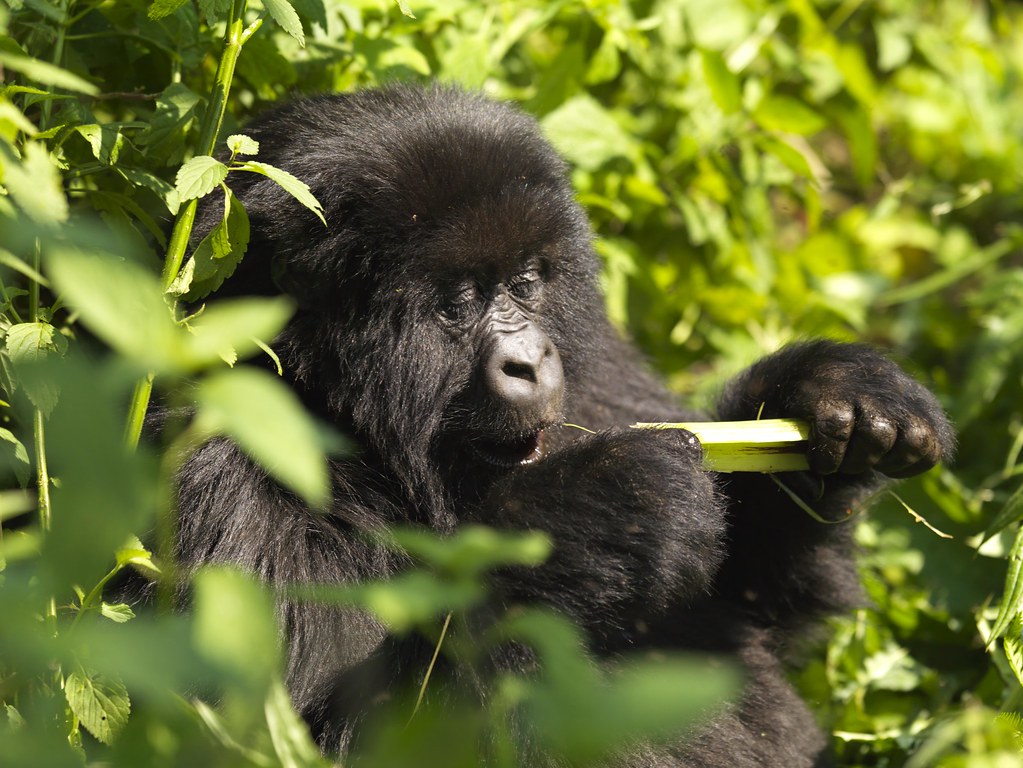
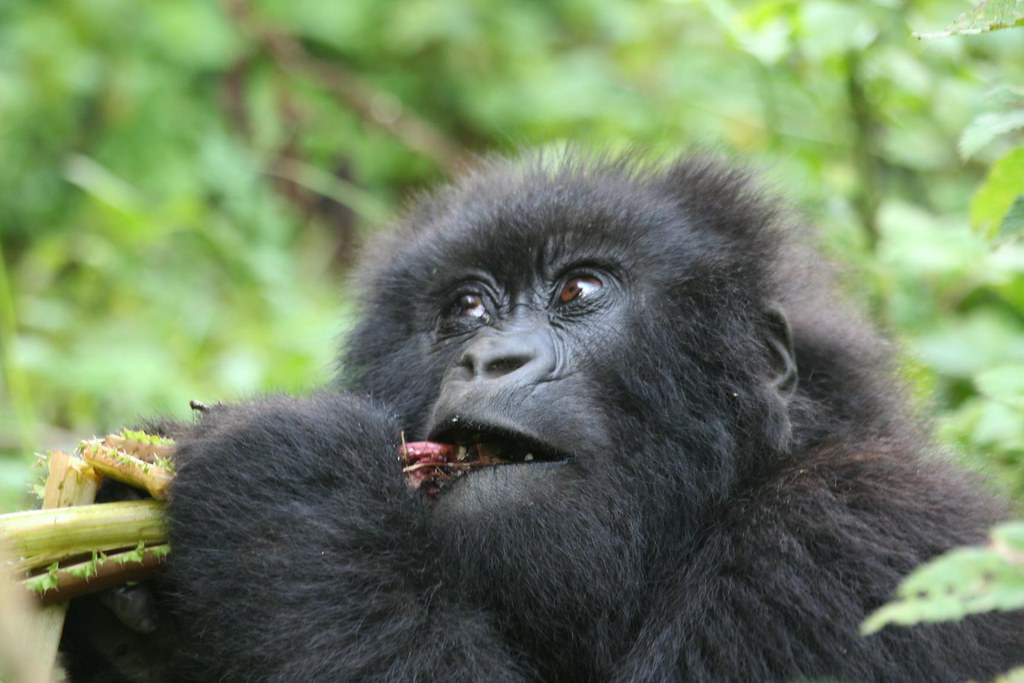
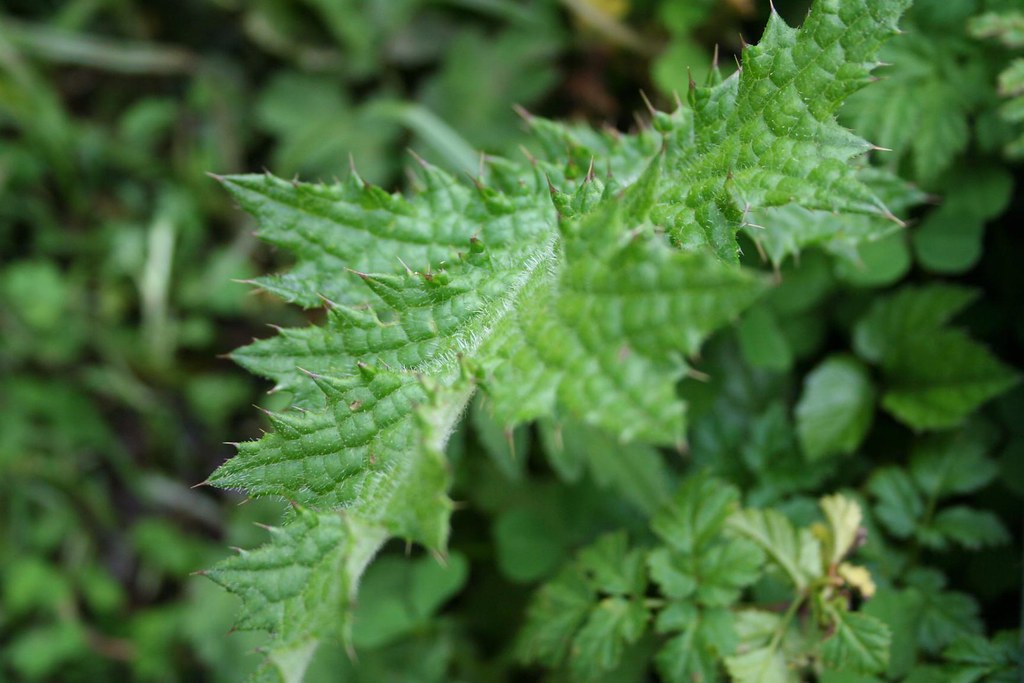
| Species | Mountain Gorilla (Gorilla beringei beringei) |
| Lifespan | 35–40 years (wild) |
| Daily Food Intake | 18–30 kg of vegetation |
| Weight | Males 135–220 kg; Females 70–115 kg |
| Height | 1.2–1.8 m |
| Established | 1925 |
| Park Area | 160 km² |
| Highest Point | Mount Karisimbi (4,507 m) |
| Notable Volcanoes | Mount Nyiragongo & Mount Nyamuragira (active) |
| Bird Species | ~100 |
Gorilla permits in Rwanda (Volcanoes National Park) cost $1,500 USD per person for international tourists, which includes park entrance, a guided trek, and one hour with the gorillas.
It is essential to organize your gorilla trek early with a reputable operator either in Rwanda or through Kenya Tour Operators if extending safari from there. Gorilla permits are paid through the Rwanda Development Board (RDB). Permits are scarce, so booking 6+ months in advance is recommended.
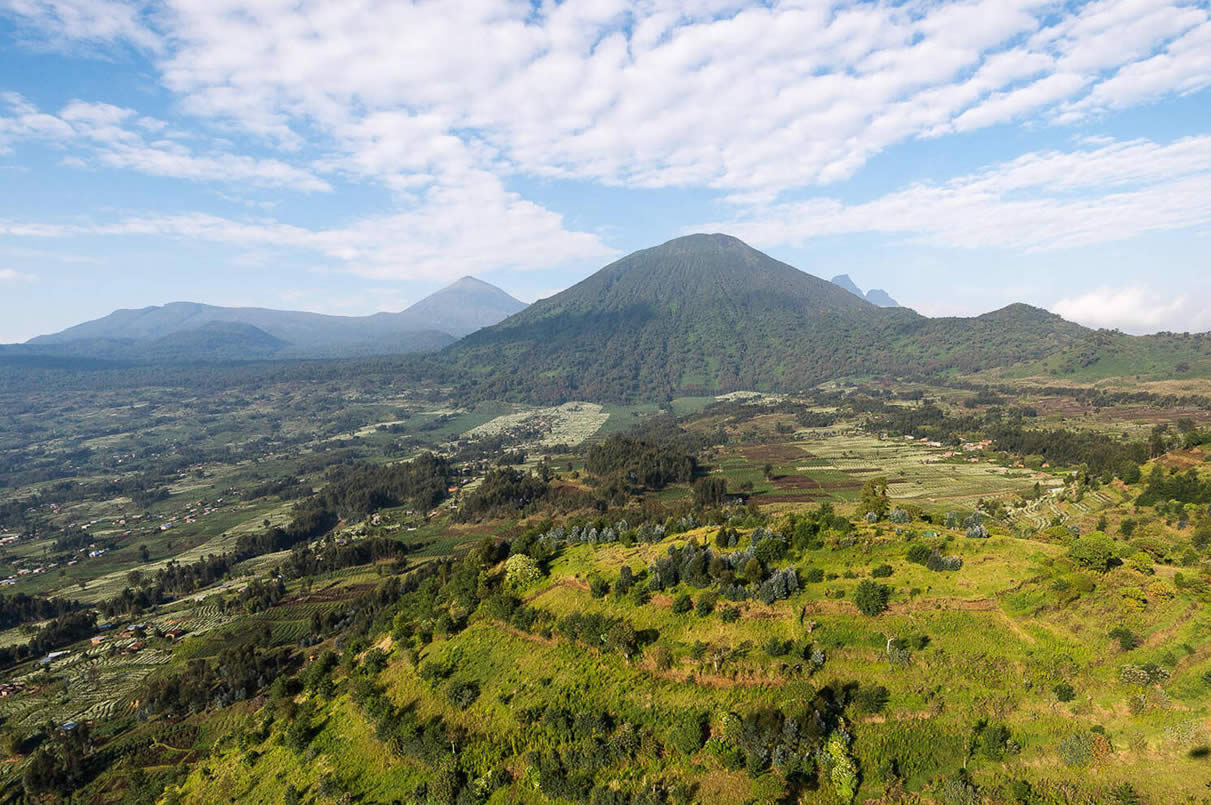
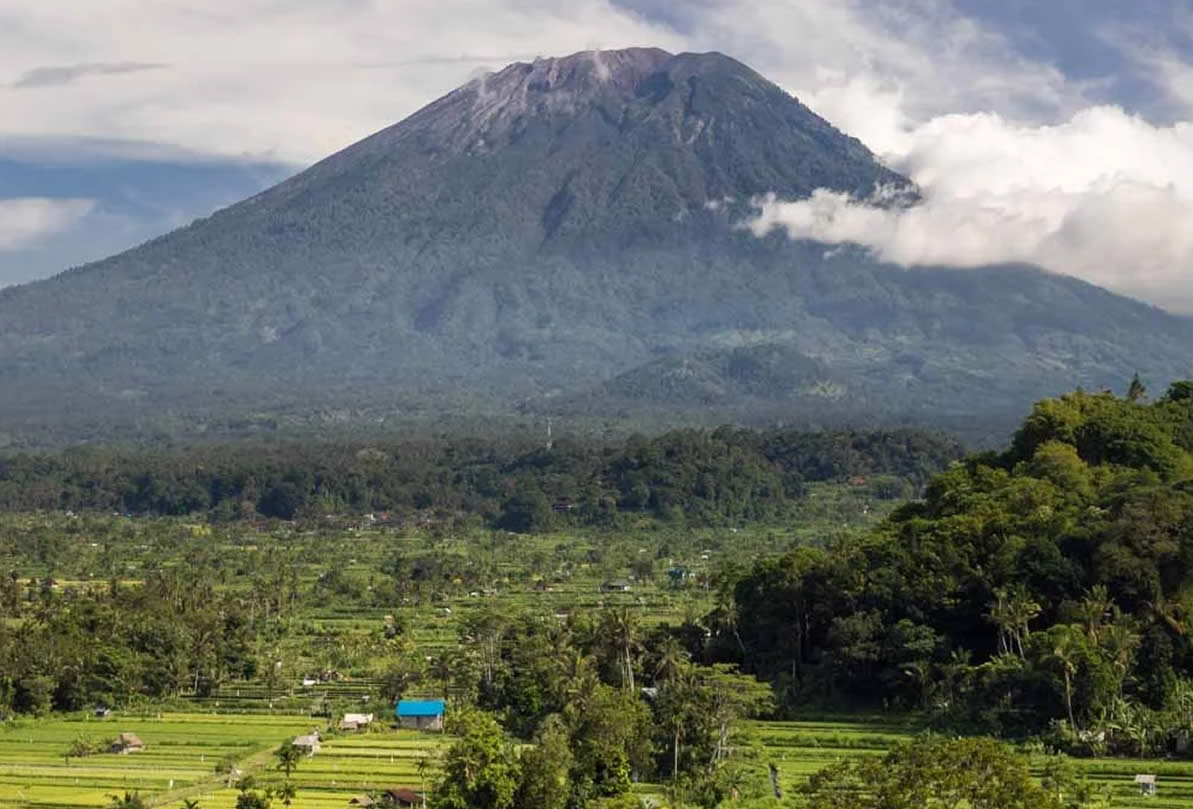
Volcanoes National Park is located in the Northern side of the country, protecting the Rwandan portion of the Virunga Mountains, a Transfrontier Conservation Area shared with Uganda and the DRC.
The park includes a complex of mostly dormant volcanoes, Rwanda’s highest point — Mount Karisimbi (4,507 m) — and two active volcanoes, Mount Nyiragongo and Mount Nyamuragira.
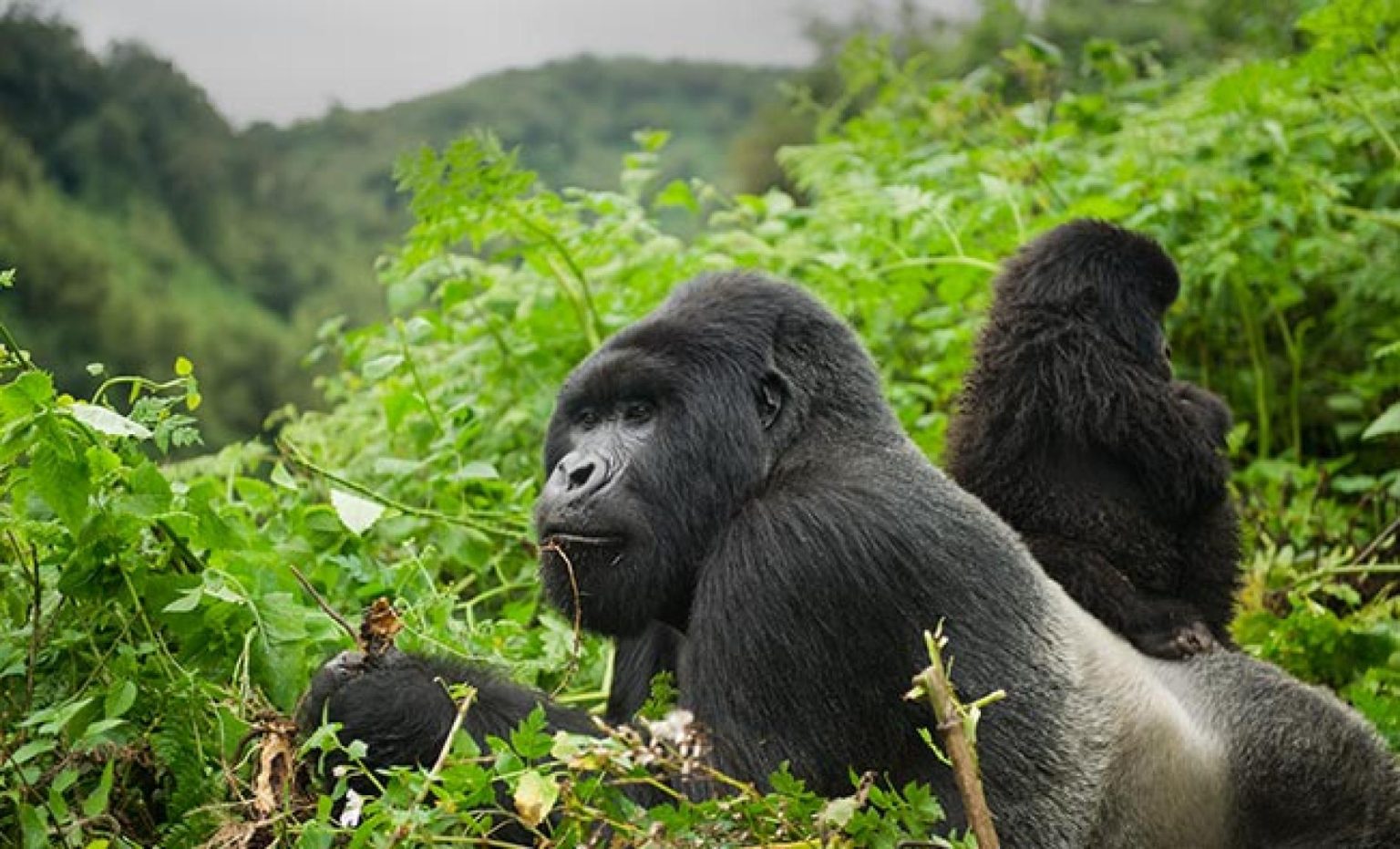
Volcanoes National Park is famous for being home to the world’s last remaining mountain gorillas in their natural habitat. Of the world’s habitats and sightings for these amazing creatures is Rwanda, Uganda and the Democratic Republic of Congo.
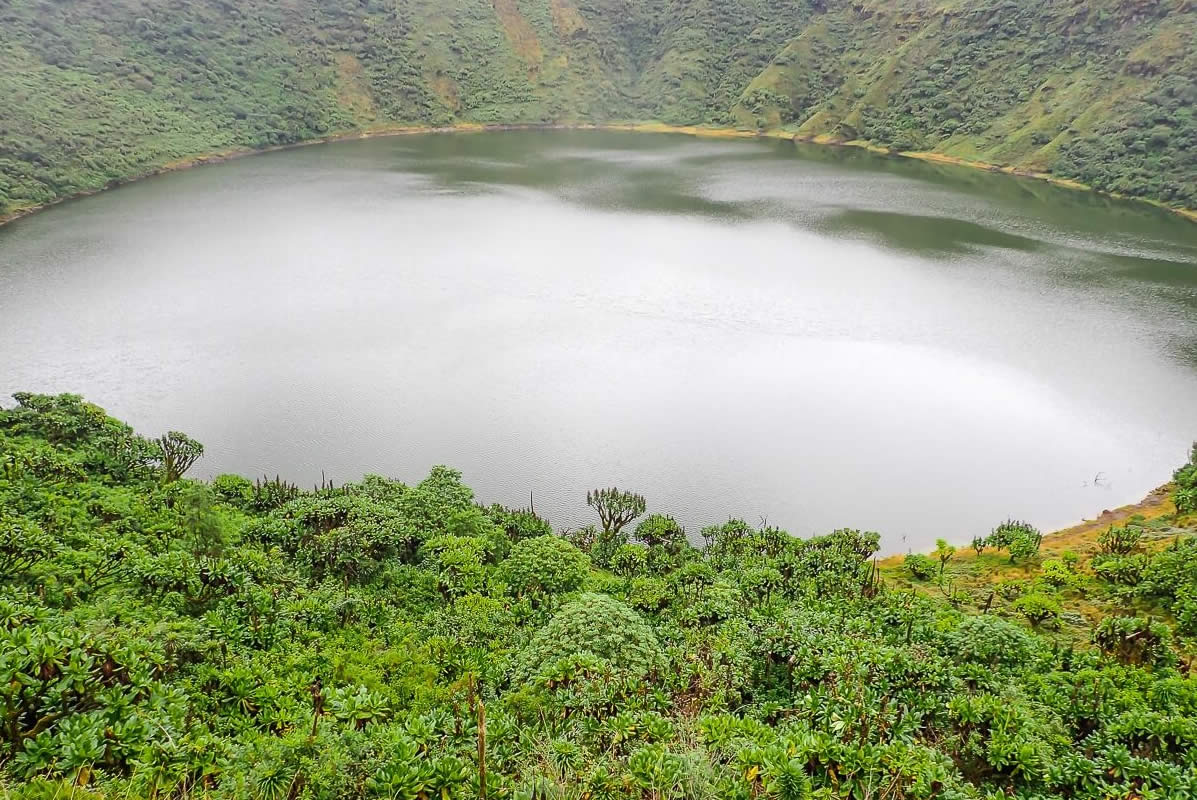
Although the park is visited predominantly for gorilla trekking, there are several other tourism opportunities, including a climb to Mount Bisoke’s stunning crater lake or a hike to Karisimbi’s summit, Africa’s 5th highest mountain.
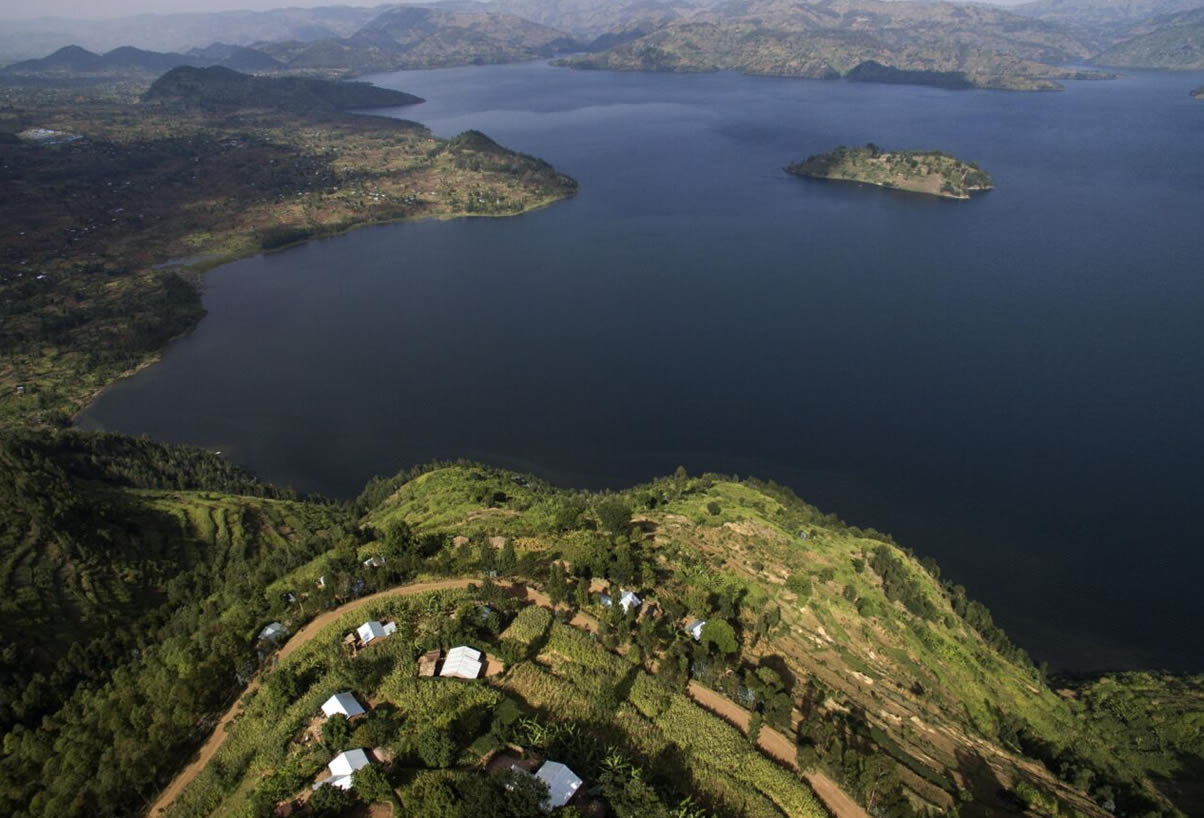
The often-overlooked twin lakes, Burera and Ruhondo, and the nearby Rugezi swamp are excellent for waterbirding.
Community-based tourism also thrives here: visitors can explore local villages, agri-production plants, ethnobotany tours, traditional fishing practices, or simply relax and soak in the breathtaking volcanic scenery.
The main reason travellers visit Volcanoes National Park is the opportunity to encounter the endangered Mountain Gorilla in its natural habitat. Guided treks through bamboo forests and mist-covered slopes lead to habituated gorilla families, offering one of Africa’s most powerful wildlife experiences.
The park is also home to the lively and endangered Golden Monkey, a primate species endemic to the Virunga region. Tracking these energetic monkeys through the bamboo forests of the Virunga Mountains provides an exciting wildlife encounter and a lighter alternative to gorilla trekking.
Adventure seekers can climb several of the dormant volcanoes that form the dramatic Virunga range. Popular hikes include Mount Karisimbi (4,507 m), Rwanda’s highest peak, Mount Bisoke with its beautiful crater lake, and the striking cones of Mount Muhabura and Mount Gahinga. These hikes reward visitors with sweeping views across Rwanda, Uganda and the Democratic Republic of Congo.
A historically significant trek leads through the forest to the former research site of primatologist Dian Fossey. Located between Mount Karisimbi and Mount Bisoke, the Karisoke Research Center was where Fossey carried out her groundbreaking work protecting mountain gorillas. Visitors can hike to her grave and learn about the conservation efforts that helped safeguard the species.
Near the park gateway town of Musanze lies the impressive Musanze Cave, formed by ancient volcanic activity. The cave extends for more than two kilometres and features enormous cathedral-like entrances and passages that are home to large colonies of bats.
Bird enthusiasts can explore nearby Rugezi Marsh, Rwanda’s only Ramsar-listed wetland. This rich habitat supports important bird species including Grauer’s Swamp Warbler, Grey-crowned Crane and Papyrus Canary, making it one of the country’s most rewarding birding sites.
A short drive from the park brings visitors to the scenic twin lakes of Burera and Ruhondo. Surrounded by terraced hills and overlooked by the Virunga volcanoes, the lakes offer tranquil boat trips, birdwatching opportunities and some of the most photogenic landscapes in northern Rwanda.
Communities around Volcanoes National Park offer engaging cultural encounters that connect visitors with local traditions and conservation initiatives. Experiences include visiting the Gorilla Guardians Village, exploring the Red Rocks cultural centre, and community tours with the Roots of Nyabingi initiative where visitors can enjoy village walks, traditional food, music, crafts and local history.
Just outside the park lies Buhanga Eco-Park, a small but historically important forest traditionally used for royal rituals and coronation ceremonies of Rwanda’s ancient kings. Guided walks reveal the cultural and spiritual heritage associated with this sacred landscape.
Whether you’re staying in Kigali or near Volcanoes National Park, Rwanda offers a wide range of lodging to suit every budget and preference — from luxury eco-lodges with breathtaking views to cozy, budget-friendly guesthouses.
Most travelers arrive at Kigali International Airport (KGL), Rwanda’s main gateway. The airport is modern, well-equipped, and directly accessible from several international destinations.