Lake Elementaita lies within the protected boundaries of Soysambu Conservancy, a 48,000-acre private conservation area in Kenya’s southern Great Rift Valley. Approximately two-thirds of the lake’s shoreline fall under conservancy protection, safeguarding one of the region’s most ecologically significant wetland systems.
Lake Elementaita is located about 120–130 km northwest of Nairobi, between Lake Naivasha and Lake Nakuru, and shares geological traits with other Rift Valley soda lakes but has experienced milder flooding over recent decades as compared to the rest.
Designated a RAMSAR Wetland of International Importance in 2005 and later included within the Kenya Lake System UNESCO World Heritage Site, Lake Elementaita is both scenically beautiful and globally important for birdlife and conservation.
Lake Elementaita is a shallow alkaline soda lake covering approximately 22 km², with an average depth of just two metres. It is fed by underground hot springs, the Mbaruk, Chamuka and Mereroni rivers, rainfall and surface runoff. As a closed basin system with high evaporation rates, its water levels fluctuate naturally — though less dramatically than neighbouring Rift Valley lakes.
Sitting at an altitude of approximately 1,776 metres above sea level, and located about 20 kilometres southeast of Nakuru, Lake Elementaita covers roughly 18–22 square kilometres depending on seasonal water levels. The lake forms part of the Kenya Lake System UNESCO World Heritage Site (together with Lakes Nakuru and Bogoria) and has been recognised as an
Important Bird Area since 1999. In 2010, the Lake Elementaita Wildlife Sanctuary was officially gazetted by Kenya Wildlife Service, strengthening formal protection.
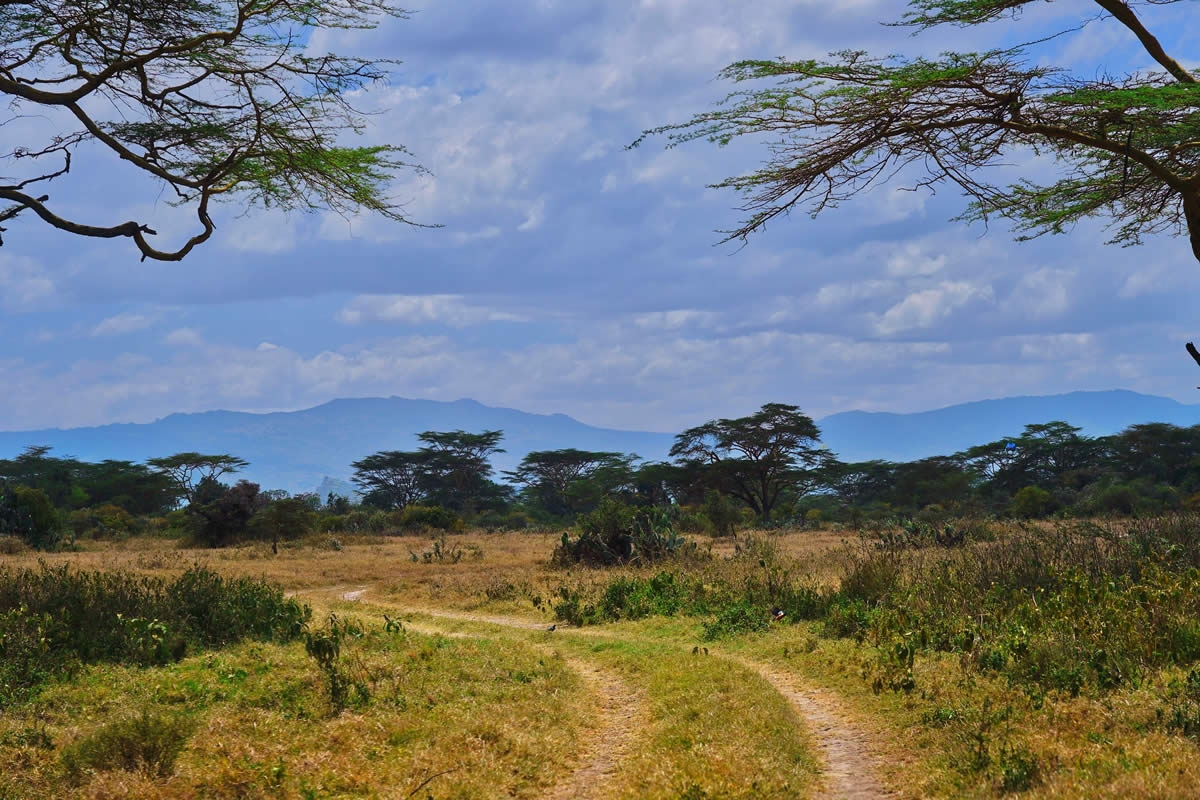
Soysambu Conservancy management protects the majority of the lake’s shoreline and extends across acacia woodland, bush plains and open grassland habitat. It serves as a critical wildlife corridor between Lake Nakuru National Park and Lake Naivasha, allowing safe animal movement and supporting genetic diversity.
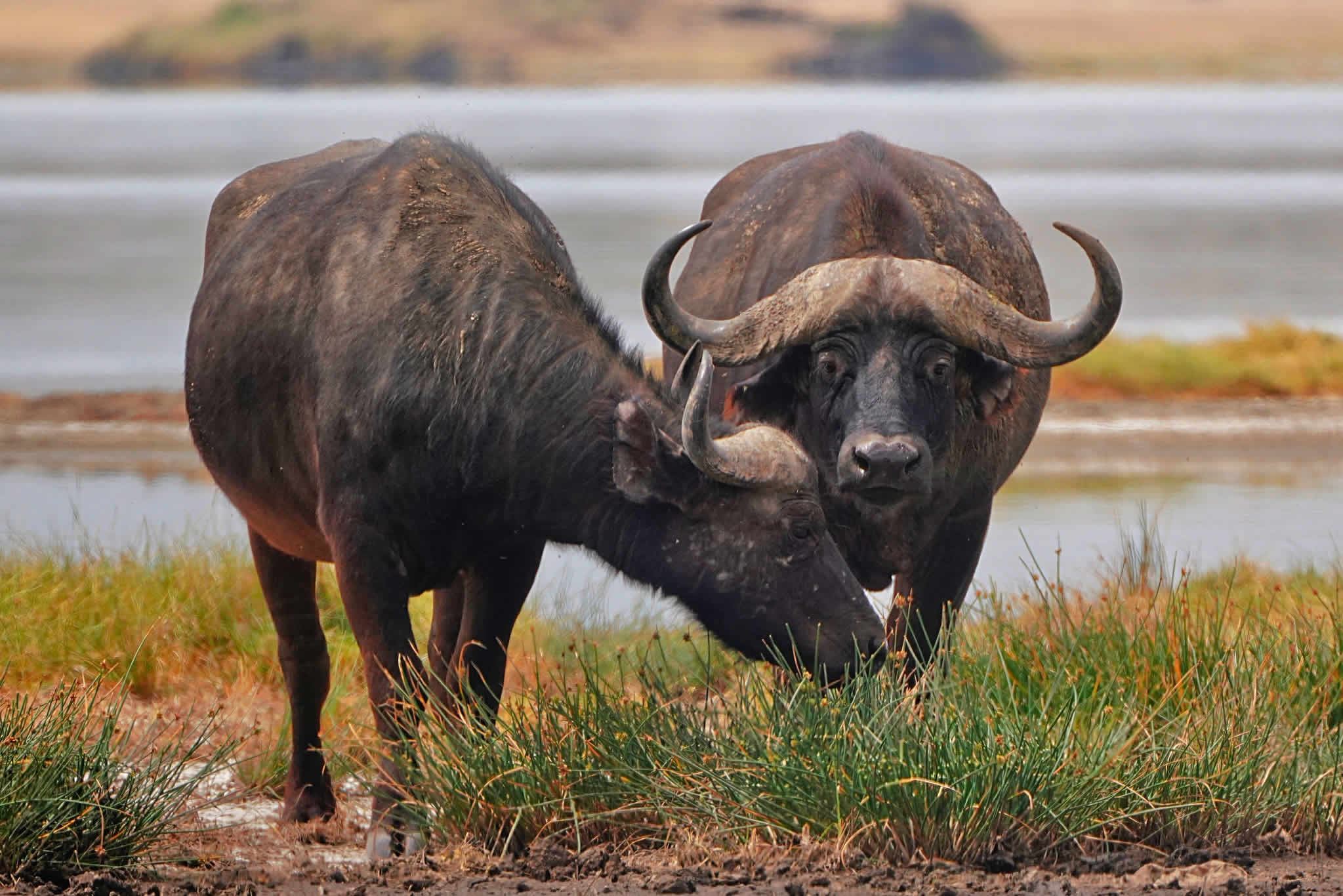
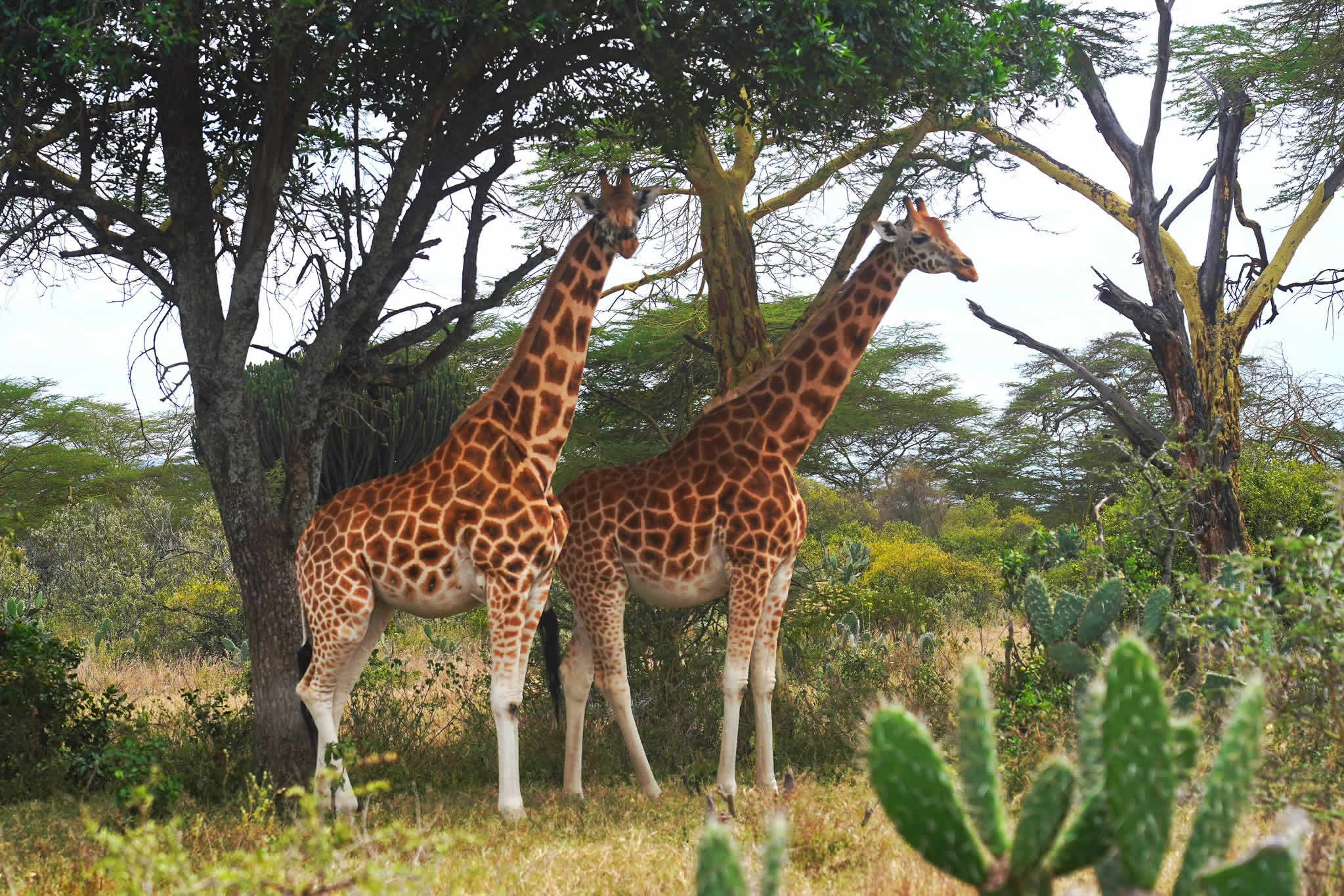
The landscape features acacia forest, euphorbia trees, rocky escarpments, hot springs at Kekopey (an ancient ivory and trade passage), and open plains grazed by plains game. The area is historically significant to Maasai communities, who refer to it as “Muteita” – meaning the dusty place. Wildlife extends beyond birds. Soysambu supports Rothschild’s giraffe, zebra, gazelle, buffalo, and both black and white rhino populations. The lake itself is home to Lake Magadi tilapia, a fish species uniquely adapted to alkaline waters.
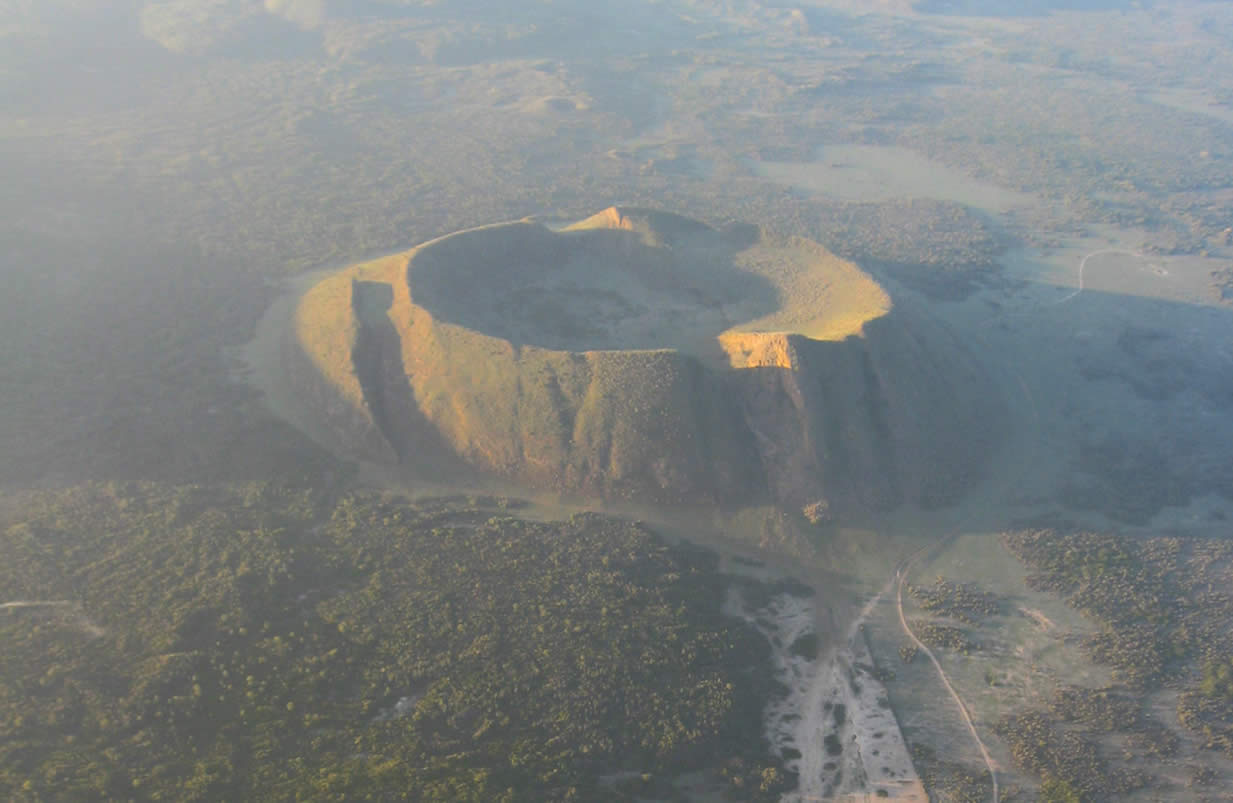
The surrounding landscape is defined by volcanic ridges and escarpments, typical of Rift Valley ecosystems including the striking silhouette of Sleeping Warrior — a dramatic hill formation that appears like a reclining figure against the sky. Its presence adds a distinctive geological character to the lake’s already serene setting.
Unlike busier national parks, Elementaita offers space, calm and intimacy.
Game drives feel exclusive, landscapes feel expansive, and the pace is unhurried.
It is ideal for travellers seeking a quieter safari rhythm. Honeymooners fall in love with themselves more as with serenity of this place
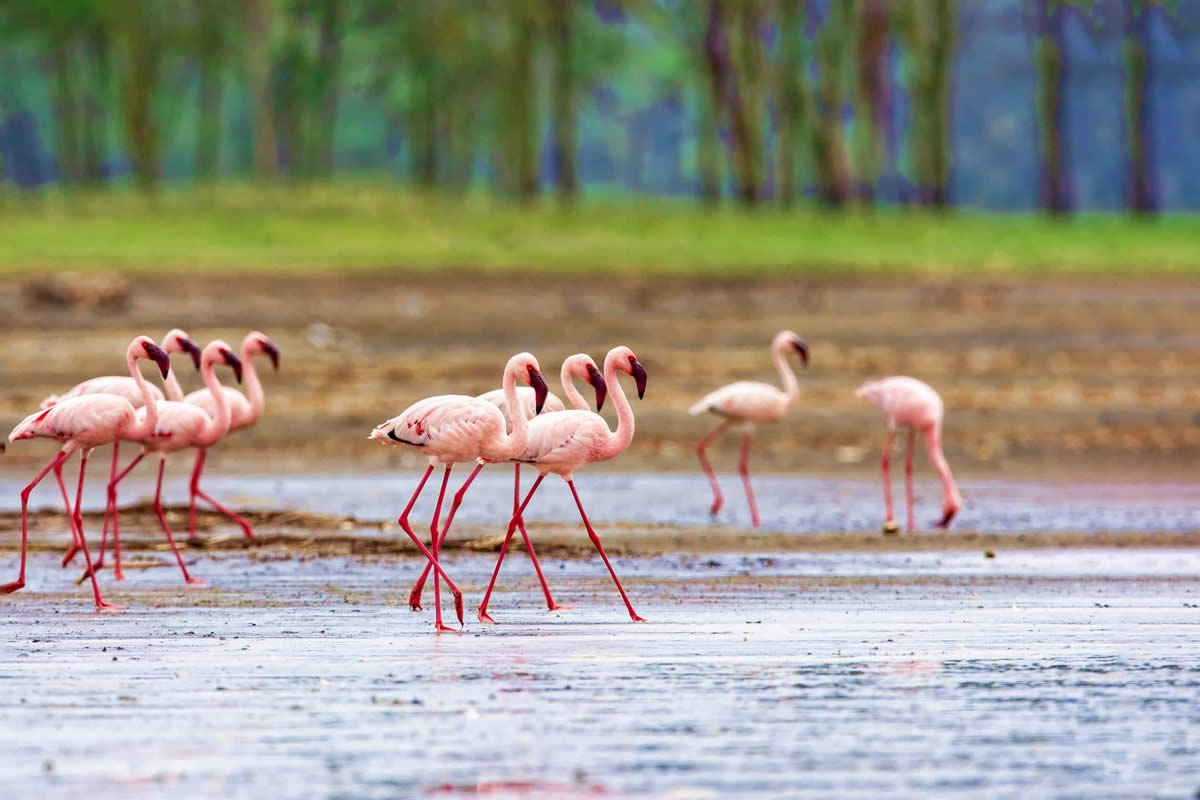
With over 400 recorded bird species, Elementaita is a birdwatcher’s paradise.
Greater and Lesser Flamingos gather when conditions are favourable,
while the lake is Kenya’s only breeding site for Great White Pelicans,
hosting thousands of nesting pairs.
Soysambu Conservancy protects both black and white rhinos as well as
endangered Rothschild’s giraffe. Its role as a wildlife corridor enhances
conservation value beyond its borders.
Lake Elementaita and its surroundings is particularly suited for couples, honeymooners and travellers looking for a refreshing stopover after extended game drives elsewhere. The lake’s reflective waters, Rift Valley sunsets and peaceful atmosphere create a romantic and restorative setting.
The dramatic outline of Sleeping Warrior and the surrounding volcanic
escarpments create one of the most photogenic backdrops in the southern
Rift Valley, particularly at sunrise and sunset.
Located on the south-eastern shores of Lake Elementaita, the geothermal
springs at Kekopey are a reminder of the Great Rift Valley’s
volcanic origins. The warm mineral-rich waters and surrounding
escarpments add geological intrigue to the landscape and provide
an additional point of exploration within the conservancy area.
Situated along the lakeshore within Soysambu Conservancy,
this upscale tented camp blends colonial elegance with sweeping
Rift Valley views. Elevated decks overlook the soda lake and
surrounding plains, making it ideal for couples and honeymooners.
Why we like it: Prime lakeside position, refined comfort,
and excellent sunset views.
Right on the shores of Lake Elementaita, this lakeside resort offers cottages and rooms with panoramic views of the flamingo-filled soda lake. Surrounded by acacia-dotted plains, it’s perfect for birdwatching, lakeside walks, and a tranquil Rift Valley getaway.
Why we like it: True lakeside access, stunning wildlife views, and a relaxed, serene setting
Located on higher ground overlooking the lake, this lodge offers
panoramic vistas and spacious cottage-style accommodation.
Its elevated setting provides cooler air and wide photographic perspectives.
Why we like it: Expansive views, quiet atmosphere,
and strong value within a scenic setting.
The dry seasons (June–October and December–February) offer optimal
wildlife viewing as animals concentrate near water sources.
The wet seasons (March–May and November) bring lush landscapes
and excellent birdwatching, particularly for migratory species.
The drive to Lake Elementaita is approximately 2.5 hours from Nairobi via the Nairobi–Nakuru highway.
Roads are largely tarmac until conservancy access points.
The destination is also 45 minutes from Nakuru town.
Charter flights may be arranged to nearby airstrips.
However, road access remains the most common and convenient option.