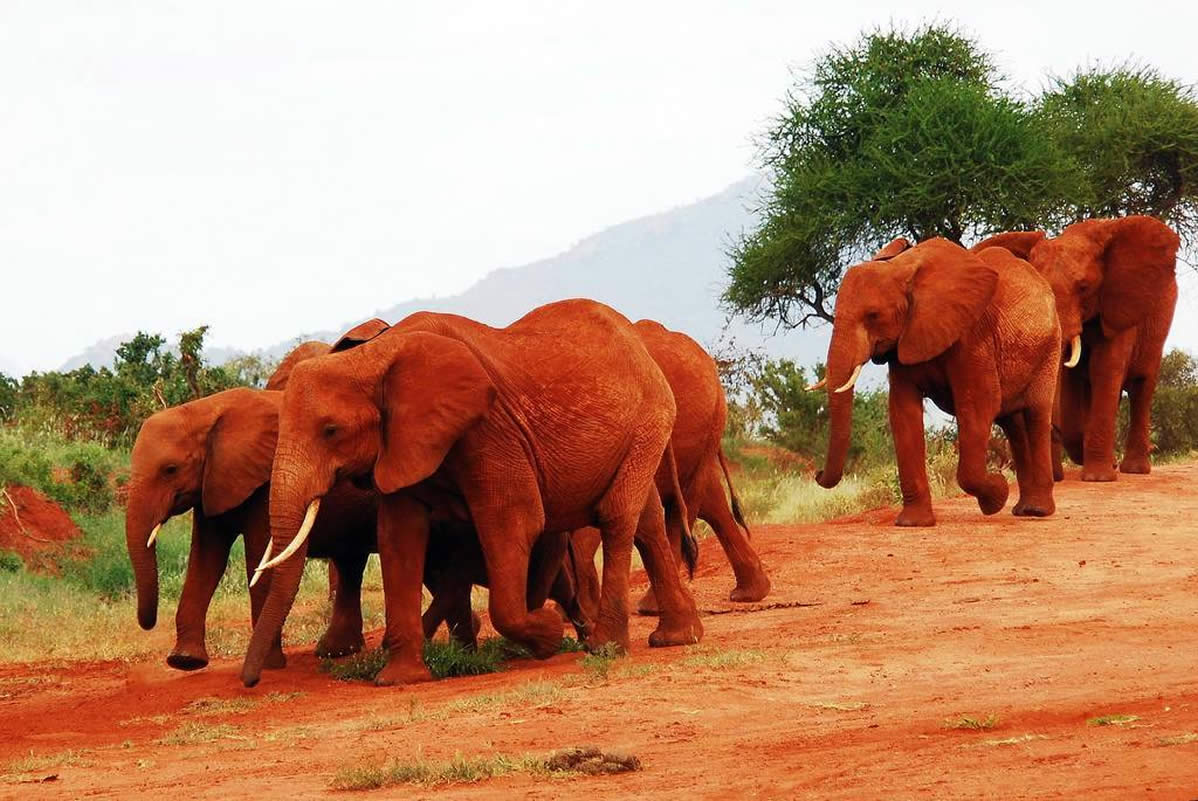
Tsavo East National Park is one of Kenya’s most vast and untamed wilderness areas — a land of red earth, wide horizons, and elephants stained rust by iron-rich dust. Famous for its enormous herds of “red” elephants and the legendary short-maned Tsavo East National Park lions, Tsavo East National Park offers a safari experience that feels raw, spacious, and refreshingly uncrowded.
Wildlife thrives across its open plains and along the life-giving Galana River. From rare species such as the Hirola (Hunter’s Hartebeest) and lesser kudu to prolific birdlife including the Somali bee-eater and Vulturine guineafowl.
Tsavo East National Park delivers remarkable biodiversity. Highlights like Aruba Dam, Galana River, Mudanda Rock, and the Lugard Falls add dramatic scenery to game drives that often unfold without another vehicle in sight. Only 2.5 hrs drive from Mombasa, holiday makers who are more inclined to beach stays find a break to visit Tsavo East National Park a worthy choice.
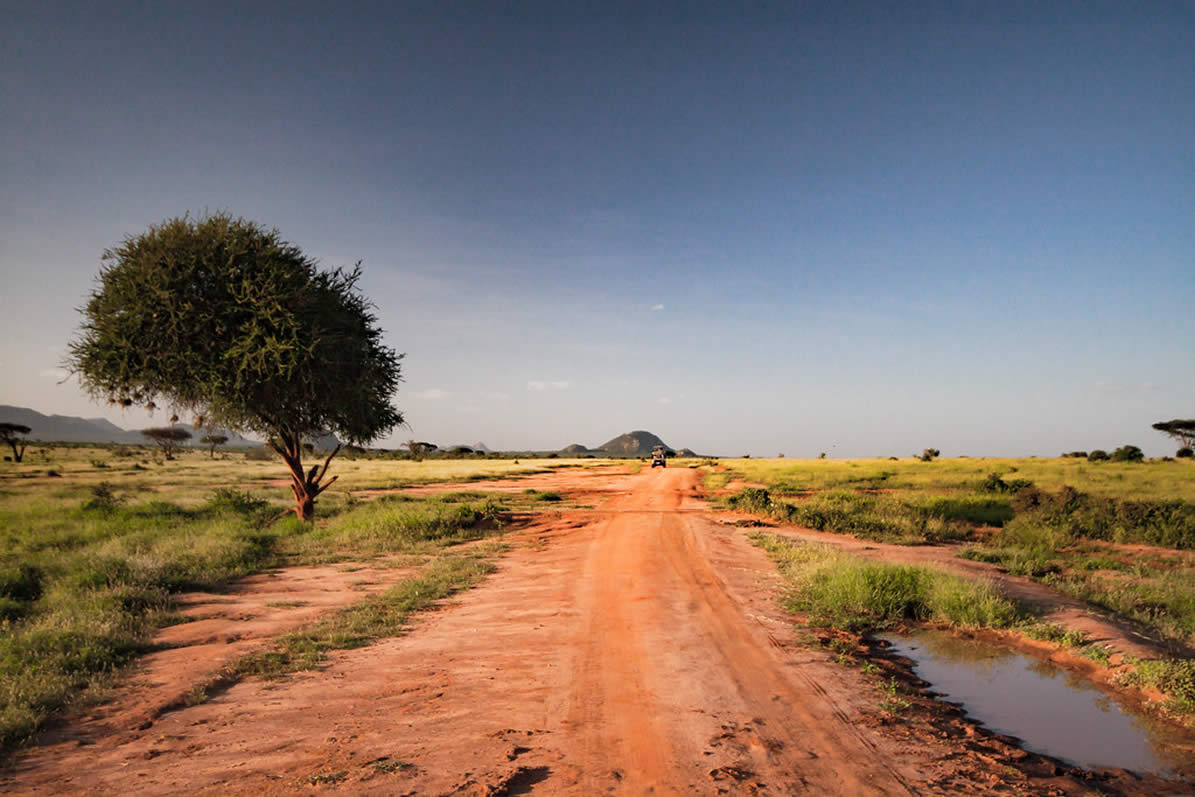
Tsavo East National Park is one of Kenya’s oldest and largest protected areas, covering approximately 13,747 square kilometres — nearly nine times the size of Maasai Mara National Reserve. Established in 1948, it lies in Taita-Taveta County near the town of Voi and is divided from Tsavo West by the Mombasa–Nairobi highway and railway line. The park is managed by the Kenya Wildlife Service (KWS).
This semi-arid wilderness was once known as the Taru Desert. Today, it forms part of a larger ecosystem that borders Chyulu Hills National Park and Tanzania’s Mkomazi Game Reserve. The landscape south of the Galana River is characterised by vast open plains, scattered bushland, red soil, baobabs and striking doum palms whose forked trunks create unique silhouettes.
Tsavo East National Park is steeped in history — from the famous “Man-Eaters of Tsavo” or man-eating lions during railway construction of colonial Kenya. Today, conservation defines the park instead of culling, and Tsavo East National Park supports one of Kenya’s largest elephant populations, estimated at over 10,000 individuals.
Because accommodation is limited and concentrated mainly near Voi, much of the park retains an offbeat, exclusive feel. It is entirely possible to enjoy extended game drives without encountering other vehicles.
Most safari game viewing in Tsavo East National Park takes place south of the Galana River in wide flat open spaces, scattered bush and red soil. The park is only separated from Tsavo West National Park by the Nairobi-Mombasa Highway.
Tsavo East National Park offers space — real space. The sweeping plains, wide panoramas, and open skies create a classic East African safari atmosphere far removed from crowded circuits.
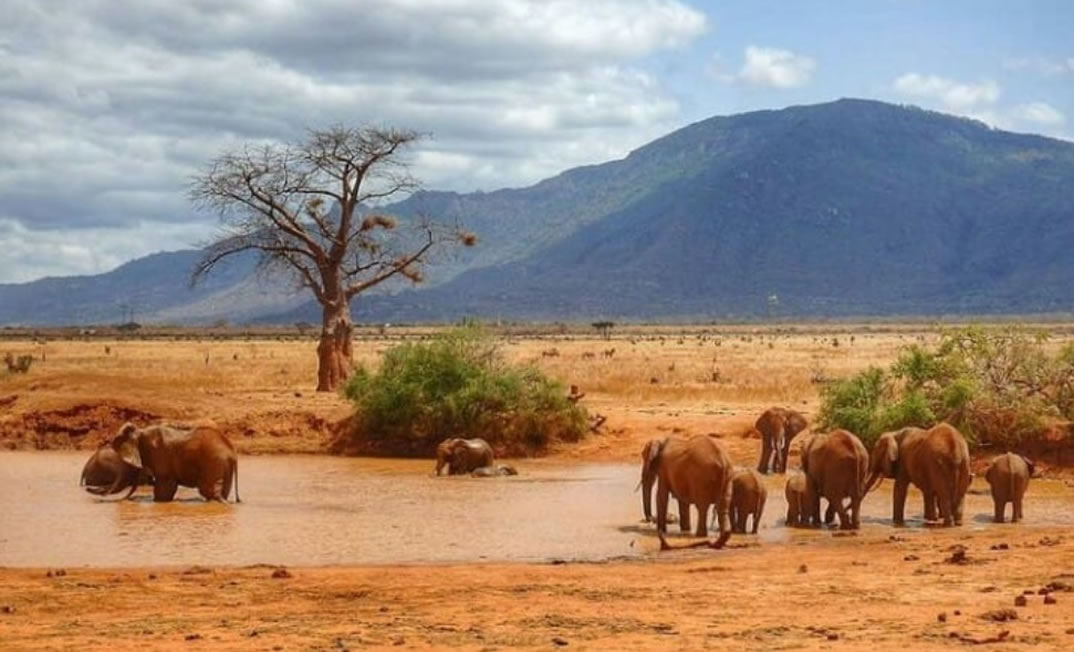
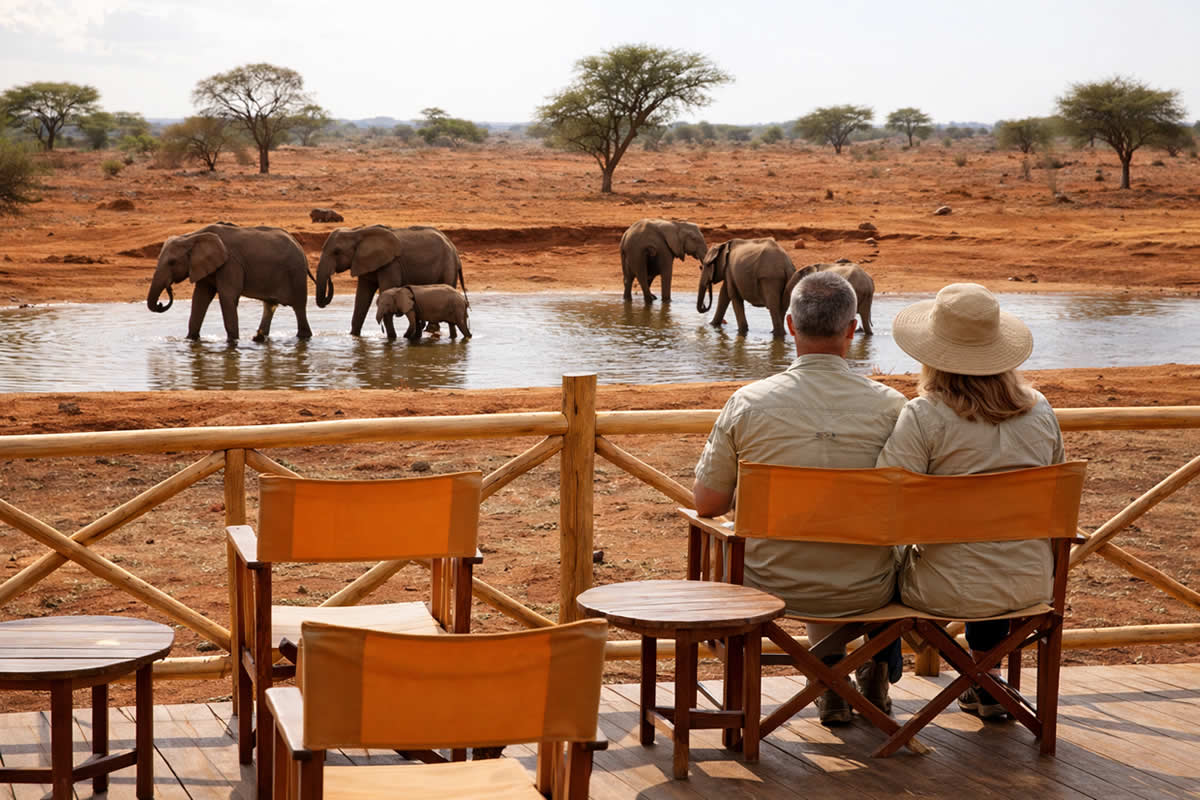
The park’s famous red elephants are among the most photographed in Africa. Large herds regularly move across rivers and open plains in dramatic fashion.
Wildlife sightings are excellent, with near-guaranteed encounters with:
Elephant
Lion (including the distinctive short-maned Tsavo lions)
Giraffe
Zebra
Buffalo
Eland, Oryx & Gerenuk
Spotted hyena
With luck, you may also spot leopard, cheetah, striped hyena, and the rare Hirola.
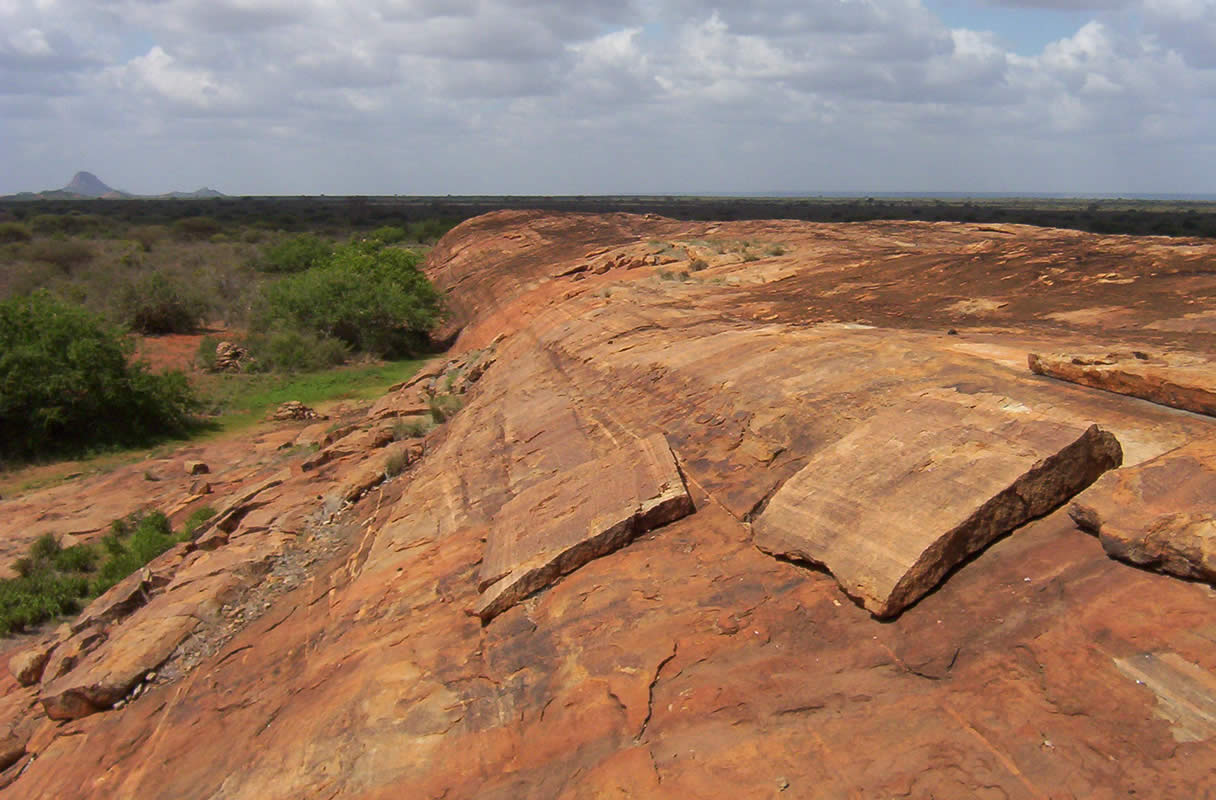
Mudanda Rock – A massive sandstone inselberg forming a natural water catchment that attracts large numbers of wildlife.
Yatta Plateau – One of the world’s longest lava flows, stretching nearly 300km along the Athi-Galana River.
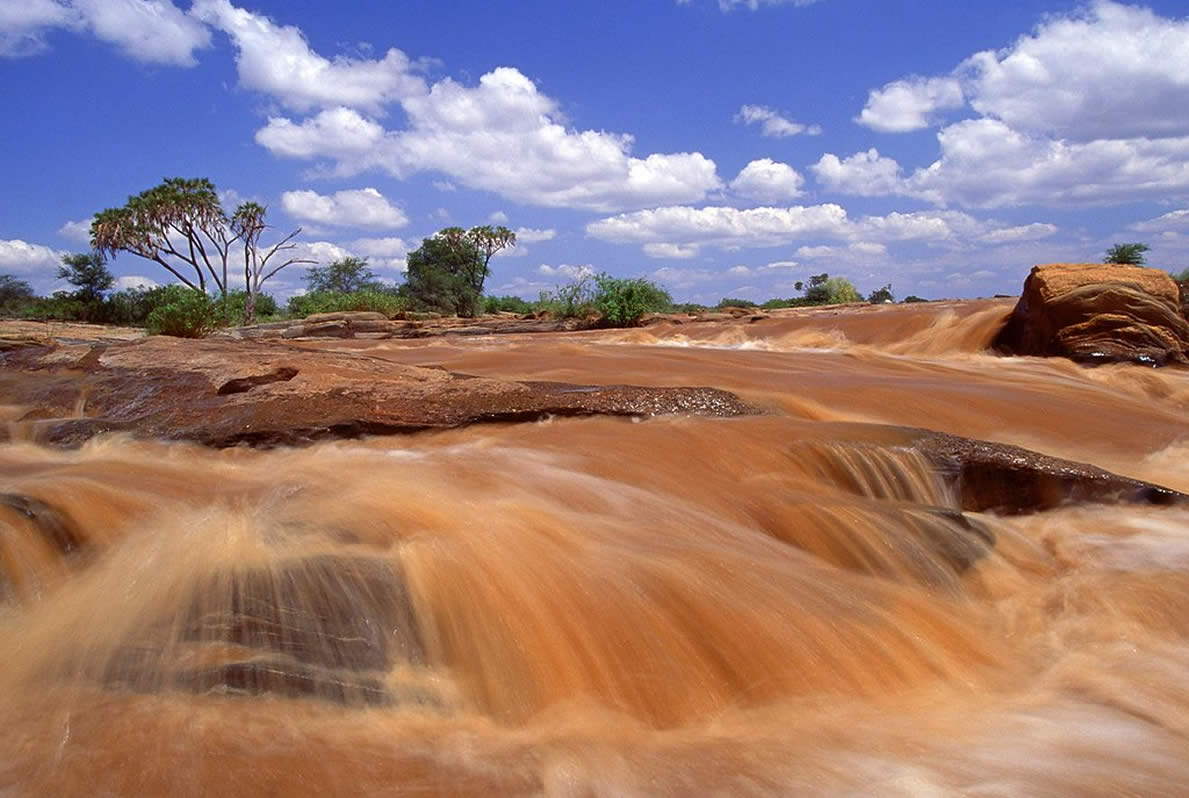
Lugard Falls – A series of rapids and sculpted rock formations on the Galana River.
Aruba Dam & Crocodile Point – Reliable wildlife gathering areas and excellent photography spots.
Tsavo East National Park is ideal for full-day explorations with picnic lunches. Early departures and late returns maximise sightings and allow deeper immersion into this expansive ecosystem.
The 10,000-acre private Ngutuni Sanctuary, bordering Tsavo East on three sides, offers a more intimate safari experience with excellent wildlife density and the unique opportunity for night game drives — rare within the greater Tsavo ecosystem.
A favourable appointed spot is the Ngutuni Lodge where animal viewing across the waterhole from the relax deck is a real ‘Africanized’ wild sundowner.
Accommodation in Tsavo East is limited and relatively spread out, contributing to the park’s exclusivity.
Satao Camp
Galdessa Camp
Galana Kulalu Camp
These offer classic tented safari experiences with excellent guiding and secluded locations.
Ngutuni Lodge (Ngutuni Sanctuary)
Overlooking a busy waterhole, Ngutuni Lodge is well positioned for wildlife viewing and offers access to night drives within the sanctuary.
Ashnil Aruba Lodge
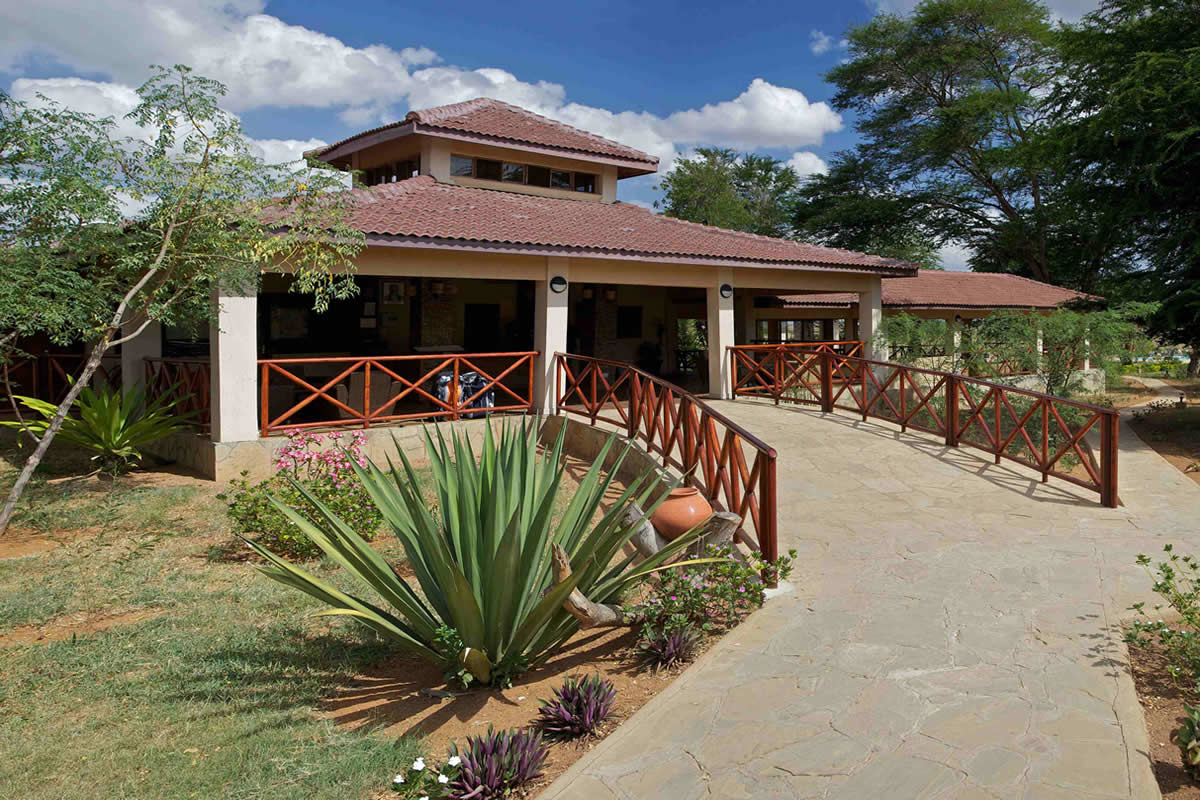
Perched just outside the eastern boundary of Tsavo East National Park near Aruba Dam, Ashnil Aruba Lodge offers relaxed comfort with excellent wildlife viewing right on your doorstep. Set amid shady acacia and by natural waterholes, the lodge blends African charm with accessible safari amenities — ideal for travellers who want a laid-back base without compromising on atmosphere or game sightings
Man Eaters Camp
Comfortable tents along the Tsavo River, just outside the park boundary but a short drive from the Manyani/Tsavo River Gates. Guests enjoy close wildlife views and easy access for game drives into Tsavo East and West large sections of the park beautifully remote.
Tsavo East lies approximately 325 km southeast of Nairobi.
The drive takes about 5 to 6 hours via the Nairobi–Mombasa Highway (A109).
Common entry points from this direction include Manyani Gate and Voi Gate.
From Mombasa, the park is approximately 110–120 km away, taking 2 to 3 hours by road.
The primary coastal access point is Buchuma Gate.
Tsavo East and Tsavo West are adjoining parks.
Access between them is via Tsavo River Gate, with travel time depending on location within the parks.
Travel from Amboseli National Park typically takes 4 to 5 hours by road, usually connecting through Tsavo West before entering Tsavo East.
Tsavo East is served by several airstrips including Voi, Aruba, Satao and Ithumba.
Scheduled and charter safari flights operate from Nairobi’s Wilson Airport and from the Kenyan coast.
Main entry gates include Buchuma, Voi, Manyani and Aruba.