biodiversity, endemic species and its spectacular canopy walkway, suspended about 70 metres above the forest floor and stretching 200 metres across the treetops.
Nyungwe is home to more than 1,000 plant species, including orchids, as well as habituated chimpanzees and 12 other primate species such as the striking black-and-white colobus monkey, which can gather in troops of over 400 individuals.
The park is also a paradise for birdwatchers with more than 310 bird species recorded, including 27 Albertine Rift endemics such as the Ruwenzori Turaco, Ruwenzori Double-collared Sunbird and Grauer’s Swamp Warbler.
In eastern Rwanda lies Akagera National Park, a beautiful savannah reserve that offers classic African wildlife safaris. The park is home to the Big Five — lions, elephants, rhinos, buffalo and leopards — along with giraffes, zebras, antelope and numerous bird species.
Game drives through open plains and rolling hills provide excellent wildlife viewing opportunities, while boat safaris on Lake Ihema offer a chance to see hippos, crocodiles and water birds up close.
Located in the volcanic region near Volcanoes National Park, the Musanze Caves are estimated to be around 65 million years old. They were formed by ancient lava flows that helped shape the Albertine Rift Valley.
The caves offer an easy hiking experience of about two kilometres through dramatic rock formations and multiple entrances created by roof collapses. Inside, visitors experience deep silence broken only by the drip of water and the flutter of bat wings echoing through the cavern.
Near Volcanoes National Park lies Buhanga Sacred Forest, a hidden gem of great ecological and cultural importance. According to local tradition, this ancient forest was once used for the coronation rituals of Rwandan kings.
Today visitors can explore scenic walking trails built from cut lava stones while learning about the myths and legends associated with the forest. The area is home to majestic dragon trees, colourful butterflies and a variety of bird species.
Rwanda produces some of the finest tea and coffee in the world. The country’s high-altitude landscapes, cool climate and fertile volcanic soil create ideal conditions for growing premium coffee and tea.
Karongi (formerly Kibuye) lies on the shores of Lake Kivu in western Rwanda and is widely considered one of the most beautiful towns along the lake. Located about 100 kilometres south of Rubavu, it is an ideal place for relaxation and lakeside recreation.
Visitors can enjoy pristine beaches, clear waters and scenic islands. Popular activities include visiting Napoleon Island, home to thousands of fruit bats, joining local fishermen for night fishing in traditional boats, or exploring Amahoro Island — often called “One Bar Island.”
The region also offers hiking, kayaking and cycling along the scenic Congo Nile Trail, as well as visits to the Bisesero Genocide Memorial which overlooks Lake Kivu.
Rwanda’s location within the Albertine Rift and its diverse habitats make it one of Africa’s most rewarding birding destinations. Despite covering only 26,338 square kilometres, the country boasts over 700 bird species — one of the highest concentrations per square kilometre in Africa.
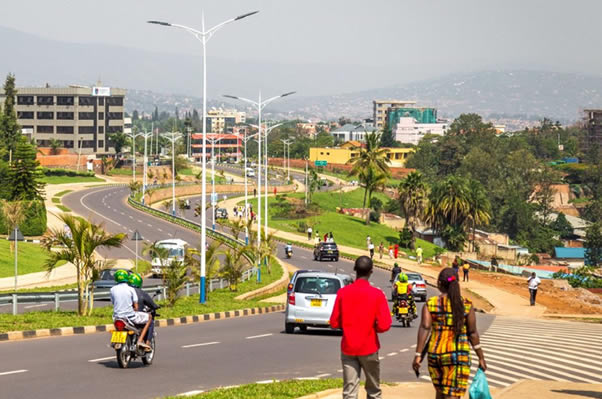
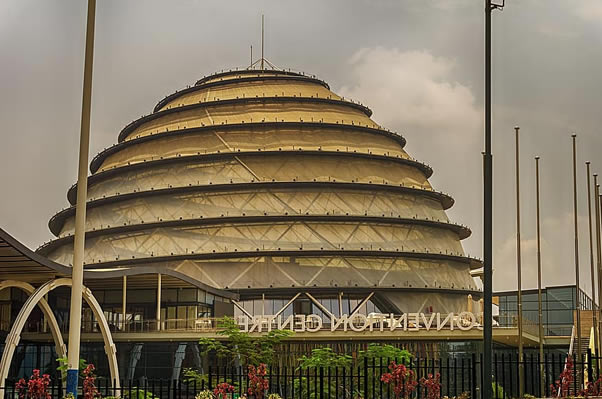
Rwanda’s capital city, Kigali, is the vibrant cultural and economic centre of the country. Known for its cleanliness, safety and modern atmosphere, Kigali offers visitors a mix of history, culture and contemporary city life. Highlights include the Kigali Genocide Memorial, museums, art galleries, lively markets and excellent dining experiences.

Situated in the far northwest of Rwanda, Volcanoes National Park protects the steep slopes of the Virunga mountain range and is world-famous as the home of the endangered mountain gorilla.
Volcanoes National Park is named after the chain of dormant volcanoes that form the Virunga Massif: Karisimbi (the highest at 4,507m), Bisoke with its beautiful crater lake, Sabinyo, Gahinga and Muhabura.
Trekking through the rainforest to encounter mountain gorillas is one of the most extraordinary wildlife experiences on earth. The forests are also alive with colourful birds and the calls of the rare golden monkey.
Located in southwestern Rwanda, Nyungwe National Park protects one of Africa’s oldest and largest mountain rainforests. The park is internationally recognized for its
Size: Rwanda covers approximately 26,338 square kilometres.
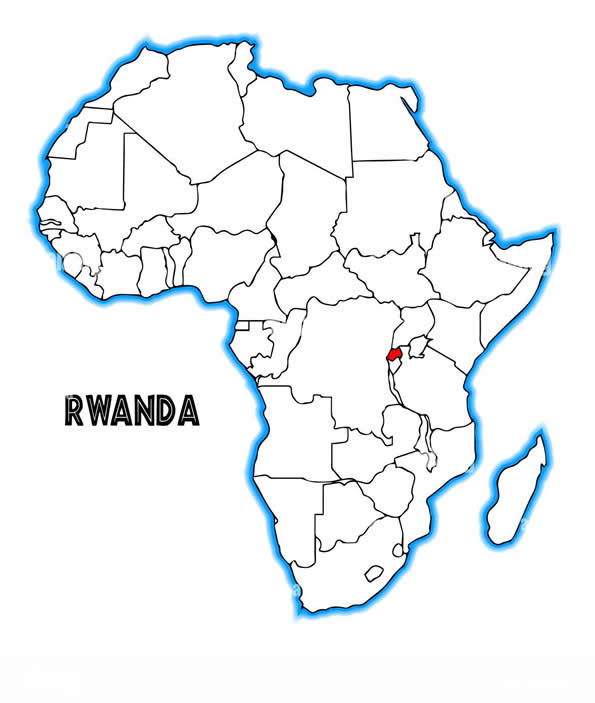
Location: Rwanda lies in East-Central Africa in the Great Lakes region. It is bordered by Uganda to the north, Tanzania to the east, Burundi to the south and the Democratic Republic of the Congo to the west.
Coordinates: Approximately 1.94° South latitude and 29.87° East longitude.
Population: Rwanda has an estimated population of about 13–14 million people.
Kigali is Rwanda’s capital and largest city, located near the geographical centre of the country. Built across several hills, the city is known for its cleanliness, safety and modern infrastructure. Kigali is the main gateway for tourism in Rwanda and home to important attractions such as the Kigali Genocide Memorial, local markets, museums and vibrant art centres.
Often called the “Land of a Thousand Hills,” Rwanda is characterized by rolling hills, fertile valleys, mountains and lakes. The country’s diverse landscapes include the volcanic Virunga Mountains in the north, the tropical rainforests of Nyungwe in the southwest and the savannah plains of Akagera in the east. Lake Kivu, one of Africa’s Great Lakes, stretches along Rwanda’s western border and offers scenic beaches and lakeside towns.
Rwanda is internationally recognized for its conservation success, particularly the protection of endangered mountain gorillas in Volcanoes National Park. Visitors can also track chimpanzees in Nyungwe Forest National Park or enjoy traditional wildlife safaris in Akagera National Park, home to lions, elephants, rhinos, buffalo and leopards. Tourism revenue plays an important role in supporting conservation and local communities.
The people of Rwanda share a strong national identity and rich cultural heritage. The main ethnic groups are Hutu, Tutsi and Twa. Rwanda’s official languages are Kinyarwanda, English, French and Swahili. Christianity is the predominant religion, with small Muslim communities and traditional beliefs also present.
Rwanda enjoys a pleasant tropical highland climate due to its elevation. Temperatures generally range between 20°C and 27°C throughout the year. The main rainy seasons occur from March to May and from October to November. The best time to visit is during the dry seasons from June to September and from December to February, when conditions are ideal for gorilla trekking and wildlife viewing.
The official currency is the Rwandan Franc (RWF). Major hotels and tour operators may accept US dollars, but local transactions are typically conducted in the local currency.
Visitors should ensure routine vaccinations are up to date. A yellow fever certificate may be required depending on the country of origin. Malaria prevention is recommended, and travellers should consider comprehensive travel insurance. Modern medical facilities are available in Kigali, though services may be limited in rural areas.
Many visitors can obtain a visa on arrival in Rwanda. Travellers may also apply online for an e-visa. The East Africa Tourist Visa allows travel between Rwanda, Kenya and Uganda on a single visa. Passports should generally be valid for at least six months beyond the date of entry.
Rwandans value neatness and modesty in dress. Smart casual clothing is appropriate in cities, while modest attire is recommended in rural areas and when visiting religious sites. Visitors are encouraged to ask permission before photographing people and to show respect for local customs and public spaces.
Rwanda is widely regarded as one of the safest countries in Africa for travellers. Crime rates are relatively low and security is strong. Visitors should still take normal precautions such as avoiding poorly lit areas at night, using registered taxis and following park regulations when visiting wildlife areas.