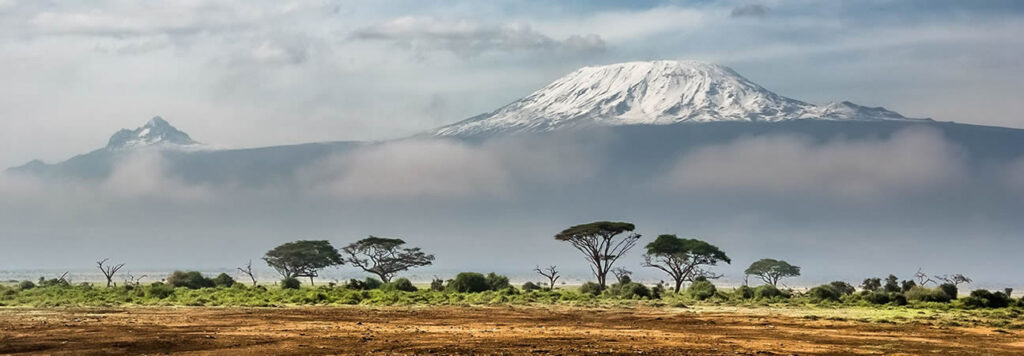
Amboseli National Park is an alluring and celebrated South Rift gem, famed for its immense elephant herds, home to the red-clad Maasai people and for the dramatic views of Mount Kilimanjaro.
Its strategic location makes it an easy safari extension to Tsavo West, Tsavo East, Taita Hills Game Sanctuary, and the Chyulu Hills. The park’s management changed hands from the Kenya Wildlife Service to the Kajiado County Government
Amboseli National Park is exceptionally well supported for fly-in safaris, with access via Amboseli Airstrip and Kimana Airstrip, offering seamless connections for luxury and time-conscious travellers.
Nairobi to Amboseli National Park gates is approximately 230–240 kilometres, with a typical driving time of 4–5 hours depending on route and traffic. The most commonly used access routes are via the Nairobi–Mombasa Road through Emali to Kimana Gate, or via Namanga to Meshanani Gate. Key entry gates into the park include Kimana, Iremito, Meshanani, Kulunyiet, and Kitirua, allowing flexible access from multiple regions.
Amboseli National Park is a must-visit destination on any Kenya safari. Compare budget-oriented tours which include:
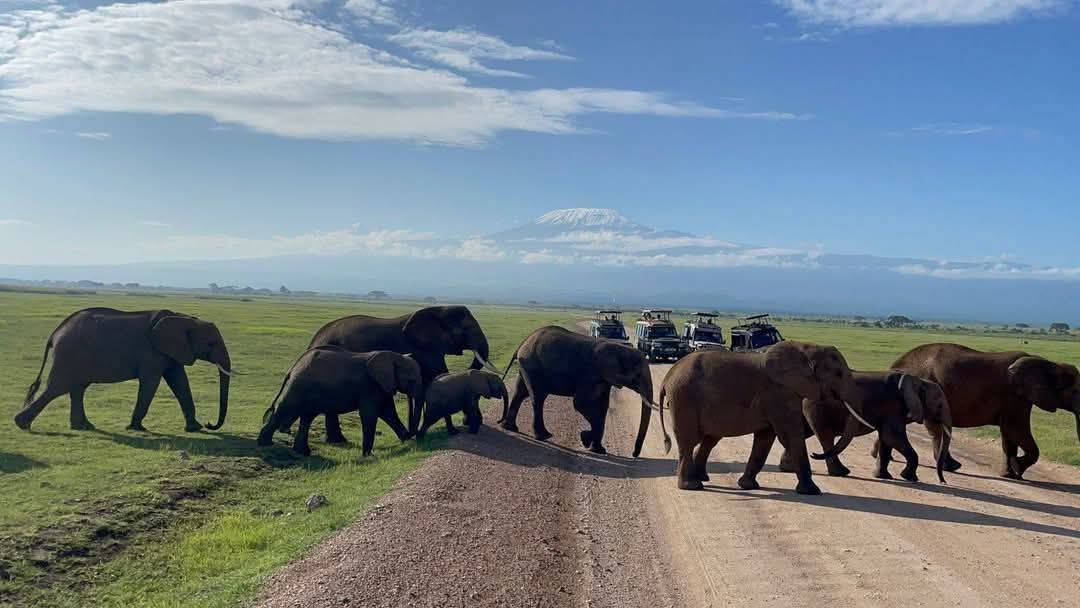
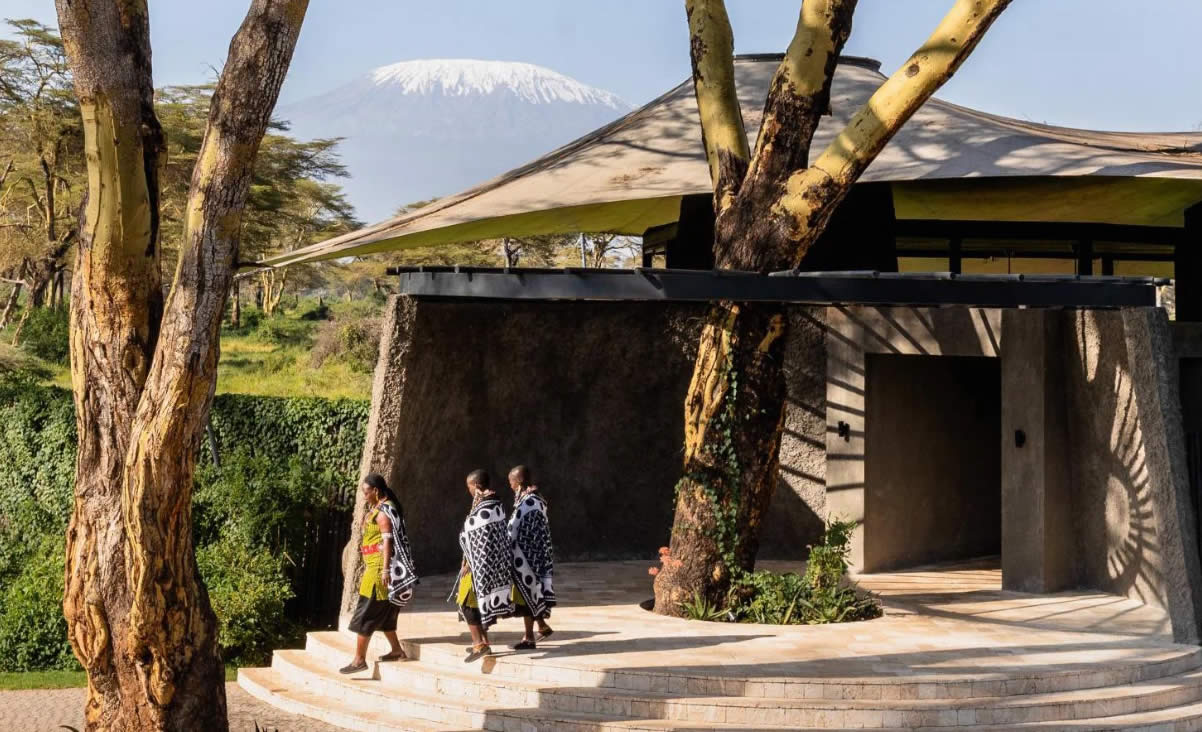
Amboseli National Park is an alluring and celebrated South Rift gem, famed for its immense elephant herds, home to the red-clad Maasai people and for the dramatic views of Mount Kilimanjaro.
Its strategic location makes it an easy safari extension to Tsavo West, Tsavo East, Taita Hills Game Sanctuary, and the Chyulu Hills. The park’s management changed hands from the Kenya Wildlife Service to the Kajiado County Government
Amboseli National Park is exceptionally well supported for fly-in safaris, with access via Amboseli Airstrip and Kimana Airstrip, offering seamless connections for luxury and time-conscious travellers.
Nairobi to Amboseli National Park gates is approximately 230–240 kilometres, with a typical driving time of 4–5 hours depending on route and traffic. The most commonly used access routes are via the Nairobi–Mombasa Road through Emali to Kimana Gate, or via Namanga to Meshanani Gate. Key entry gates into the park include Kimana, Iremito, Meshanani, Kulunyiet, and Kitirua, allowing flexible access from multiple regions.
Amboseli National Park is relatively small, covering about 392 square kilometers (151 square miles). Renowned as one of Kenya’s most photogenic parks, it offers breathtaking vistas of Mt. Kilimanjaro, Africa’s highest peak. Amboseli is famous for its vast herds of elephants and is home to the Amboseli Trust for Elephants, led by Dr. Cynthia Moss, author of “The Amboseli Elephants and Elephant Memories.”
The name “Amboseli” comes from the Maasai word meaning “salty dust.” Amboseli National Park is one of Africa’s best locations to see large elephant herds up close.
Visitors can explore varied habitats, including the dried-up bed of Lake Amboseli, wetlands with sulphur springs, savannahs, and woodlands. The park supports rich biodiversity, making it a haven for nature lovers and birdwatchers.
The Maasai communities surrounding Amboseli National Park offer authentic cultural experiences, allowing visitors to learn about traditional customs and daily life.
The nearby conservancies of Elerai, Selenkay, and Kitirua provide extended stays with an offbeat serenity while contributing to conservation and sustainable tourism.
Covering 40 km² just east of the park, Elerai hosts Satao Elerai Camp, the closest lodge to Kilimanjaro. Exclusive game drives are available within the conservancy and the park.
Founded by Jake Grieves-Cook in the 1990s to restore wildlife and habitat, Selenkay is a Maasai community-led protected area showcasing successful sustainable tourism.
Spanning 120 km², Kitirua includes Elewana Tortilis Camp, set on a low hill by a waterhole. Guests enjoy panoramic Kilimanjaro views and high-end safari experiences.
The best time to be in Amboseli National Park is during the dry season (June–October) and is most ideal for wildlife viewing. Wet season offers lush landscapes, fewer tourists, and excellent photography opportunities. Early morning and late afternoon are best for wildlife sightings.
Amboseli National Park delivers classic African safaris with iconic elephant herds, Mount Kilimanjaro backdrops, authentic Maasai culture, and conservation-led experiences rooted in long-term ecological protection.
Amboseli stands at the forefront of African wildlife research and community-based conservation. The Amboseli Elephant Trust is one of the world’s longest-running elephant research programs, dedicated to science-based conservation, elephant welfare, and community engagement across the ecosystem.
The Big Life Foundation supports conservation across the Greater Amboseli ecosystem through a locally recruited ranger force protecting nearly two million acres. With over 340 rangers, their work focuses on anti-poaching operations, habitat protection, and mitigating human-wildlife conflict — forming the operational backbone of conservation in the region.
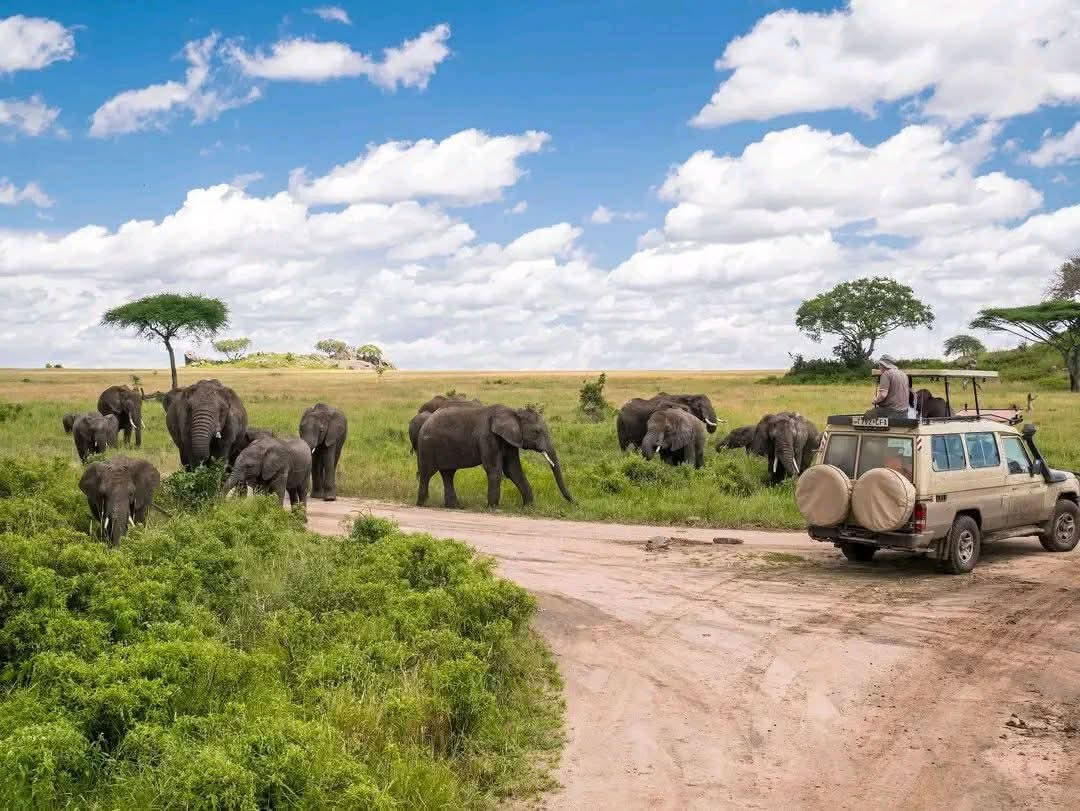
Amboseli National Park is world-renowned for large, free-ranging elephant herds seen at close range. The open plains and swamps allow exceptional visibility and some of Africa’s most intimate elephant photography.
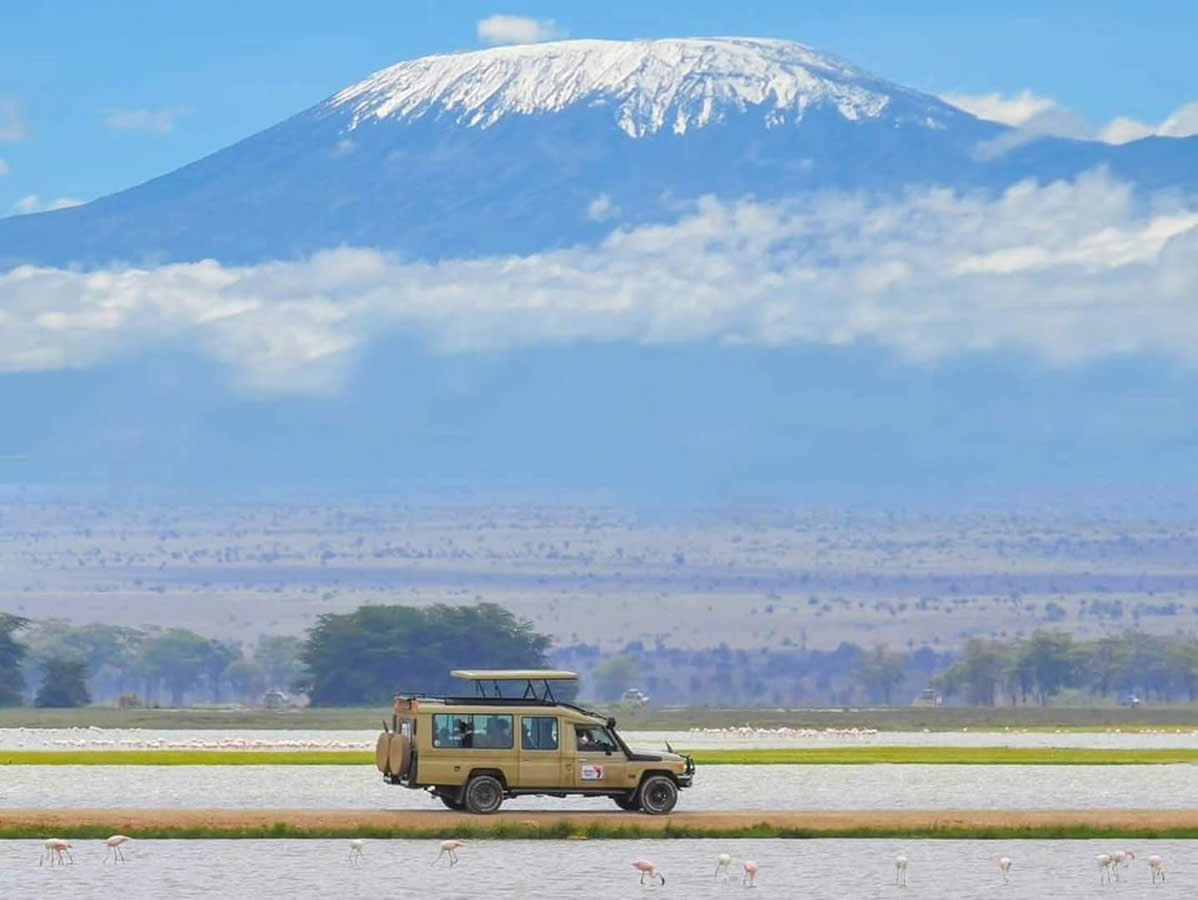
Africa’s highest mountain provides one of the continent’s most dramatic safari landscapes. Clear mornings reveal snow-capped peaks rising above elephant herds — an unmistakable Amboseli image.
Lions, cheetahs, buffalo, giraffes, zebras, hippos, and diverse plains wildlife inhabit the park. Seasonal wetlands sustain life even during dry months, concentrating animals around permanent swamps.
Savannah grasslands, dry lake beds, sulphur springs, permanent swamps, and acacia woodlands create varied ecosystems that support a remarkable range of species within a compact, accessible area.
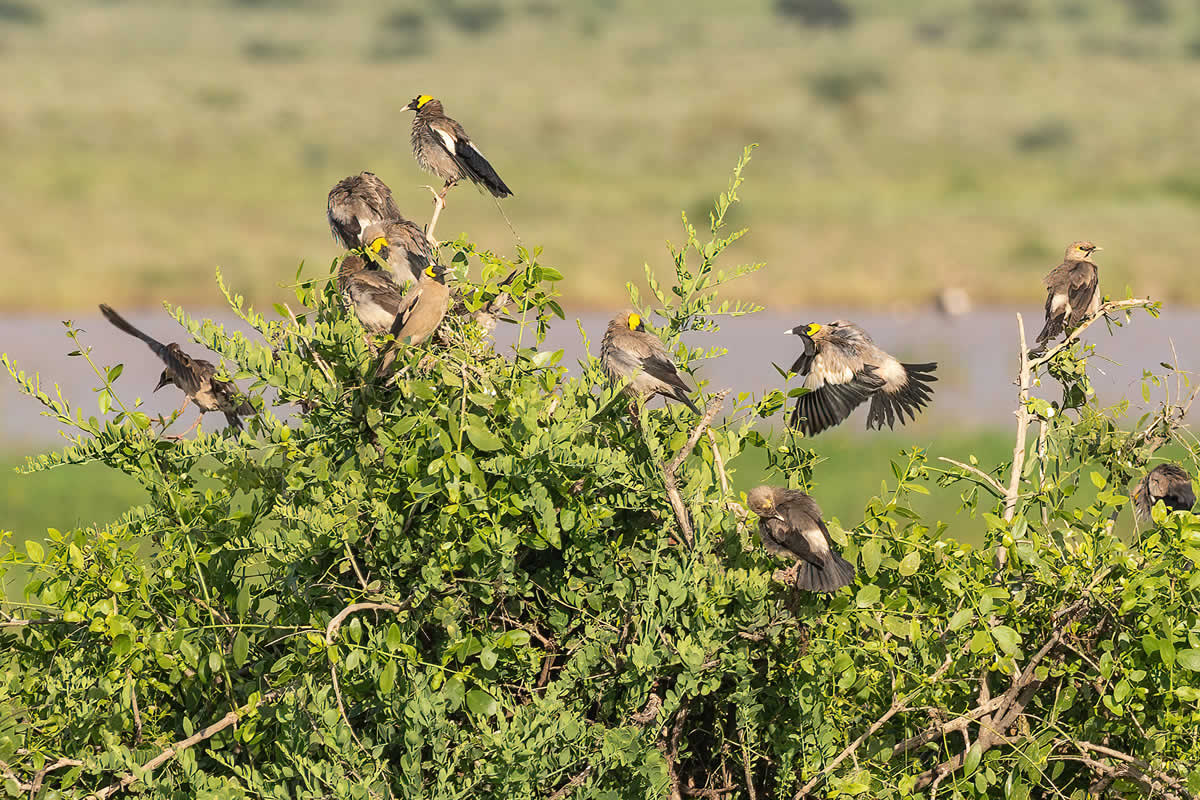
Amboseli supports over 400 recorded bird species, making it rewarding for both casual observers and specialist birders.
Best Overall Birdwatching Season: November to April
Peak Diversity Window: January to March
During these wetter months:
Still excellent for raptors, concentrated waterbirds around permanent swamps, and easier wildlife visibility due to shorter vegetation.
Meaningful interactions with Maasai communities living around the park provide cultural depth and insight into traditional pastoral life coexisting with wildlife.
Elerai, Selenkay, and Kitirua conservancies extend wildlife protection beyond park boundaries while supporting local livelihoods through responsible tourism.
Ideal for families, couples, photographers, researchers, conservation-minded travellers, and specialist birders.
A wide range of lodges and camps cater to standard, comfort, best-value, and luxury travellers.
Accommodation in Amboseli ranges from simple budget camps to exclusive luxury lodges set against the backdrop of Mount Kilimanjaro. Each category offers a different balance of comfort, experience, and location within or near the park.
If you choose an Amboseli Safari, we have provided information on carefully selected range of properties we recommend based on value, location, guest experience, and quality of service offered.
All options can be tailored depending on your travel style, budget, and preferred level of comfort.
A practical and affordable safari camp offering essential comfort and reliable access to Amboseli National Park, ideal for budget-conscious travellers.
A reliable mid-range lodge offering good amenities and convenient access to Amboseli National Park.
The Difference: Sentrim offers a slightly more natural, spaced-out layout with classic canvas-over-solid-frame structures. AA Lodge is heavily built up with a concrete-and-brick layout that works brilliantly for guests who just want a clean bed, a hot shower, and a swimming pool after a long drive.
A relaxed mid-range lodge with spacious rooms and a classic safari atmosphere close to the park.
A well-established tented camp offering comfort, good facilities, and excellent wildlife access.
An eco-style tented camp with scenic views of Mount Kilimanjaro and a peaceful safari atmosphere.
A boutique tented experience combining comfort, privacy, and a close-to-nature safari feel.
The Difference: Amboseli Sopa is a sprawling, traditional, family-friendly brick-and-mortar property. It is older and very large, making it excellent for incentive groups, families, and older travelers who want a solid base but find tented structures intimidating. Set within an acreage of 200 acres with well-manicured gardens and large swimming pools.
Kilima Camp is also a large, highly reliable commercial tented camp located right outside Kimana Gate. It provides a standard, comfortable safari experience with good Kilimanjaro views from the raised decks. Kilima offers a more rustic, classic bush-camp atmosphere centered around nature and open vistas as compared to Sopa.
Little Amanya (The Suite) is a much smaller, quirky, and highly stylized boutique option. It is great for younger travelers, honeymooners on a budget, who appreciate creative layout designs over a classic bush aesthetic.
Kibo Safari Camp has grown massive (well over 70 tents). It operates like a high-density, commercial facility right outside the Kimana gate
It sits in its own private conservancy, features beautiful eco-cottages, and serves excellent food. It is highly recommended for couples wanting a quieter, premium feel without paying prices of boutique facilities.
One of Amboseli’s most iconic lodges, famous for elephant viewing right from the property.
An iconic lodge offering refined comfort, excellent service, and strong wildlife viewing within the Amboseli ecosystem.
A stylish safari lodge in a private conservancy offering exclusivity and excellent game viewing.
The Difference: Drivers/guides and guests are saved from morning gate traffic due to its proximity to the park gate. Ol Tukai has the absolute best, classic postcard views of elephants grazing directly in front of Kilimanjaro. The yellow fever trees and phoenix date palms offer a striking cover for this lodge.
Serena offers a more refined, culturally styled architectural experience.
Satao Elerai is a low-density, wilderness-focused property that prioritizes exclusivity and vantage points. Satao Elerai is a winning card for those seeking conservancy model, intimate experience that is more price-friendly than the high-end options.
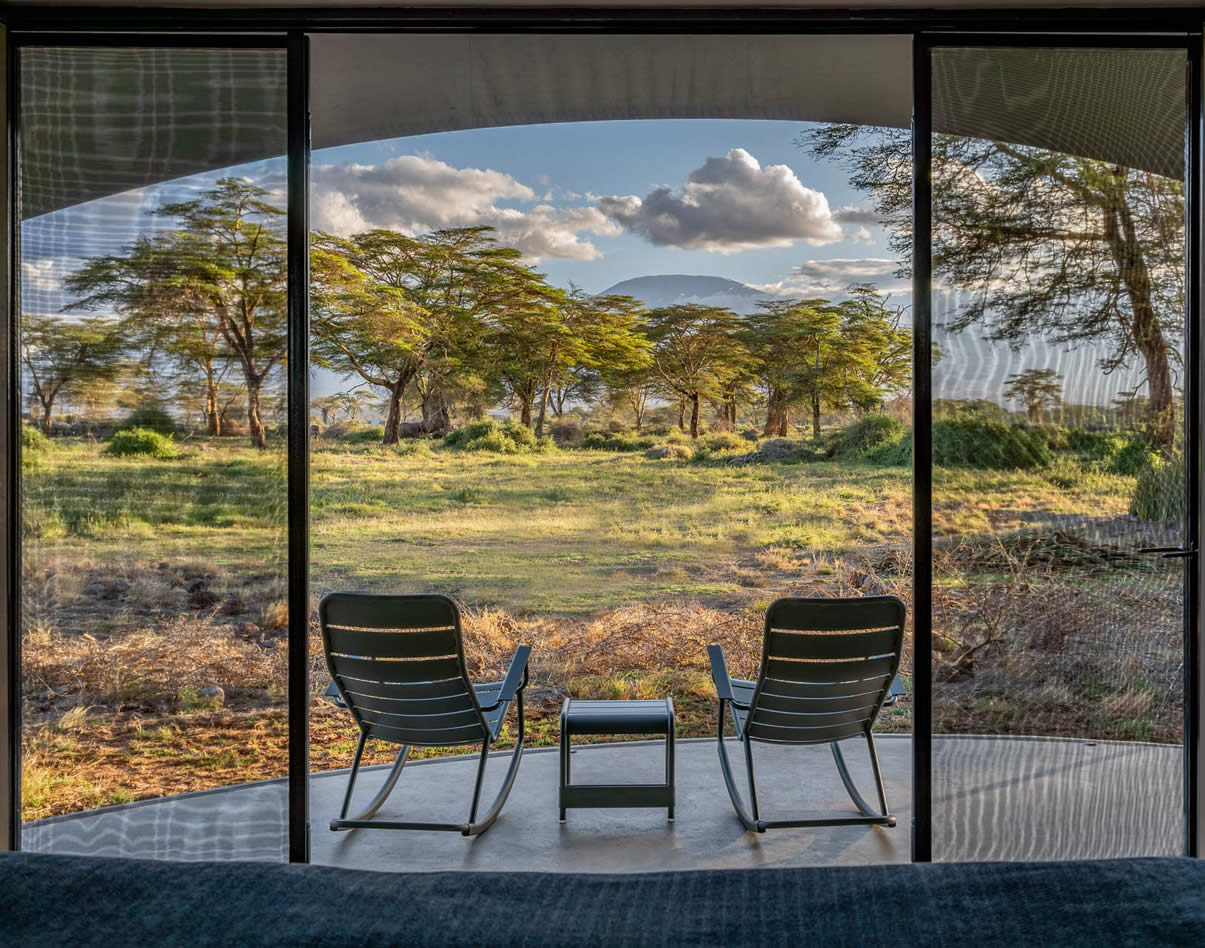
An ultra-luxury safari experience offering world-class design, privacy, and unmatched views of Mount Kilimanjaro.
A premium tented camp known for elegance, exclusivity, and some of the best Kilimanjaro views in Amboseli.
4–5 hours by road from Nairobi. Air charters available to nearby airstrips.
Managed by Kenya Wildlife Service. Permits required for certain activities, photography, and drones. Current Park Entrance Fees are $90 for adult non-residents and $45 for those between 5-17 years
Yellow fever vaccination recommended. Malaria prophylaxis advised. Carry sufficient water and sun protection. Family-friendly safari options available.
Insert embedded map or iframe here for directions.