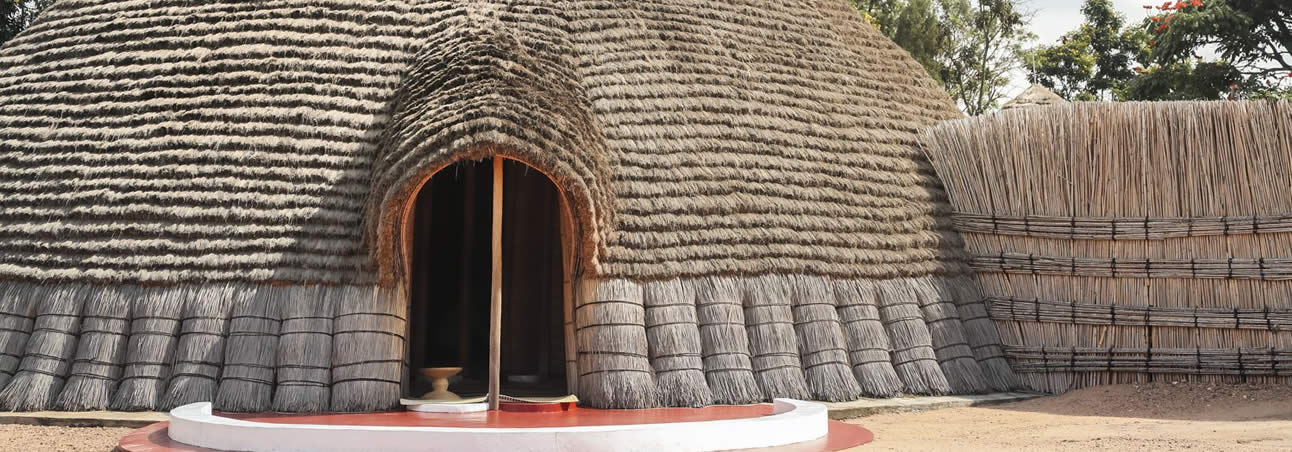
Explore Rwanda’s rich cultural heritage through the vibrant route connecting Nyanza, Huye, Kamonyi, Muhanga, and Ruhango. This journey offers a deep dive into the country’s history, traditions, and artistic heritage.
In Nyanza Town, visitors can marvel at the King’s Palace Museum, a symbol of Rwanda’s royal past, famous for its traditional architecture and the majestic Inyambo cows. Nearby, the National Art Gallery showcases contemporary Rwandan artistry, reflecting the country’s creative spirit.
Huye is home to the Ethnographic Museum, one of Africa’s finest collections of cultural artifacts. It provides an in-depth look into Rwanda’s diverse customs, traditions, and history, making it a must-visit for cultural enthusiasts.
Further along, Kamonyi features sites like Ijuru rya Kamonyi, the former King’s residence, and Kamageri’s Rock, offering travelers a glimpse into Rwanda’s royal and spiritual heritage. In Muhanga, the Azizi Life Center promotes traditional crafts and activities, while the historic Kabgayi Basilica stands as a testament to the country’s religious history.
Finally, Ruhango hosts the Yezu Nyirimpuhwe sanctuary, a peaceful site of spiritual significance. This route offers an authentic experience of Rwanda’s vibrant cultural landscape, perfect for those seeking meaningful and inspiring tourism.
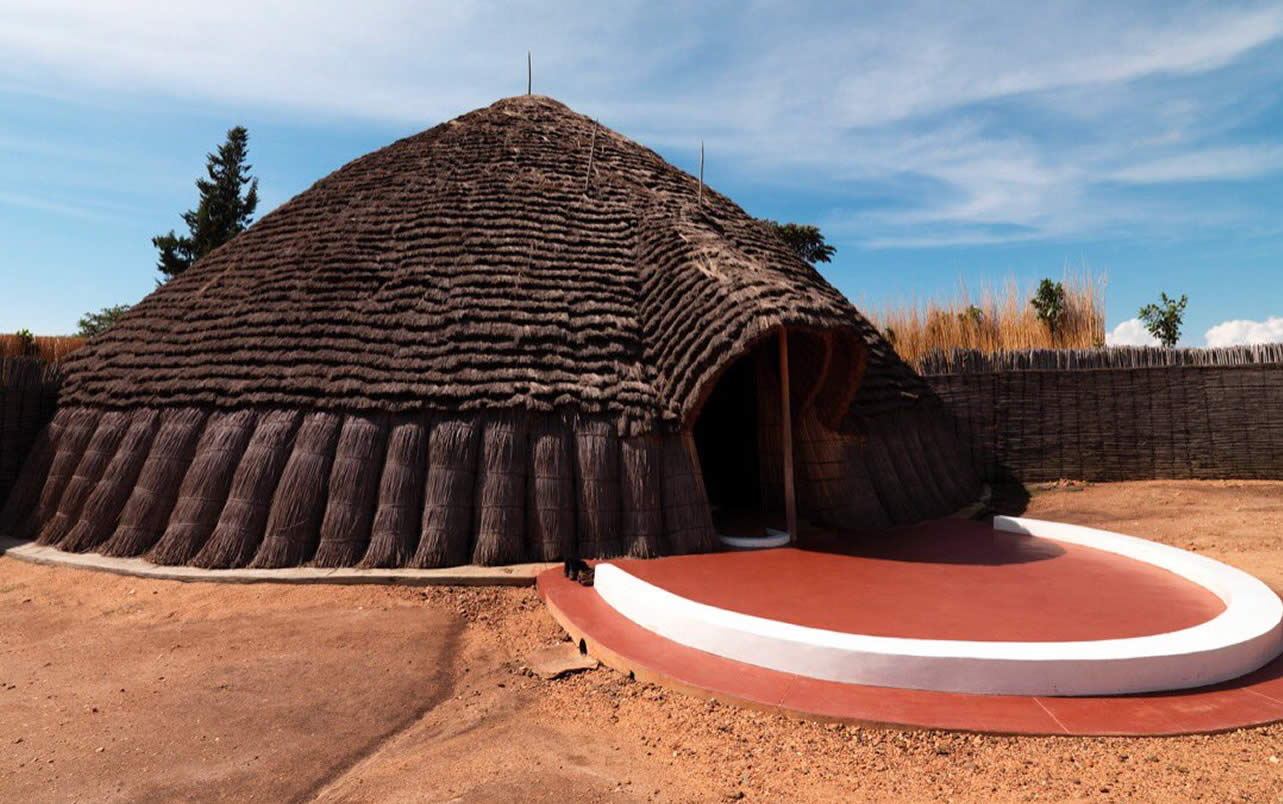
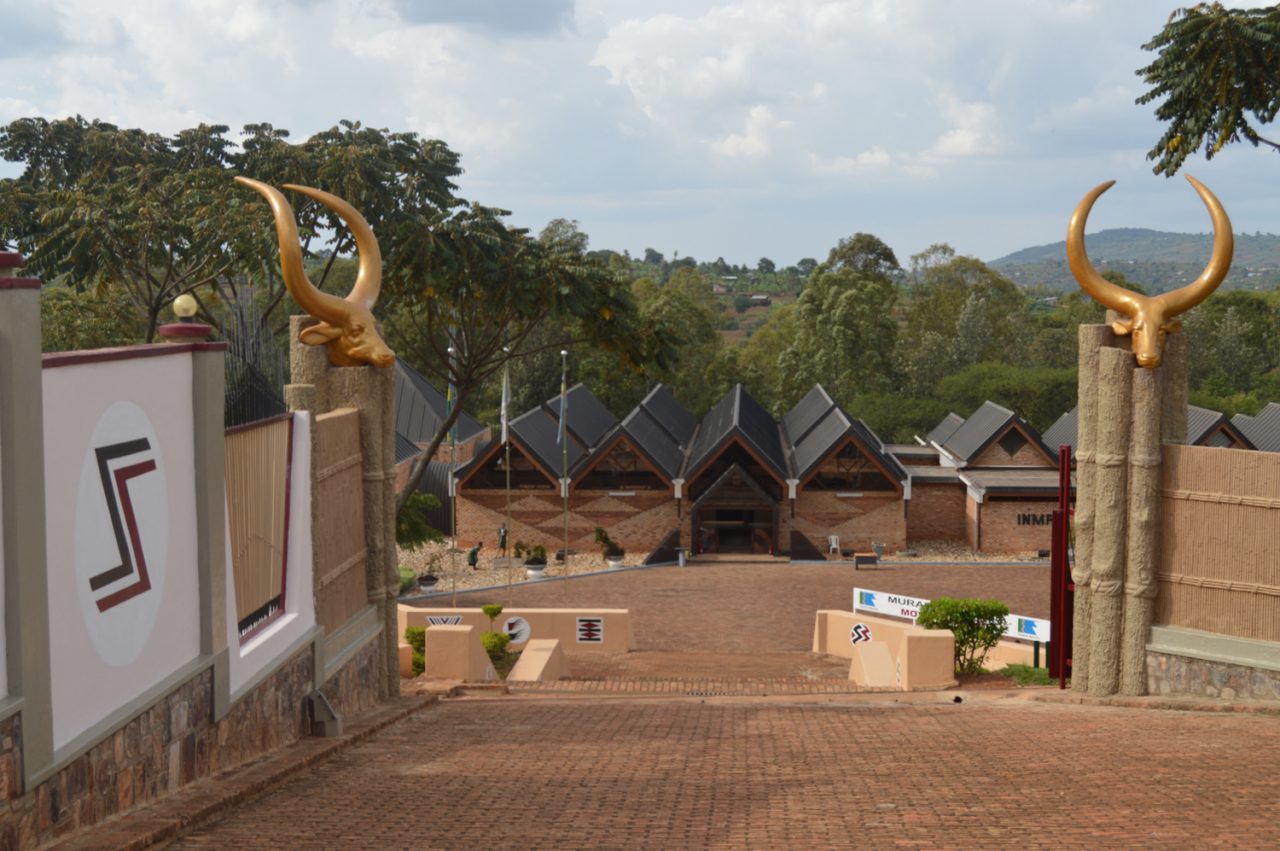
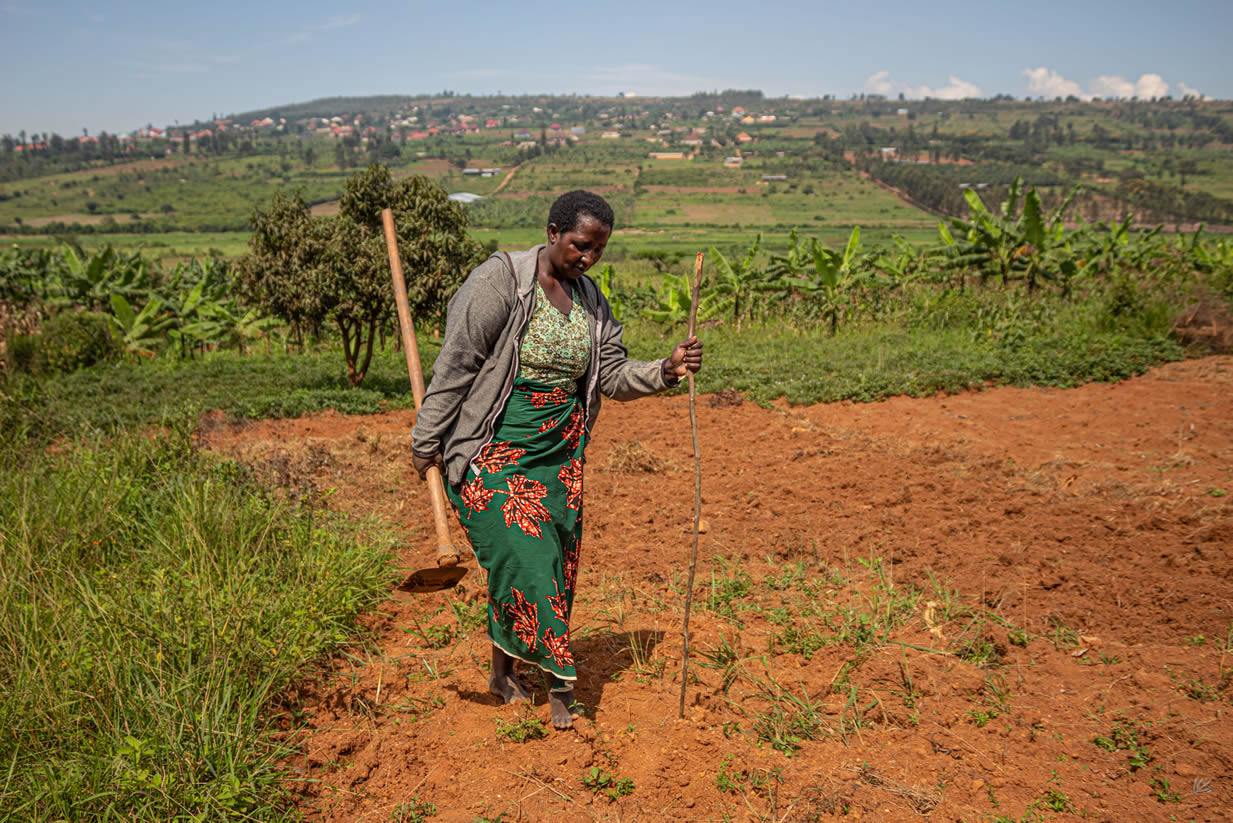
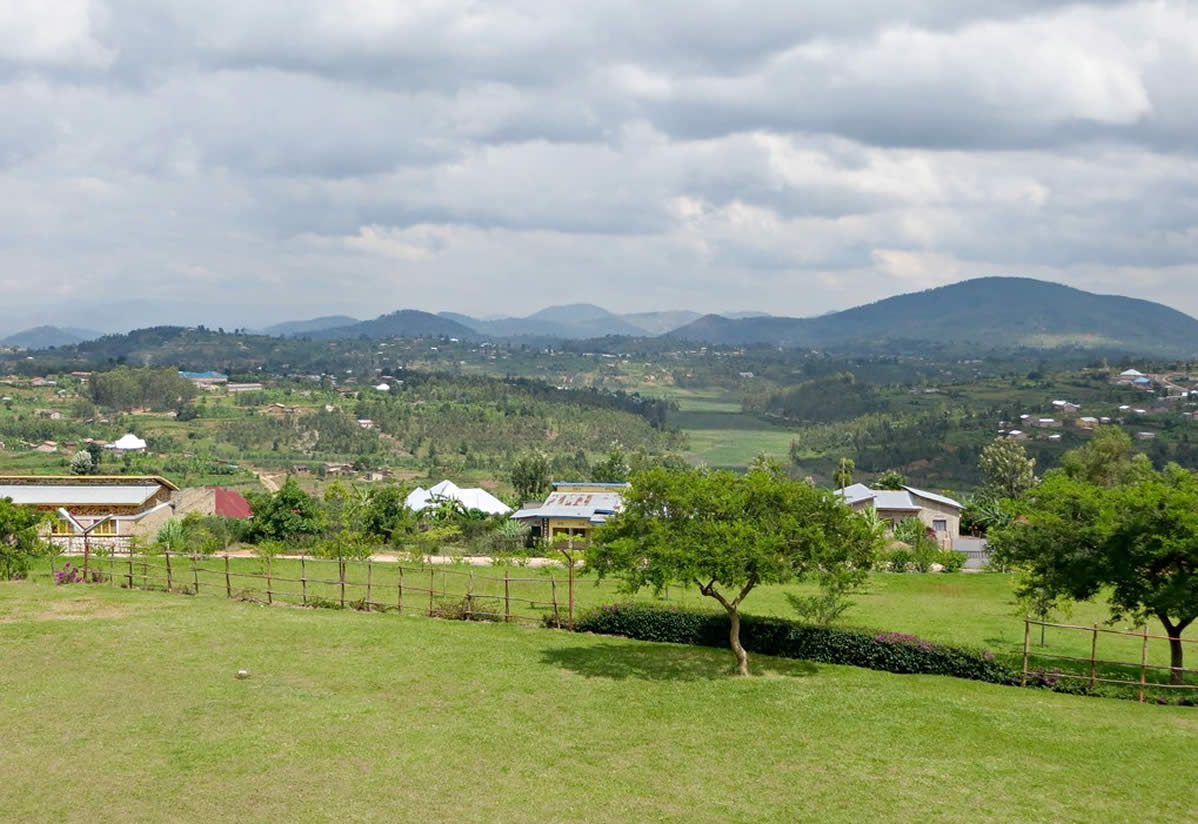
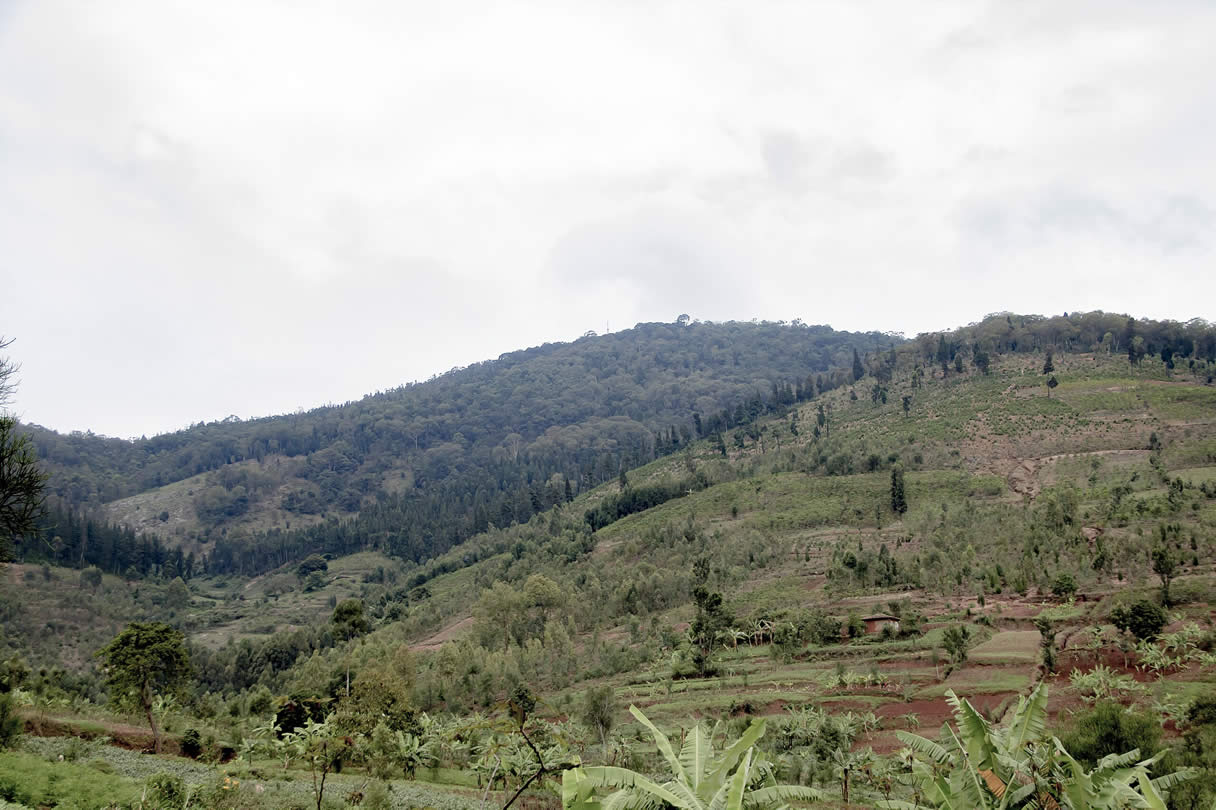
The Heritage Corridor is a culturally rich and historically significant route in Rwanda that offers travelers an immersive experience into the country’s royal history, traditional arts, and spiritual heritage. Spanning several towns, each stop along the corridor highlights unique landmarks and cultural sites that reflect Rwanda’s diverse heritage.
Nyanza is renowned as the historical seat of Rwanda’s monarchy and is home to the King’s Palace Museum. Visitors can explore the traditional royal residence, which offers insights into Rwanda’s royal customs and governance. A highlight of this site is the display of majestic Inyambo cows—recognized for their long, curved horns—symbolizing the country’s royal wealth and status. The town also hosts the National Art Gallery, showcasing contemporary and traditional Rwandan art, further emphasizing the nation’s vibrant cultural expression.
Huye is celebrated for its Ethnographic Museum, which holds one of Africa’s most comprehensive ethnographic collections. The museum provides an in-depth look into Rwanda’s cultural practices, history, and traditional crafts, making it a must-visit for those interested in understanding the nation’s diverse cultural fabric.
Kamonyi offers historical and spiritual sites, including Ijuru rya Kamonyi—the former residence of a Rwandan King—providing insights into the monarchy’s legacy. Additionally, Kamageri’s Rock is a significant cultural landmark, often associated with local legends and traditional ceremonies, symbolizing the deep-rooted spiritual beliefs of the Rwandan people.
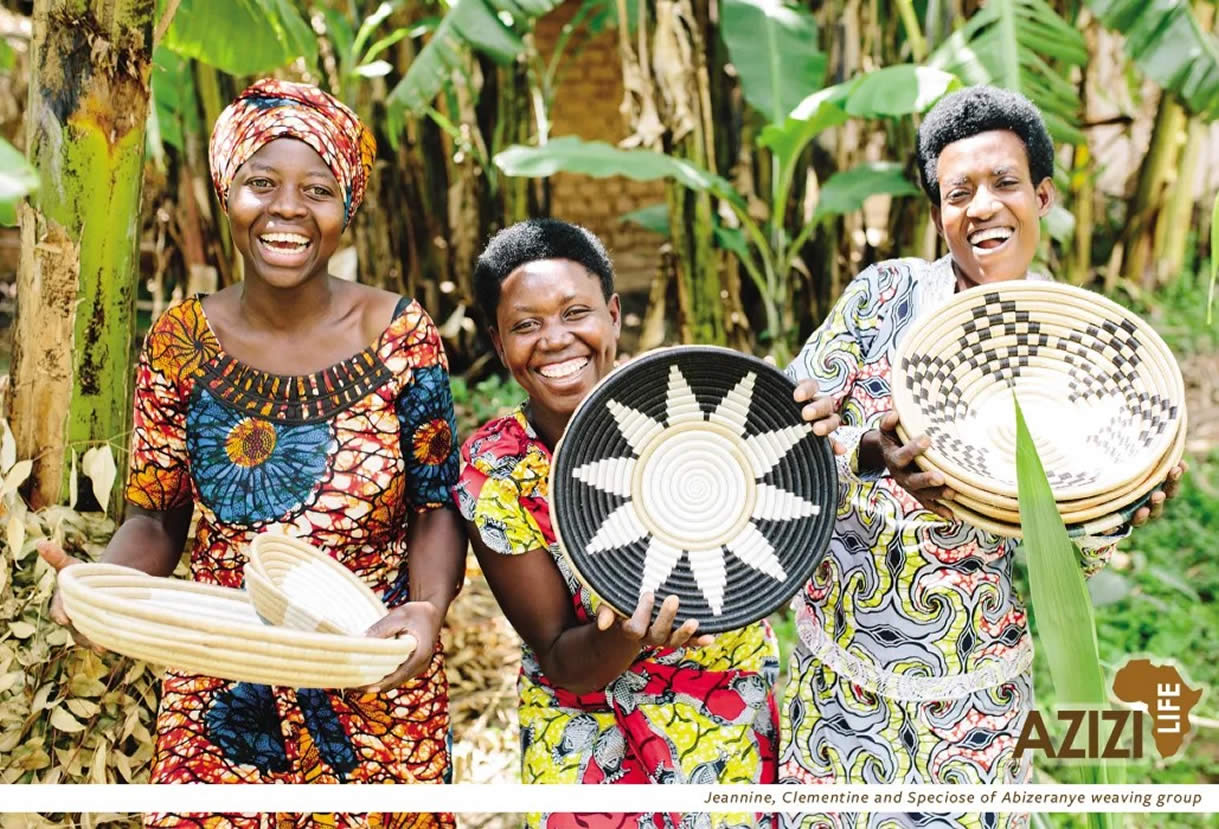
In Muhanga, visitors can experience traditional Rwandan life at the Azizi Life Center, which offers authentic cultural activities, crafts, and demonstrations of traditional practices. The town is also home to the impressive Kabgayi Basilica, a prominent religious site that reflects Rwanda’s religious heritage and architectural beauty.
Ruhango is known for the Yezu Nyirimpuhwe sanctuary, a spiritual site that attracts pilgrims and visitors alike. It embodies the religious devotion and spiritual traditions that are integral to Rwandan society, offering a peaceful retreat for reflection and worship.
Overall Significance: The Heritage Corridor provides a comprehensive journey through Rwanda’s royal history, artistic achievements, and spiritual traditions. Each town and site offers unique insights into the country’s past and present, making it an essential route for anyone interested in exploring Rwanda’s rich cultural tapestry.
Beginning in Kigali, the vibrant heart of Rwanda, visitors follow the Heritage Corridor—an inspiring route that weaves through the country’s rich history, culture, and natural beauty.
The journey first leads to the Millennium Village in Manyange, a symbol of Rwanda’s commitment to sustainable development and community resilience. Travelers have the opportunity to witness firsthand the transformative efforts in peace-building, social cohesion, and economic empowerment. Engagement with local communities highlights how hope and collaboration are shaping a brighter future for post-conflict Rwanda.
Continuing along the corridor, visitors arrive at the Ntarama Genocide Memorial, a powerful site dedicated to honoring the victims of the 1994 genocide. This visit offers a moment of reflection and remembrance, providing insight into Rwanda’s journey toward reconciliation and healing. The memorial serves as a poignant reminder of the country’s resilience and ongoing commitment to peace.
Throughout the route, scenic wetlands and lush landscapes frame the experience, offering peaceful settings for contemplation and connection with Rwanda’s natural environment. The heritage corridor seamlessly combines cultural, historical, and ecological attractions—creating an unforgettable exploration of Rwanda’s enduring spirit of resilience, hope, and renewal.
This journey invites travelers to discover Rwanda’s compelling stories of reconciliation, progress, and cultural richness—an authentic and meaningful experience of the nation’s vibrant heritage.
Explore a network of scenic trails—Royal, Big View, and Gatagara—starting from Nyanza’s vibrant town center. Immerse yourself in rich culture, impressive nature, and enjoy nearby quality accommodations and gastronomy.
Discover the legendary tale of Queen Nyagakecuru, the rebellious leader from King Ruganzu II Ndoli’s era (16th century). Her house, surrounded by thorny Acanthus bushes, offers a glimpse into Rwanda’s royal history.
Stroll through this lush sanctuary near the University of Rwanda, home to 178 tree species, gazelles, monkeys, and vibrant birdlife. Part of the Queen’s Commonwealth Canopy, it’s a key site for conservation and research.
Hike up Mount Huye while learning about the coffee roasting process—a perfect blend of nature, culture, and flavor.
Near Ndaba Waterfalls, this legendary rock tells the story of Ndaba, who discovered honey in a cave and refused to share, dying from greed. It’s a captivating tale of folklore and natural beauty.
This historic site recalls Kamegeri’s defiance under Mibambwe II Sekarongoro II Gisanura (1609-1642). Legend has it he was burnt on this hill after challenging the ruling authority.
Large stones arranged in traditional cooking formations, carved with ancient symbols like Igisoro game boards. This sacred site also features a cave and connects to the history of King Mazimpaka’s wives.
A short journey from the corridor, Bugesera is Rwanda’s top birding region with over 415 species, including the rare Papyrus Gonolek. Visit Kibugabuga Forest, the historic Rwabayanga Cave, the Ntarama Genocide Memorial, and the Millennium Village to deepen your understanding of Rwanda’s resilience and heritage.
Most visitors arrive in Rwanda through Kigali International Airport (KGL), located on the eastern side of the city. A mix of international and regional airlines serves Kigali, including carriers from major African hubs and selected long‑haul destinations. Travelers often prefer non‑stop or one‑stop connections into Kigali to maximize their time exploring the country.
From the airport, central Kigali hotels can usually be reached in 15–30 minutes by private transfer, hotel shuttle, or taxi, depending on traffic and your destination within the city.