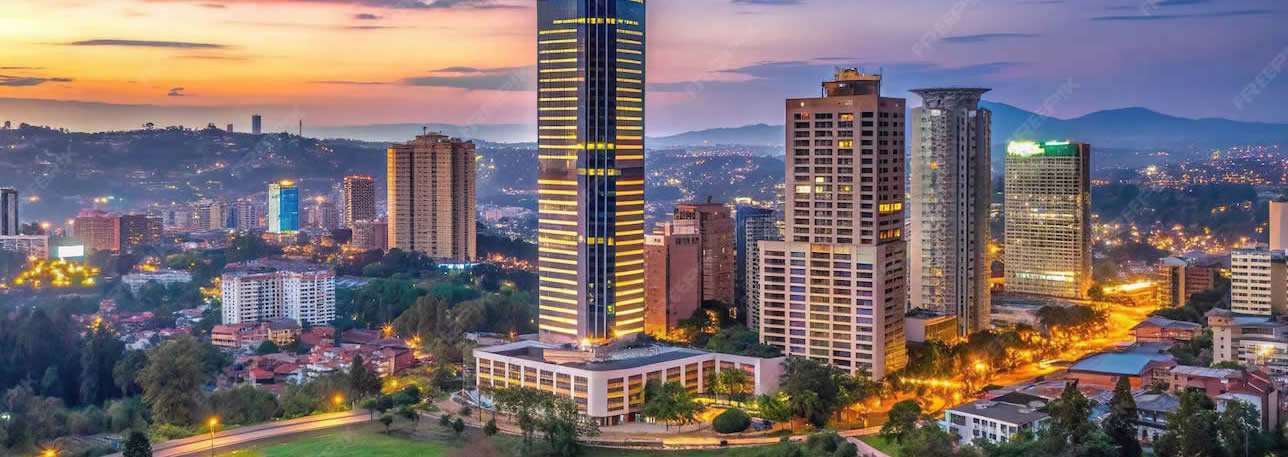
Kigali is Rwanda’s vibrant capital and the natural starting point for most journeys through the country,
from gorilla trekking in Volcanoes National Park to lakeside escapes on Lake Kivu and big-game safaris
in Akagera.
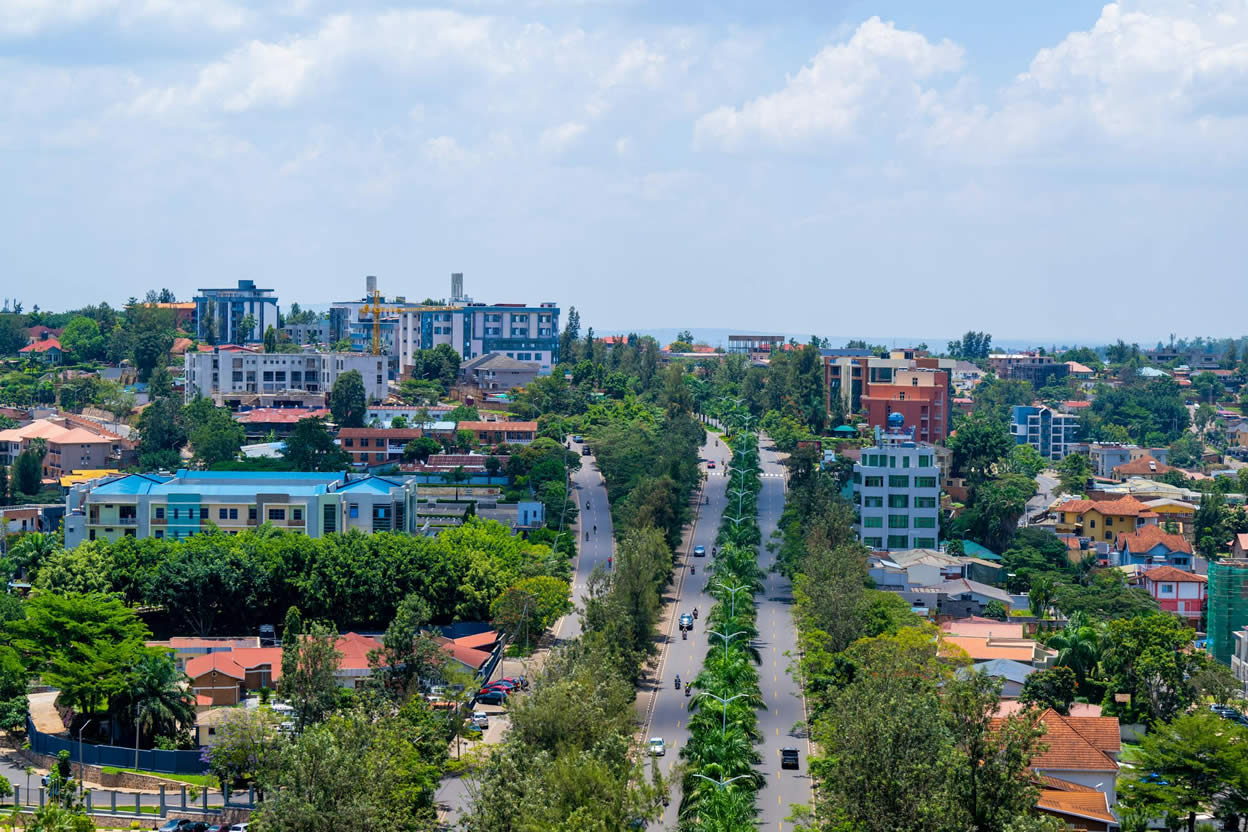
Set across rolling hills and valleys, the city is known for its cleanliness, order and safety,
with landscaped roundabouts, tree-lined avenues and well-maintained streets giving it a distinctive
“green city” feel. Visitors often find it easy to get around, whether by organized transfer, taxi or
short motorcycle taxi rides.
The city’s green character extends beyond its physical appearance into how it is managed and experienced.
Community clean-up initiatives, limits on plastic use and a strong emphasis on security and public order
contribute to a calm, welcoming atmosphere for visitors
As Rwanda’s cultural and economic hub, The city offers travellers a gentle introduction to the country’s
history and contemporary life. Thoughtfully designed memorials and museums, craft markets, art galleries
and community projects provide insight into Rwanda’s past and its remarkable recovery and renewal.
Neighbourhoods such as Kimihurura, Kiyovu and Gacuriro host a growing collection of cafés, restaurants
and boutique hotels, making the city an appealing place to spend a night or two before or after a safari.
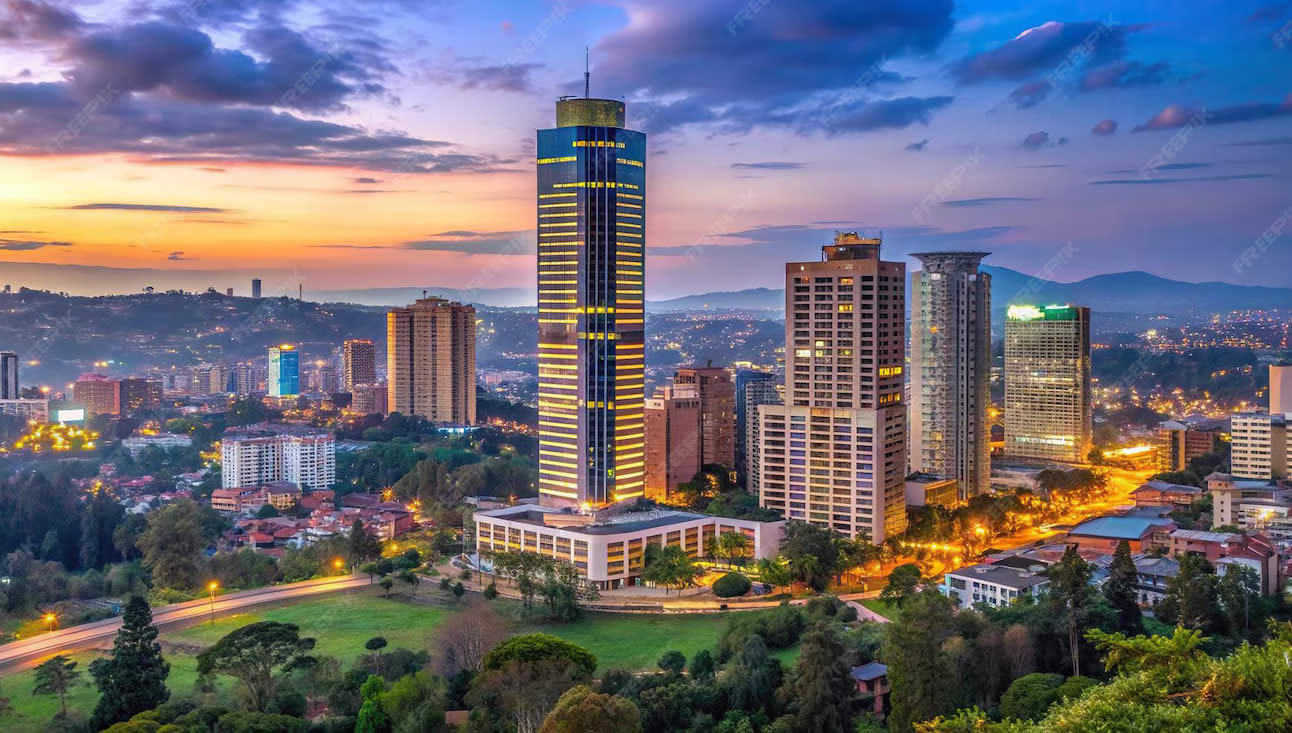
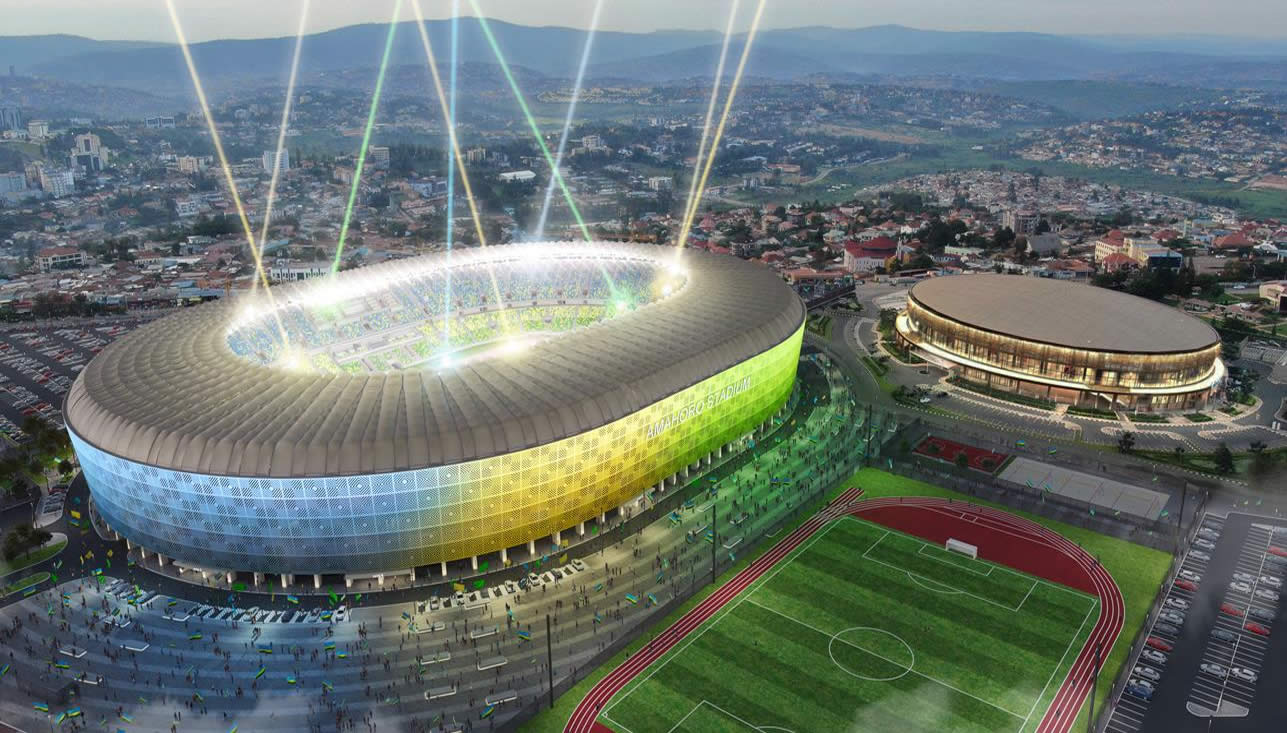
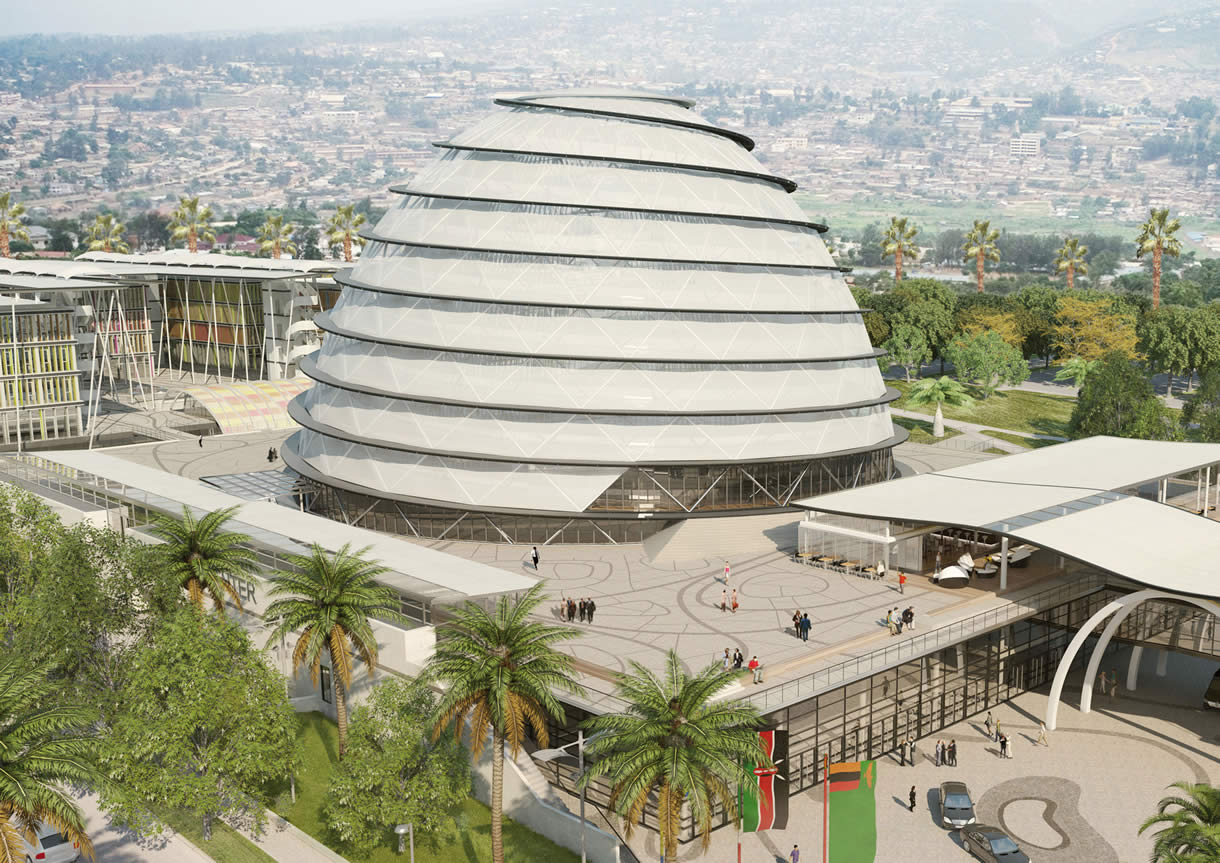
Kigali is Rwanda’s capital, largest city and main gateway, located near the geographic centre of the country.
Spread across a series of hills and valleys, it serves as Rwanda’s political, economic and cultural hub,
and as the starting point for most journeys to Volcanoes National Park, Nyungwe Forest, Akagera and Lake Kivu.
Administratively, the City is divided into three districts – Gasabo,
Kicukiro and Nyarugenge – covering roughly 730 km² in total.
The wider metropolitan area has grown rapidly in recent decades and is home to well over one million residents,
making the city the largest urban centre in Rwanda.
Kigali is a clean, vibrant and remarkably green city, known for its well-kept streets, orderly traffic
and strong sense of public safety. Visitors often comment on how welcome they feel and how comfortable it is
to walk or move around the city, even at night in busy neighbourhoods.
Motorcycle taxis are strictly regulated, with riders and passengers required to wear helmets and use
numbered jackets that match official IDs. This culture of order and responsibility extends across the city
and has helped make the city one of the most pleasant capitals in Africa for exploring on foot or by
short motorbike tours.
Rwanda’s capital is also at the heart of a powerful story of healing and reconciliation. While many residents
still carry memories and scars of the past, the country has chosen to focus on unity, shared responsibility
and building a hopeful future. This city reflects this spirit in its calm, forward-looking atmosphere.
A visit to the Kigali Genocide Memorial at Gisozi, where around 250,000 victims are laid to rest,
is one of the most important experiences in the city. The memorial provides context on how the 1994 Genocide
against the Tutsi unfolded, honours those who were lost and explains why remembrance and education are central
to ensuring that such a tragedy is never repeated.
Kigali is an excellent place to discover Rwanda’s rich culture, crafts and contemporary creativity.
At the Kigali Cultural Village and other market spaces, local artisans and food vendors
exhibit and sell their work, and the venues regularly host events, workshops, festivals and live music.
Across the city and at dedicated craft centres, visitors can shop for traditional
Agaseke baskets, distinctive Imigongo paintings, pottery and other handmade items.
These pieces make meaningful souvenirs and help support artisan cooperatives and community groups.
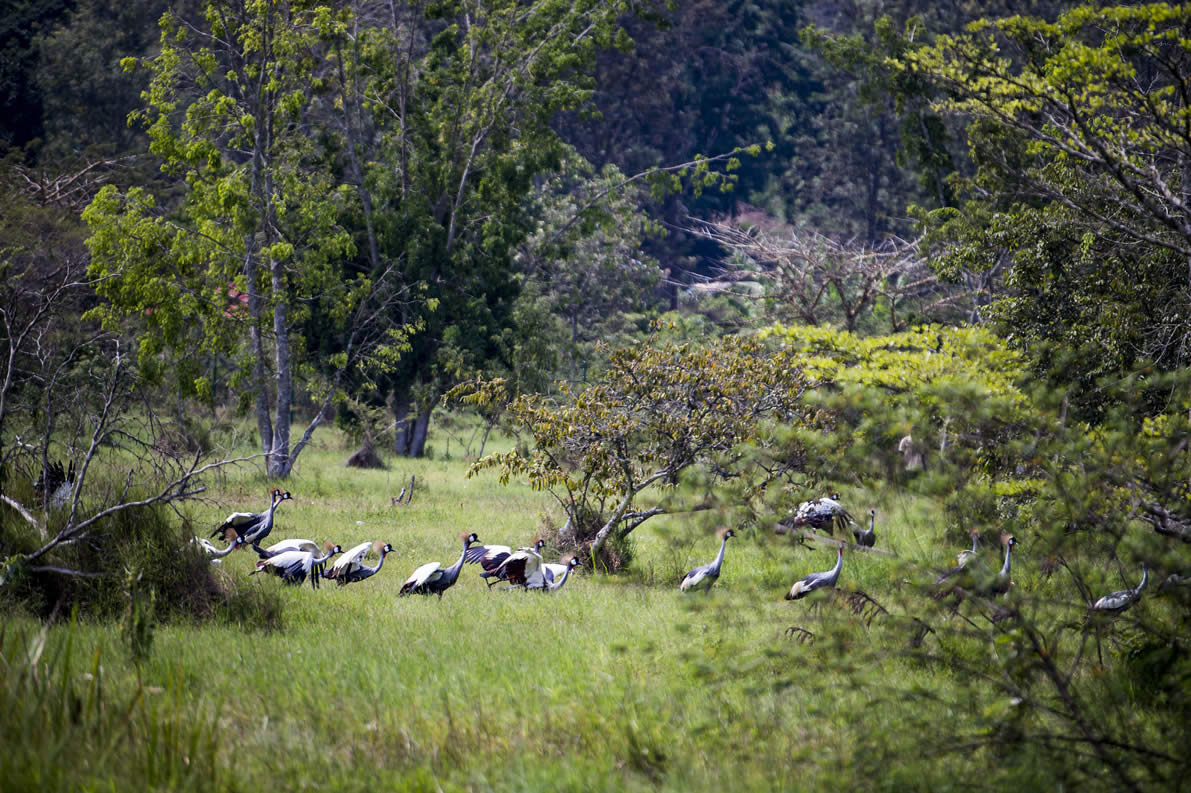
Just outside the urban core, places like Umusambi Village offer a quiet escape into nature.
This restored wetland sanctuary provides a safe home for rescued Grey Crowned Cranes and other wildlife,
with raised walkways and trails that allow visitors to enjoy birdlife and learn about conservation.
On Mount Kigali, the Fazenda Sengha recreational centre lies about 15 minutes from
the city centre and offers outdoor activities such as horseback riding, trail rides, ziplining, archery,
badminton and barbecues. It is a popular choice for families, small groups and anyone wanting to combine
panoramic views with active fun.
Traditional Intore dance, sometimes called the “ballet of Rwanda”, is a powerful cultural
performance featuring dancers in decorated attire moving rhythmically to the beat of drums. While many shows
can be enjoyed in and around the city, a visit to the National Museum in Huye further south
gives a deeper look at Rwanda’s ethnographic history and traditions.
Within Kigali itself, the Rwanda Art Museum displays contemporary works by Rwandan and
international artists, while the Kandt House Museum explores the story of Kigali and Rwanda
before and during the early colonial period. Together, these museums help visitors understand how the city
has evolved over time.
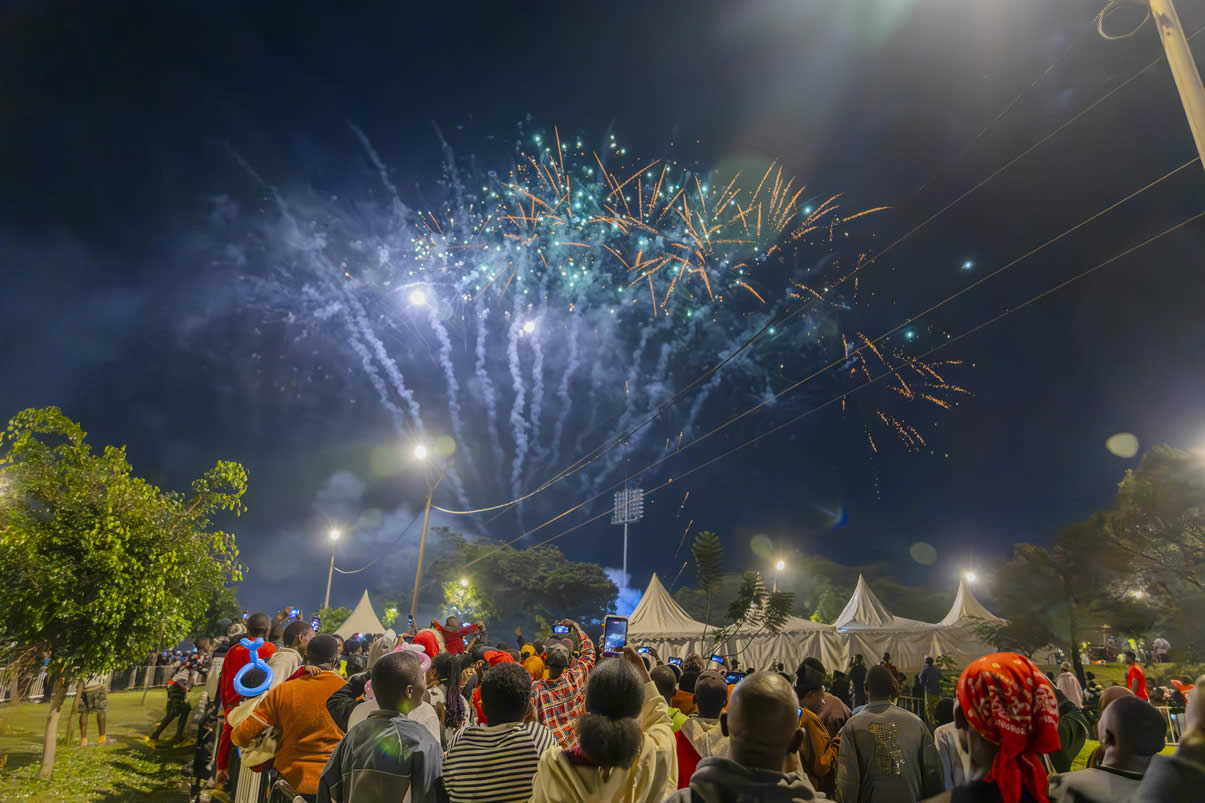
Kigali also hosts major annual events such as the Kwita Izina gorilla naming ceremony
(held near Volcanoes National Park but coordinated from the capital), music festivals like
Kigali Up, and film and arts events that are turning the city into a growing regional
hub for culture and creativity. The 20th Kwita Izina ceremony was held on Friday, 5 September 2025, at the foothills of Volcanoes National Park, celebrating Rwanda’s commitment to sustainable and responsible tourism. The 2026 event will be held September.
Rwanda’s “Land of a Thousand Hills” reputation makes it an excellent destination for cycling enthusiasts.
In and around Kigali, there are numerous roads and tracks that appeal to riders looking for
off-the-beaten-track experiences and rewarding climbs.
Exploring the outskirts of the city by bike offers an authentic way to meet local communities, enjoy
sweeping views over valleys and terraced hillsides, and experience everyday rural life within easy reach
of the capital.
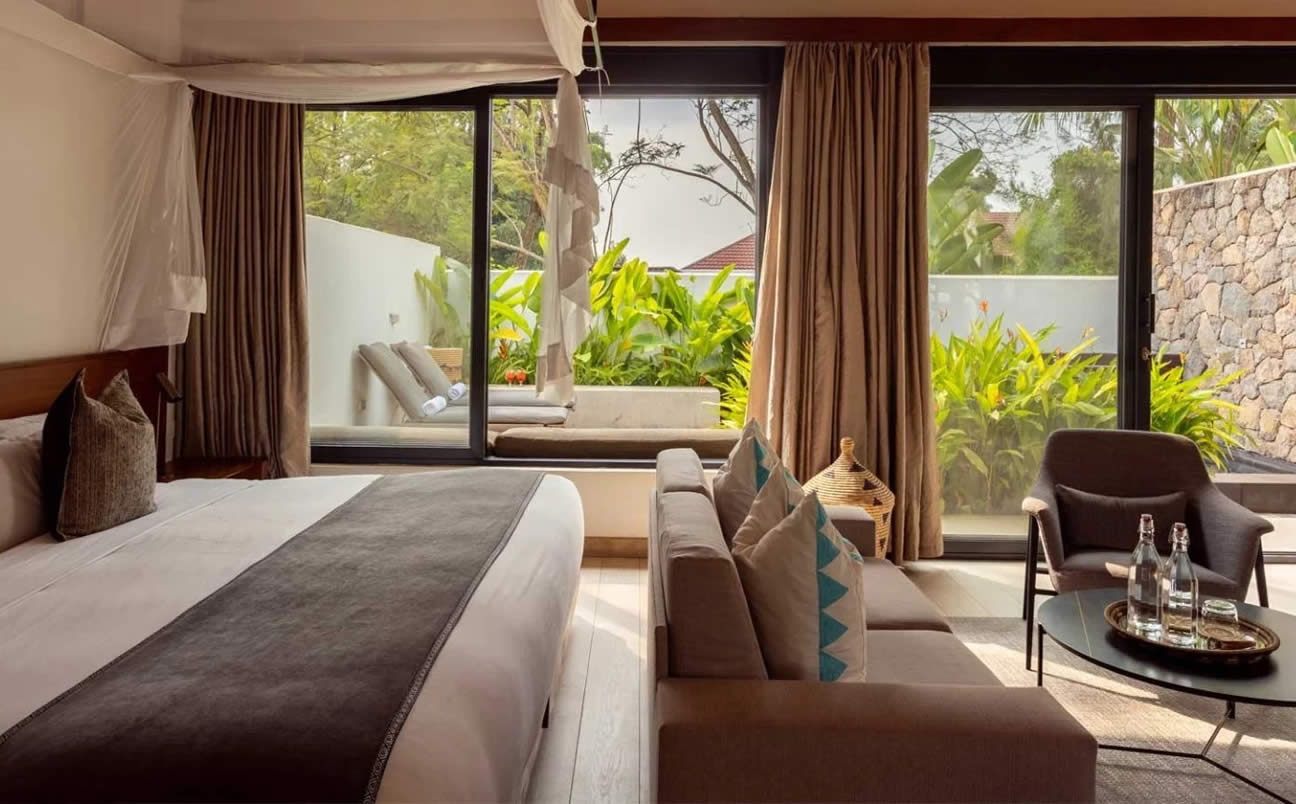
Kigali offers a wide choice of accommodation, from exclusive luxury retreats and international five-star
hotels to comfortable boutique options and guesthouses. Most properties are located in central districts
such as Nyarugenge, Kiyovu, Kimihurura and Remera, giving easy access to business centres, restaurants,
cultural sites and the airport.
Most visitors arrive in Rwanda through Kigali International Airport (KGL), located on the eastern side of the city. A mix of international and regional airlines serves Kigali, including carriers from major African hubs and selected long‑haul destinations. Travellers often prefer non‑stop or one‑stop connections into Kigali so they can maximise their time on safari or exploring the country.
From the airport, central Kigali hotels can usually be reached in 15–30 minutes by private transfer, hotel shuttle or taxi, depending on traffic and where in the city you are staying.
Kigali’s central position makes it the natural starting point for most journeys in Rwanda. Road transfers are the main way to reach the country’s national parks and major towns:
Many itineraries use Kigali as a hub, linking gorilla trekking in Volcanoes National Park, big‑game viewing in Akagera, primate and forest walks in Nyungwe Forest, and relaxation on Lake Kivu into one seamless circuit.