Rising majestically above the plains of northern Tanzania, Mt. Kilimanjaro is Africa’s highest peak and the world’s tallest free-standing mountain. Standing at 5,895 meters (19,341 feet), this iconic stratovolcano dominates the landscape and draws adventurers from around the globe. Snow-capped and solitary, Mt. Kilimanjaro’s presence is both powerful and poetic — a symbol of Africa’s natural grandeur.
Unlike many high-altitude summits, Mt. Kilimanjaro requires no technical climbing skills, making it accessible to determined trekkers with proper preparation. Its slopes reveal an extraordinary ecological journey, from cultivated farmland and dense rainforest to alpine desert and the arctic summit zone. Few places on Earth allow travelers to walk through such dramatic climatic transitions in a matter of days.
More than a mountain, Mt. Kilimanjaro is a personal challenge, a cultural landmark, and a bucket-list achievement. Whether viewed from afar or climbed to Uhuru Peak at sunrise, the experience leaves an imprint that lasts long after the descent.
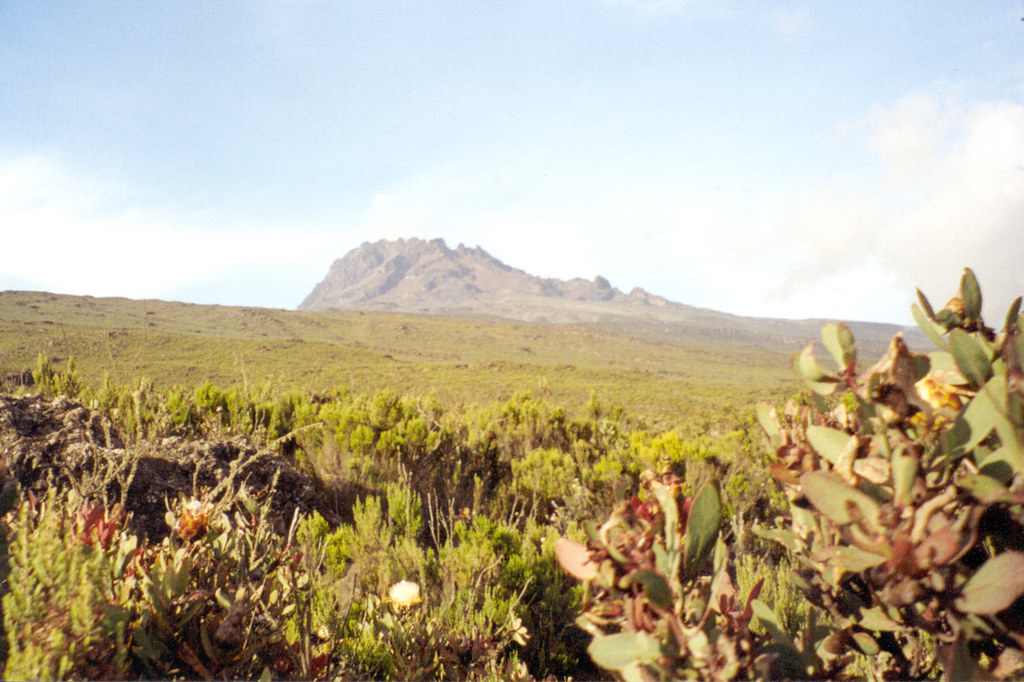
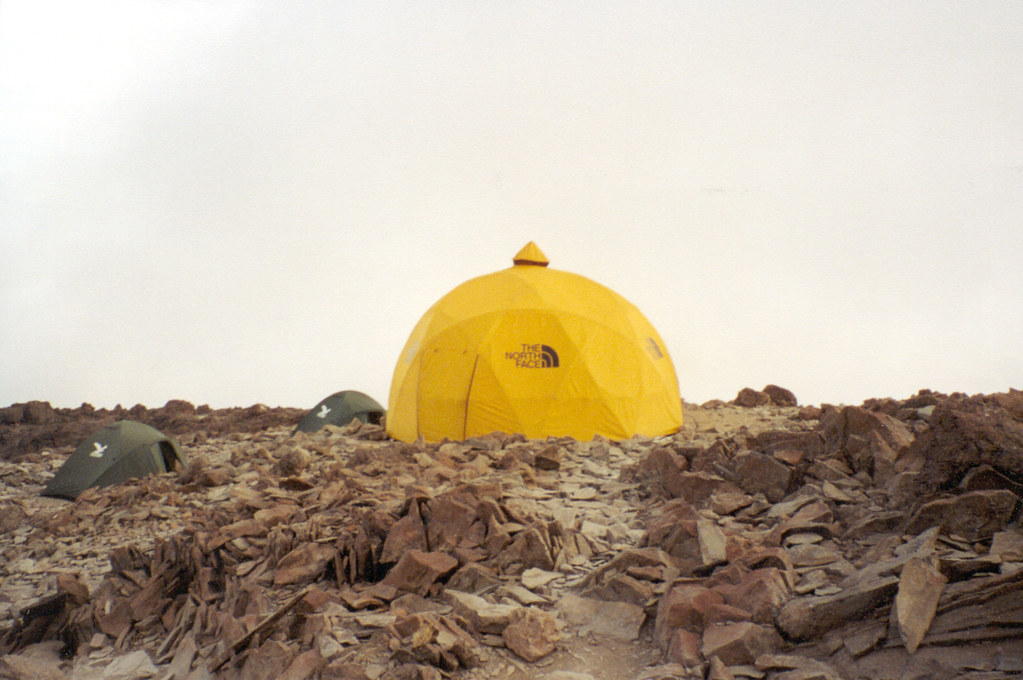
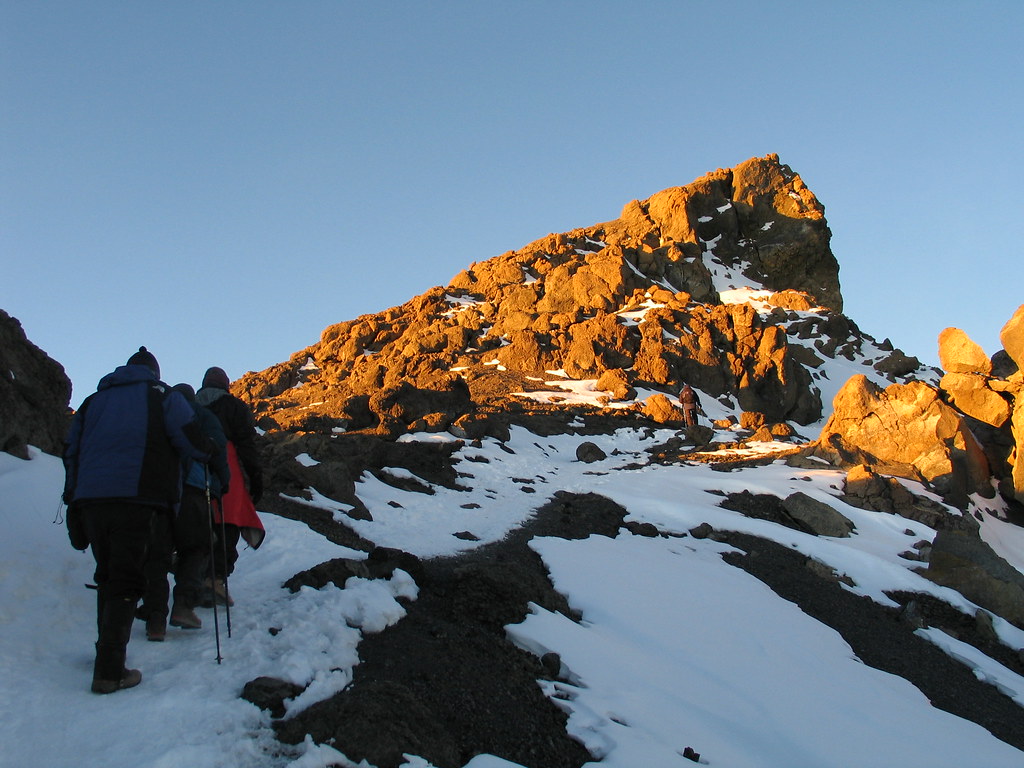
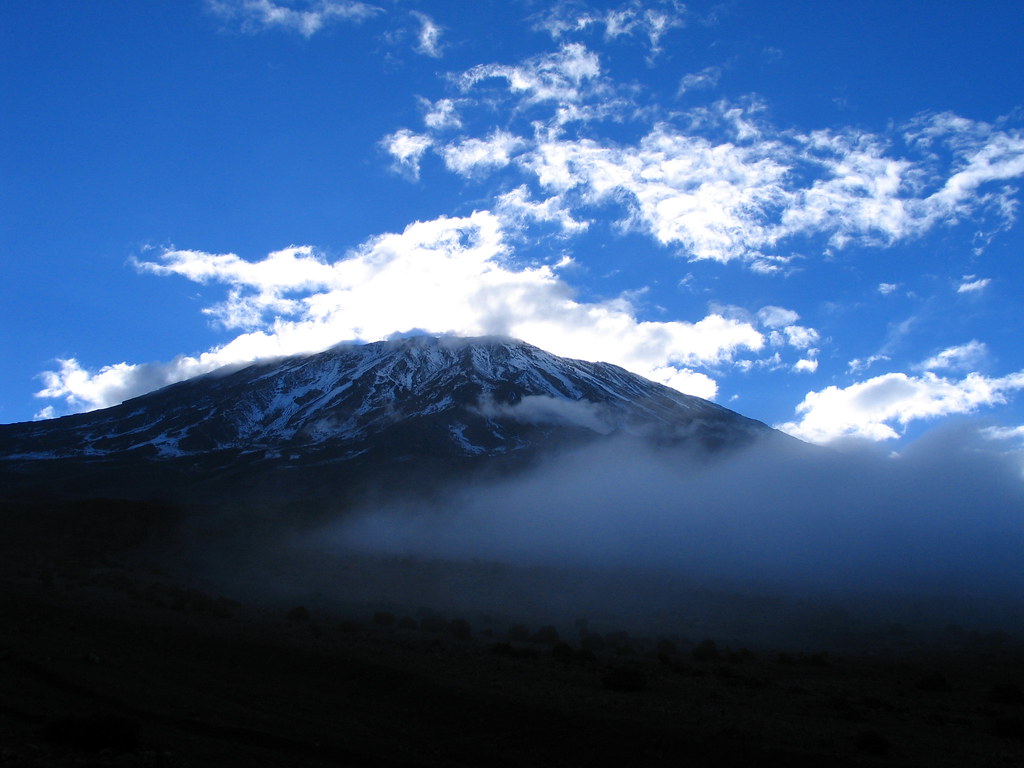
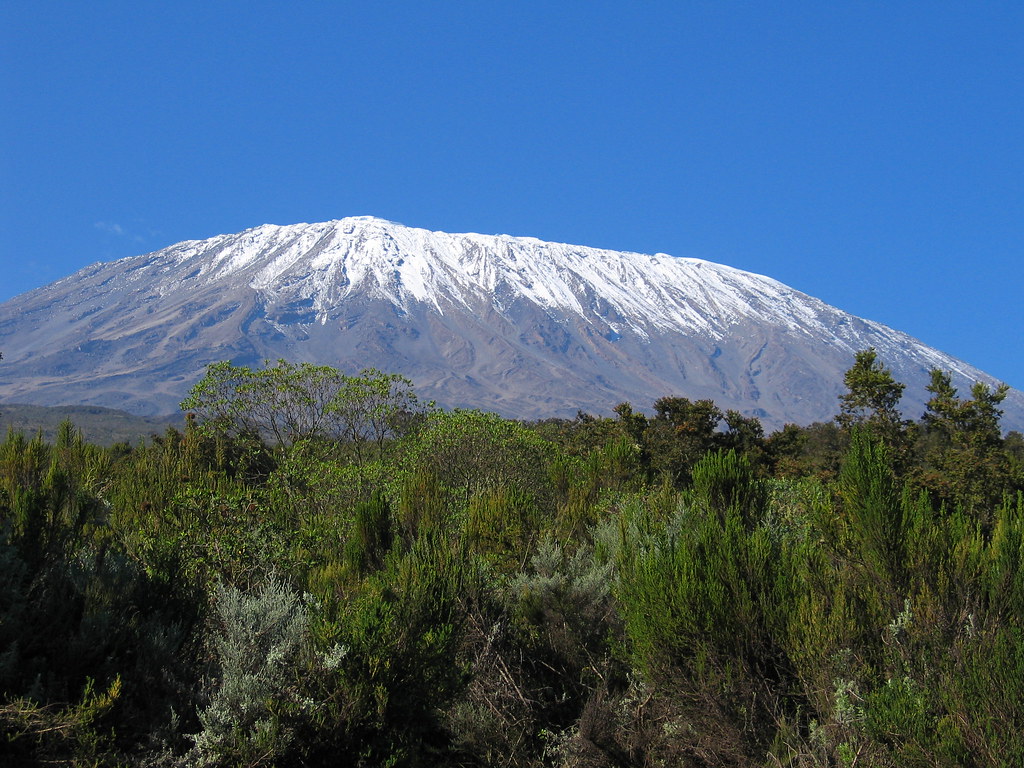
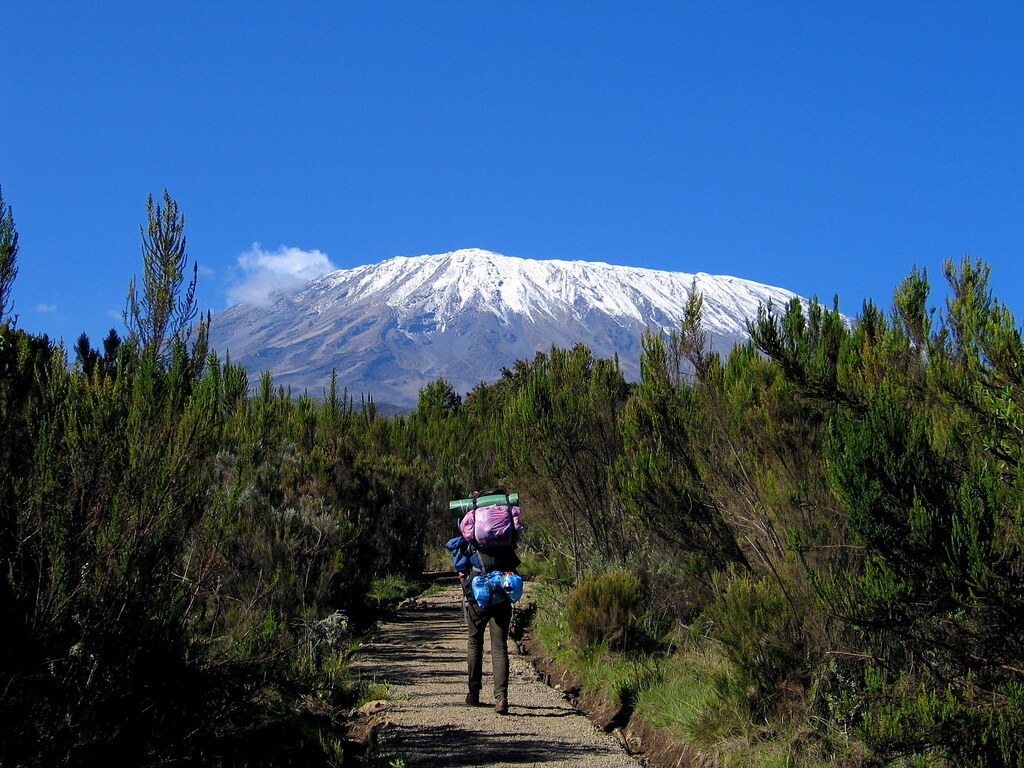
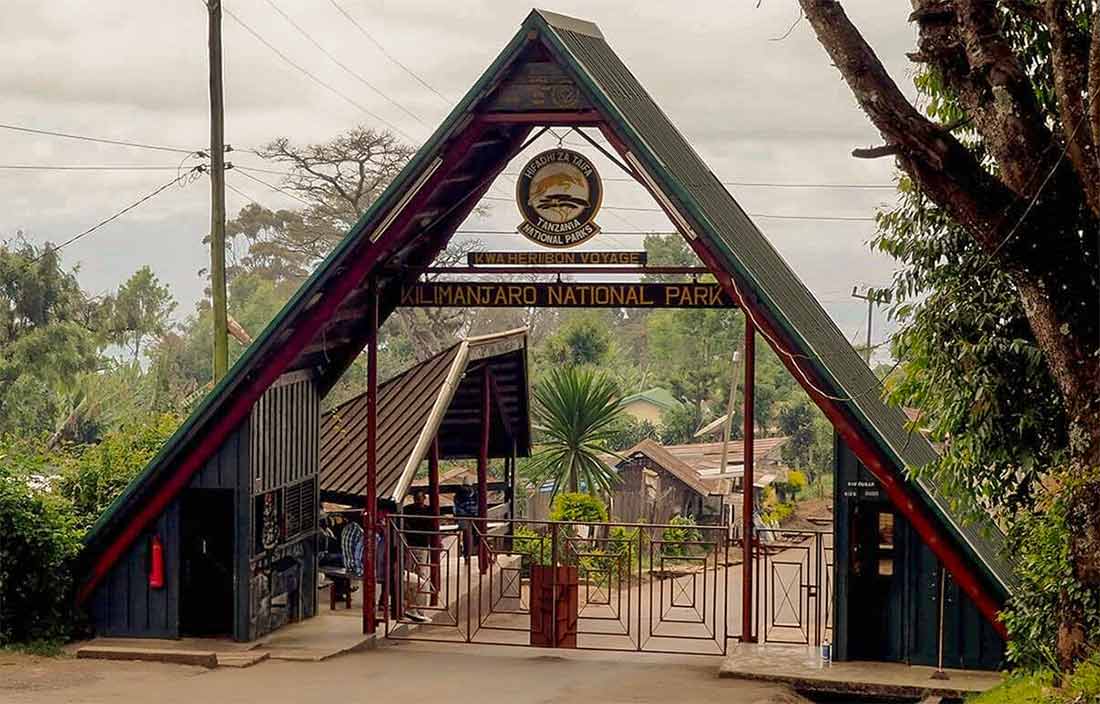
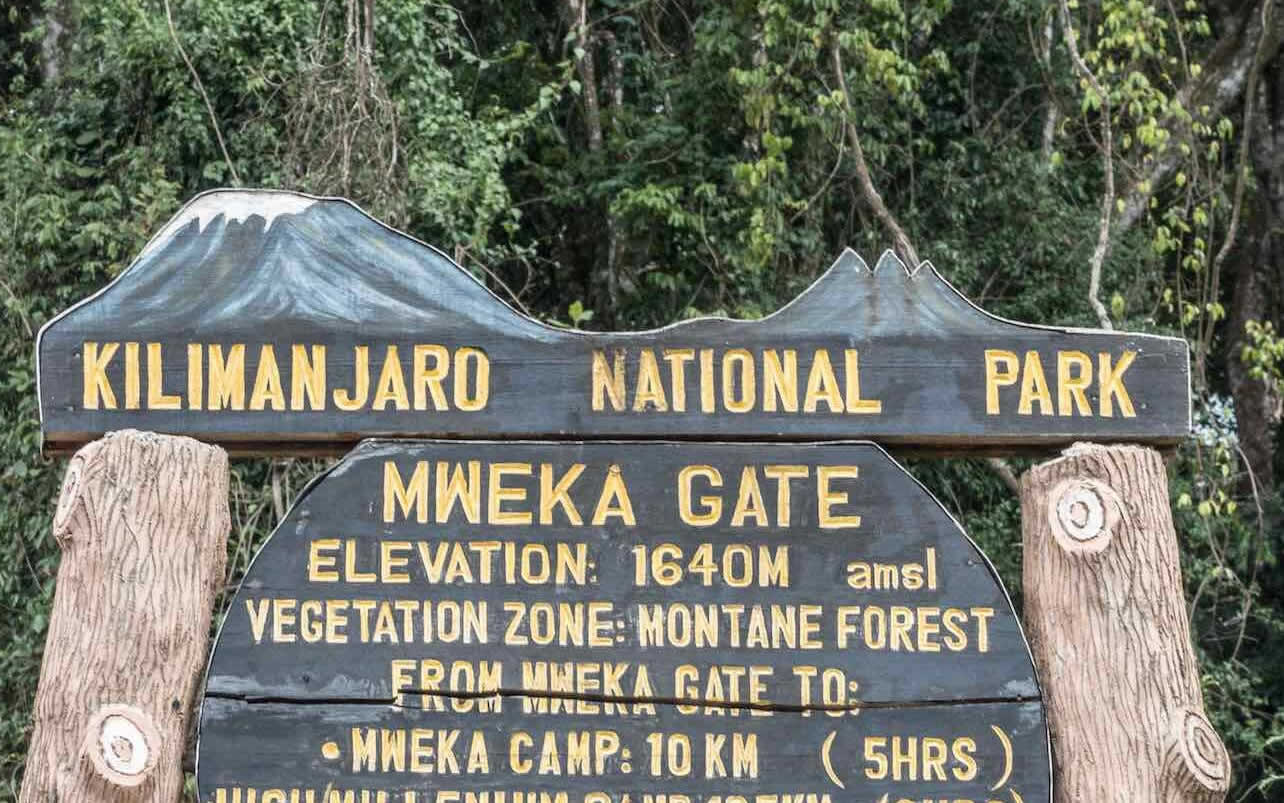
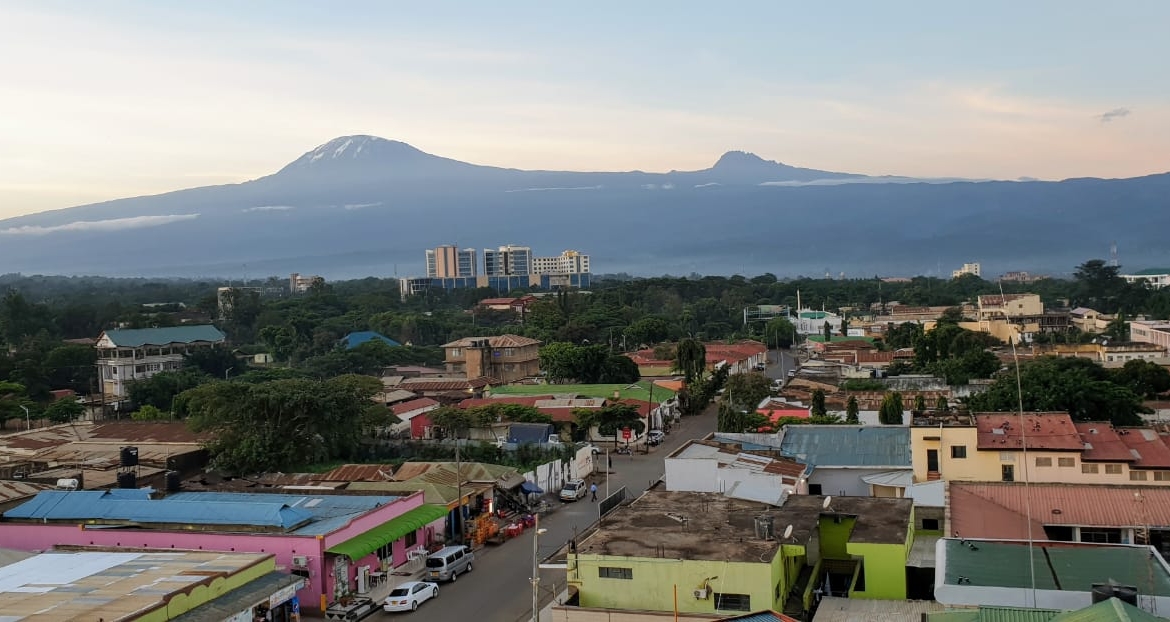
Mt. Kilimanjaro, Africa’s highest mountain and the world’s tallest free-standing volcano, soars to 5,895 meters (19,341 feet) above sea level. Despite its proximity to the Equator, its summit is capped with snow. The mountain is made up of three volcanic cones: Kibo (5,895 m), Mawenzi (5,149 m), and Shira (3,962 m). Kibo and Mawenzi are dormant, while Shira is extinct, having collapsed to form the scenic Shira Plateau.
The name “Kilimanjaro” is believed to derive from the Swahili word Kilima meaning “mountain” and the KiChagga word Njaro, meaning “whiteness,” giving the meaning “White Mountain.” Covering roughly 1,712 square kilometers, the area became a National Park in 1973, opened to tourism in 1977, designated a UNESCO World Heritage Site in 1987, and recognized as a Natural Wonder of Africa in 2013.
Climbing Mt. Kilimanjaro is a life-changing experience. Standing above the African plains and witnessing the sunrise from Uhuru Peak remains one of the world’s most unforgettable achievements.
Mt. Kilimanjaro experiences two rainy seasons. The long rains occur from March to May, bringing frequent showers to the lower slopes and snowfall on the summit. The dry season, from late June to September, offers clear skies and cooler nights and is the most popular period for climbing.
Altitudes range from 1,700 m to 5,895 m, and annual rainfall varies by zone — from about 828 mm in the alpine desert to 2,500 mm in the lush montane forest.
Kibo is Mt. Kilimanjaro’s central and highest cone at 5,895 m. Uhuru Peak, the summit, is located here. Its glaciers and snowfields make the climb both challenging and rewarding, with many climbers considering the ascent a once-in-a-lifetime achievement.
Mawenzi, at 5,149 m, is rugged, jagged, and technically more demanding than Kibo. It is rarely climbed but offers dramatic views and striking glaciated features visible from most routes.
Shira, the oldest volcanic cone at 3,962 m, collapsed long ago to form the Shira Plateau — a stunning highland that supports migratory wildlife, including buffalo, elephants, and elands.
Uhuru Peak, Mt. Kilimanjaro’s official summit at 5,895 m, means “freedom” in Swahili. Reaching this point marks the successful completion of the climb and is celebrated by climbers worldwide.
Successful climbers receive an official summit certificate from Mt. Kilimanjaro National Park, a lasting testament to their endurance and determination.
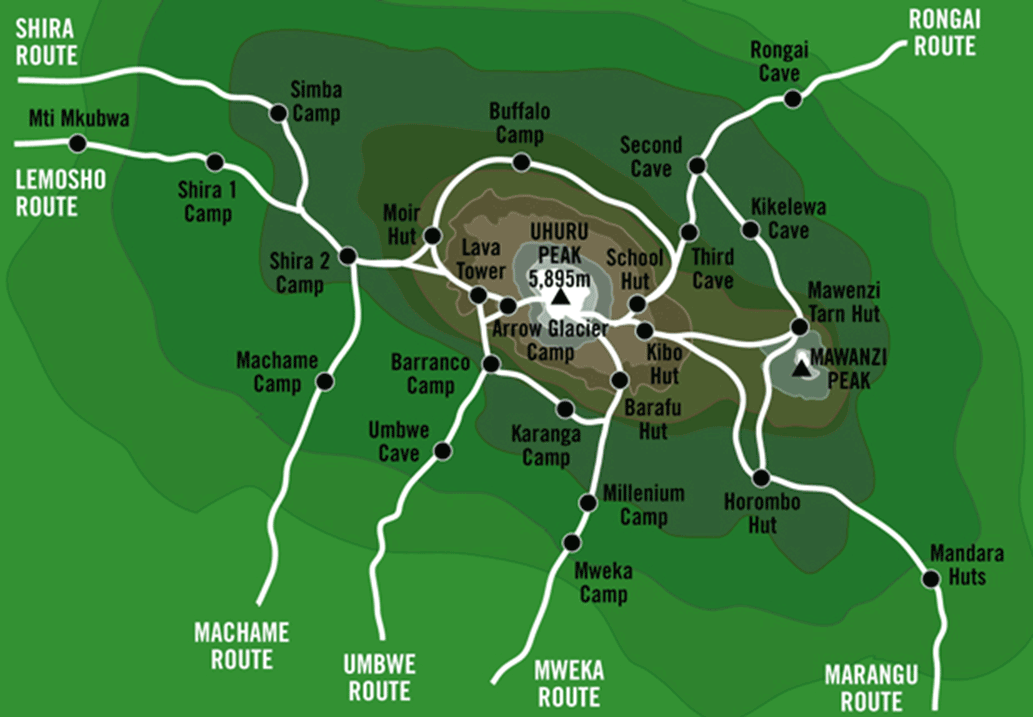
Several established routes lead to the summit, each offering unique scenery, duration, and difficulty. Popular options include the Marangu, Machame, Lemosho, Rongai, and Northern Circuit routes. The Rongai Route, approaching from the north near Kenya, is quieter with a gradual ascent.
Climbs lasting 6–9 days allow for better acclimatization and higher success rates, while shorter routes may save money but reduce acclimatization time. From rainforest to alpine desert and snow-capped peaks, each route offers a distinct adventure suited to different fitness levels and preferences.
Proper preparation is essential. Essential gear includes insulated jackets, thermal layers, waterproof outerwear, gloves, headwear, trekking poles, and a quality sleeping bag rated for sub-zero temperatures. Physical preparation through cardio and long hikes is highly recommended way before the time of climb.
Gradual ascent, hydration, and guidance from experienced mountain staff are crucial for acclimatization. While technical climbing skills aren’t required, pacing and mental resilience are vital for summit success.
Climbers can rent equipment in Moshi or Arusha, but well-worn, comfortable hiking boots are strongly recommended to prevent blisters and discomfort.
Acclimatization, rest, hydration, and balanced nutrition are key to a safe climb. Consult a medical professional before attempting the trek, especially if you have health concerns. Awareness of altitude sickness is critical, as descending is the only effective remedy for severe symptoms.
The montane forest, between 1,800 and 2,800 m, is rich in endemic plant species, including Impatiens kilimanjaro. Even those not climbing to the summit can enjoy trails in this lush ecosystem.
Mt. Kilimanjaro National Park is home to roughly 140 mammal species — including primates, carnivores, and antelopes — and around 179 bird species, making it attractive to wildlife enthusiasts.
Climbing Mt. Kilimanjaro is a team effort. Behind every successful summit are mountain guides, cooks, and porters who carry equipment and support climbers. Ethical treatment, fair wages, and safe working conditions for porters are vital for sustainable tourism.
Visitors are encouraged to choose operators who follow responsible trekking standards and support porter welfare. Learn more about ethical climbing through the Kilimanjaro Responsible Trekking Organization (KRTO), which promotes fair treatment and improved conditions for mountain crews.
Mt. Kilimanjaro is one of Africa’s most iconic destinations, offering adventure, culture, and unforgettable landscapes. From the lush montane forests to the snow-capped summit, the mountain presents experiences for both the adventurous and the curious. Whether you are aiming for the summit, exploring the lower slopes, or immersing yourself in local traditions, Kilimanjaro promises a journey like no other.
Many groups choose Mt. Kilimanjaro for charity climbs, combining adventure with a purpose. These expeditions help support local communities and conservation initiatives while giving participants the incredible challenge of reaching Africa’s highest peak.
The Park offers a wide variety of activities for visitors:
Pairing a Mt. Kilimanjaro climb with a safari to Lake Manyara National Park, Tarangire, Ngorongoro and Serengeti or a getaway to the beaches of Zanzibar is highly recommended, offering the perfect way to relax and celebrate your achievement. Most climbers tackle the summit first, then unwind on safari or along the coast. A 2–5 day safari in parks such as Tarangire, Ngorongoro, or Serengeti provides an active yet restorative experience, while a beach stay in Zanzibar, Diani, or Mombasa offers pure, leisurely relaxation to recharge after the climb.
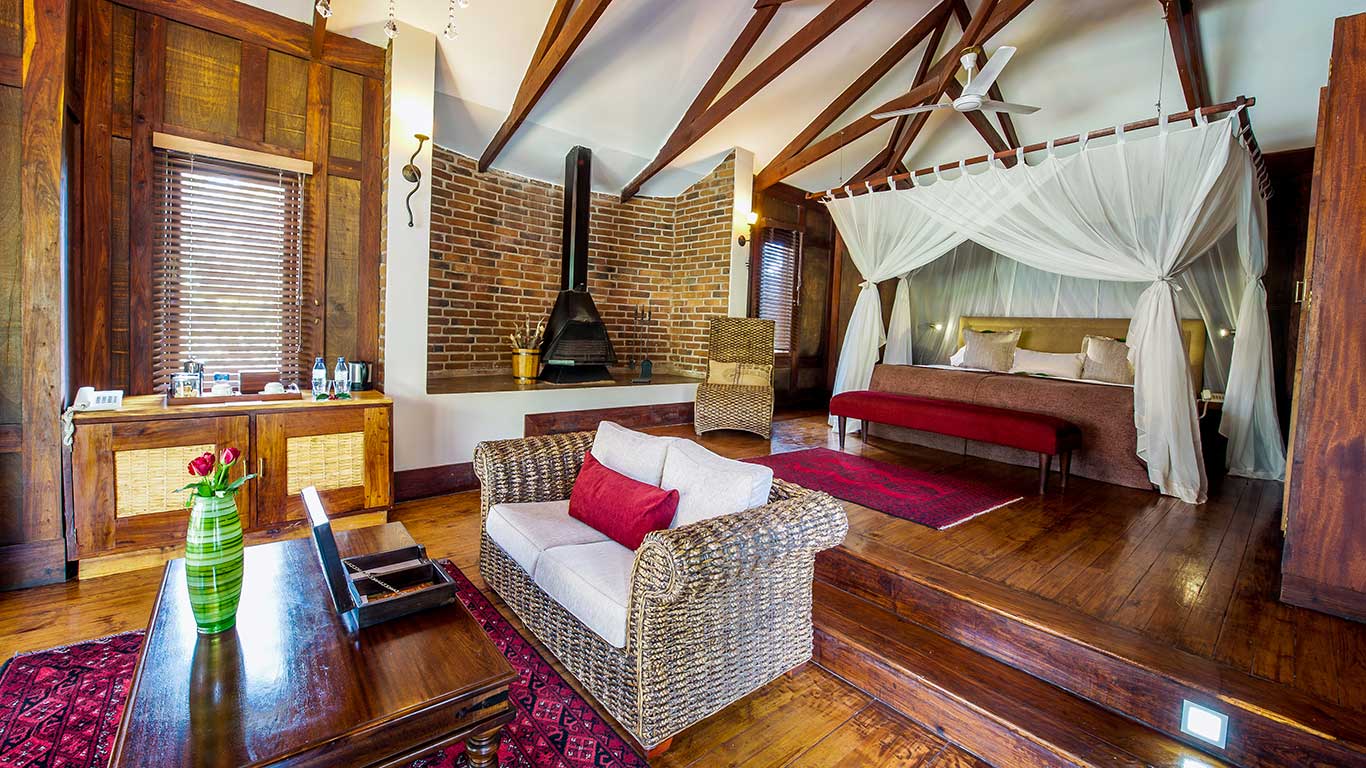
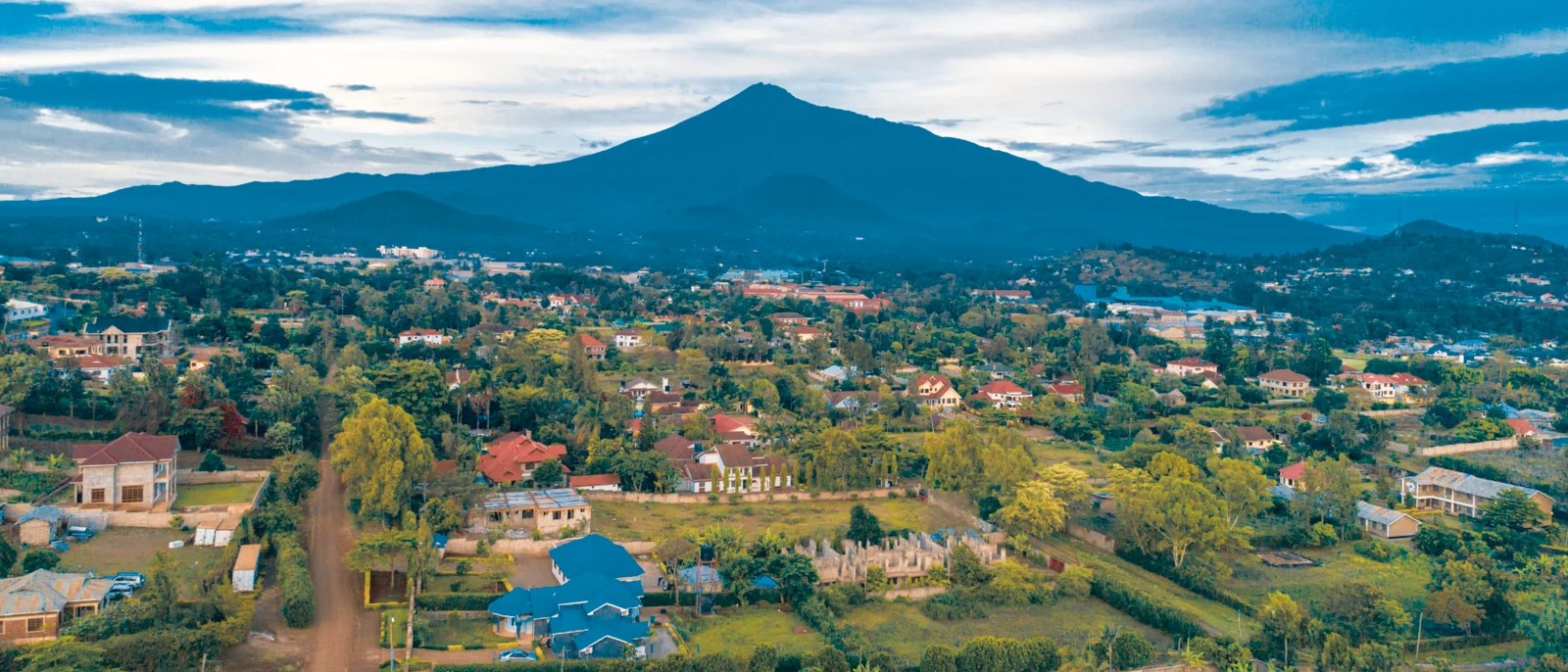
Accommodation for Mt. Kilimanjaro visitors is mainly in Arusha and Moshi, depending on your climbing route. Options range from comfortable lodges to high-end luxury, offering convenience for climbers and non-climbing visitors alike.
Moshi serves as a key base for climbers approaching Mt. Kilimanjaro. Accommodation here is convenient for early starts on the Marangu, Rongai, and other northern routes:
All these facilities provide easy access to climbing trailheads, guided transport, and support services for Mt. Kilimanjaro expeditions.
Reaching Mt. Kilimanjaro is straightforward, with multiple access points depending on your starting location. The mountain has eight official entry/exit gates, with the most popular climbing routes beginning at Marangu (East), Machame (South), and Londorosi/Lemosho (West). Mweka Gate (South) serves as the primary descent point for climbers.
JRO is the main international gateway for Kilimanjaro expeditions, located about 50 km from Arusha and 40 km from Moshi:
Traveling overland from Nairobi to Kilimanjaro is a popular option. Shuttles and private transfers operate daily, providing comfortable transport to Moshi or Arusha. Operators include Impala Shuttles, Marangu Shuttles, Riverside Shuttles, and Kidia One. For more details and bookings, visit our Nairobi airport and Kilimanjaro transfer page.
Arusha is a convenient base for climbers heading to most starting gates:
Moshi is the closest climbing base for Marangu and Rongai routes and also serves climbers on northern and western approaches:
Regardless of starting point, climbers are advised to plan transport in advance, coordinate with tour operators, and allow sufficient time for trailhead arrival, permits, and acclimatization preparations.