Tsavo West National Park is one of Kenya’s most dramatic and diverse safari destinations, characterised by volcanic landscapes, natural springs, rugged hills, and richly varied wildlife habitats. Covering approximately 9,065 square kilometres, the park forms the western section of the greater Tsavo ecosystem and offers a more scenic, immersive, and adventurous safari experience. Separated only by the Nairobi-Mombasa Highway with Tsavo East National Park, the two make up the 2nd largest park in Africa.
Tsavo West National Park lies in south-western Kenya and is separated from Tsavo East National Park by the A109 Nairobi–Mombasa Highway and the Standard Gauge Railway (SGR). Together with adjoining ranches and protected areas, Tsavo West National Park forms part of one of Africa’s largest continuous wildlife conservation landscapes.
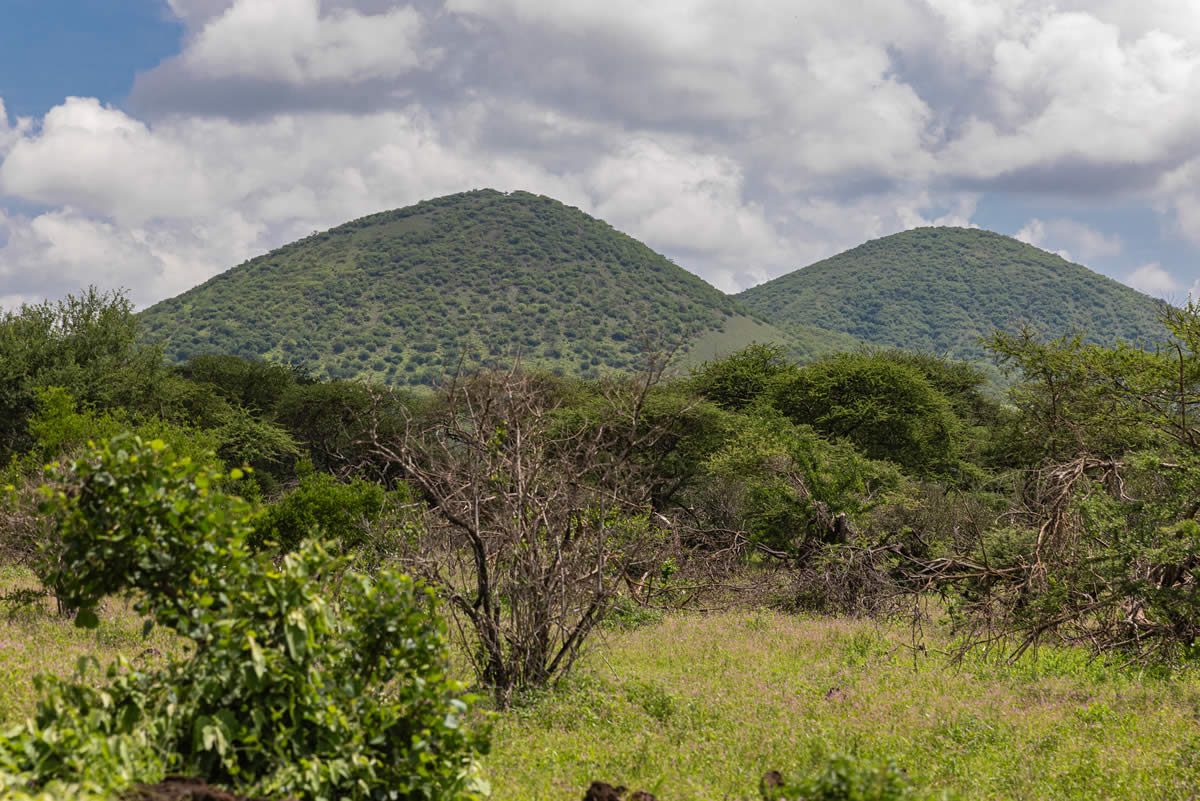
Bordering Tsavo West National Park to the north-west are the Chyulu Hills — a striking chain of young volcanic mountains rising sharply from the surrounding plains. Gazetted as Chyulu Hills National Park in 1995, this protected area covers about 741 square kilometres and plays a critical role in water catchment, biodiversity protection, and scenic wilderness experiences.
Elevation across Tsavo West National Park ranges from 150 to 1,800 metres above sea level, while the highest peaks of the Chyulu Hills reach 2,188 metres. This variation creates a mosaic of habitats including open grasslands, bushland, acacia woodlands, lava fields, riverine forests, and montane vegetation.
Tsavo West National Park is located in south-western Kenya, within the former Coast Province, and covers approximately 9,065 square kilometres. The park is managed by the Kenya Wildlife Service (KWS).
Tsavo West National Park is separated from Tsavo East National Park by the A109 Nairobi–Mombasa Highway and the Standard Gauge Railway (SGR).
Together with adjacent ranches and protected areas, Tsavo West National Park forms part of one of the largest wildlife conservation landscapes in Africa.
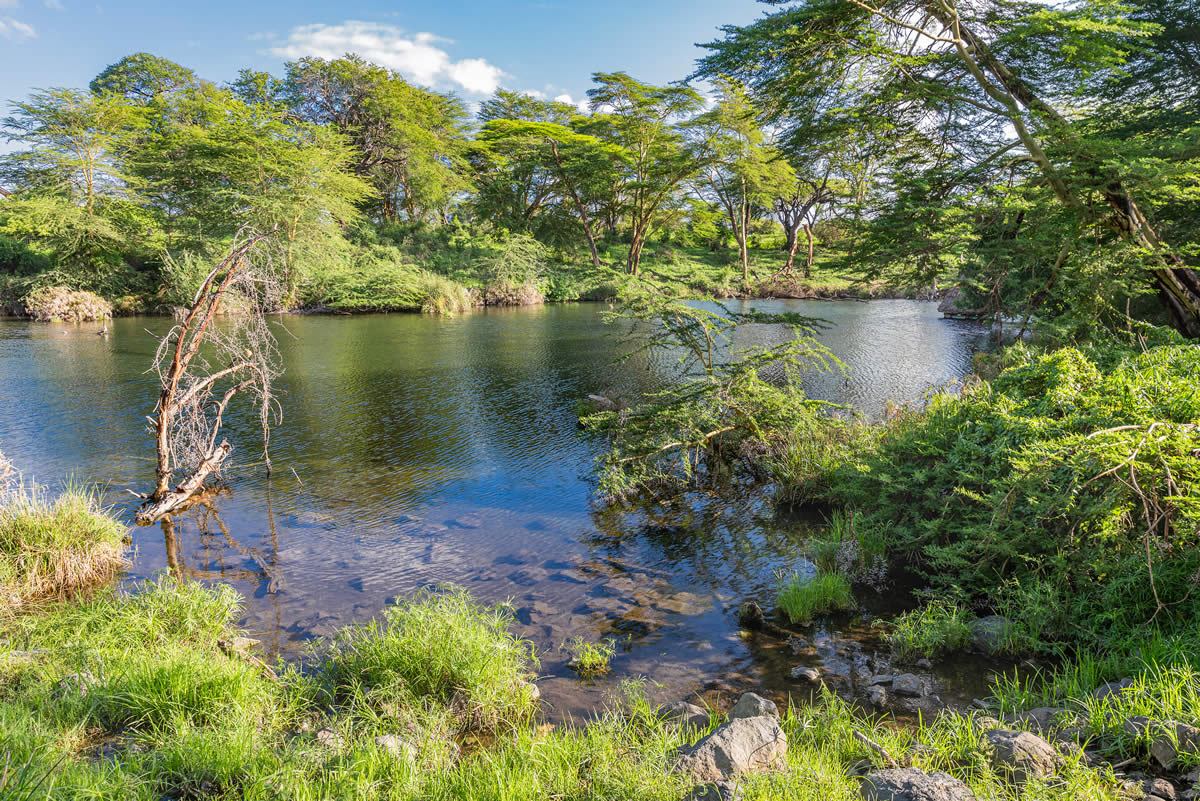
Tsavo West National Park’s elevation ranges from 150 to 1,800 metres above sea level, creating diverse habitats that include open grasslands, dense bush, acacia woodlands, rocky outcrops, riverine forests, and volcanic terrain.
Tsavo West National Park is particularly renowned for its scenic beauty, well-developed road network, permanent water sources, and varied safari activities such as guided walks and rhino tracking within designated areas.
The Chyulu Hills lie along the north-western boundary of Tsavo West National Park and form a spectacular 100-kilometre-long volcanic range rising between Tsavo and Amboseli ecosystems.
Covering approximately 741 square kilometres, the hills are among the youngest volcanic formations in Kenya, with their highest peak reaching 2,188 metres above sea level.
Gazetted as Chyulu Hills National Park in 1995, the area protects rolling green hills, lava tubes, caves, montane forests, and vital underground water catchments that feed Mzima Springs.
The Chyulu Hills offer outstanding scenery, cooler temperatures, and excellent opportunities for photography, hiking, and wilderness-focused safaris.
Tsavo West National Park supports a wide variety of wildlife species, thriving across its diverse habitats. The park is particularly known for its populations of:
Wildlife viewing in Tsavo West National Park is rewarding year-round, with permanent water sources such as Mzima Springs attracting animals even during dry seasons.
Tsavo West National Park is a major birding destination, with over 600 recorded bird species across the wider Tsavo ecosystem. Key species include:
The Ngulia Hills lie along one of Africa’s most important migratory bird routes and host one of the continent’s foremost bird-ringing (tagging) stations, active annually between October and January.
Tsavo West National Park is often described as a natural volcanic amphitheatre, shaped by ancient lava flows, craters, hills, and underground water systems.
Tsavo West National Park is one of Kenya’s most diverse and visually dramatic safari destinations. Defined by volcanic landscapes, natural springs, rolling hills and vast wilderness plains, Tsavo West National Park offers a rugged safari experience that feels untamed and authentic.
From lava flows and craters to rhino sanctuaries and panoramic viewpoints, Tsavo West National Park combines wildlife, geology and adventure in one remarkable ecosystem.
Mzima Springs is one of the most famous attractions in Tsavo West National Park. These crystal-clear springs are fed by underground streams originating from the Chyulu Hills, emerging into freshwater pools rich with hippos, Nile crocodiles and fish.
A unique underwater viewing chamber allows visitors to observe aquatic life at eye level — a rare and unforgettable safari experience.
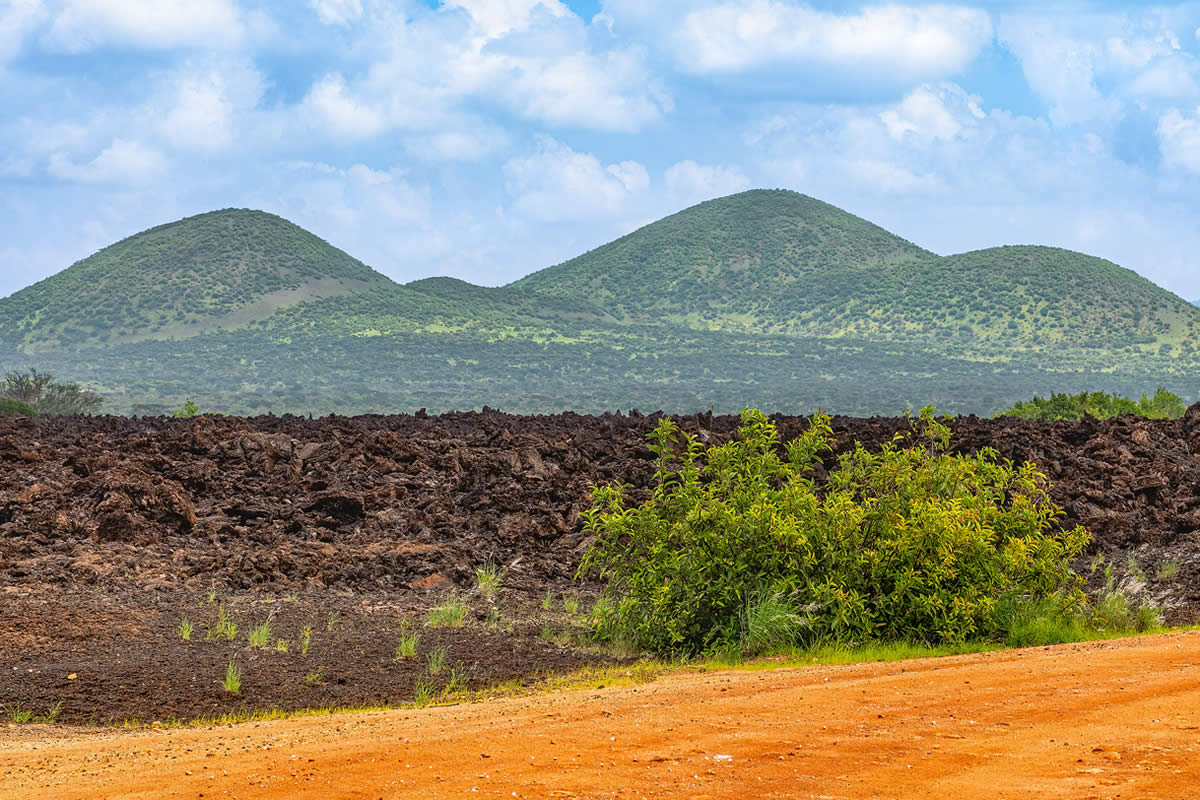
Just west of Chyulu Gate lies the dramatic Shetani Lava Flow. Formed only a few hundred years ago, this vast expanse of black volcanic rock stretches across nearly 50 square kilometres.
“Shetani” means “devil” in Kiswahili, reflecting local legends that the lava was the devil emerging from the earth. The stark, surreal landscape feels almost prehistoric and is one of the park’s most photogenic features.
Ngulia Rhino Sanctuary is a protected conservation area within Tsavo West National Park dedicated to black rhino recovery. Kenya’s rhino population declined drastically in the 1970s due to poaching,
but Ngulia now protects over 80 individuals.
The sanctuary offers one of the best opportunities in Kenya to spot black rhinos in their natural habitat.
Chaimu Crater is a striking volcanic cone that can be climbed in approximately 20–30 minutes. From the summit, visitors enjoy sweeping views across Tsavo West and, on clear days, distant views of Mount Kilimanjaro.
Located near Ngulia Hills, Roaring Rocks provide panoramic views of the surrounding wilderness.
The name comes from the sound of wind rushing across the escarpment and the calls of cicadas (Cicadas are some of the loudest insects in the world, despite being much smaller than many of their noisy competitors) echoing through the rocks.
Originally used by poachers to track elephants and rhinos before the park was gazetted, Poacher’s Lookout now serves as a legal and breathtaking 360-degree observation point overlooking Tsavo West National Park.
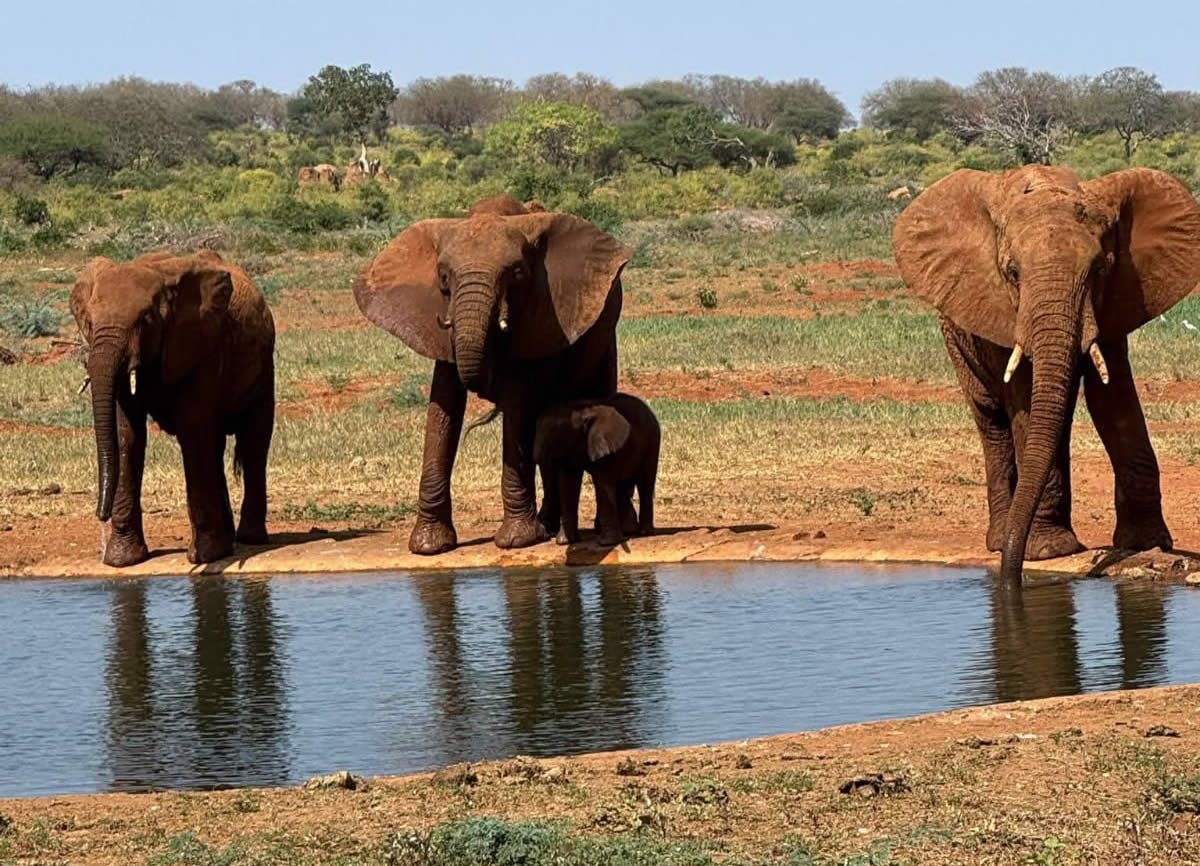
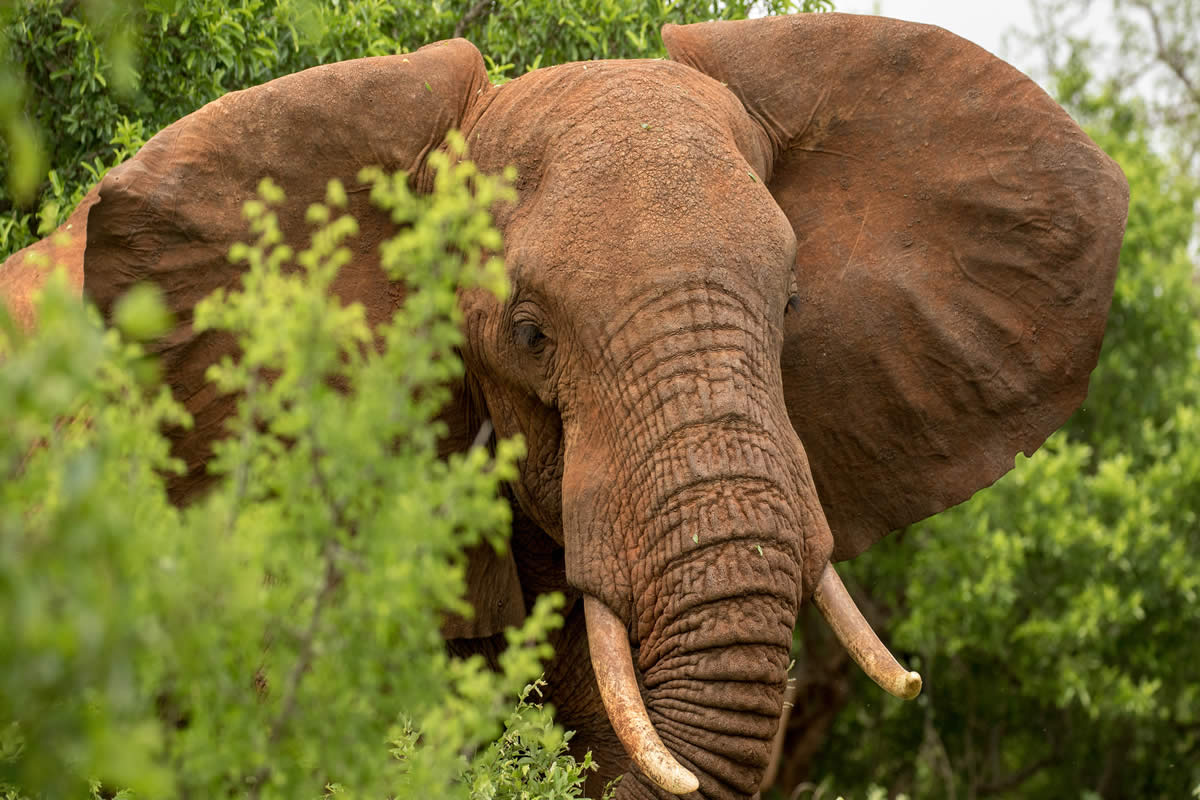
Game drives in Tsavo West National Park offer sightings of red elephants, buffalo, giraffe, lion, leopard and cheetah. The varied terrain — from volcanic ridges to open plains — makes every drive visually distinct.
Many safaris include a visit to Ngulia Rhino Sanctuary for a chance to see endangered black rhinos.
Tsavo West is a major birding destination, particularly around Ngulia Hills, which lies along one of the world’s busiest migratory routes. Seasonal bird-ringing projects take place between October and January, and over 400 bird species have been recorded in the park.
The Shetani Caves, formed through volcanic activity, offer adventurous travellers the opportunity to explore lava tunnels. A torch is essential, and sightings of hyenas and small mammals
are sometimes possible near the entrances.
Hiking opportunities include Chaimu Crater, Ngulia Hills and other volcanic formations. The 300-metre Kichwa Tembo rock presents a rewarding challenge for experienced climbers seeking panoramic wilderness views.
Bordering Tsavo West, Chyulu Hills National Park offers a more exclusive and immersive wilderness experience characterised by rolling green hills, lava tubes and spectacular views of Mount Kilimanjaro.
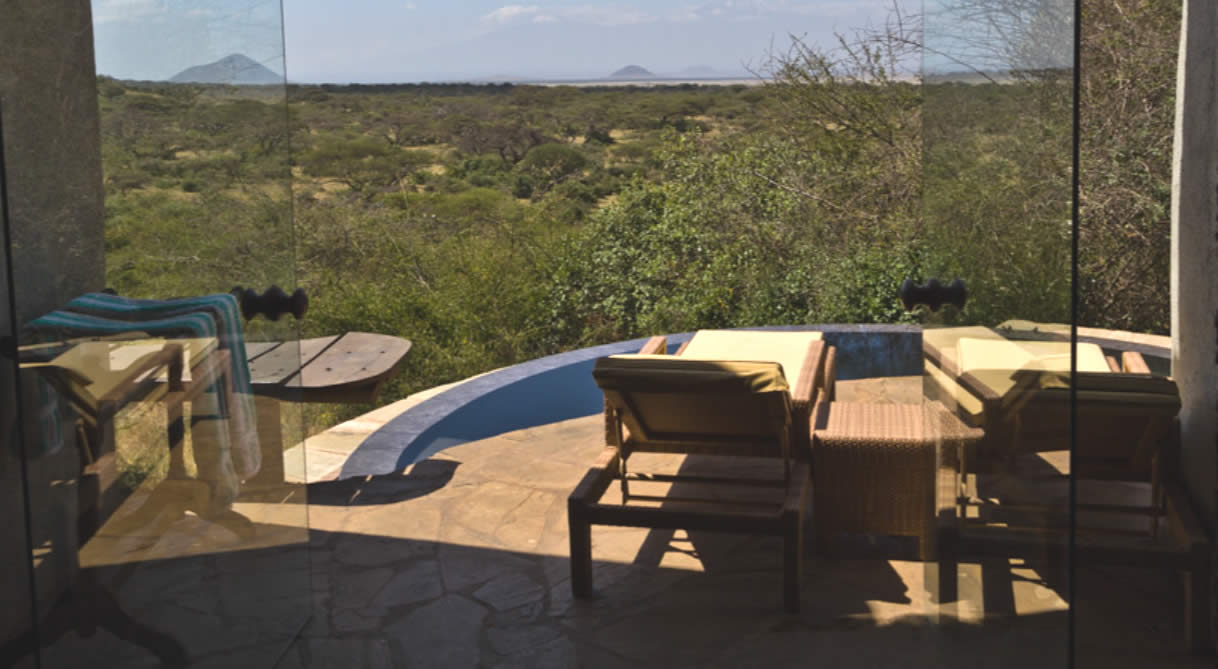
Accommodation in Tsavo West National Park and the neighbouring Chyulu Hills ranges from classic safari lodges to exclusive luxury tented camps. Whether you are seeking panoramic views, rhino encounters, or private conservancy experiences, the region offers options for every level of comfort.
Kilaguni Serena Safari Lodge is one of the oldest and most iconic lodges in Tsavo West National Park. Overlooking a busy waterhole with Mount Kilimanjaro visible on clear days, the lodge offers stone-built rooms, a swimming pool and excellent wildlife viewing directly from the terrace.
Perched dramatically on the edge of the Ndawe Escarpment, Ngulia Safari Lodge offers sweeping views across Tsavo’s vast wilderness. The lodge is located near the Ngulia Rhino Sanctuary and is known for its proximity to rhino sightings and seasonal bird migration activity.
Severin Safari Camp provides an upscale tented safari experience within Tsavo West National Park. Spacious en-suite tents blend comfort with nature, while guided bush walks, sundowners and fine dining elevate the overall safari experience.
Located on a private conservancy on the western edge of Tsavo, Voyager Ziwani Camp offers a quieter, more intimate setting overlooking the Sante River. The camp is ideal for travellers seeking relaxed game drives, nature walks and scenic views toward Mount Kilimanjaro.
The Chyulu Hills bordering Tsavo West offer some of Kenya’s most exclusive safari lodges, set within private conservancies that allow low-density tourism and immersive wilderness experiences.
Finch Hattons is an award-winning luxury tented camp set against the dramatic backdrop of the Chyulu Hills. The camp features spacious suites, infinity pools and a world-class spa. Winner of the World Travel Awards in 2020 and 2022 as Africa’s Best Tented Camp, The Chyulu Spa at Finch Hattons was also recognised as Kenya’s Best Safari Spa in 2022.
Set within a private conservancy between Tsavo and Amboseli, Ol Donyo Lodge offers exclusive suites with rooftop star beds and sweeping views of Mount Kilimanjaro. Activities include guided bush walks, horseback safaris, cultural visits and night game drives not permitted inside national parks.
Campi ya Kanzi is an eco-luxury camp operating in partnership with the Maasai community. The camp emphasises sustainability, conservation and authentic cultural engagement. Guests enjoy guided walking safaris, scenic drives and personalised wilderness experiences in the heart of the Chyulu ecosystem.
Together, Tsavo West National Park and the Chyulu Hills offer accommodation options that range from classic safari lodges to ultra-exclusive luxury camps — making the region suitable for honeymooners, families and seasoned safari travellers alike.
From Nairobi:
Mtito Andei Gate (Kamboyo HQ) is the primary and most convenient gate.
Distance: ~232 km via the A109.
Travel time: ~4–6 hours by road depending on conditions.
Reason: Direct route, good road conditions, close to most lodges in the western park, and easiest for first-time visitors.
From Amboseli National Park:
Chyulu Gate is ideal.
Distance: ~60–80 km depending on the exact route from Amboseli.
Reason: Chyulu Hills are between Amboseli and Tsavo West, so this gate minimizes driving time and allows for scenic access via volcanic landscapes.
From Tsavo East National Park:
Tsavo Gate (sometimes called the western Tsavo gate) or Lake Jipe Gate are best.
Reason: These gates connect the two parks internally, allowing visitors to cross from Tsavo East to West without returning to the Nairobi–Mombasa highway.
Scheduled and charter flights operate from Nairobi Wilson Airport (WIL) to airstrips within Tsavo West and nearby conservancies. Flight duration is approximately 45–60 minutes.