
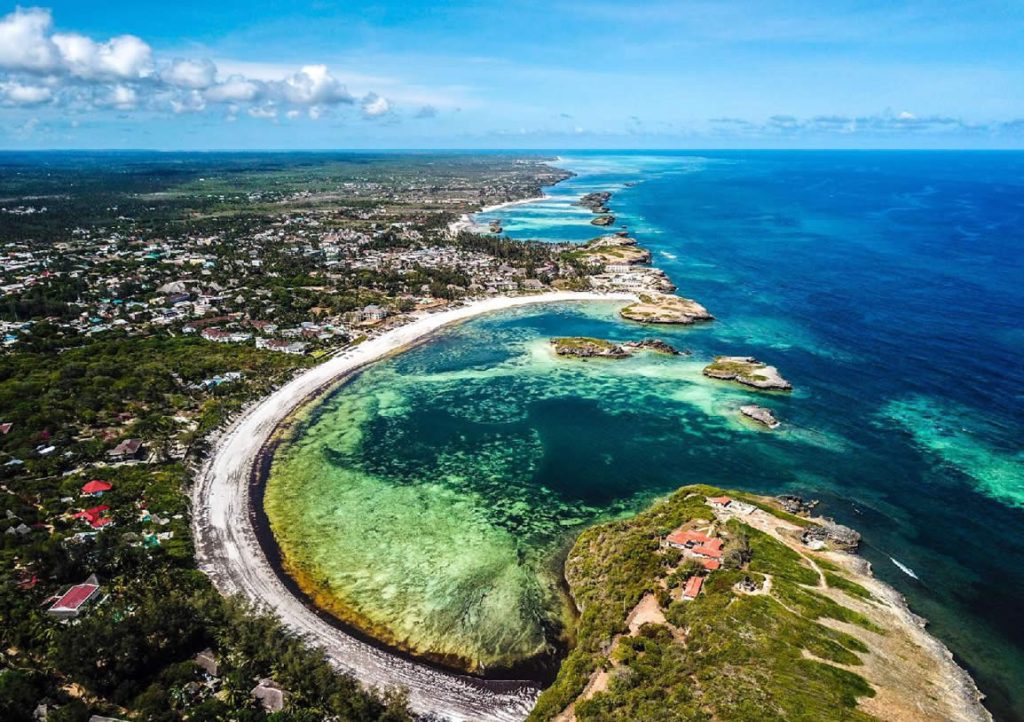
Watamu: Laid Back & Seductive
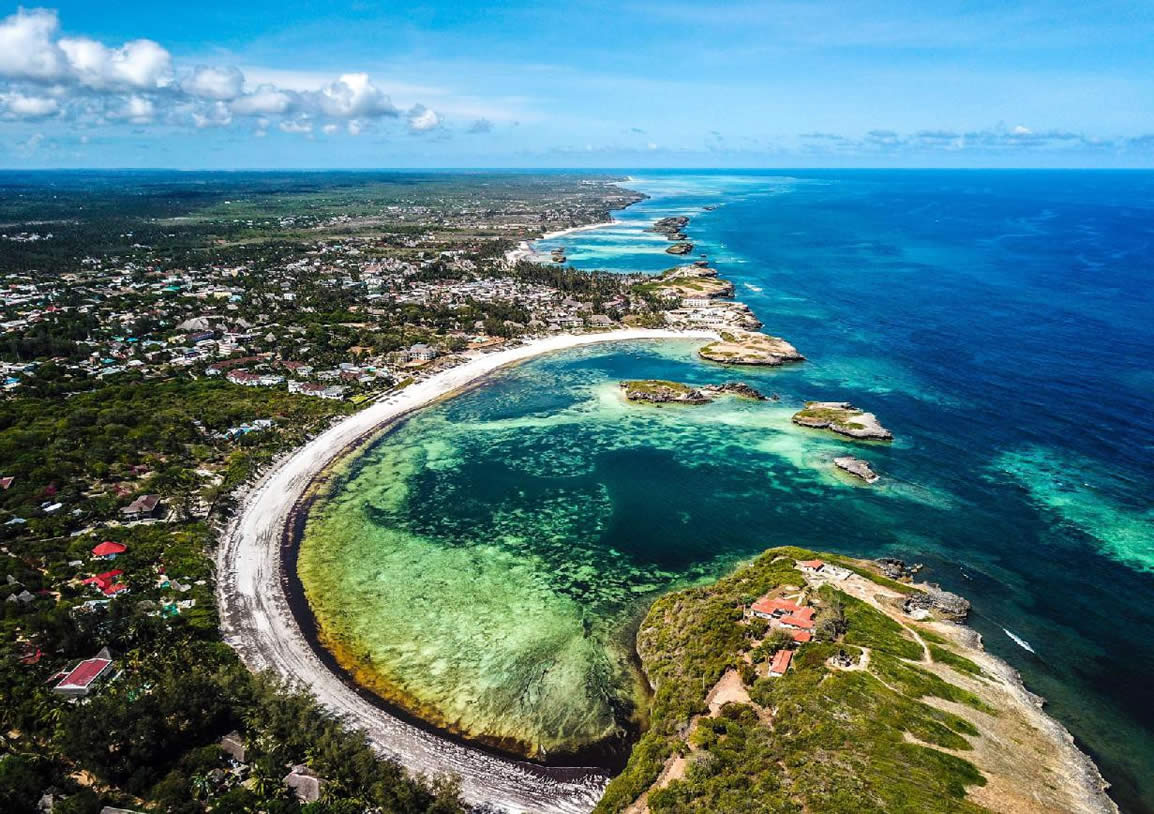
Watamu is south of Malindi, about 15kms away and fringes Malindi as tourist and fishing destination. Watamu’s beaches are protecting by semi-circular bays with soft sands that mingle with shallow, turquoise waters of the warm Indian Ocean.
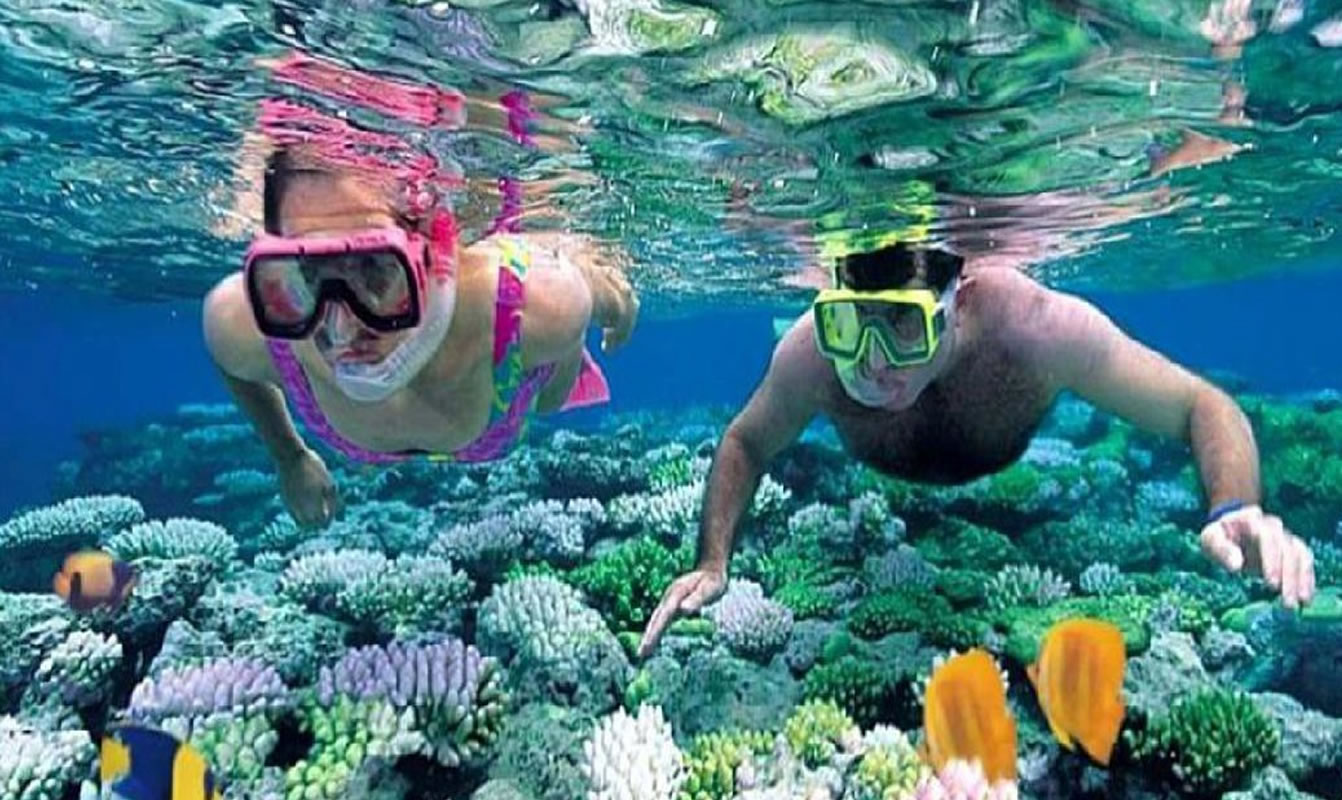
Snorkeling and diving around the offshore coral formations is said to be one of the best in East Africa. Watamu is also an important breeding ground for green and hawksbill turtles.
Watamu beaches are the perfect place to stretch legs, lay back and forget the daily grind, hustles and bustles of life. Those who enjoy coastal activites have a galore to choose from.
Watamu is also a respected deep sea fishing expeditions host.
Watamu
Watamu is one of Kenya’s most celebrated coastal destinations, positioned between Watamu Bay and Blue Lagoon Bay along a protected headland within the Watamu Marine National Park. Known for its powder-white beaches, vibrant coral reef systems and exceptional marine biodiversity, the village blends ecological significance with a relaxed Indian Ocean rhythm. The name “Watamu” derives from Swahili — Wa meaning “people” and Tamu meaning “sweet” — often translated as “sweet people.” Today, the area reflects that character: understated, welcoming and deeply connected to the sea.The Character of the Watamu Sea
Watamu’s coastline lies close to the edge of the continental shelf, where warm equatorial currents sweep near shore. Twice yearly, the monsoon winds transform the temperament of the ocean. During the Kaskazi (northeast monsoon), the sea is typically calm, blue and glassy — ideal for snorkelling, diving and offshore sport fishing. With the arrival of the Kusi (southeast monsoon), conditions become more energetic, creating dramatic seascapes, cooler air and dynamic sailfish action offshore. Coral gardens, seagrass meadows and mangrove ecosystems support turtles, dolphins and seasonal whale migrations. Watamu remains one of East Africa’s most successful marine conservation models, balancing tourism with long-term reef protection.Marine Life & Ocean Experiences
Watamu is among the few places globally where five of the seven sea turtle species are recorded: Green, Hawksbill, Loggerhead, Olive Ridley and Leatherback turtles. Ongoing conservation initiatives have positioned the area as a leader in turtle protection along the Western Indian Ocean. Dolphin sightings are possible throughout most of the year, often observed travelling in pods along established feeding routes near the reef. Between July and October, migrating humpback whales pass along the Kenyan coastline, with peak sightings typically in August as they breed and calve in warmer waters. Deep-sea fishing is a defining feature of Watamu. Few destinations globally offer access to three species of marlin alongside sailfish, broadbill swordfish and shortbill spearfish within close offshore reach.Beaches of Watamu
Jacaranda Bay Beach – A secluded 10-kilometre stretch between Watamu and Malindi. Tidal movements create natural pools and atoll-like formations ideal for swimming and kitesurfing. Watamu Beach (Mapango / Aquarius / Barracuda) – Approximately one kilometre long, bordered by vegetation and turquoise water, offering privacy and excellent snorkelling conditions. Turtle Bay Beach – Located within the marine park, featuring calm shallows ideal for swimming and reef exploration. Garoda Beach – Frequently cited among Africa’s most beautiful beaches, characterised by brilliant white sand and coral outcrops. Papa Remo Beach (Love Bay) – Known for relaxed daytime settings and lively weekend gatherings. Blue Lagoon Bay (Laguna Blu) – A semicircular bay famed for coral gardens, small islets and calm swimming waters.Activities & Nearby Attractions
Popular activities include snorkelling and diving within Watamu Marine National Park, kitesurfing supported by steady trade winds, dhow cruises along Mida Creek through mangrove forests, and visits to the Bio-Ken Snake Farm. Nearby cultural and ecological sites include the Gede Ruins — an ancient Swahili settlement hidden within coastal forest — and Arabuko Sokoke Forest, one of East Africa’s most significant biodiversity reserves.Sport Fishing in Watamu
Where the continental shelf rises sharply from the deep, and the strike can come without warning.Sport Fishing in Watamu
Where the deep ocean meets the reef, and the strike can come without warning.
| Month | Sea Conditions | Key Species | Season Notes |
|---|---|---|---|
| January | Calm Kaskazi seas | Black Marlin, Sailfish, Yellowfin Tuna | Prime blue-water month |
| February | Clear, hot & steady | Black & Blue Marlin | Peak big game season |
| March | Strong offshore conditions | Marlin, Sailfish | Excellent all-round fishing |
| April | Long rains begin | Sailfish tapering | Productive early month |
| May | Kuzi building, rougher seas | Weather dependent | Offshore trips selective |
| June | Steady Kuzi winds | Wahoo, Kingfish | More inshore focus |
| July | Windy but productive | Sailfish, Tuna | Strong sailfish action |
| August | Energetic seas | Sailfish peak | Multiple hook-ups common |
| September | Improving conditions | Sailfish, Dorado | Very productive month |
| October | Transition calm | Dorado, Wahoo | Beautiful seas & clear horizons |
| November | Short rains | Sailfish building | Consistent offshore action |
| December | Kaskazi returns | Sailfish, Tuna | One of the best months of the year |
Seasonal Highlights
Marlin Peak: January – March Sailfish Peaks: December – March & July – September Wahoo & Dorado: Strong during transition and cooler monthsWatamu: A Must Visit
Marine Life & Ocean Experiences
Watamu is among the few places globally where five of the seven sea turtle species are recorded: Green, Hawksbill, Loggerhead, Olive Ridley and Leatherback turtles. Ongoing conservation initiatives have positioned the area as a leader in turtle protection along the Western Indian Ocean.
Dolphin sightings are possible throughout most of the year, often observed travelling in pods along established feeding routes near the reef.
Between July and October, migrating humpback whales pass along the Kenyan coastline, with peak sightings typically in August as they breed and calve in warmer waters.
Deep Sea Fishing
Deep-sea fishing is a defining feature of Watamu. Few destinations globally offer access to three species of marlin alongside sailfish, broadbill swordfish and shortbill spearfish within close offshore reach.
Remarkable Beaches of Watamu
The six beaches of Watamu provide diverse experiences suited for those seeking a relaxed swimming experience, snorkeling and diving, reef exploration, privacy, watersports and weekend fun. There is something for everyone at Watamu.
Activities & Nearby Attractions
Popular activities include snorkelling and diving within Watamu Marine National Park, kitesurfing supported by steady trade winds, dhow cruises along Mida Creek through mangrove forests, and visits to the Bio-Ken Snake Farm.
Visit Arubuko Sokoke Forest
Arabuko Sokoke Forest is one of East Africa’s most significant biodiversity reserves and an Important Bird Area (IBA). Enjoy the nature trails and close encounter with monkeys and small mammals including the famed Elephant Shrew.
Encore with Nearby Malindi
Only few kilometres away, the Watamu experiences is greatly magnified by the attractions of Malindi. One can venture out to visit Gede Ruins, Marafa Depression or the urban life of Malindi Town.
Where to Stay in Watamu
Accommodation
Hemingways, Watamu
Medina Palms, Watamu
How to Get There
By Flight
Watamu is served by Malindi International Airport only 12 kms away
By Road
From Mombasa, Malindi