


Discover Tarangire National Park
Tarangire National Park in northern Tanzania is a spectacular safari destination renowned for its large elephant herds, iconic baobab trees, and diverse wildlife. Unlike other parks on the Northern Circuit, Tarangire offers a more intimate safari experience with vast open landscapes and relatively fewer crowds, making it ideal for wildlife photography and family adventures.
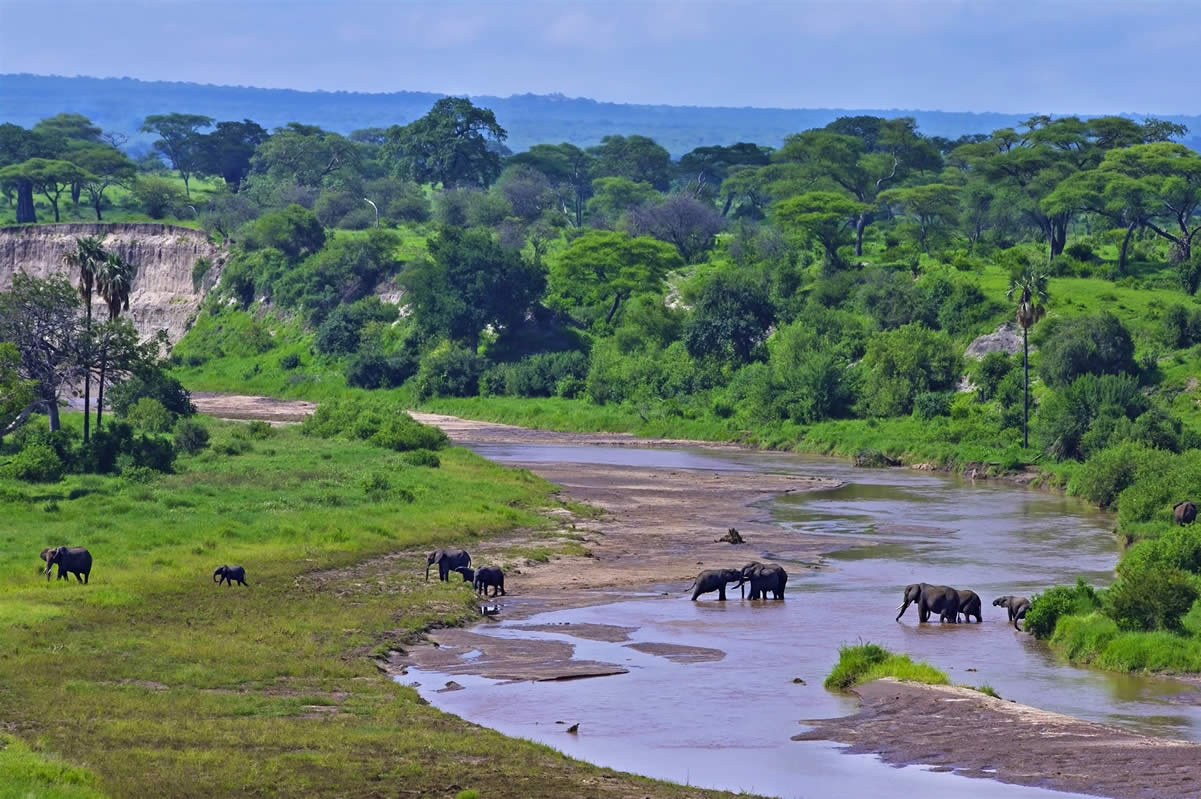
Tarangire National Park’s landscape is dominated by the Tarangire River, which serves as a lifeline during the dry season, attracting concentrations of elephants, buffalo, giraffes, zebras, and a host of predators. Rolling savannahs, swamps, and acacia-studded plains create a stunning backdrop for unforgettable game drives.
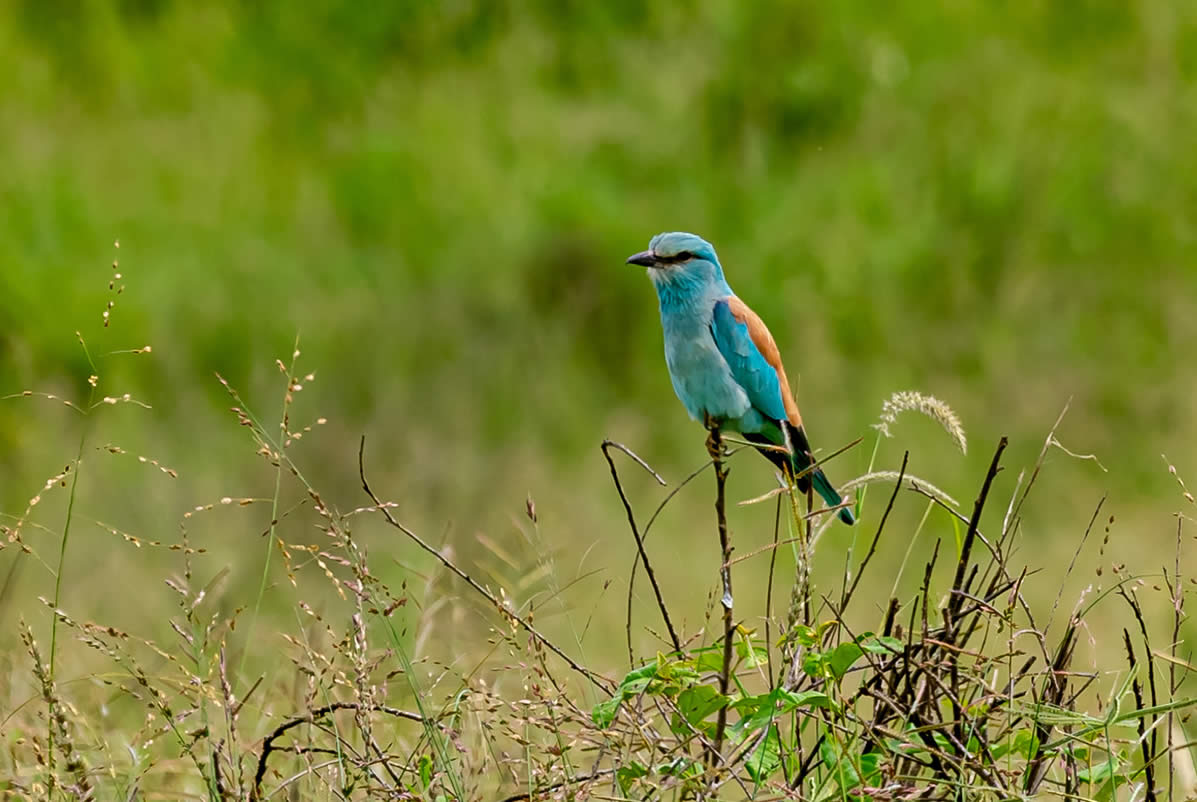
Tarangire National Park is a haven for birdwatchers as well, with over 550 recorded species, including raptors, waterbirds, and woodland specialists. Its combination of unique landscapes, prolific wildlife, and seasonal attractions makes it a must-visit stop on the Northern Tanzania safari circuit.
An Overview of Tarangire National Park
Tarangire National Park is located in northern Tanzania, approximately 70 km (43 miles) southeast of Lake Manyara National Park and about 121 km from Arusha, the gateway to northern Tanzania safaris. Covering nearly 2,850 square kilometres (1,100 square miles), Tarangire National Park forms part of the greater Manyara ecosystem and is one of the most ecologically significant wildlife areas in the region.
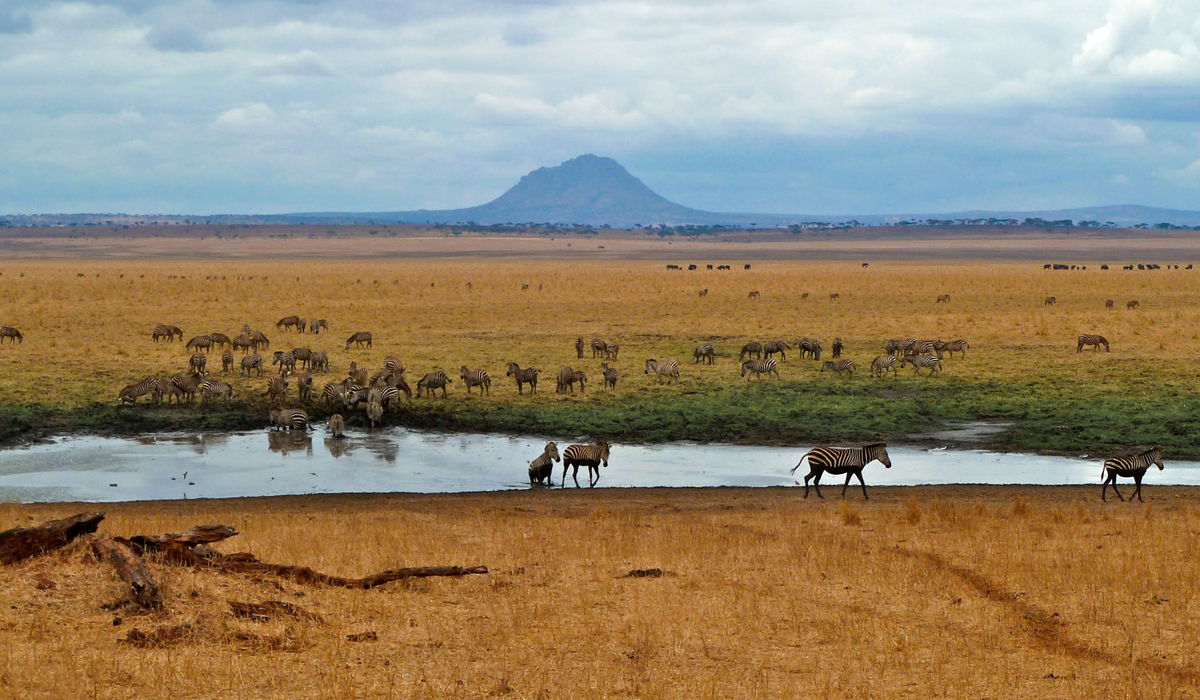
Tarangire National Park derives its name from the Tarangire River, which winds through the landscape and serves as the primary source of water for wildlife, especially during the dry season. Seasonal movements of wildebeest and zebras pass through the area, linking it ecologically to the broader Serengeti ecosystem. Tarangire National Park is particularly famous for its remarkable concentration of elephants and is widely regarded as one of East Africa’s finest birdwatching destinations.
Tarangire National Park experiences a bimodal rainfall pattern, with short rains from November to December and long rains from March to May. The dry seasons, which occur from June to October and again in January and February, offer exceptional wildlife viewing.
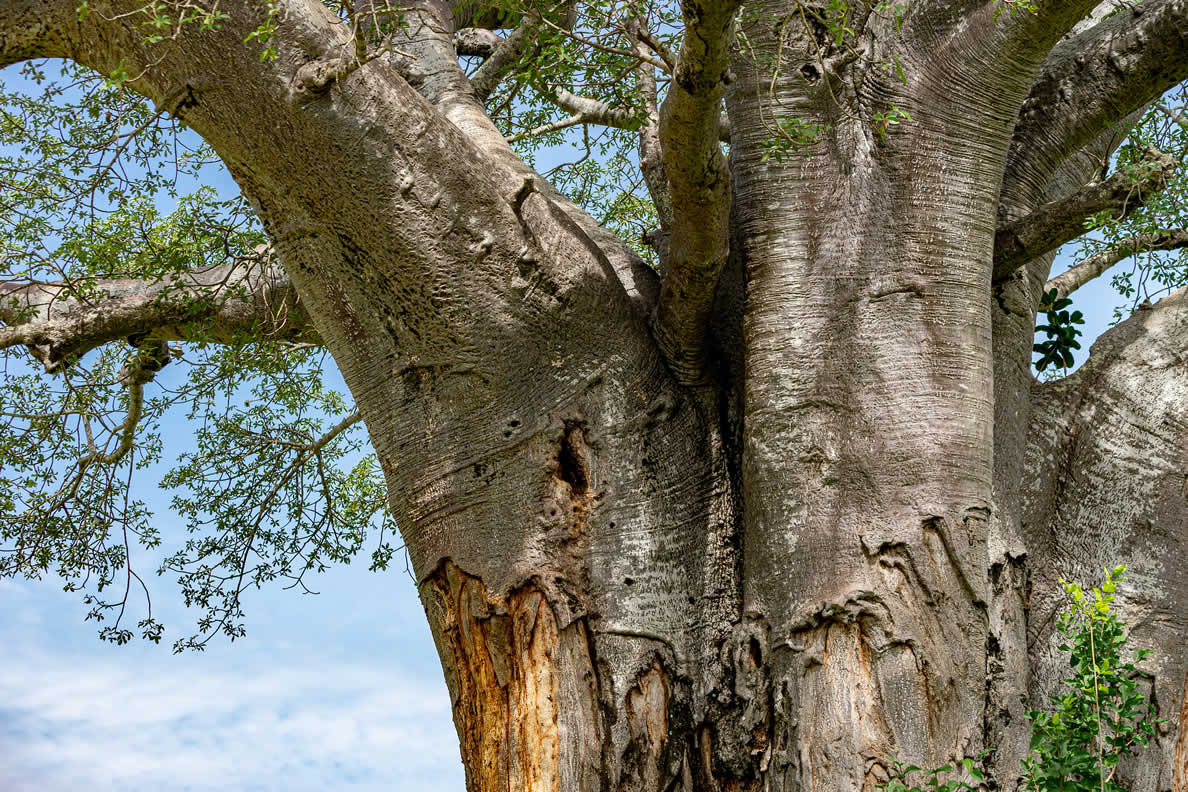
The park’s varied terrain includes open grasslands, granite outcrops, river valleys, swamps, and woodlands dominated by Acacia and Combretum species. Ancient baobab trees, some thousands of years old, stand prominently across the landscape, adding to the park’s distinctive character.
Wildlife in Tarangire National Park
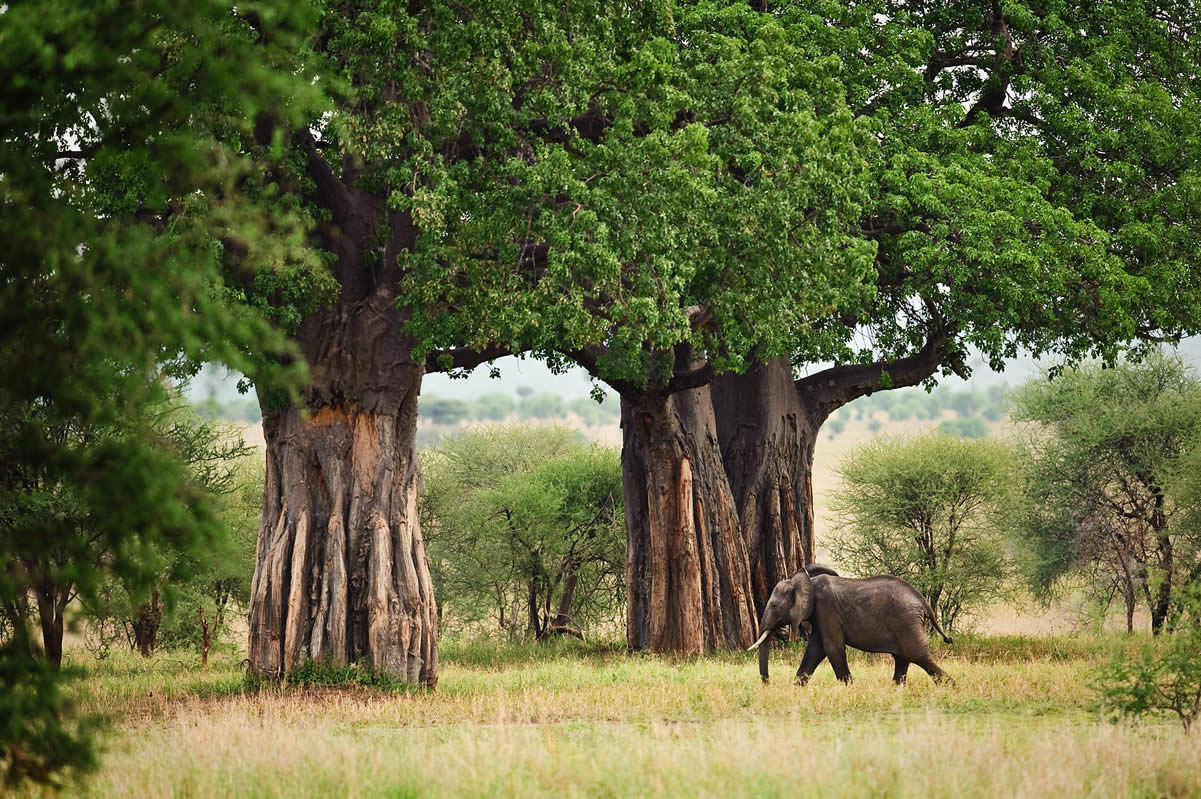
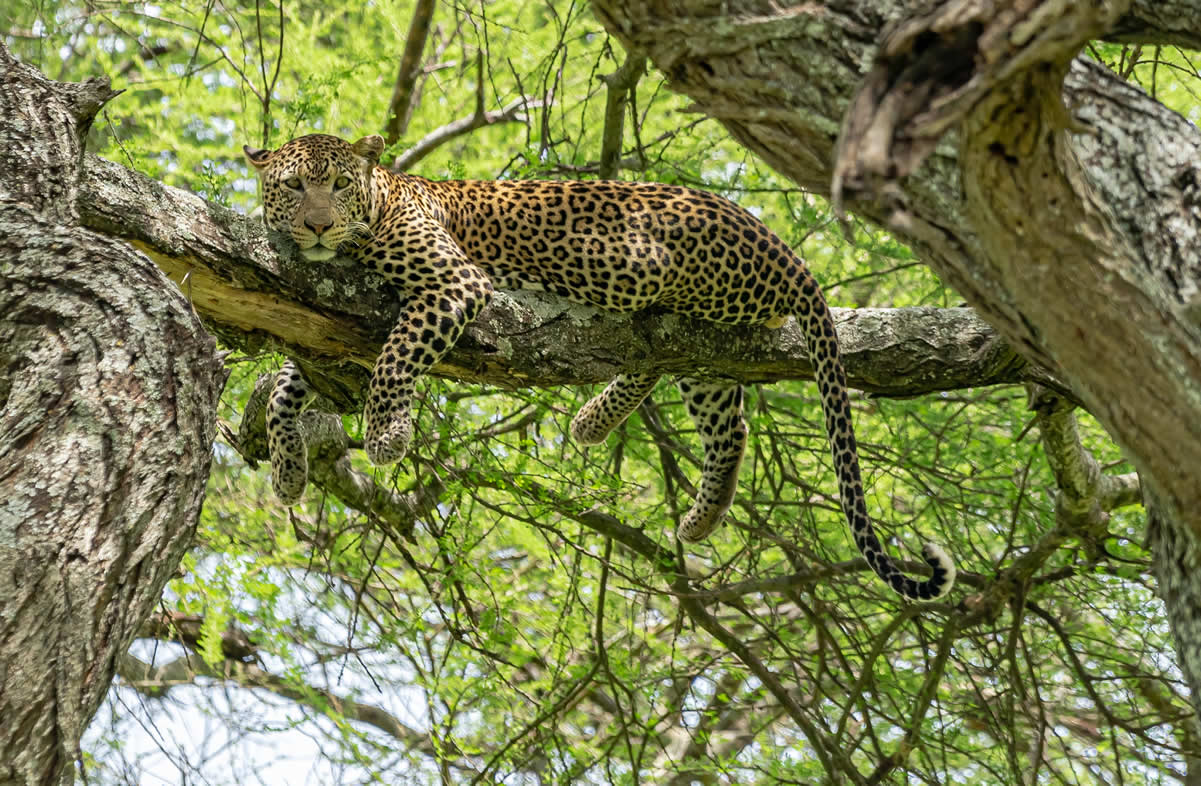
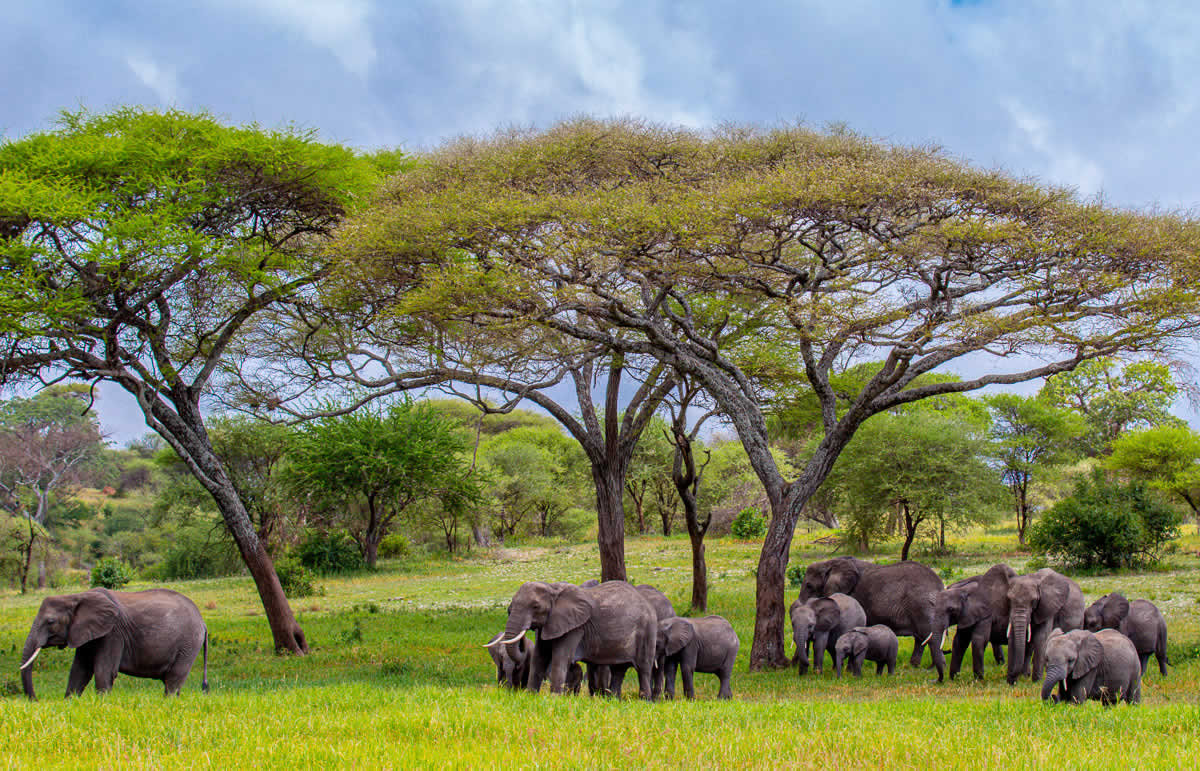
Tarangire National Park is best known for its impressive elephant population, often seen in large herds along the riverbanks. Predators such as lion, leopard, cheetah, African wild dog, and caracal roam the park, and Tarangire National Park is recognized as one of Tanzania’s important Lion Conservation Units.
Other wildlife includes buffalo, giraffe, eland, impala, dik-dik, gazelle, zebra, wildebeest, baboon, vervet monkey, mongoose, and honey badger. During the dry season, wildlife congregates around the Tarangire River, creating game viewing experiences that rival the famous Ngorongoro area. Reptiles such as tree-climbing pythons and tortoises can also be spotted within the park.
Wildlife distribution in Tarangire National Park is largely seasonal and influenced by water and food availability. For optimal viewing, the best time to visit is between June and October, as well as January and February, when animals gather near permanent water sources.
Termite Mounds
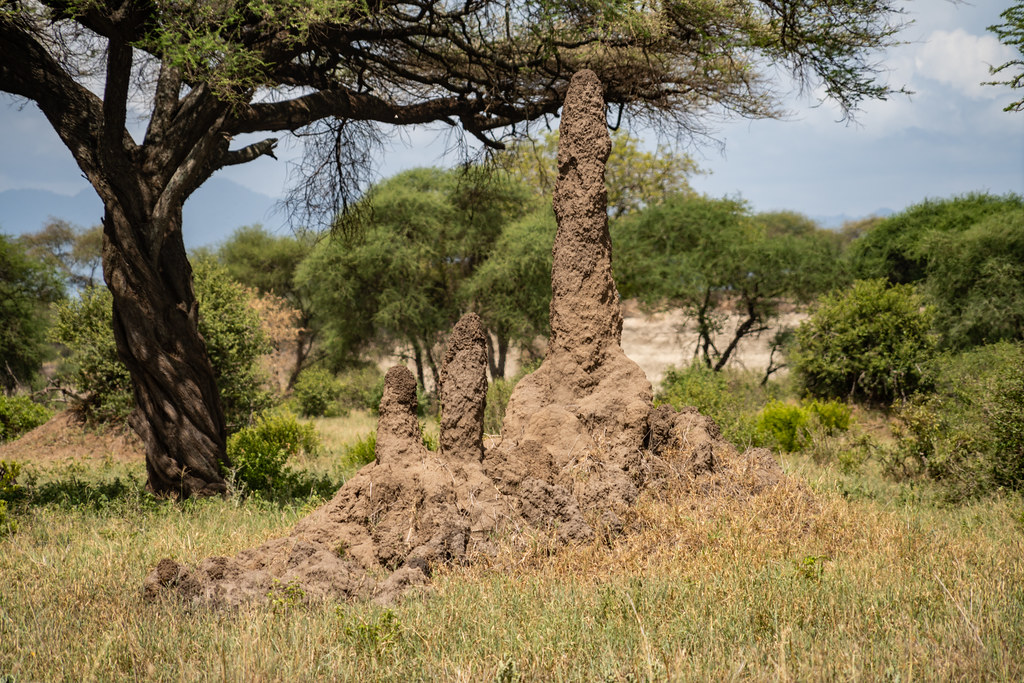
Termite mounds are a distinctive feature of Tarangire National Park and are scattered widely across the landscape. These towering structures, built from soil excavated underground and cemented together with termite secretions, provide lookout points for animals and add texture to the park’s scenery.
Abandoned mounds often become homes for dwarf mongoose colonies and may shelter species such as pangolins, snakes, and aardvarks. They are a fascinating ecological element that contributes to the park’s biodiversity.
Baobab Trees
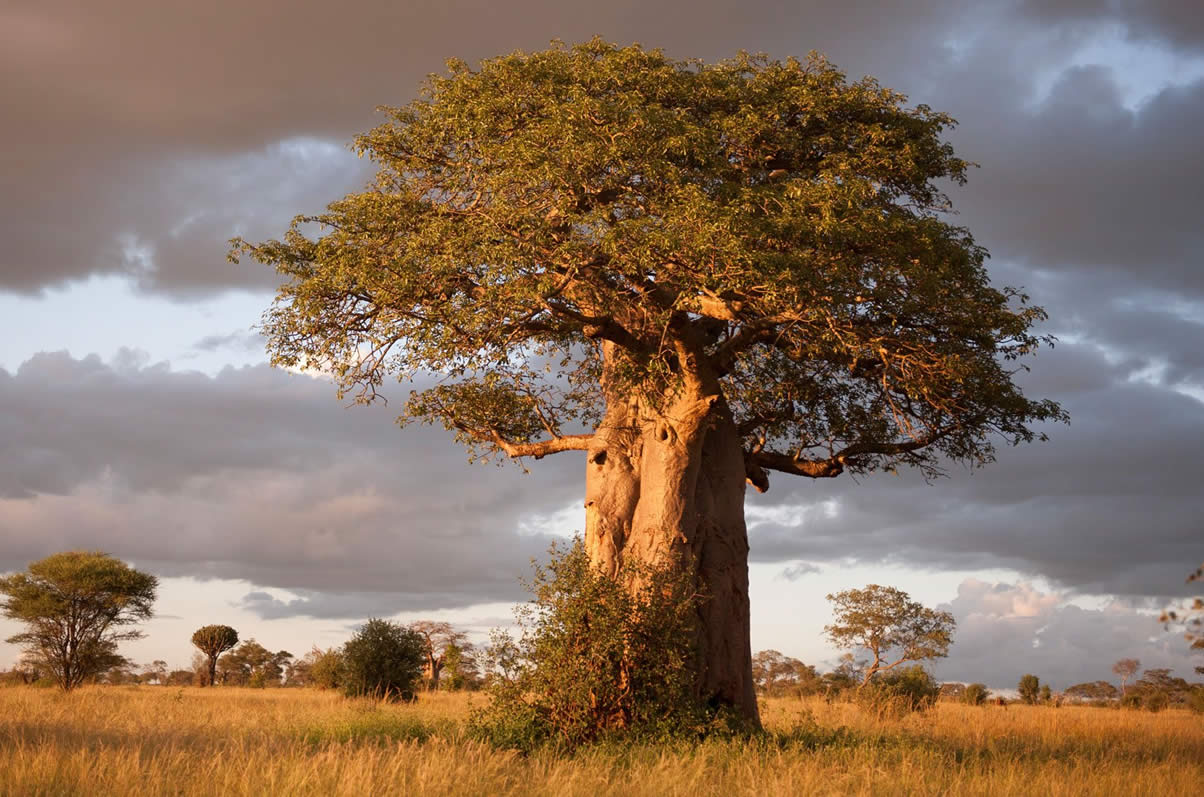
The iconic baobab trees of Tarangire National Park are among the most striking features of the landscape. Some are believed to be over 3,000 years old, with massive trunks that can exceed 30 metres in circumference. These ancient giants dominate the skyline and give Tarangire National Park its unmistakable visual identity.
Tarangire River
The Tarangire River is fed by seasonal sand rivers originating from the eastern and southeastern parts of the park. Flowing northward before eventually draining toward Lake Burunge, it connects to important wetlands such as the Silale, Gurusi, and Larmakau swamps.
Together with its permanent swamps, the Tarangire River forms the critical dry-season lifeline for thousands of migratory animals. This concentration of wildlife along the river creates exceptional game drive opportunities and defines the safari experience within Tarangire National Park.
Bird Life
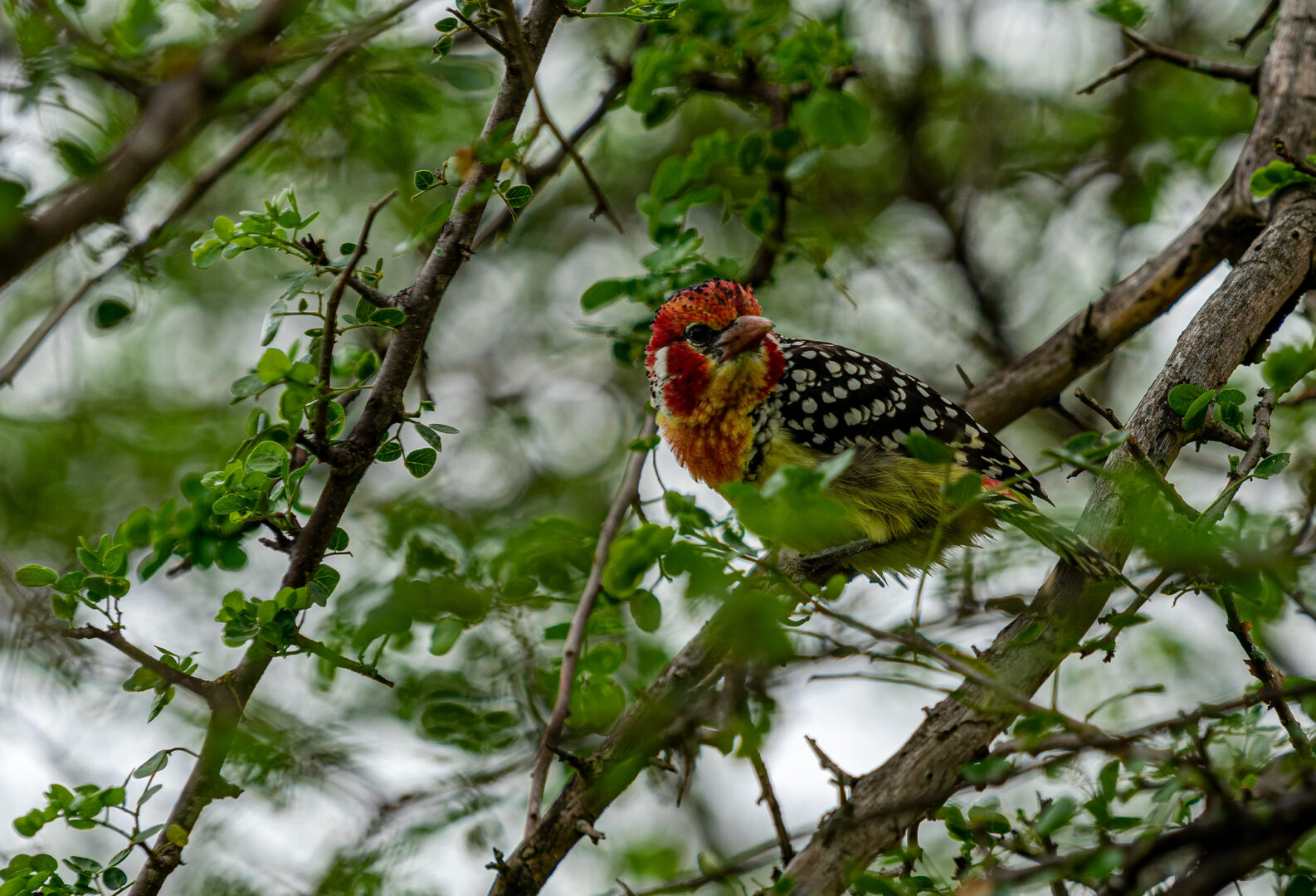
Tarangire National Park boasts over 550 recorded bird species, making it one of Tanzania’s premier birding destinations. Both terrestrial and aquatic habitats support a rich diversity of resident and migratory birds.
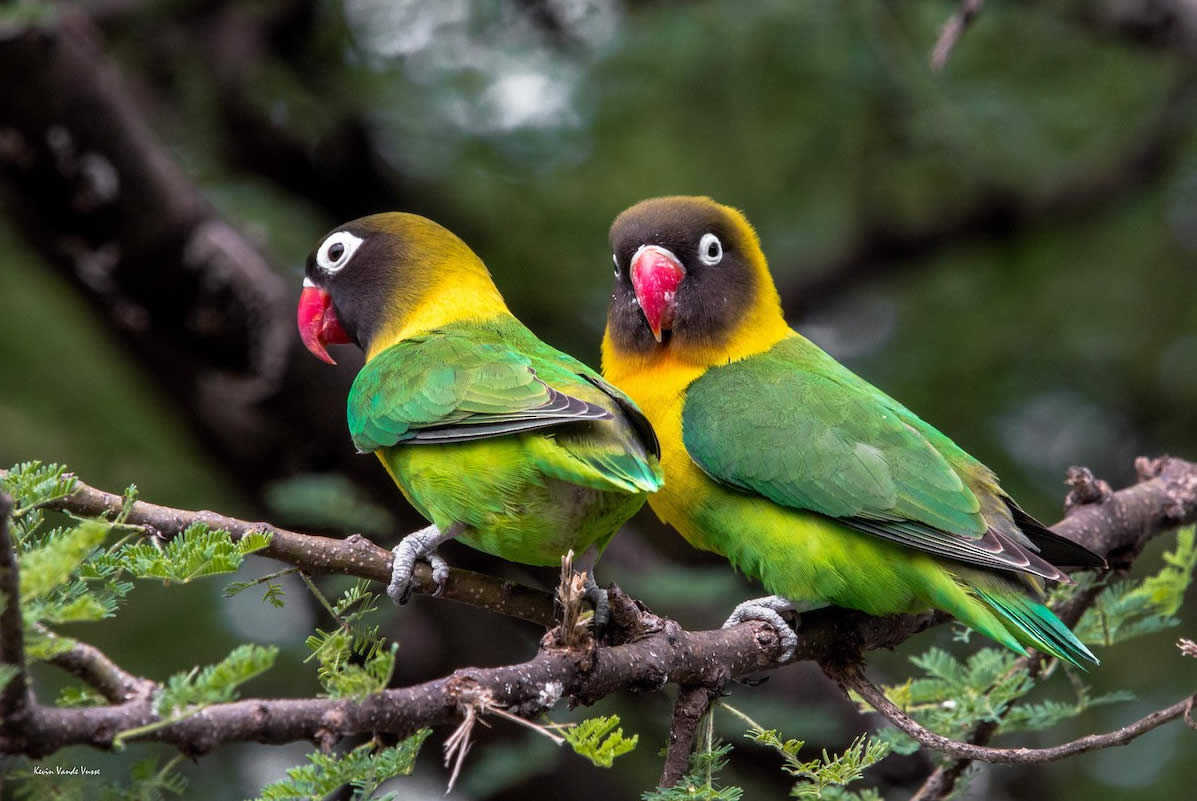
The yellow-collared lovebird, also called masked lovebird, black-masked lovebird or eye ring lovebird, is a monotypic species of bird of the lovebird genus in the parrot family is native to Tarangire and NE Tanzania.
Birdwatchers can expect to see species such as the Secretary Bird, African Open-billed Stork, Spoonbill, Crowned Crane, Ostrich, Yellow-collared Lovebird, Rufous-tailed Weaver, Ashy Starling, Guinea fowl, and various Francolins. The wetlands, floodplains, and Acacia woodlands provide particularly rewarding birdwatching environments.
Why Visit Tarangire National Park?
Massive Elephant Herds
Tarangire National Park is often referred to as Tanzania’s “Elephant Sanctuary” due to its remarkable elephant population. During the dry season, herds numbering up to 300 individuals gather along the Tarangire River, creating one of the most spectacular elephant-viewing experiences in East Africa.
Iconic Baobab Landscapes
The ancient baobab trees of Tarangire National Park dominate the horizon and give the park its unmistakable character. Often called the “Tree of Life,” these giants provide a dramatic backdrop for photography and shelter for wildlife, making every game drive visually striking.
The Tarangire River Lifeline
The Tarangire River is the park’s most important ecological feature. During the dry months (June to November), it becomes the primary water source for wildlife across the ecosystem. Wildebeest, zebras, buffalo, giraffes, and predators congregate along its banks, creating dense concentrations of animals rarely matched elsewhere.
Silale Swamp
Located in the southern section of Tarangire National Park, the Silale Swamp is a permanent wetland that attracts elephants, lions, and other wildlife year-round. Even in the harshest dry periods, this swamp remains a wildlife magnet and offers excellent game-viewing opportunities.
Diverse Predator Sightings
Tarangire National Park offers rewarding predator encounters. In addition to lions and leopards, visitors may spot cheetahs, African wild dogs, and smaller carnivores. While rhinos are rare, the park remains one of Tanzania’s important Lion Conservation Units and provides strong chances of witnessing predator-prey interactions.
A Birdwatcher’s Paradise
With more than 550 recorded bird species, Tarangire National Park ranks among Tanzania’s top birding destinations. From the striking Ashy Starling to the Secretary Bird, Crowned Crane, and Yellow-collared Lovebird, the park’s wetlands, woodlands, and floodplains provide outstanding avian diversity.
Unique Flora and Rare Species
The landscape of Tarangire National Park is dotted with towering termite mounds, many of which are home to dwarf mongoose colonies. The park is also one of the best places in northern Tanzania to see fringe-eared oryx and the elusive greater kudu, species not commonly encountered on the main safari circuit.
Walking Safaris
A walking safari in Tarangire National Park offers an immersive way to experience the African wilderness on foot. Conducted under the guidance of an armed ranger, these excursions allow visitors to learn about tracks, plants, insects, and smaller wildlife often missed on game drives. Best enjoyed in the cool mornings or late afternoons, walking safaris provide a deeper connection to nature.
Hot Air Balloon Safaris
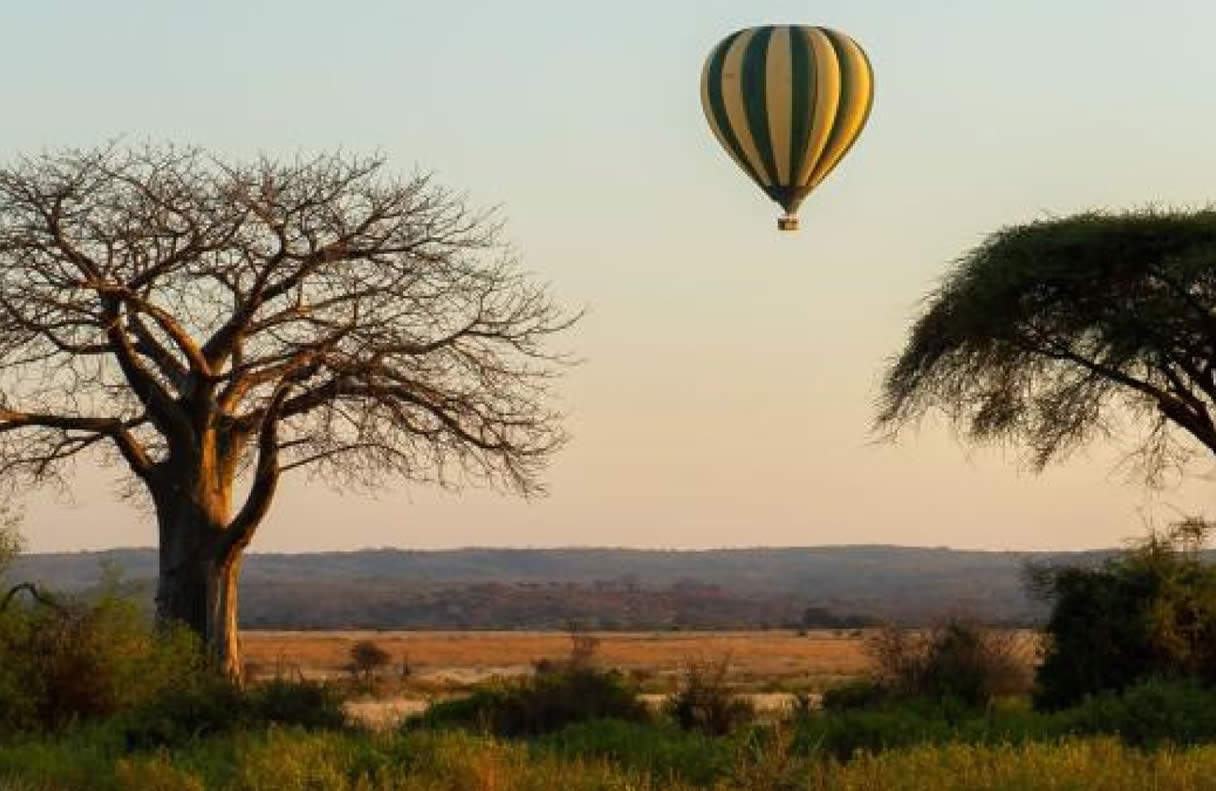
A hot air balloon safari over Tarangire National Park is a breathtaking experience. As the sun rises, golden plains, ancient baobabs, and the winding Tarangire River unfold beneath you. Watching elephants and other wildlife from above offers a peaceful yet exhilarating perspective of this remarkable ecosystem.
Night Game Drives
Night game drives reveal a different side of Tarangire National Park. Under a star-filled African sky, visitors may encounter nocturnal species such as genet, African wild cat, and bush babies, along with predators like lions and leopards on the hunt. The sounds and atmosphere of the bush at night create an unforgettable safari experience.
Where to Stay in Tarangire National Park
Accommodation in Tarangire National Park ranges from simple public campsites to some of Tanzania’s most exclusive safari lodges. The location of your lodge significantly shapes your safari experience — whether you prefer dramatic river views, secluded southern wilderness, or convenient access near the main gate. Choosing the right setting enhances wildlife viewing, comfort, and overall atmosphere.
Where to Stay by Location
Along the Tarangire River (Inside the Park): Lodges positioned near the Tarangire River offer exceptional dry-season wildlife viewing, as elephants, buffalo, and predators gather along this permanent water source.
Southern Tarangire & Silale Area: This quieter, less crowded section of Tarangire National Park is known for large elephant herds and more exclusive safari camps. It provides a more private and immersive wilderness experience.
Near the Main Gate: Lodges located close to the park entrance are ideal for budget and mid-range travelers or shorter itineraries. They provide easy access while maintaining proximity to wildlife areas.
Private Concessions Bordering the Park: Some luxury properties are located in private wildlife areas adjacent to Tarangire National Park. These often allow additional activities such as walking safaris and night game drives not always permitted inside the national park itself.
Budget – Public Campsite
Tarangire Public Campsite (Inside the Park): A popular choice for budget travelers and group safari departures in Tanzania, offering basic facilities and an authentic bush camping experience surrounded by wildlife.
Economy Lodges & Camps
Economy lodges near Tarangire National Park typically provide en-suite tents or cottages with comfortable amenities while maintaining affordable pricing. These properties are generally located near the park boundary or close to the main entrance.
Premier Lodges
Tarangire Sopa Lodge (Inside the Park): Set among ancient baobab trees with sweeping views of the Tarangire River valley, this well-established lodge offers spacious rooms, a swimming pool, and excellent access to wildlife.
Other premier tented camps within or near Tarangire National Park combine refined comfort with intimate bush settings, ideal for couples, families, and photographers.
Luxury & Exclusive Safari Lodges
Tarangire Treetops (Private Conservancy): One of the most exclusive safari lodges in East Africa, featuring elevated treehouse-style suites built around ancient baobabs. With panoramic views, high-end service, and privacy, it offers a truly premium safari experience.
Additional luxury camps inside or bordering Tarangire National Park provide exceptional service, fine dining, and prime wildlife access, often located near the Tarangire River or the Silale Swamp.
Getting to Tarangire National Park
Tarangire National Park is easily accessible from northern Tanzania’s main safari hubs, making it one of the most convenient parks to include on a Northern Circuit itinerary. Located approximately 121 km (75 miles) southwest of Arusha, the drive takes about 2 to 2.5 hours depending on traffic and road conditions.
From Lake Manyara National Park, Tarangire National Park lies about 70 km (43 miles) to the southeast, with a driving time of roughly 1.5 hours. This close proximity makes the two parks a natural combination on multi-day safari programs.
Ngorongoro Conservation Area is approximately 150 km (93 miles) from Tarangire National Park, with a drive time of about 3 to 4 hours depending on routing. Serengeti National Park (via the Ngorongoro highlands and Naabi Hill Gate) is roughly 300 km (186 miles) away and typically requires 6 to 7 hours by road.
By Road
Most visitors reach Tarangire National Park by 4×4 safari vehicle as part of an organized tour or private safari. The main access point is through the Tarangire Main Gate near the town of Babati. Roads are generally well-maintained, though sections inside the park can be rough, especially during the rainy season.
By Air
Light aircraft charter flights operate from Arusha Airport and other Northern Circuit airstrips to nearby airstrips serving Tarangire National Park. Flying reduces travel time significantly and is often preferred for luxury or time-sensitive itineraries.
Best Route Planning
Tarangire National Park is commonly visited at the beginning or end of a Northern Tanzania safari circuit that includes Lake Manyara National Park, Ngorongoro Conservation Area, and Serengeti National Park. Its proximity to Arusha makes it an excellent first stop after arrival.