Capital Safaris

Nyerere National Park

nyerere np

Welcome to Nyerere National Park

Nyerere National Park, formerly part of the famed Selous Game Reserve, is Tanzania’s largest and most diverse wilderness, spanning over 30,000 square kilometers of untamed landscapes. Unlike the northern safari circuits, this park offers a tranquil and exclusive experience where vast Miombo woodlands, wetlands, and winding rivers create a sanctuary for abundant wildlife.

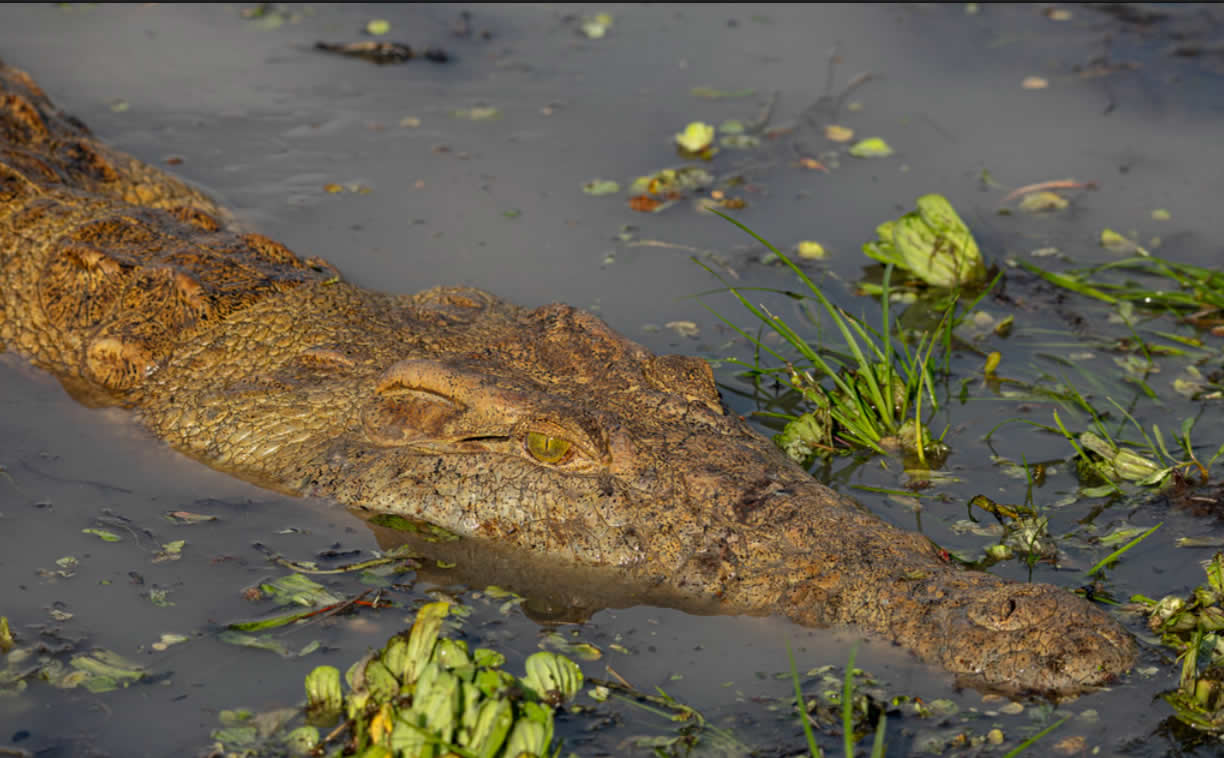
Visitors are treated to unforgettable encounters with the Big Five, large elephant herds, hippos, and the rare and endangered African wild dogs. Boat safaris along the Rufiji River provide a unique perspective on aquatic wildlife, while walking safaris allow adventurers to immerse themselves fully in the sights, sounds, and scents of the bush.

Though relatively new as a national park, Nyerere has quickly earned acclaim as a premier safari destination. Positive reviews from travel platforms, online forums, and visitor feedback highlight its unmatched tranquility, abundant wildlife, and pristine landscapes, making it one of Africa’s most sought-after safari experiences.

Its strategic location, relatively low visitor numbers, and pristine wilderness make Nyerere National Park an ideal destination for travelers seeking both adventure and serenity. Birdwatchers, photographers, and eco-conscious tourists will find a haven here, and the park’s proximity to Zanzibar makes it a perfect “bush-and-beach” combination for a complete Tanzanian safari experience.
Overview of Nyerere National Park

Spanning over 30,000 square kilometers, Nyerere National Park is Tanzania’s largest protected wilderness.

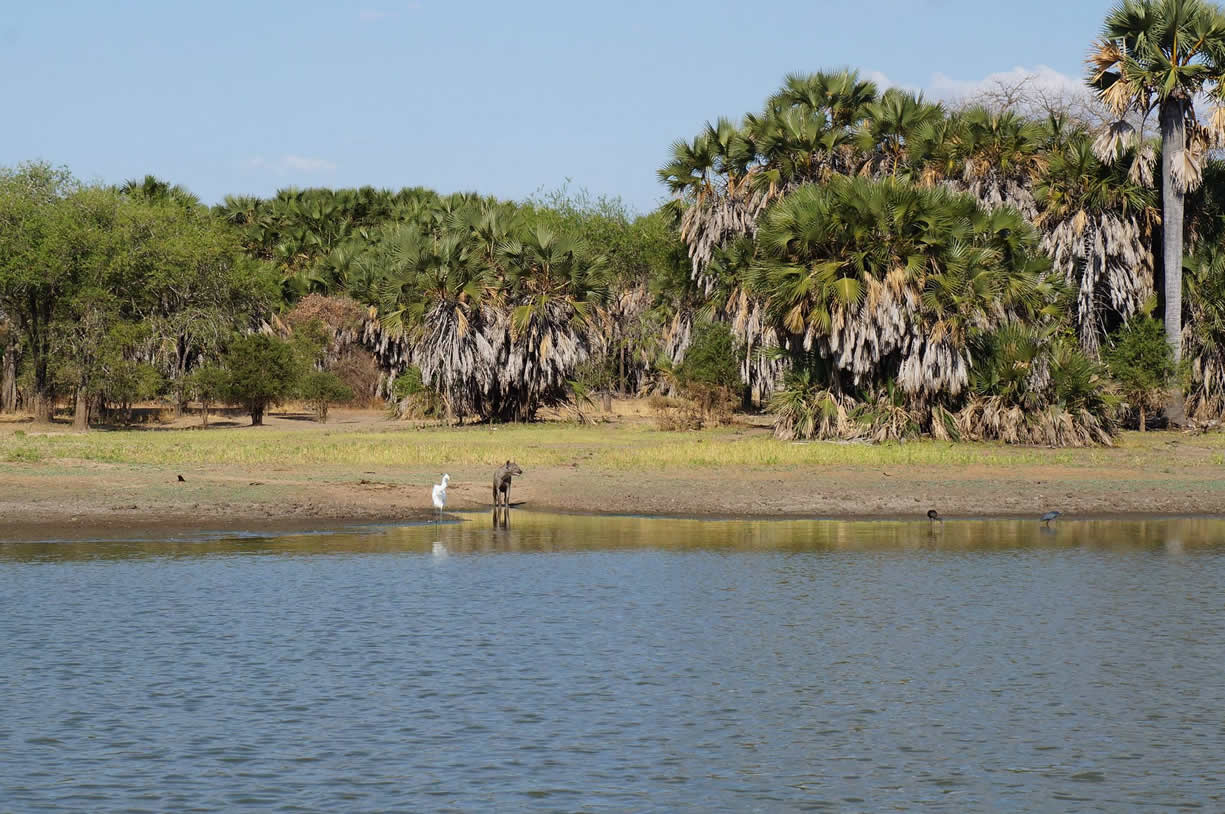
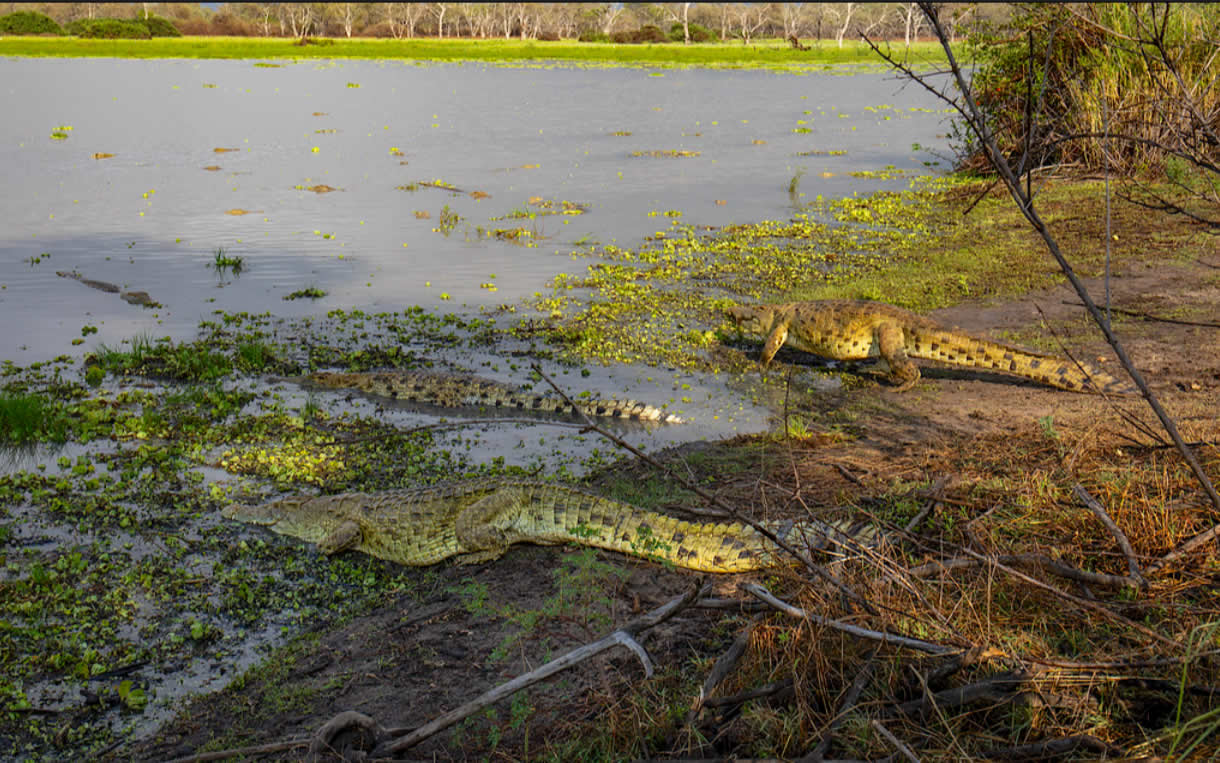
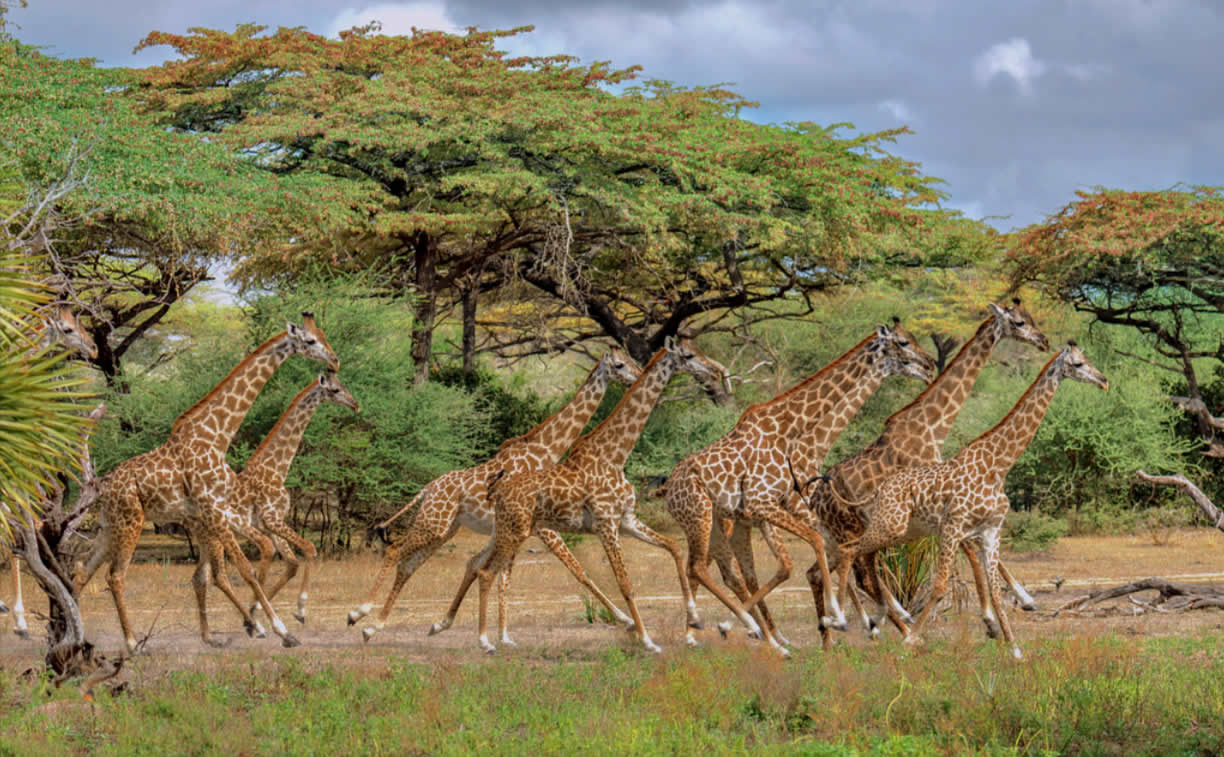
Nyerere National Park encompasses an incredible diversity of habitats, including vast Miombo woodlands, seasonal floodplains, lakes, swamps, and the winding Rufiji River.

The Rufiji river is Tanzania’s largest river and is approximately 200 kilometres (120 mi) south of Dar es Salaam. The river’s delta contains the largest mangrove forest in eastern Africa.

It forms an intricate network of channels, swamps, and lakes, including smaller tributaries and seasonal watercourses like the Sand River, that sustain Nyerere National Park’s diverse ecosystem.

Nyerere National Park thus provides a crucial lifeline and shelter for an extraordinary range of wildlife. This diversity makes it a hotspot for both large mammals and rare species.

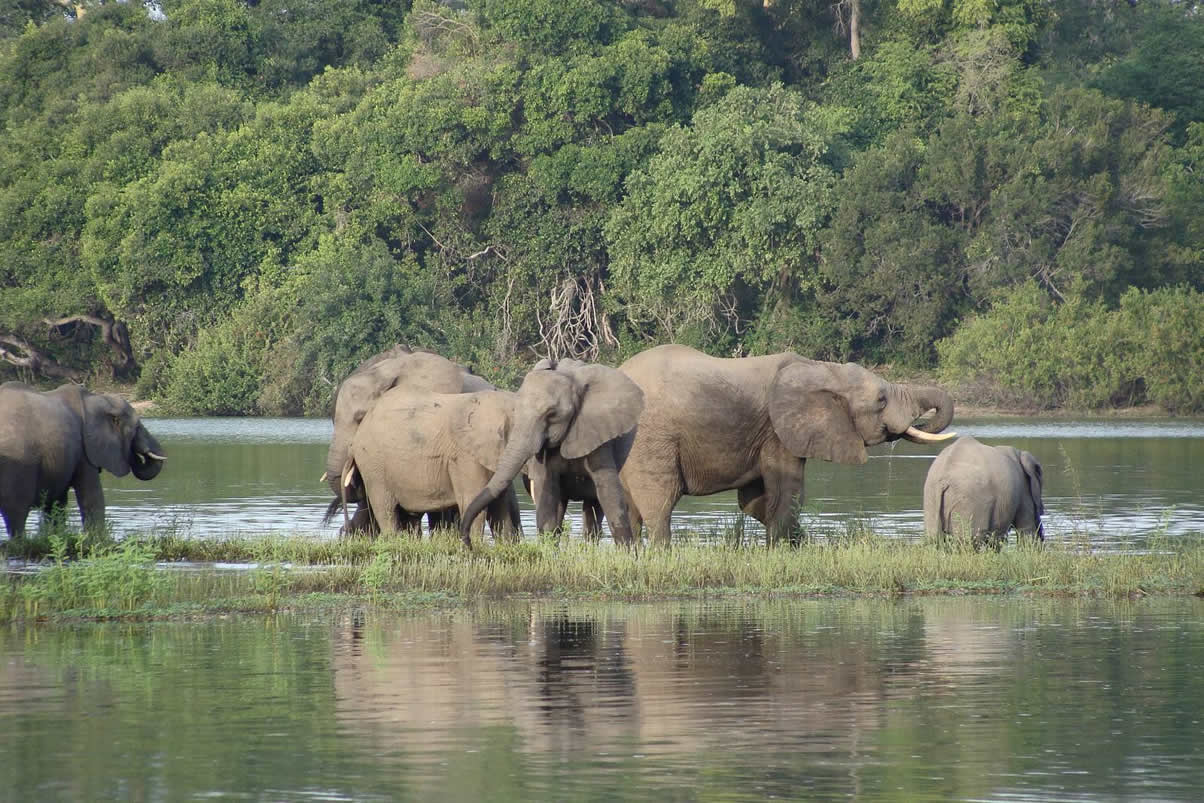
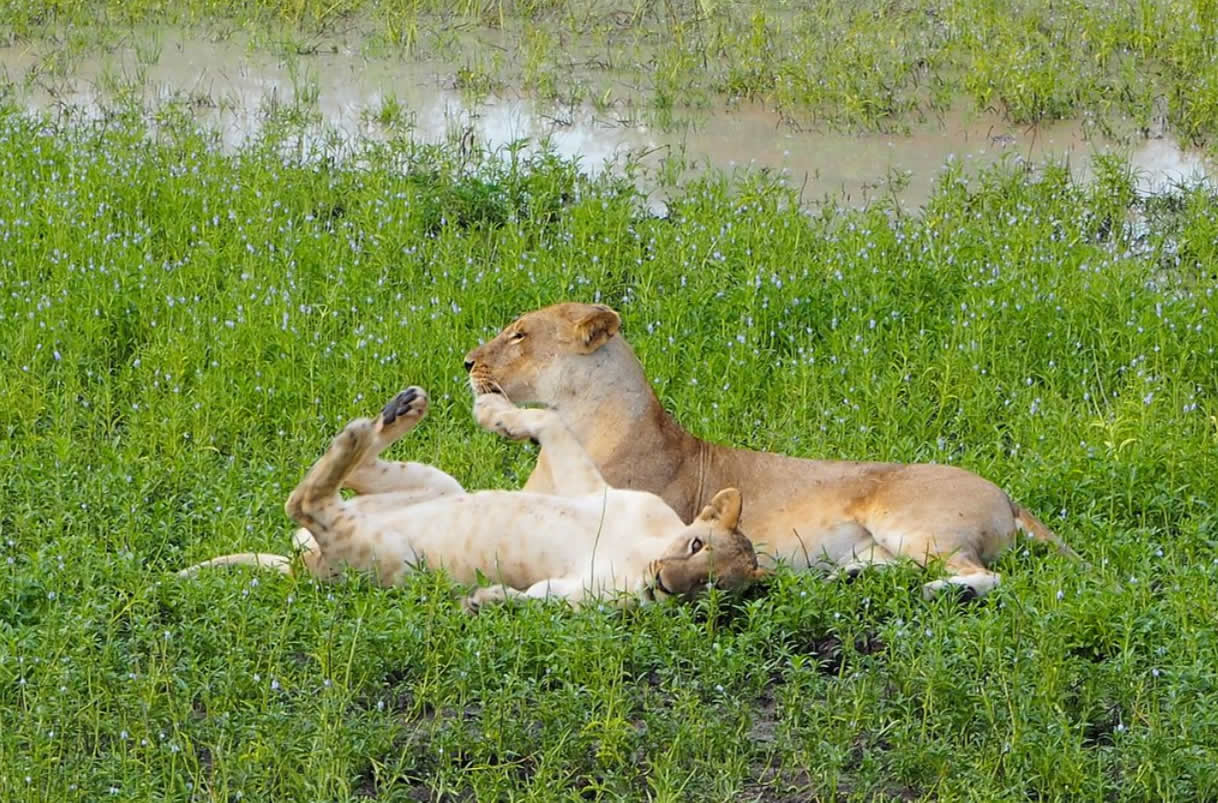
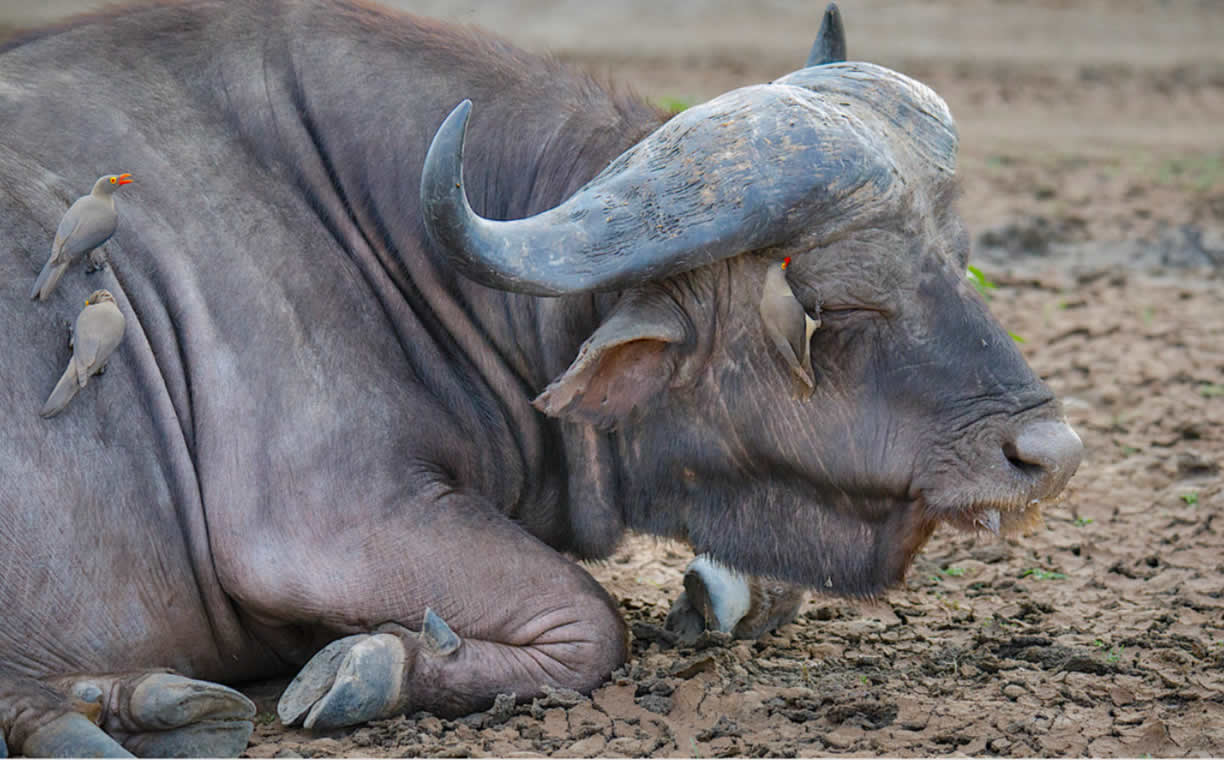
Nyerere National Park is home to the Big Five — elephants, lions, leopards, buffaloes, and rhinos — and boasts some of the continent’s largest herds of elephants.

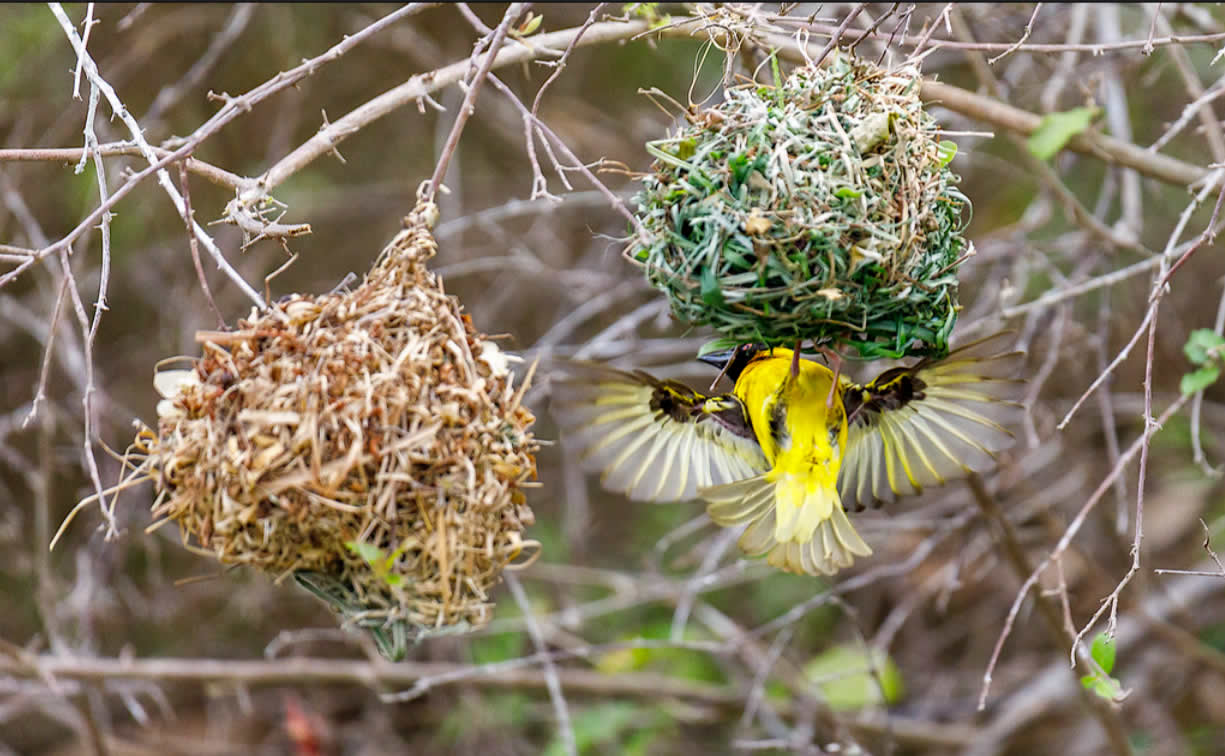
Hippos dominate the rivers, while elusive African wild dogs and cheetahs roam the floodplains. Nyerere is also a birdwatcher’s paradise, hosting over 440 recorded species, including fish eagles, kingfishers, and the vibrant African jacana.

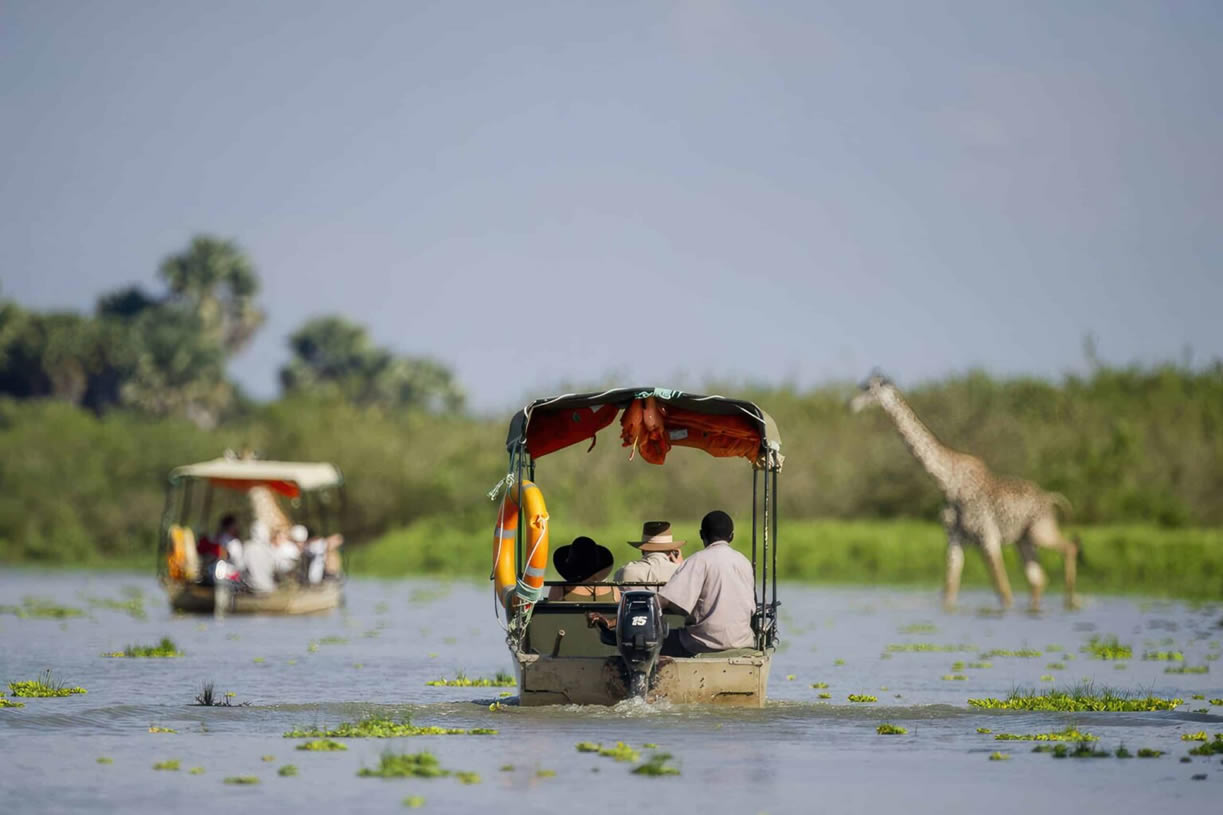
Visitors can enjoy a variety of safari experiences unique to Nyerere. Boat safaris on the Rufiji River offer intimate encounters with aquatic wildlife, while walking safaris immerse travelers in the sounds and sights of the bush.

Seasonal variations create different landscapes, from lush green floodplains after the rains to golden savannahs in the dry season, providing ever-changing scenery for photography, wildlife spotting, and nature appreciation.

Nyerere National Park’s combination of vast untouched wilderness, rich biodiversity, and unique safari experiences ensures that visitors enjoy an exclusive, peaceful, and authentic African safari far from the crowds of northern circuits.

Why Visit Nyerere National Park?

Nyerere National Park is gaining recognition as Tanzania’s largest and most diverse wilderness, spanning over 30,000 square kilometers.

It offers a less crowded, more exclusive alternative to the northern safari circuits, providing a “wilder” and more private safari experience.

Nyerere National Park is renowned for unique water-based boat safaris on the Rufiji River, immersive walking safaris, and abundant wildlife, including the Big Five and the endangered African wild dog.

Diverse Ecosystem & Wildlife: Nyerere National Park boasts a remarkable mix of wetlands, lakes, and Miombo woodlands. Visitors encounter large elephant herds, hippos in the rivers, elusive leopards and cheetahs,

Birdwatchers Paradise. Nyerere National Park is rich in birdlife, with over 440 recorded species. From fish eagles to jacanas, birdwatchers will find endless opportunities for observation and photography.

Unique Safari Experiences: Boat safaris on the Rufiji River allow close-up encounters with aquatic wildlife, while walking safaris immerse travelers in the sights, sounds, and scents of the bush.

Seasonal variations provide ever-changing landscapes, from lush floodplains after the rains to golden savannahs in the dry season.

Exclusivity & Untouched Wilderness: Because it is less visited than parks like the Serengeti, Nyerere delivers a serene and private safari environment. Guests enjoy eco-lodges, luxury safari camps, and intimate bush settings without crowds.

Strategic Location: Its proximity to Zanzibar makes Nyerere a perfect “bush-and-beach” extension for travelers seeking a diverse Tanzanian vacation. A few days in the park can be seamlessly paired with a beach stay for both adventure and relaxation.

Cultural Visits: The fringes of the park are home to Maasai villages, where visitors can learn about traditional lifestyles, customs, and crafts. Cultural interactions enrich the safari experience and provide a deeper understanding of the local heritage.

Dining & Photography: Many lodges and camps provide unique dining experiences in breathtaking locations, ideal for sundowners and bush meals. Photographers and wildlife enthusiasts will find endless inspiration in Nyerere National Park’s vistas, diverse ecosystems, and abundant wildlife.

Sustainable Tourism Focus: Eco-lodges and camps emphasize conservation-conscious practices, ensuring low-impact tourism that benefits the environment and local communities, making every visit responsible and memorable.

Where to Stay in Nyerere National Park

Luxury & High-End Lodges / Camps

  • Beho Beho Safari Camp: Perched on a high riverbank, this exclusive camp offers luxurious bandas with breathtaking views, perfect for couples or private groups seeking seclusion, comfort, and immersive wildlife experiences.
  • Serena Mivumo River Lodge: 12 air-conditioned chalets with private plunge pools along the Rufiji River; ideal for families, honeymooners, or small groups desiring upscale comfort in the heart of the wilderness.
  • Sand Rivers Selous: Stylish open-fronted cottages overlooking the Rufiji River; combines high-end comfort with panoramic wildlife vistas, perfect for photography enthusiasts and nature lovers.
  • Siwandu Camp: Elegant tents on raised wooden decks along Lake Nzerakera; enjoy luxurious amenities while staying close to wildlife in a serene, lakeside setting.
  • Roho ya Selous: Focuses on premium guided safari experiences in a private, luxury environment; perfect for guests seeking tailored wildlife encounters.
  • Kiba Point Camp: Small, intimate thatched-roof cottages; ideal for private groups or families wanting exclusivity and personalized service.
  • Amara Selous: Luxury lodge with private plunge pools and spa facilities, offering a relaxing retreat after active safaris.
  • Retreat Selous: Upscale lodge nestled within the park, offering comfort, privacy, and tailored safari experiences.

Mid-Range & Comfortable Tented Camps

  • Rufiji River Camp: One of the original camps, offering permanent tents on the riverbank; cozy and authentic safari experience with easy access to wildlife.
  • Lake Manze Camp: Rustic yet comfortable, near diverse wildlife habitats; excellent for immersive bush experiences and walking safaris.
  • Impala Camp: Eco-friendly tented rooms on raised platforms; combines comfort with close-to-nature living.
  • Mbuyu Safari Camp: Situated along the Rufiji River; offers well-appointed tents and prime game viewing opportunities.
  • Africa Safari Nyerere: Near the Mtemere gate; provides bungalows, pools, and family-friendly amenities.
  • Selous Jimbiza Camp: Affordable and rustic; riverside bandas and treetop rooms cater to travelers seeking authentic, off-the-beaten-path safari experiences.

Specialized & Unique Experiences

  • Beho Beho Treehouse: Romantic, one-night-only treehouse perched above the canopy; ideal for couples seeking privacy and a unique wilderness experience.
  • Impala Fly-Camping: Mobile, temporary camps set up for adventurous guests who want to sleep under the stars and experience the bush intimately.

Child-Friendly Options:

For families, lodges such as Serena Mivumo River Lodge, Beho Beho Safari Camp, and Africa Safari Nyerere provide family-sized chalets or bandas, safe environments, pools, and easy access to guided safari activities. These options ensure children can enjoy wildlife safely while parents relax in comfort.

All accommodations are strategically located within or on the edges of the park, offering convenient access to the Rufiji River, main game areas, and park gates for guided safari drives, walking safaris, and boat excursions.

Getting There

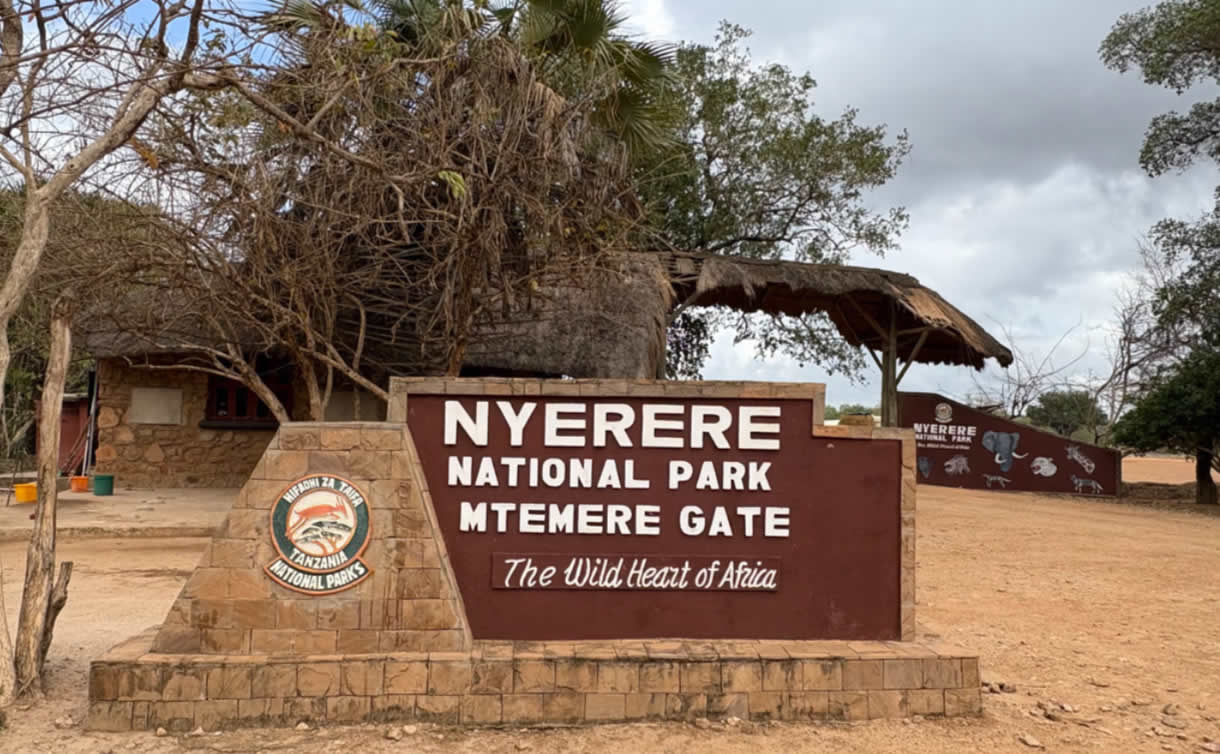
Reaching Nyerere National Park is most efficiently done by air, offering a comfortable 1–2 hour flight from either Arusha Airport (ARK) or Kilimanjaro International Airport (JRO) to one of the park’s airstrips such as Mtemere or Siwandu.

This avoids the long, arduous 12–15 hour drive of roughly 750 km, which is generally not recommended for visitors seeking a stress-free start to their safari.

By Air (Recommended)

  • Departure Airports: Arusha Airport (ARK) or Kilimanjaro International Airport (JRO).
  • Arrival Airstrips: Mtemere, Sumbazi, Siwandu, Beho Beho, and Matambwe, providing convenient access to lodges and camps within the park.
  • Airlines: Coastal Aviation, Auric Air, Safari Air Link, and Regional Air operate daily flights, offering flexible schedules for safari travelers.
  • Convenience: Flying is the most comfortable and time-efficient option, allowing guests to maximize their time enjoying the park rather than spending hours on the road.

Visitors are advised to book flights in advance, especially during peak safari seasons. Many lodges also coordinate transfers from the airstrips to their facilities, ensuring a smooth, hassle-free start to the safari experience.

Exit mobile version