


Discover the breathtaking beauty of the Ngorongoro Crater, one of Tanzania’s most iconic safari destinations. From the dramatic crater rim to the lush floor teeming with wildlife, this UNESCO World Heritage Site offers an unforgettable experience for travelers seeking both adventure and tranquility. Whether you are planning a day visit or a multi-day safari, choosing the right place to stay will enhance your journey.
Accommodation options around the Ngorongoro Crater cater to every taste and budget. From budget-friendly public campsites and comfortable lodges in Karatu, to luxurious tented camps and premium lodges right on the crater rim, there is something for every traveler. Staying close to the crater provides stunning sunrise views and easy access for early morning wildlife drives.
Explore our curated selection of Ngorongoro Crater lodges and campsites to find your perfect base. Whether you prefer the intimacy of a tented safari experience or the comfort of a luxury lodge, your stay can be tailored to suit your needs, ensuring that your visit to the Ngorongoro Conservation Area is as memorable as the wildlife encounters themselves.
An Overview of Tarangire National Park
Tarangire National Park is located in northern Tanzania, approximately 70 km (43 miles) southeast of Lake Manyara National Park and about 121 km from Arusha, the gateway to northern Tanzania safaris. Covering nearly 2,850 square kilometres (1,100 square miles), Tarangire National Park forms part of the greater Manyara ecosystem and is one of the most ecologically significant wildlife areas in the region.
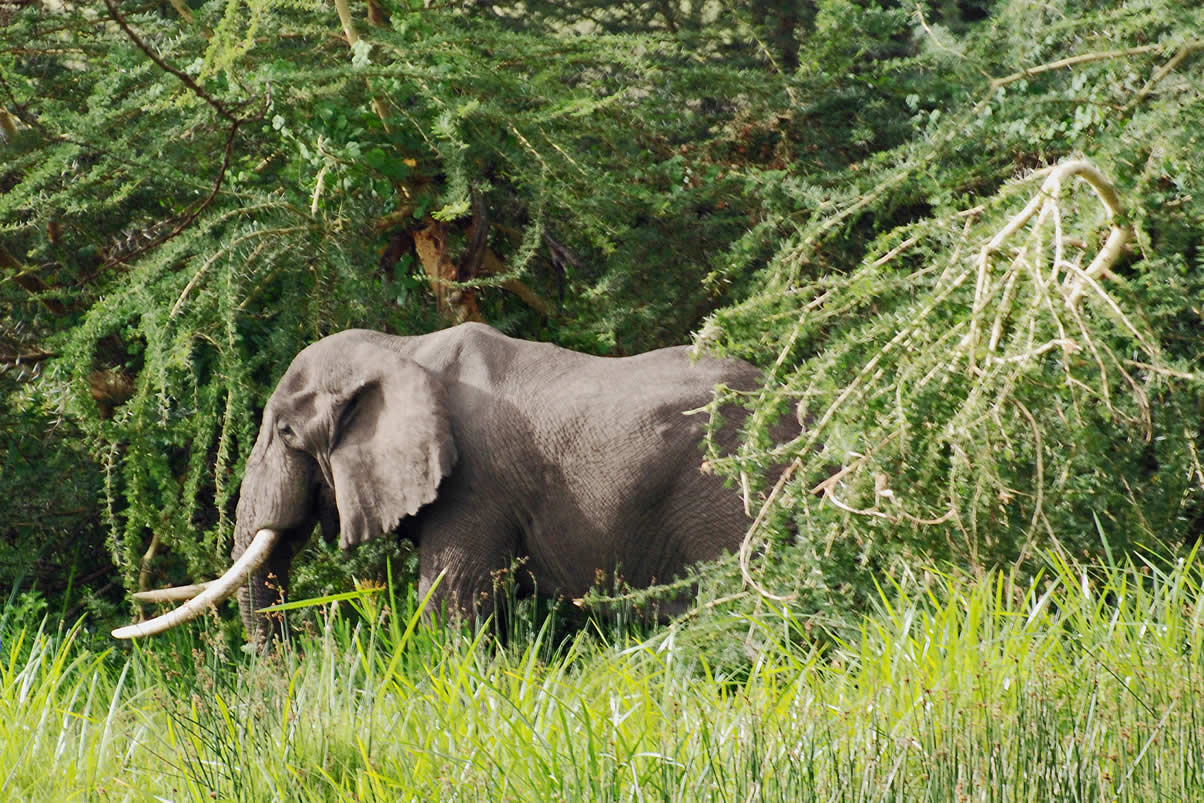
Tarangire National Park derives its name from the Tarangire River, which winds through the landscape and serves as the primary source of water for wildlife, especially during the dry season. Seasonal movements of wildebeest and zebras pass through the area, linking it ecologically to the broader Serengeti ecosystem. Tarangire National Park is particularly famous for its remarkable concentration of elephants and is widely regarded as one of East Africa’s finest birdwatching destinations.
Tarangire National Park experiences a bimodal rainfall pattern, with short rains from November to December and long rains from March to May. The dry seasons, which occur from June to October and again in January and February, offer exceptional wildlife viewing.
The park’s varied terrain includes open grasslands, granite outcrops, river valleys, swamps, and woodlands dominated by Acacia and Combretum species. Ancient baobab trees, some thousands of years old, stand prominently across the landscape, adding to the park’s distinctive character.
Wildlife in Tarangire National Park
Tarangire National Park is best known for its impressive elephant population, often seen in large herds along the riverbanks. Predators such as lion, leopard, cheetah, African wild dog, and caracal roam the park, and Tarangire National Park is recognized as one of Tanzania’s important Lion Conservation Units.
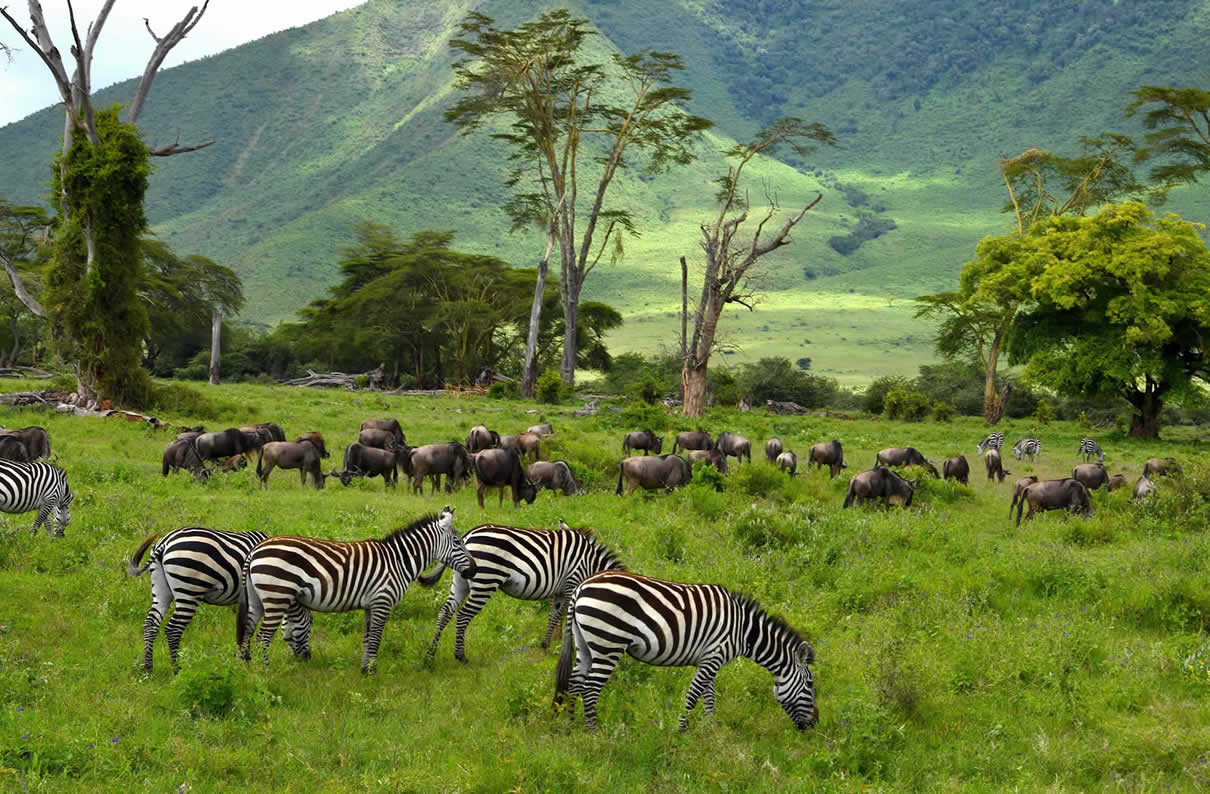
Other wildlife includes buffalo, giraffe, eland, impala, dik-dik, gazelle, zebra, wildebeest, baboon, vervet monkey, mongoose, and honey badger. During the dry season, wildlife congregates around the Tarangire River, creating game viewing experiences that rival the famous Ngorongoro area. Reptiles such as tree-climbing pythons and tortoises can also be spotted within the park.
Wildlife distribution in Tarangire National Park is largely seasonal and influenced by water and food availability. For optimal viewing, the best time to visit is between June and October, as well as January and February, when animals gather near permanent water sources.
Termite Mounds
Termite mounds are a distinctive feature of Tarangire National Park and are scattered widely across the landscape. These towering structures, built from soil excavated underground and cemented together with termite secretions, provide lookout points for animals and add texture to the park’s scenery.
Abandoned mounds often become homes for dwarf mongoose colonies and may shelter species such as pangolins, snakes, and aardvarks. They are a fascinating ecological element that contributes to the park’s biodiversity.
Baobab Trees
The iconic baobab trees of Tarangire National Park are among the most striking features of the landscape. Some are believed to be over 3,000 years old, with massive trunks that can exceed 30 metres in circumference. These ancient giants dominate the skyline and give Tarangire National Park its unmistakable visual identity.
Tarangire River
The Tarangire River is fed by seasonal sand rivers originating from the eastern and southeastern parts of the park. Flowing northward before eventually draining toward Lake Burunge, it connects to important wetlands such as the Silale, Gurusi, and Larmakau swamps.
Together with its permanent swamps, the Tarangire River forms the critical dry-season lifeline for thousands of migratory animals. This concentration of wildlife along the river creates exceptional game drive opportunities and defines the safari experience within Tarangire National Park.
Bird Life
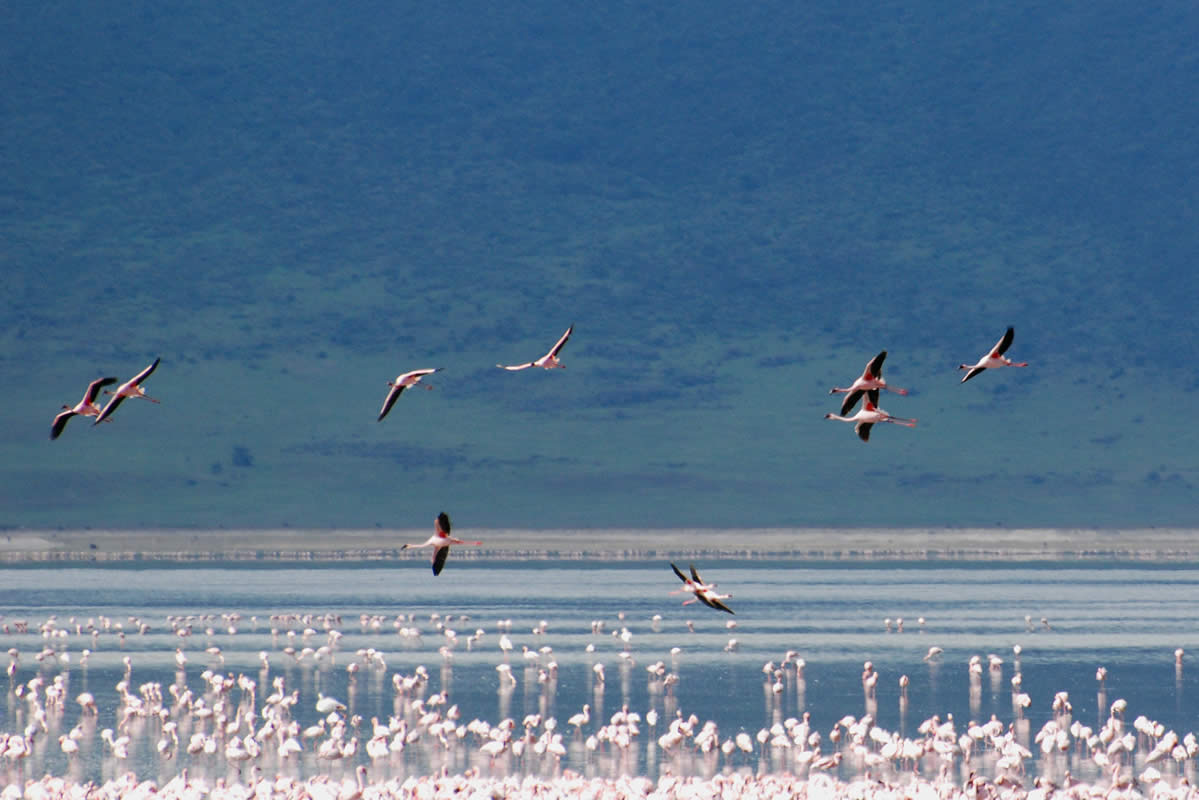
Tarangire National Park boasts over 550 recorded bird species, making it one of Tanzania’s premier birding destinations. Both terrestrial and aquatic habitats support a rich diversity of resident and migratory birds.
The yellow-collared lovebird, also called masked lovebird, black-masked lovebird or eye ring lovebird, is a monotypic species of bird of the lovebird genus in the parrot family is native to Tarangire and NE Tanzania.
Birdwatchers can expect to see species such as the Secretary Bird, African Open-billed Stork, Spoonbill, Crowned Crane, Ostrich, Yellow-collared Lovebird, Rufous-tailed Weaver, Ashy Starling, Guinea fowl, and various Francolins. The wetlands, floodplains, and Acacia woodlands provide particularly rewarding birdwatching environments.
Why Visit Ngorongoro Crater?
Unmatched Wildlife Density
Ngorongoro Crater offers one of the highest concentrations of wildlife in Africa. With approximately 25,000 large animals inhabiting the crater floor, game drives are exceptionally rewarding. In a single morning, visitors may encounter elephants, buffalo, hippos, hyenas, zebras, wildebeest, and large prides of lions — often within just a few hours.
Few safari destinations provide such consistent and reliable wildlife viewing in such a compact area.
One of the Best Places to See Black Rhino
The Crater provides one of Tanzania’s most dependable opportunities to observe endangered black rhinoceros in their natural environment. While rhino sightings are rare in many parts of Africa, Ngorongoro’s protected ecosystem has allowed a small but stable population to survive.
For many travelers, this completes the Big Five experience.
The World’s Largest Intact Volcanic Caldera
Descending 400–600 meters into the Crater feels like entering a vast natural amphitheatre. Measuring approximately 16–19 km across, this intact caldera is a geological masterpiece. Grasslands, acacia forests, swamps, and soda lakes coexist within its walls, creating an ecosystem unlike anywhere else in the world.
It is a rare fusion of dramatic landscape and exceptional wildlife.
Predator Stronghold
Ngorongoro Crater supports Africa’s densest known population of lions. Large prides dominate the plains, while hyenas, jackals, and occasionally leopards contribute to a dynamic predator-prey balance. Wildlife behavior here is immediate and often dramatic, making for memorable sightings.
High-Impact Safari in a Short Time
Because of its size and wildlife density, Ngorongoro Crater delivers an incredibly productive safari within a limited timeframe. Even a half-day descent can yield remarkable sightings, making it ideal for travelers with structured itineraries.
Culture, Conservation & Human Origins
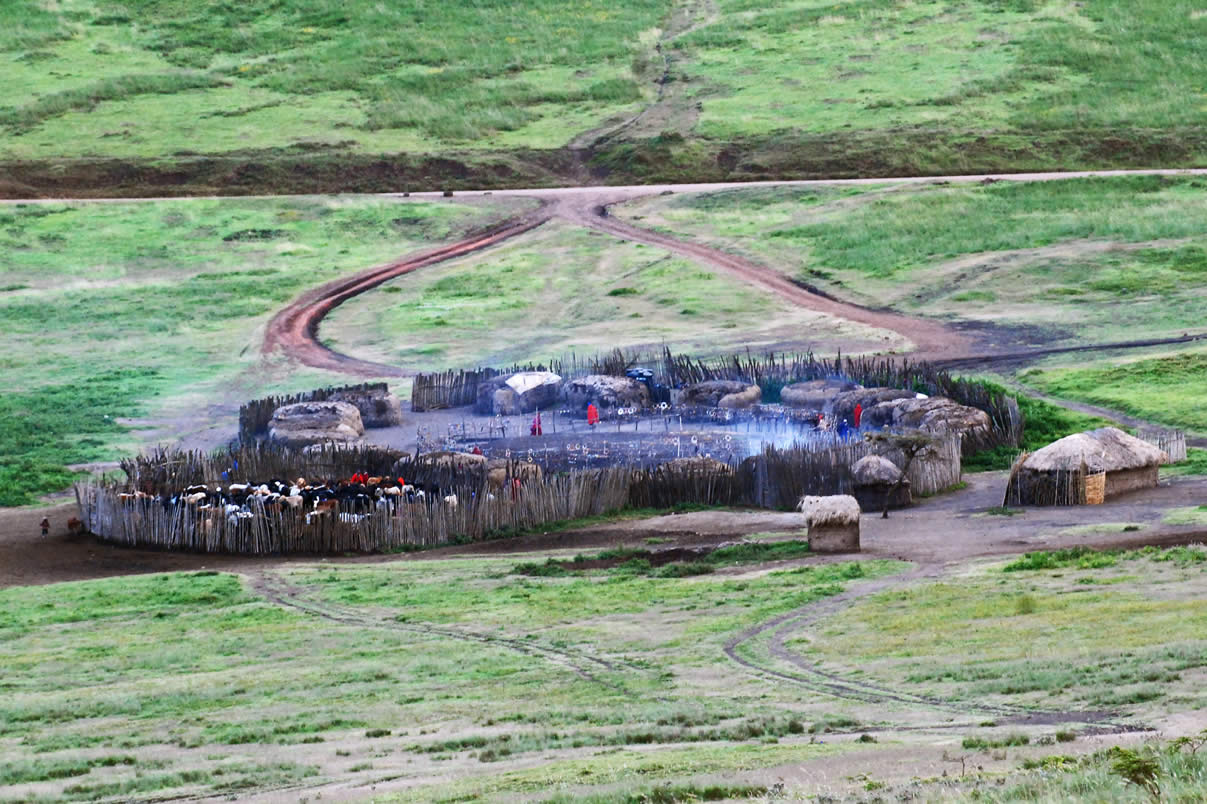
Ngorongoro is where wildlife, culture, and archaeology intersect. Within the broader Ngorongoro Conservation Area, Maasai pastoralists continue traditional livestock practices alongside wildlife. Nearby Oldupai Gorge and the Laetoli footprint site add a profound human history dimension to any visit.
Few safari destinations combine natural wonder with living cultural heritage in such a meaningful way.
Part of the Great Migration Ecosystem
While the main herds of the Great Migration roam the southern Serengeti and Ndutu plains, the Ngorongoro ecosystem forms a vital part of this movement. During calving season (January–March), the surrounding plains host one of the most dramatic wildlife spectacles on Earth.
Activity Summary
Game Drives
Morning descents into the Crater offer the best wildlife viewing opportunities. Full-day and half-day game drives are both common, with picnic lunches often enjoyed near hippo pools.
Cultural Visits
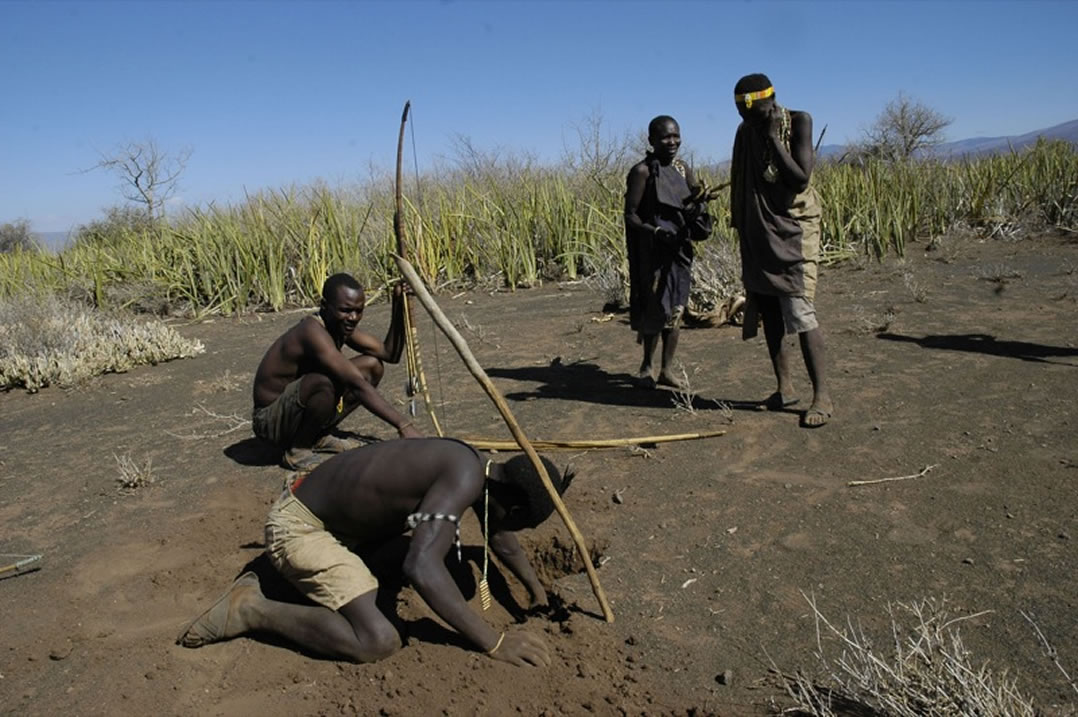
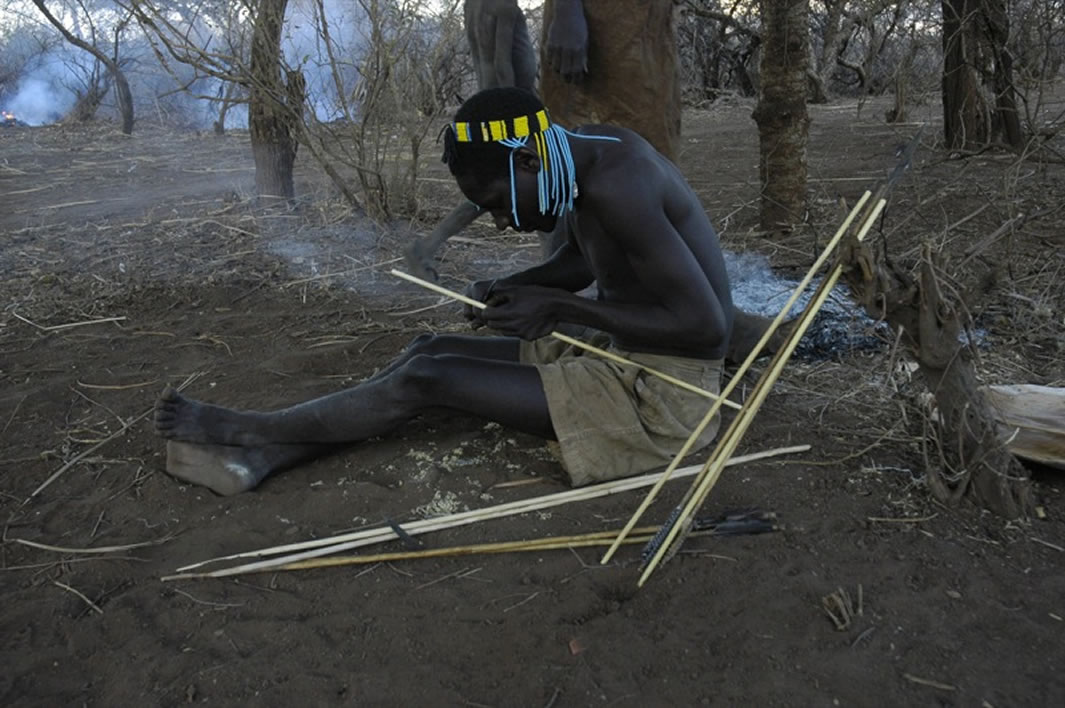
Visits to Maasai communities within the Conservation Area provide insight into traditional pastoral life. Excursions to Lake Eyasi allow interaction with Hadza hunter-gatherers and Datoga metalworkers.
Crater Rim Walks
Guided walks along designated crater rim areas offer breathtaking panoramic views and opportunities to explore the highland forest ecosystem.
Empakaai Crater Hike
A guided hike into Empakaai Crater combines scenic beauty with birdlife viewing and sweeping views of Mount Oldoinyo Lengai.
Oldupai Gorge Visit
A stop at Oldupai Gorge museum and the Laetoli site enriches the safari experience with context about early human evolution.
🌍 Where to Stay at Ngorongoro Crater & its Fringes: Economy & Budget — Campsites, Public Camps & Budget Lodges
🏕️ Public / Economy Camping (Crater Rim)
Ngorongoro Public Campsite – Public camping with shared facilities right on/near the crater rim; great for backpackers & overland groups (basic but epic crater views).
Simba Campsite – The main public campsite on the crater rim with shared showers and cooking areas; cold nights but unforgettable sounds of wildlife.
Tip: At these public campsites you’ll need your own gear (tent, sleeping bag, warm layers), and it’s very basic. They’re excellent for self‑drive travellers who want the Ngorongoro Crater safari experience on a budget.
🛏️ Budget Lodges (Karatu / Nearby)
These are located outside the Ngorongoro Conservation Area but are excellent value, and are close enough to reach the crater gate relatively quickly:
Ngorongoro Coffee Lodge – Comfortable, peaceful base in Karatu town.
Ngorongoro Oldeani Mountain Lodge – Friendly lodge with good food & peaceful setting.
Ngorongoro Lodges & Campsites (Karatu) – Offers camping and simple rooms.
🛖 Mid‑Range (Good Comfort + Great Value)
📍 Inside / Near Conservation Area
Ngorongoro Rhino Lodge – One of the best budget‑to‑mid‑range lodges with private verandas; wildlife often visits nearby.
Ngorongoro Serena Safari Lodge – Classic safari lodge built from river stone with crater views; excellent all‑round choice.
Ngorongoro Forest Tented Lodge – Forested hillside tent lodge with a rustic but comfortable vibe and quick access to crater gate.
Ngorongoro Sopa Lodge – Reliable mid‑tier lodge with scenic surrounds.
🌳 Karatu Base Options
(Staying in Karatu is often cheaper and less chilly than the crater rim.)
The Manor at Ngorongoro – Elegant guesthouse‑style lodge with excellent service.
🌟 Premier & Luxury Lodges (Spectacular Views + Prime Location)
🏞️ Crater Rim / Conservation Area Premium
These are the classic bucket‑list stays for safari lovers who want room views right over the Ngorongoro Crater:
Ngorongoro Lodge member of Meliá Collection – Stylish modern lodge with huge crater panoramas; great for photo lovers.
Nomad Tanzania – Entamanu, Ngorongoro – Eco‑luxury camp with small, intimate setup and amazing rim views.
Neptune Ngorongoro Luxury Lodge – High‑end lodge inside the conservation area with plush accommodations.
Sanctuary Ngorongoro Crater Camp Tanzania – Tented camp with excellent service and stunning surroundings.
Ngorongoro Lions Paw by Karibu Camps & Lodges – Luxury safari camp with excellent reviews and bush ambience.
Ngorongoro Rim Lodge – Highly rated boutique lodge on the crater rim.
Ngorongoro Kuhama Camp – Stylish tented safari experience inside the conservation area.
Ang’ata Ngorongoro Camp – Lodge with good balance of comfort and safari atmosphere.
Lemala Ngorongoro Tented Camp – Classic tented camp on the crater edge (more exclusive vibe).
🧭 How to Choose Based on Location
🏔️ Crater Rim / Inside Ngorongoro Conservation Area
Best for sunrise access to the crater floor for early safari starts.
Cooler nights and epic views.
Includes Serena, Meliá, Entamanu, Rim Lodge, Rhino, Sanctuary, Lions Paw.
🌲 Karatu / Outside (15–45 min drive)
Warmer nights and often better value.
Great base if you’re also exploring Lake Manyara or Tarangire.
Includes Coffee Lodge, Oldeani Mountain, The Manor, plus many smaller lodges.
🧠 Tips for Planning
Budget campers: staying at Simba Campsite gives that true crater‑edge experience at the lowest cost.
Mid‑range travellers: Serena and Forest Tented Lodge balance comfort with price and location.
Luxury experiences: Meliá, Entamanu, Neptune, Sanctuary & Lions Paw are superb picks for crater views, service, and safari ambience.
Staying in Karatu can make sense if you’re linking multiple parks (Ngorongoro + Tarangire + Serengeti), as drives each morning are manageable and evenings are warmer.
Getting to Ngorongoro Crater
The Ngorongoro Conservation Area is conveniently accessible from several major safari starting points. From Arusha, the crater is about 180 km (112 miles), roughly a 3.5–4.5 hour drive via a mix of tarmac and rough roads. Travelers often combine visits to Tarangire (≈150–180 km, 3.5–4.5 hours) and Lake Manyara (≈60 km, 1–1.5 hours) en route to the crater for a seamless Northern Tanzania safari loop.
For history and culture enthusiasts, Olduvai Gorge lies within the conservation area, approximately 45 km (28–32 miles) from the crater rim — about a 1–1.5 hour drive. Meanwhile, travelers wishing to continue their safari journey can reach the central Serengeti (Seronera region) in roughly 140–196 km (85–120 miles), typically a 3–4.5 hour drive depending on stops and park gate formalities.
By Air
For faster access, several domestic airlines operate flights to airstrips near Ngorongoro. The main international gateway is Kilimanjaro International Airport (JRO), with connections from Europe, the Middle East, and Africa. Smaller aircraft from carriers like Coastal Aviation, Auric Air, Regional Air, Air Excel, and Safari Air Link serve nearby airstrips.
- Ngorongoro Airstrip – within the conservation area, close to the crater rim; ideal for private charters.
- Lake Manyara Airstrip – reliable scheduled flights; about 1.5–2 hours drive to the crater.
- Lake Ndutu Airstrip – southern Ngorongoro/Serengeti ecosystem access.
- Seronera Airstrip (Serengeti) – central Serengeti hub, road transfer to Ngorongoro.
Most safari itineraries start in Arusha and combine road transfers and short flights to link parks efficiently. Self-driving is possible, but a 4×4 is recommended for comfort and reliable access to the crater rim and surrounding parks.