
Beautiful, Off-Beat, Unspoilt Transquility
The place to be, in the middle of nowhere, uncrowded and intimately sensational
Meru National Park: A Hidden Gem
Meru National Park benefits greatly from a zone that receives adequate rainfall. The mighty Tana River (Kenya’s longest) borders the south while the Ura and Rojeweru rivers and 15 permanent streams drain from the Nyambeni Hills into the park. Riverine forests, doum and raphia palms, tall grasses, swamps, savannah and rocky kopjes create one of Kenya’s most varied safari landscapes.
Remote, little visited and beautifully unspoilt, Meru National Park offers a rugged and authentic safari atmosphere. It is famously known as the setting of Born Free, where George and Joy Adamson released Elsa the lioness back into the wild.
Overview : Meru National Park
Meru National Park is one of Kenya’s most diverse and least explored safari destinations. Covering approximately 870 square kilometres, the park’s character is shaped by water availability. The mighty Tana River forms its southern boundary, while the Ura and Rojeweru rivers define other perimeters. In addition, 15 permanent streams drain from the nearby Nyambeni Hills, creating lush corridors of riverine forest lined with dom and raphia palms.
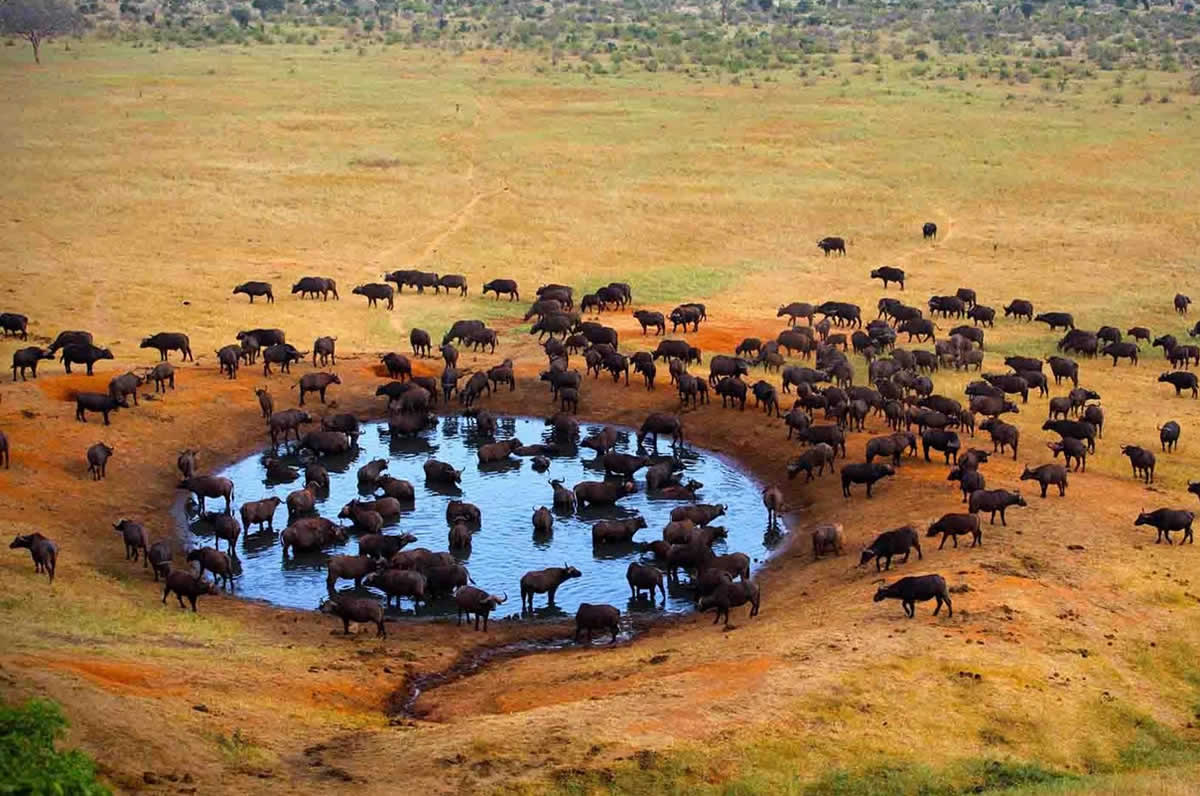
Owing to its reliable water supply system, Meru National Park supports a remarkable diversity of habitats. Northern plains provide open savannah ideal for elephant, lion and cheetah sightings. Southern woodlands offer dense cover for lesser kudu, eland and gerenuk. Rocky outcrops known as kopjes (inselbergs) shelter baboons and are favoured resting spots for leopard. Swampy grasslands attract buffalo and Defassa waterbuck, while the slower sections of the Tana River are heavily populated with hippo and Nile crocodile.
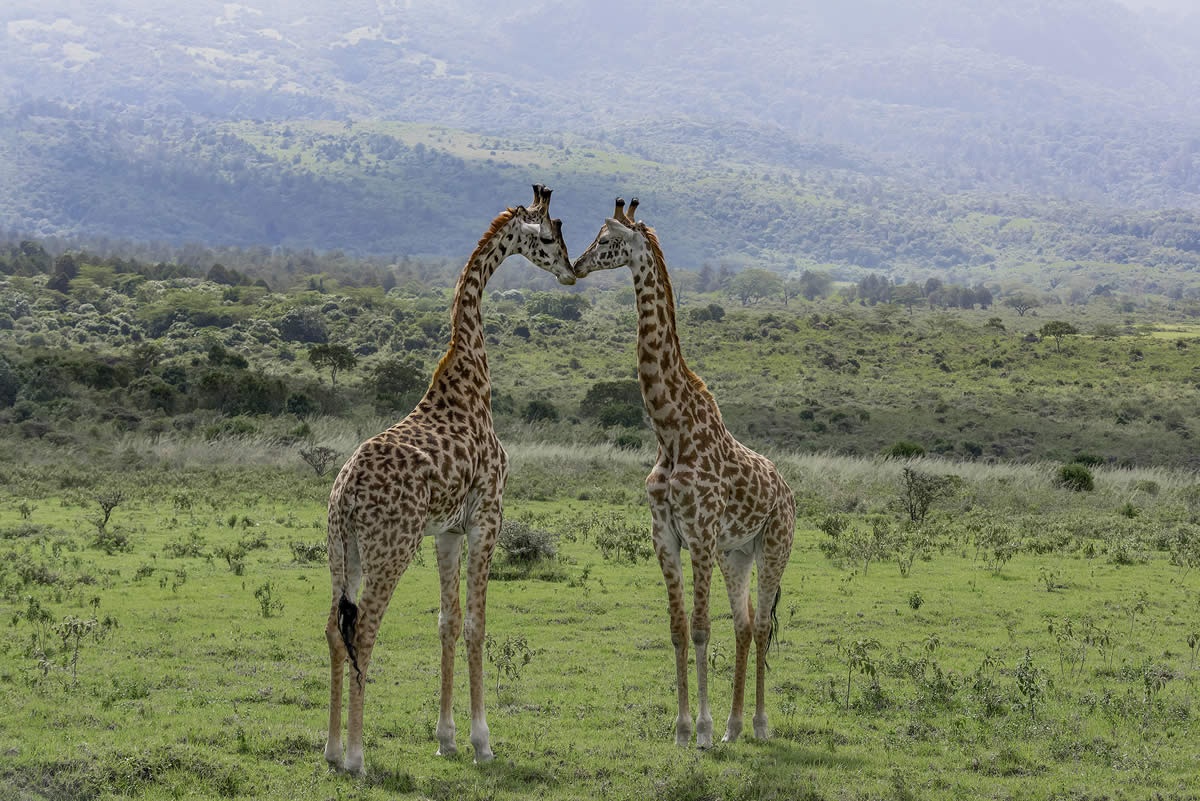
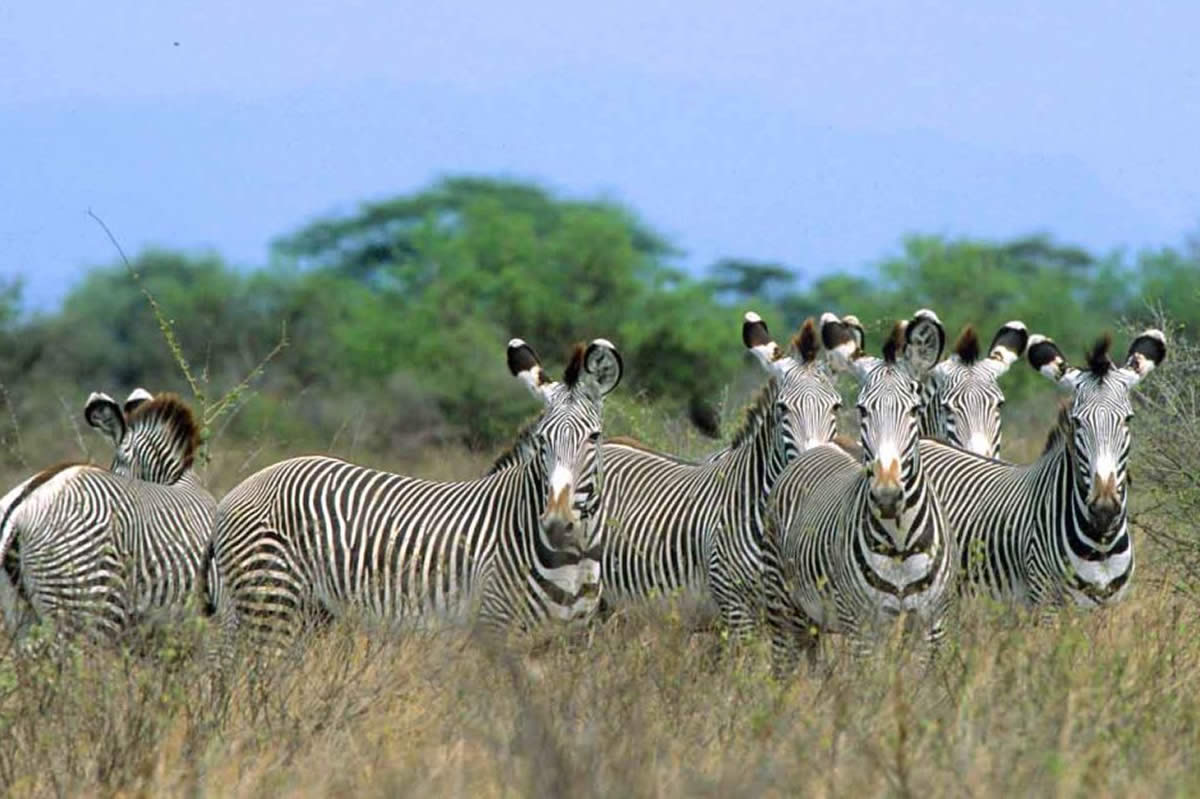
Wildlife is abundant and varied. Common sightings include elephant, reticulated giraffe, black and white rhino, zebra, gazelle, kongoni, reedbuck and impala. Predator species such as lion, leopard, cheetah and hyena are regularly encountered. The park’s rhino sanctuary strengthens conservation efforts, while Meru protects one of Kenya’s key populations of Grevy’s zebra.
Meru is also historically significant as the setting of Born Free, where George and Joy Adamson raised and released Elsa the lioness. Visitors can explore the Adamson home site and visit Elsa’s gravesite, a unique conservation landmark within the park. With over 427 recorded bird species and the Equator crossing its landscape, Meru combines ecological richness with geographical distinction. It remains one of Kenya’s most authentic wilderness experiences. Kenya Wildlife Service branded the park under their management as “A Complete Wilderness“.
Why Visit Meru National Park?
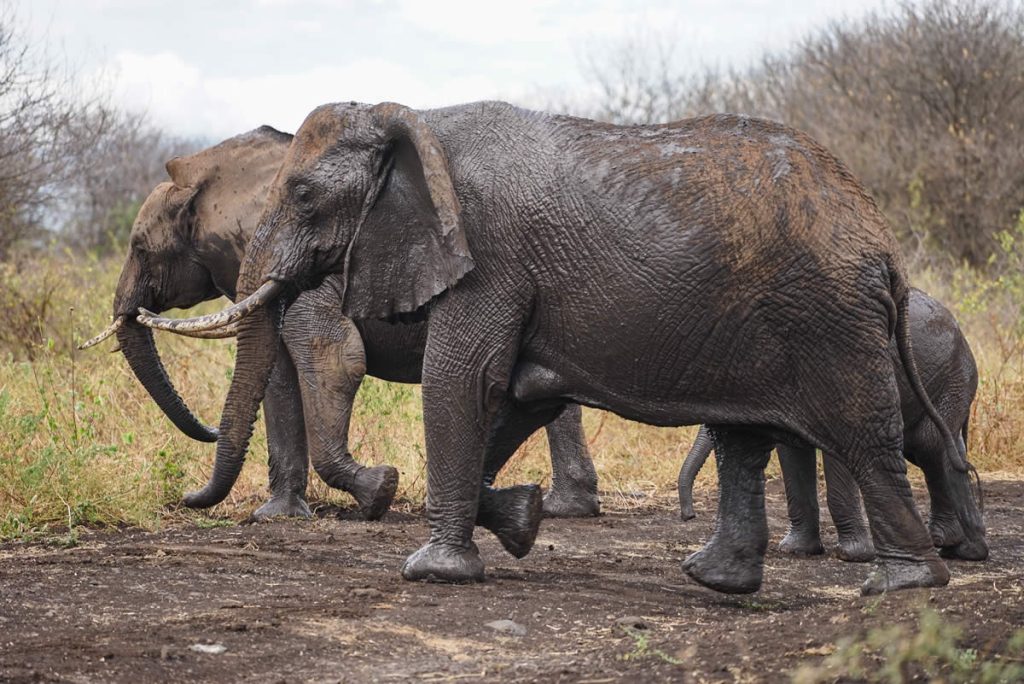
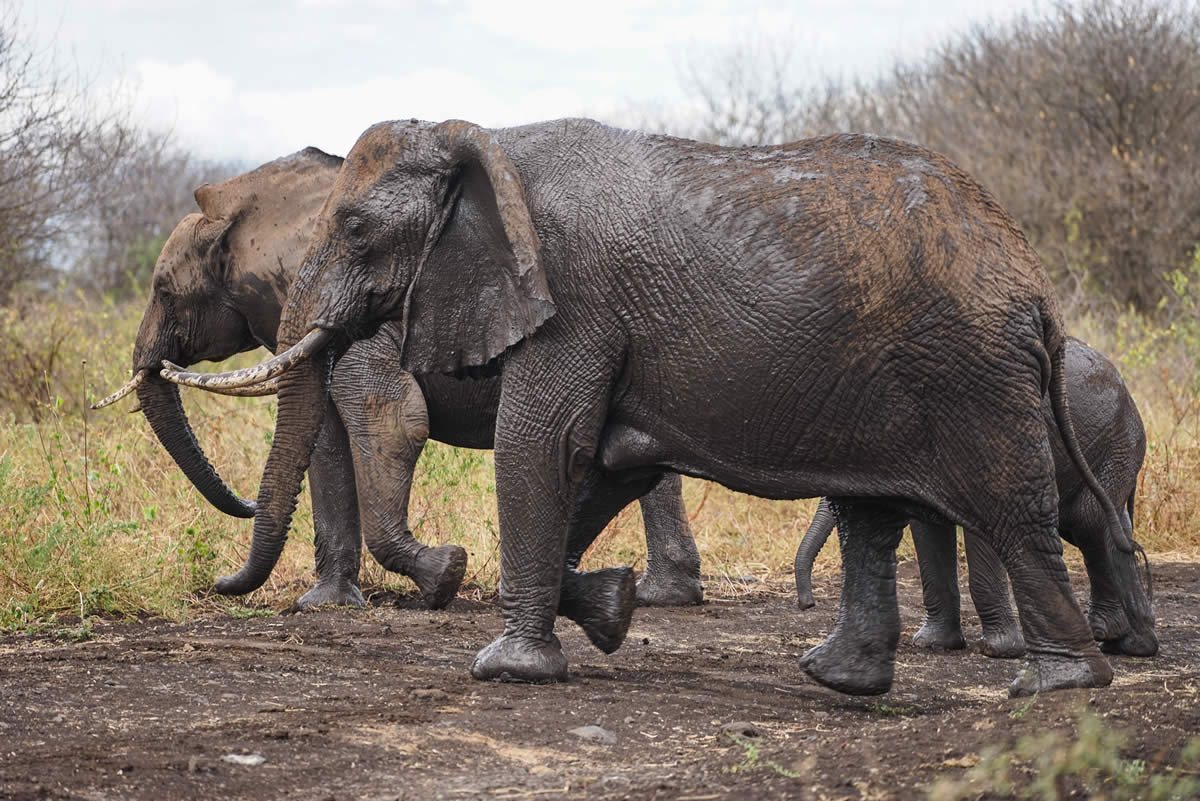
Meru National Park is one of Kenya’s most complete and least hurried wilderness experiences. The wildlife is abundant, but it is the setting that elevates every sighting. Deep grey elephants move through emerald riverine forest. Lion and leopard patrol long grass plains. Cheetah favour open country. Buffalo graze in vast herds. Both black and white rhino thrive within the protected sanctuary zone of Meru National Park.
Meru National Park is home to the Big Five — lion, leopard, elephant, buffalo and rhino — alongside more than 100 recorded mammal species. Predator populations are healthy, sightings feel organic, and encounters unfold without pressure or crowding.
Unlike high-traffic safari circuits, Meru National Park offers space. Vehicles are few. Wildlife sightings are rarely congested. The landscape absorbs sound and movement, preserving the feeling of discovery. It is safari as it once was — immersive, expansive, and unhurried.
The Complete Wilderness
The Kenya Wildlife Service christened Meru National Park “The Complete Wilderness.”
Fifteen permanent streams traverse the park, feeding lush riverine forests of doum and raffia palms. To the south, the mighty Tana River (Kenya’s longest river) forms a natural boundary, shaping ecosystems rich in biodiversity. Ura River to the south west side and Rojeweru to the eastern side of park.
Large wilderness areas within Meru National Park remain roadless and untouched. There are no formal trekking networks cutting through the bush. Beyond designated access tracks, exploration is conducted on foot under proper guidance, reinforcing the park’s reputation as authentic wild country.
Rhino Sanctuary & Conservation Legacy
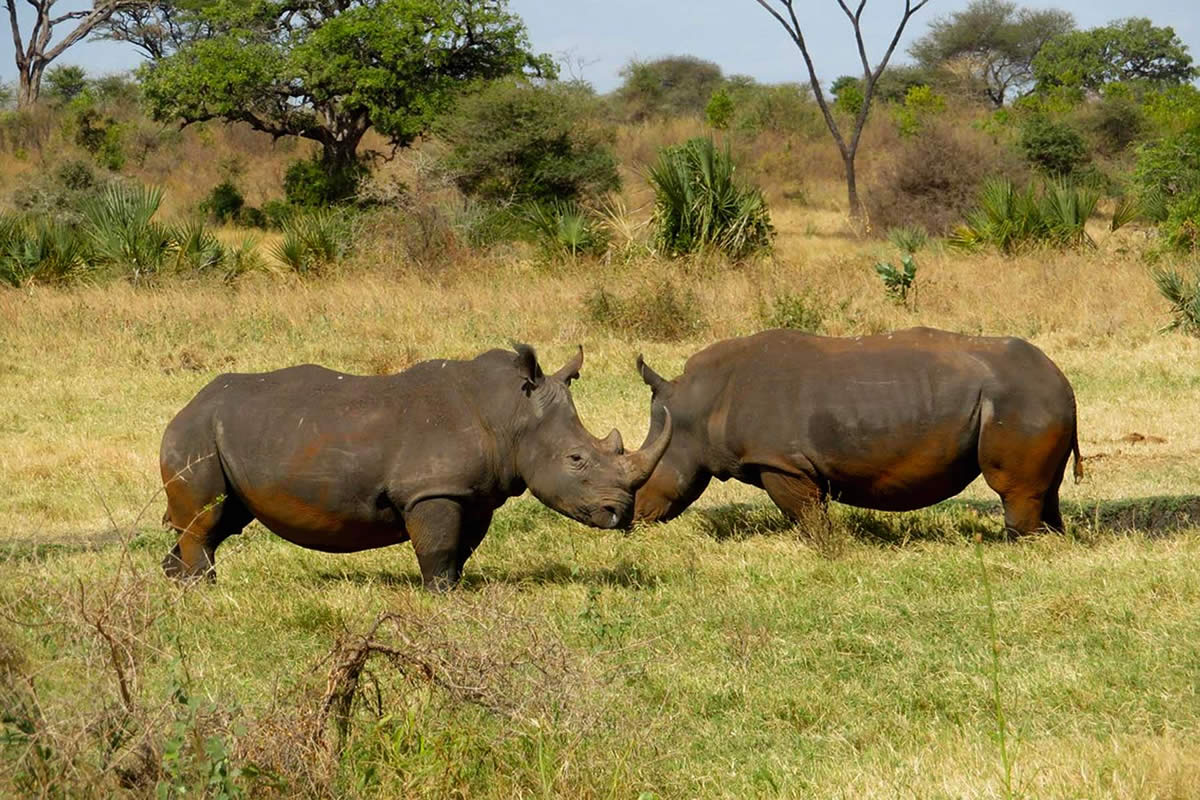
Meru National Park protects a significant Black and White Rhino Sanctuary,
offering secure habitat for both species within a carefully managed conservation zone. The presence of thriving rhino populations strengthens Meru National Park’s standing as one of Kenya’s important conservation landscapes.
The park also carries deep conservation heritage through the legacy of George and Joy Adamson. Visitors may explore their former home site and Adamson’s Falls, reminders that Meru National Park is not only scenic but historically significant in Africa’s wildlife conservation story.
Scenery & Landscape
The scenery of Meru National Park is strikingly diverse. Classic savannah plains roll into wooded grasslands and dense riverine corridors. On clear days, distant views of Mount Kenya rise dramatically on the horizon, adding scale and grandeur to the safari experience.
This blend of open plains, palm-lined rivers, rocky outcrops and mountain backdrop creates one of Kenya’s most visually rewarding safari landscapes. Meru National Park is not only about wildlife numbers — it is about atmosphere, composition and depth.
Romance & Wilderness Immersion
Perched into Mughwango Hill, Elsa’s Kopje offers refined seclusion within
the wilderness of Meru National Park. The lodge blends naturally into the landscape,
delivering privacy, serenity and a deeply authentic African safari atmosphere.
For travellers seeking deeper immersion, wilderness camping within Meru National Park allows a night under canvas with ranger support. The sounds of river forest, distant calls of nocturnal wildlife and the vast African sky create an unforgettable experience of connection.
With over 427 recorded bird species, thriving predator populations, rhino sanctuary protection, classic savannah scenery and low visitor density, Meru National Park stands as one of Kenya’s most complete safari destinations.
Northern Safari Circuit
Meru National Park is easy to combine with a safari from Aberdare National Park (kms), Solio Wildlife Sanctuary, Ol Pejeta Conservancy, Lewa Conservancy and Samburu, regardless of road safari or fly-in.
Accommodation in Meru National Park
Luxury
Elewana Elsa’s Kopje – Located on Mughwango Hill with sweeping views,
this is Meru’s premier luxury lodge offering exclusivity, romance and architectural distinction.
Upper Mid-Range
Rhino River Camp – Intimate eco-conscious riverside camp with stylish comfort.
Leopard Rock Lodge – Rustic lodge inside the park in a prime wildlife area.
Mid-Range & Value
Ikweta Safari Camp – Located just 2 km outside Murera Gate,
highly rated and excellent value. “Ikweta” means Equator in Swahili.
Murera Springs Eco Lodge – Eco-friendly stay near the park entrance
with landscaped surroundings.
Getting There
By Road
Meru National Park is approximately 350 km from Nairobi and takes about 6–7 hours by road. The most commonly used entrance is Murera Gate. The park also connects easily with Samburu and Laikipia conservancies.
By Air
Scheduled flights operate from Nairobi’s Wilson Airport (WIL) to Kinna Airstrip (JJM) within Meru National Park. The primary carriers are Airkenya Express and Safarilink Aviation, with flight times averaging approximately one hour.
Private charter flights are available and may use alternative airstrips such as Mulika depending on lodge location and itinerary.