Lamu: An Overview
The Lamu Archipelago consists of seven islands, with the five principal ones being Lamu, Pate, Manda, Manda Toto and Kiwayu. Kiwayu lies furthest north near the Somali border and forms part of the protected Kiunga Marine Reserve. Together, these islands create one of the most culturally distinctive and atmospheric beach destinations in Kenya.
A beach holiday in Lamu is an immersion into centuries of Swahili heritage, preserved architecture and unhurried island life. Unlike busier resort towns of Mombasa and Malindi, Lamu offers a refined blend of coastal village rhythm, Indian Ocean history and outstanding natural beauty.
Lamu Island & Shela Beach
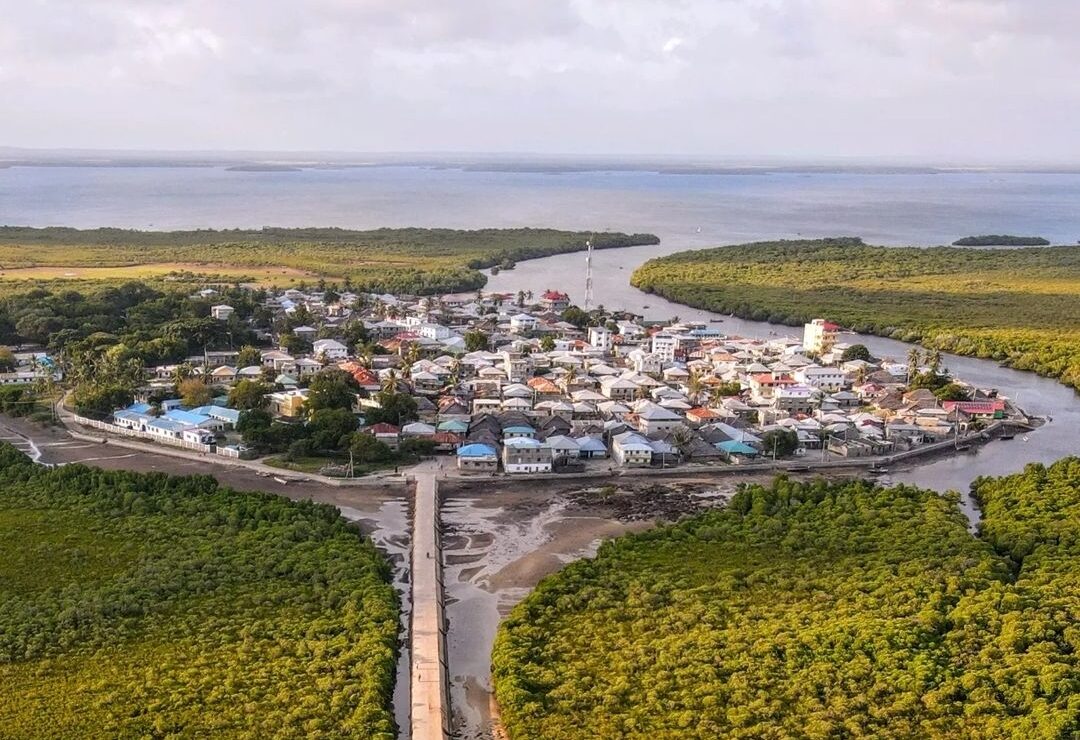
Lamu Town is regarded as the oldest continually inhabited settlement in East Africa, dating back to the 12th century. Its labyrinth of narrow streets reflects early Arab-influenced urban planning, where neighbourhood clusters known as mitaa house extended families within coral-stone dwellings.
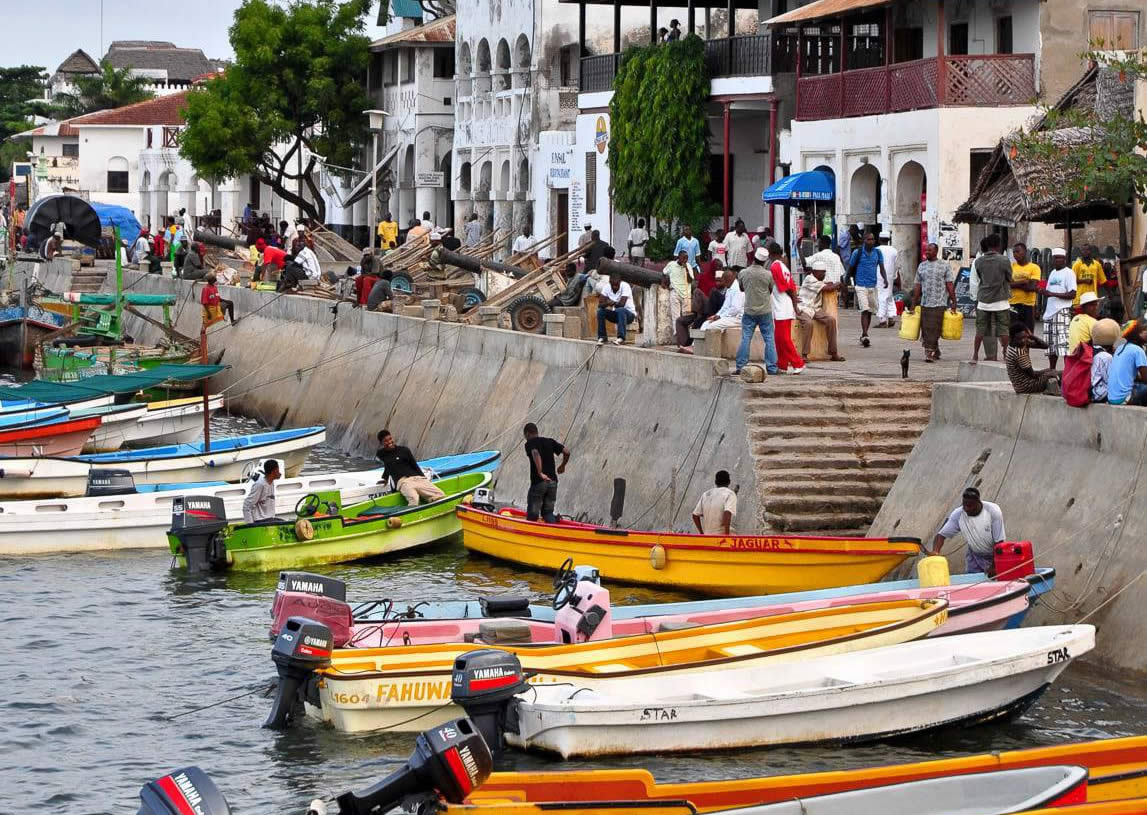
Lamu Old Town, a UNESCO World Heritage Site, preserves over 700 years of Swahili culture. Buildings are constructed using mangrove poles, limestone and coral stone, and many are graced with magnificent carved wooden doors (Lamu Door). Interiors may feature painted ceilings and fragments of Chinese porcelain — reminders of centuries of Indian Ocean trade.
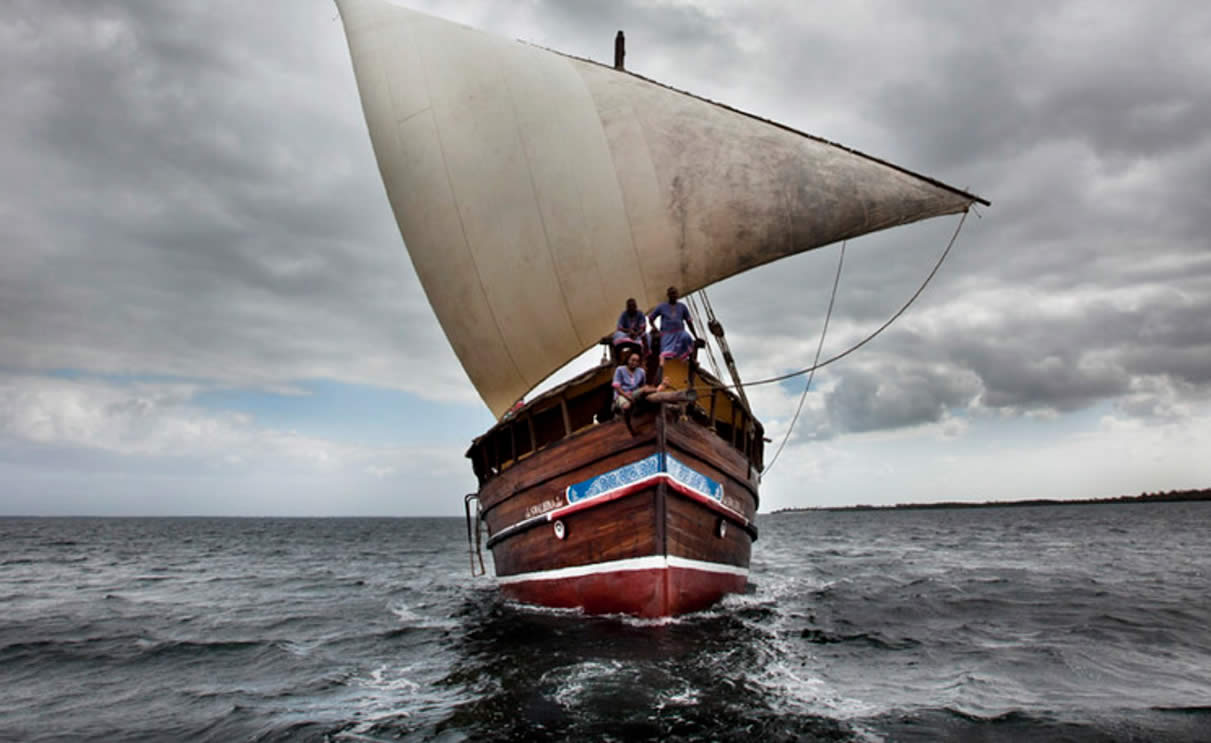
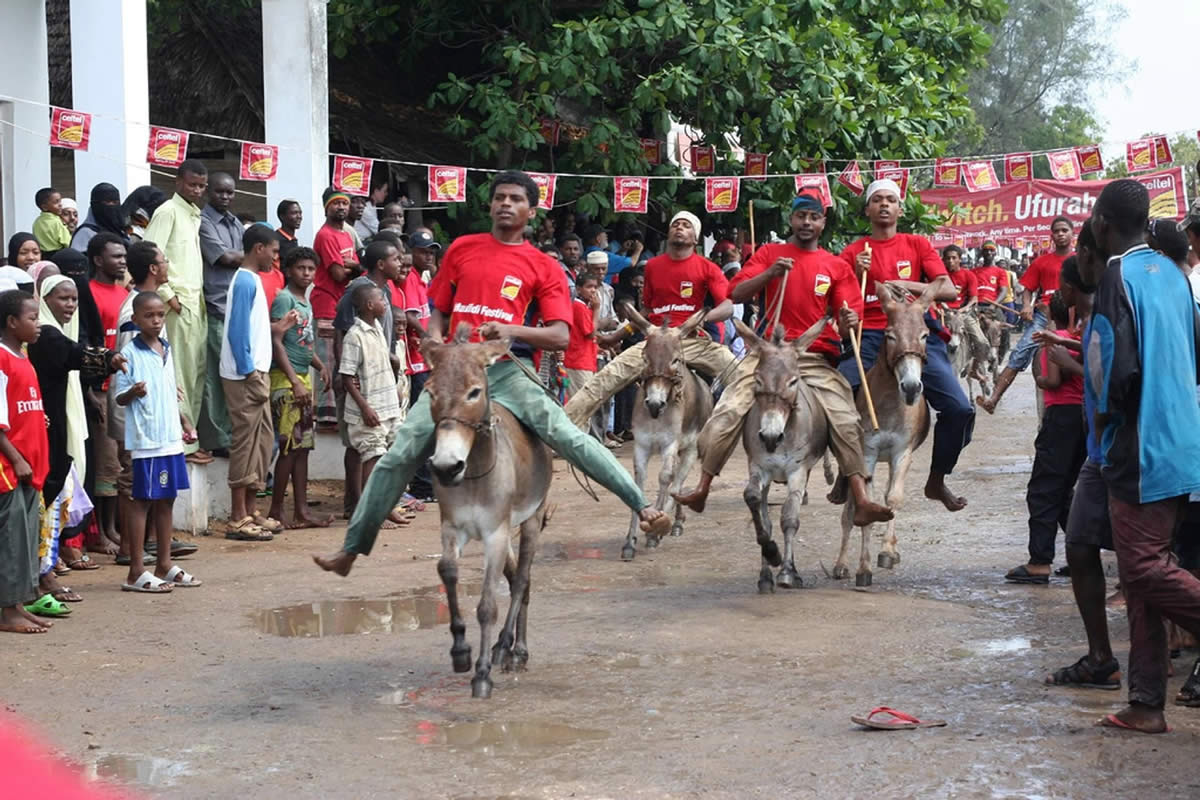
There are no motor vehicles on the island. Movement is by foot, dhow or donkey, giving Lamu its unmistakable character and pace. Arrival by sea, either from Manda Airport or from Mokowe Jetty, one is intrigued by the wide verandas facing the waterfront, and which remain one of the most memorable introductions to the island.
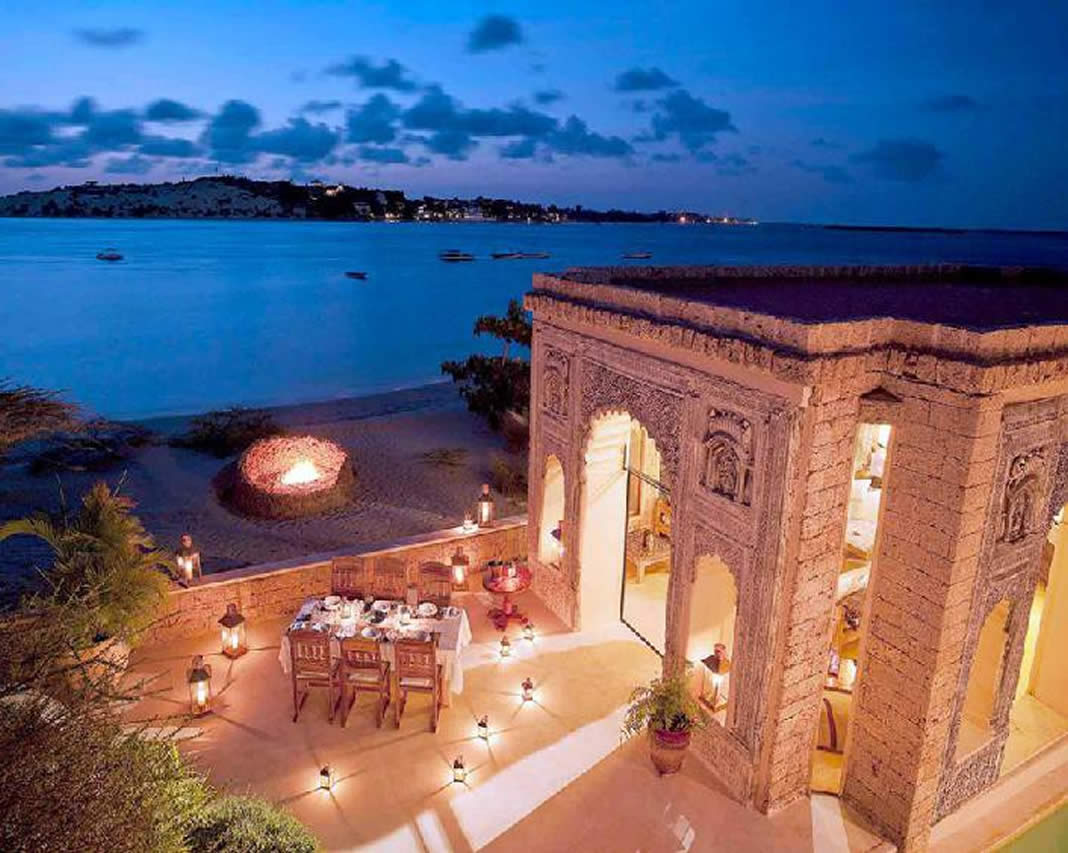
Nearby Shela Village offers one of the most scenic beach settings in the archipelago. Shela Beach stretches approximately 12 kilometres, backed by rolling dunes and golden sands. The waters are clear, the setting spacious and serene. Shela maintains a laid-back yet sociable atmosphere, attracting both those seeking solitude and those drawn to seasonal gatherings and evening life.
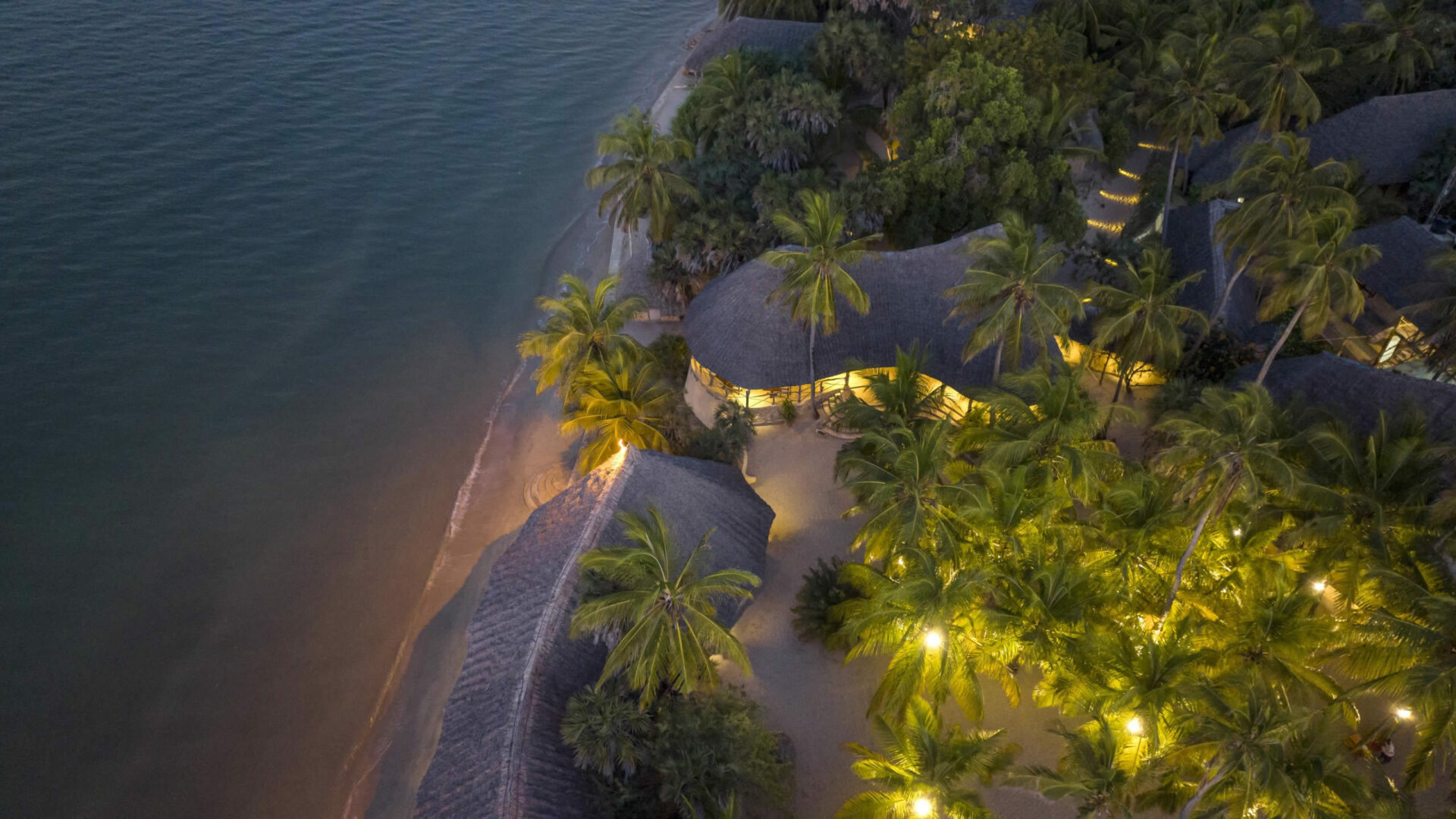
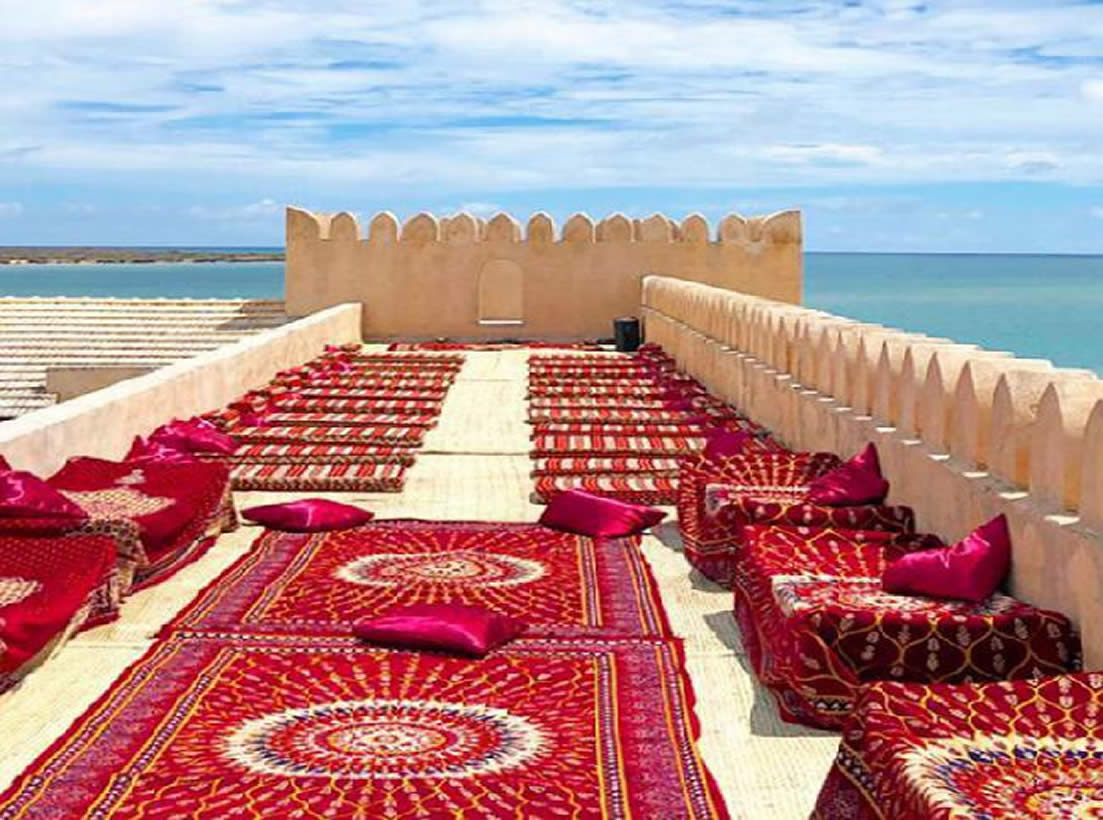
Far Behind is Kizingoni Beach which is nearly private for the boutique 7 villas of Kizingoni, Kipungani Explorer (Heritage Hotels) and Kizingo Eco-Lodge each with its own beachfront.
Cultural Life & Festivals
Lamu is known for its vibrant cultural calendar. The Lamu Cultural Festival, held annually in November, is one of Kenya’s most celebrated heritage events. Traditional dhow races, poetry, music, dance and even donkey racing showcase living Swahili traditions.
The Maulid Festival is another important occasion, marking the Prophet’s birthday with pomp and pageantry, prayer, music, processions and community celebration.
Climate & Trade Winds
Due to its proximity to the equator, Lamu experiences a warm tropical climate moderated by sea breezes. Temperatures rarely fall below 26°C. Days are typically hot, nights warm and humid but comfortable with coastal airflow.
Two trade winds shape the rhythm of the island. The Kusi winds (May to October) bring stronger southeasterly winds, cooler temperatures and rougher seas — favourable for sailing but less ideal for snorkelling. The Kaskazi winds (November to April) are generally drier, with calmer seas and clearer water visibility, making this period especially attractive for beach stays.
Pate Island
Pate is the largest island in the archipelago, located between Lamu, Manda and Kiwayu. Surrounded by mangroves and accessed best at high tide, it is approximately two hours by boat from Lamu Town.
Settlements include Faza, Siyu, Kizingitini and Shanga. Pate offers a quieter and less-developed experience, appealing to travellers seeking authenticity and minimal disruption within Kenya’s northern coast.
Manda Bay & Manda Toto
Manda Toto is a small, unspoilt island off Manda, reached by boat through mangrove channels. The waters between Manda Bay and Manda Toto are among the best snorkelling areas in the archipelago, with opportunities to encounter dolphins and sea turtles.
At low tide, long walks across exposed sandbanks are possible. Nearby Takwa Ruins — an ancient Swahili settlement — provide additional historical depth accessible by boat.
Season’s Chart
Character
A heritage-rich archipelago defined by dhow sailing, tidal channels, mangrove creeks and long, wind-shaped beaches.
Lamu’s rhythm is slower and more atmospheric than other Kenya beach destinations, where culture and ocean are deeply intertwined.
Continental Shelf
The continental shelf offshore is moderately narrow, allowing relatively quick access to deeper waters compared to southern beaches.
Northern currents toward Kiwayu and the Somali channel influence seasonal marine movement patterns.
Reef System
Patch reefs, coral outcrops and mangrove-fringed channels define Lamu’s marine structure.
The Kiunga Marine Reserve to the north protects extensive coral systems, supporting dolphins, turtles and seasonal pelagic species.
The Lamu Indian Ocean Season’s Chart
A seasonal guide to wind, sea, marine movement and visiting rhythm from the Lamu perspective.
| Month | Wind | Sea State | Water Colour | Marine Rhythm | Experience |
|---|
| January | Kaskazi (NE Monsoon) | Calm to moderate | Deep blue, clear | Offshore activity present, dolphins active | Excellent sailing conditions |
| February | Kaskazi steady | Glass mornings | Clear blue | Peak offshore season | Prime deep-sea period |
| March | Transition | Building swell late month | Blue-green | Marine movement shifting northward | Good early month |
| April | Long rains begin | Unsettled | Greenish | Reduced offshore activity | Quiet, dramatic skies |
| May | Kusi forming (SE) | Choppy | Green | Lower visibility offshore | Low season |
| June | Kusi steady | Moderate swell | Green-blue | Active reef life | Cooler evenings |
| July | Strong Kusi | Rougher | Green | Offshore migration phase | For experienced sailors |
| August | Peak Kusi | Energetic seas | Green | Offshore activity reduced | Dramatic ocean season |
| September | Winds easing | Improving | Blue-green | Reef life active | Beautiful shoulder month |
| October | Transition calm | Mostly calm | Clear blue | Excellent snorkelling clarity | Ideal beach conditions |
| November | Short rains | Mixed | Slightly green | Active reef life | Warm water, softer light |
| December | Kaskazi returns | Calm & inviting | Clear blue | Offshore presence increases | Classic Lamu season |
*Long rains and early Kusi winds (April–July) traditionally represent the quietest visitor period.