
Lake Nakuru National Park: A Legend in the Rift
Lake Nakuru National Park is one of Kenya’s most celebrated Rift Valley destinations, globally renowned for its spectacular birdlife, scenic viewpoints, and its pioneering role in rhino conservation. The park is under the management of Kenya Wildlife Service (KWS).
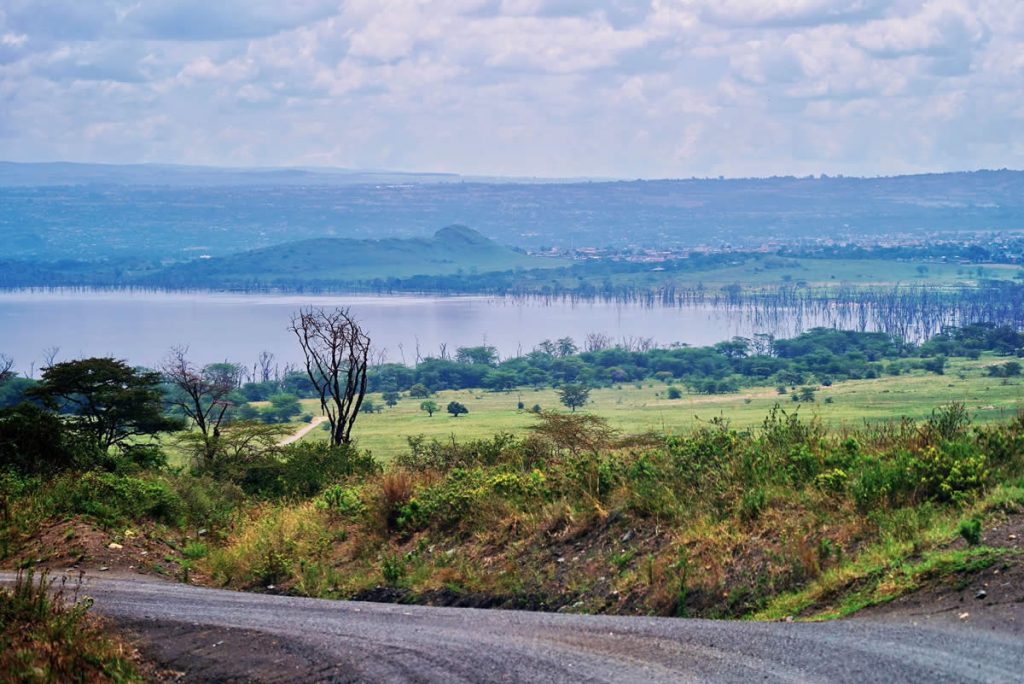
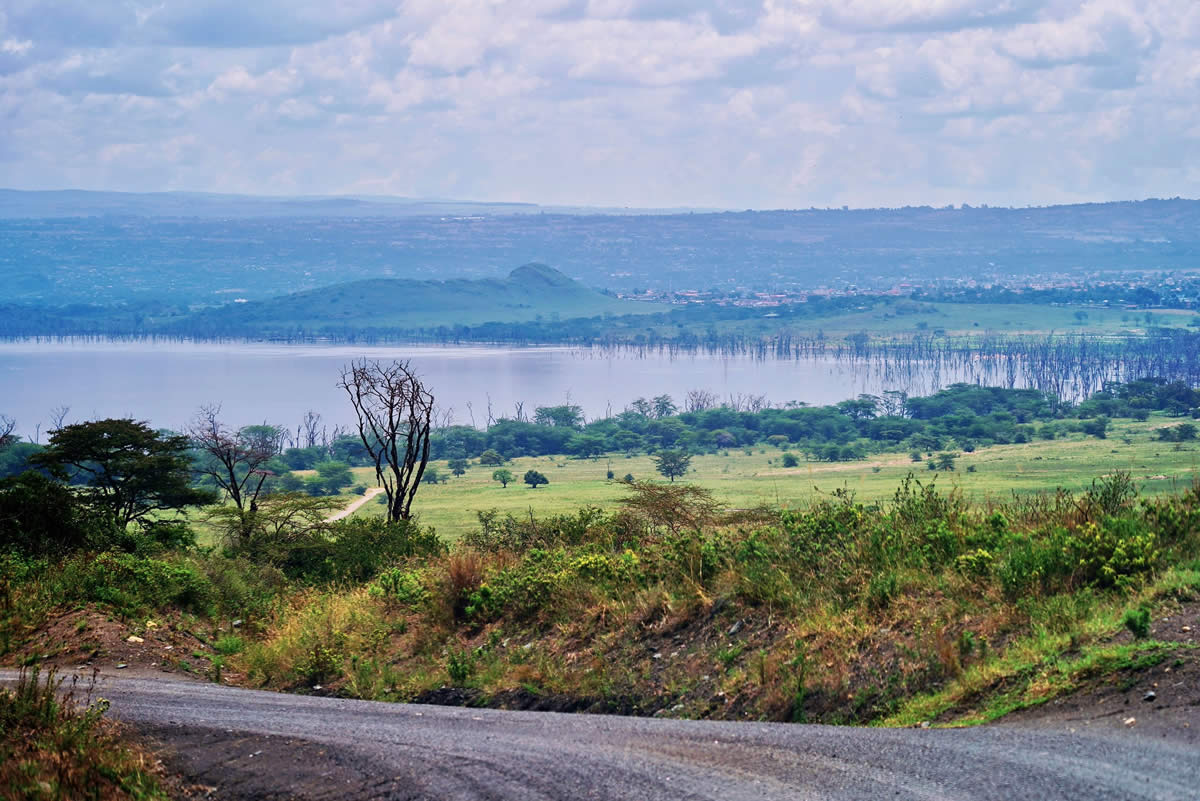
Set on the floor of the Great Rift Valley, Lake Nakuru National Park combines alkaline lake shores, wooded grasslands, rocky escarpments, and forested hills to create one of the country’s most photogenic and rewarding wildlife safari experiences.
Changing Lake Levels & Flamingo Movements
Lake Nakuru is a naturally dynamic alkaline lake whose water levels and salinity have fluctuated significantly over time. In the early 1990s, the lake experienced a major drop in water levels, followed by gradual recovery. However, from around 2010 onward, the lake underwent an unprecedented rise.
Between 2010 and 2020, Lake Nakuru expanded in surface area from approximately 40 to 68 square kilometres. This increase submerged sections of the shoreline, flooded woodland habitats, and resulted in the loss of many mature trees. Several park structures were also affected, including parts of the former main entrance gate area.
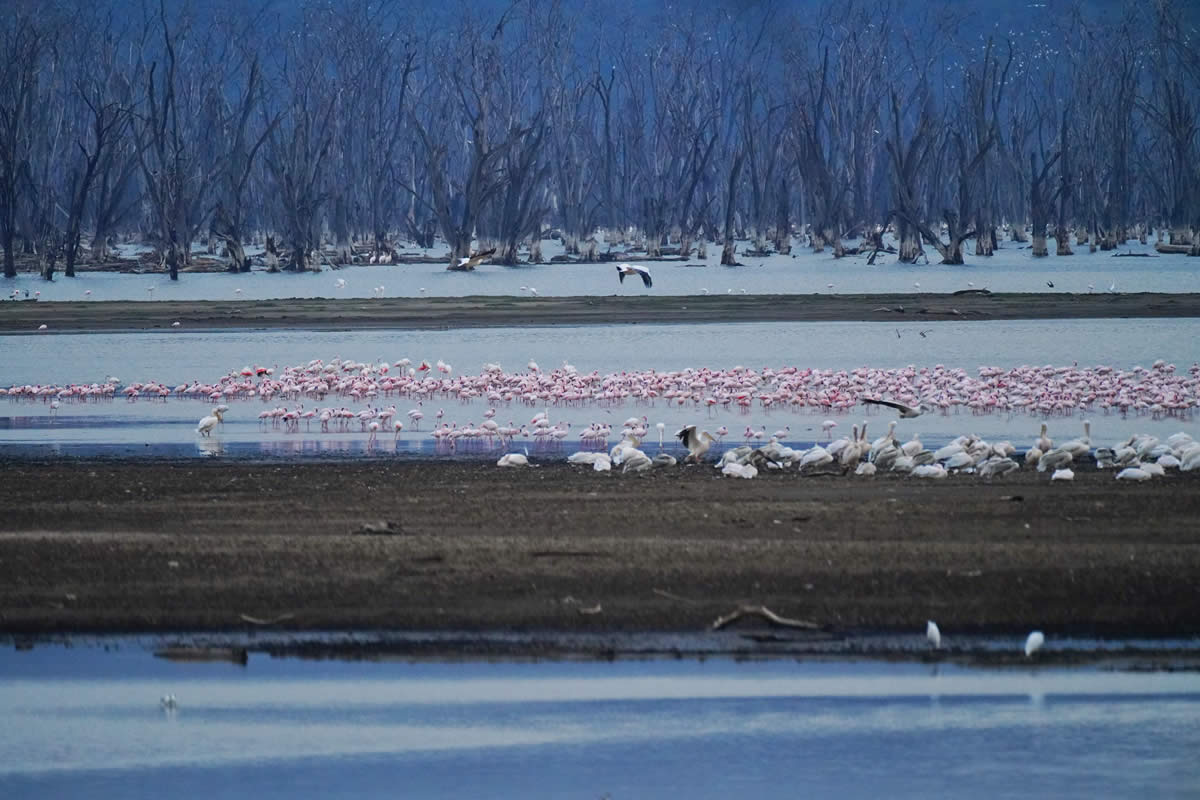
The rising water levels diluted the lake’s salinity, reducing the concentration of algae that lesser flamingos depend on for food. As a result, large flamingo populations periodically migrated to neighbouring alkaline lakes such as Lake Bogoria and Lake Elementaita, and Lake Oloiden in Naivasha area where feeding conditions were more favourable.
These natural cycles are an important part of the Rift Valley ecosystem and help explain the seasonal and long-term fluctuations in flamingo numbers observed at Lake Nakuru.
Overview
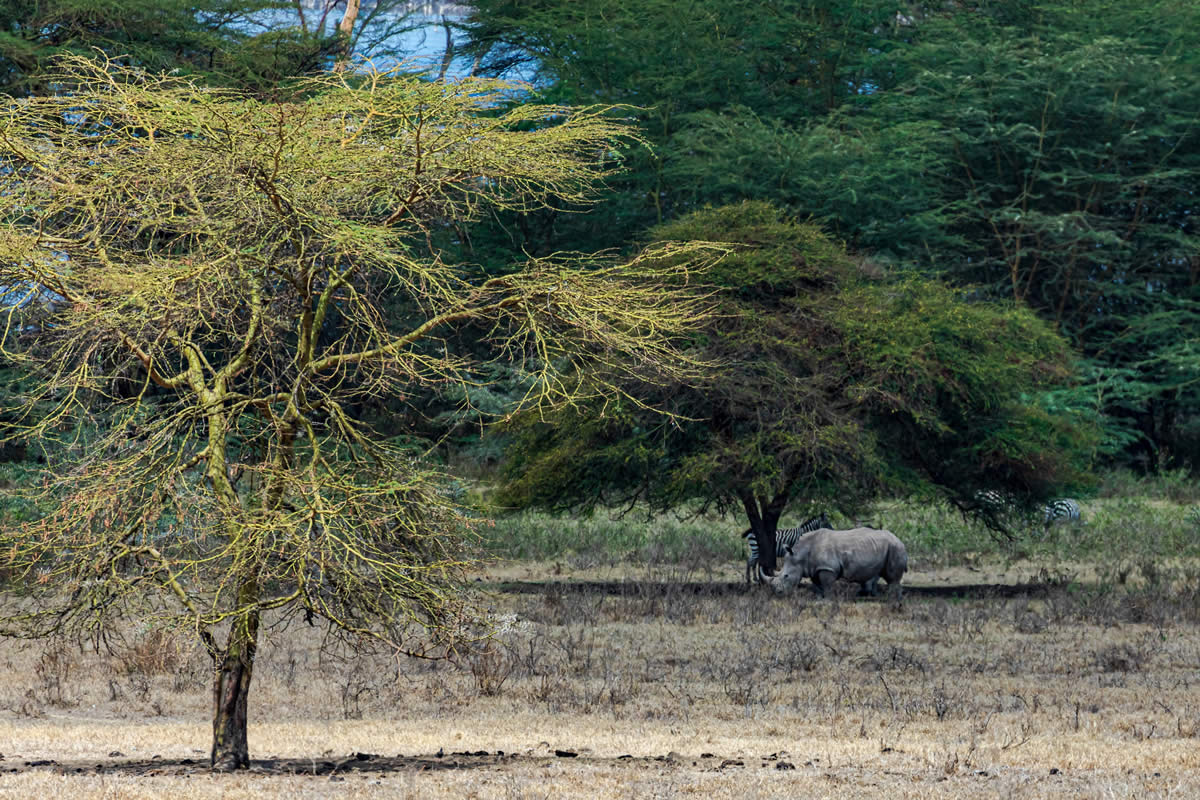
Lake Nakuru National Park is one of Kenya’s finest sanctuaries for both black and white rhinos. Beyond its successful conservation story, the park is renowned for Rothschild’s giraffes, lions, leopards, seasonal flamingos and an exceptional variety of birdlife, all set against the dramatic escarpments surrounding the lake
An important note: Recent flooding and rising water levels of Rift Valley lakes have recently left the main entrance gate at Lake Nakuru National Park submerged. The lake’s salinity and alkalinity have caused massive migrations of flamingos to Lake Bogoria, Lake Elementaita and further beyond to Lake Natron in Tanzania. However, Rhino tracking remains phenomenal because these animals have more compressed dry territory on the ridges, spotting white and black rhinos is often easier and more predictable than before.
Even with the migration of these pretty birds that made the lake world-famous, Lake Nakuru National Park is still one of Kenya’s Important Bird Areas (IBAs). If we refer to flamingos as 2 species, the greater and the lesser flamingo, the park still boasts of over more than 45o bird species. Nevertheless, beyond its birdlife, the park is a compact yet diverse wildlife sanctuary, offering excellent opportunities to see both black and white rhino, large predators, and a wide range of plains game, all set against sweeping Rift Valley backdrops and dramatic sunsets. Arguably, Lake Nakuru National Park is one of Kenya’s most photogenic parks.
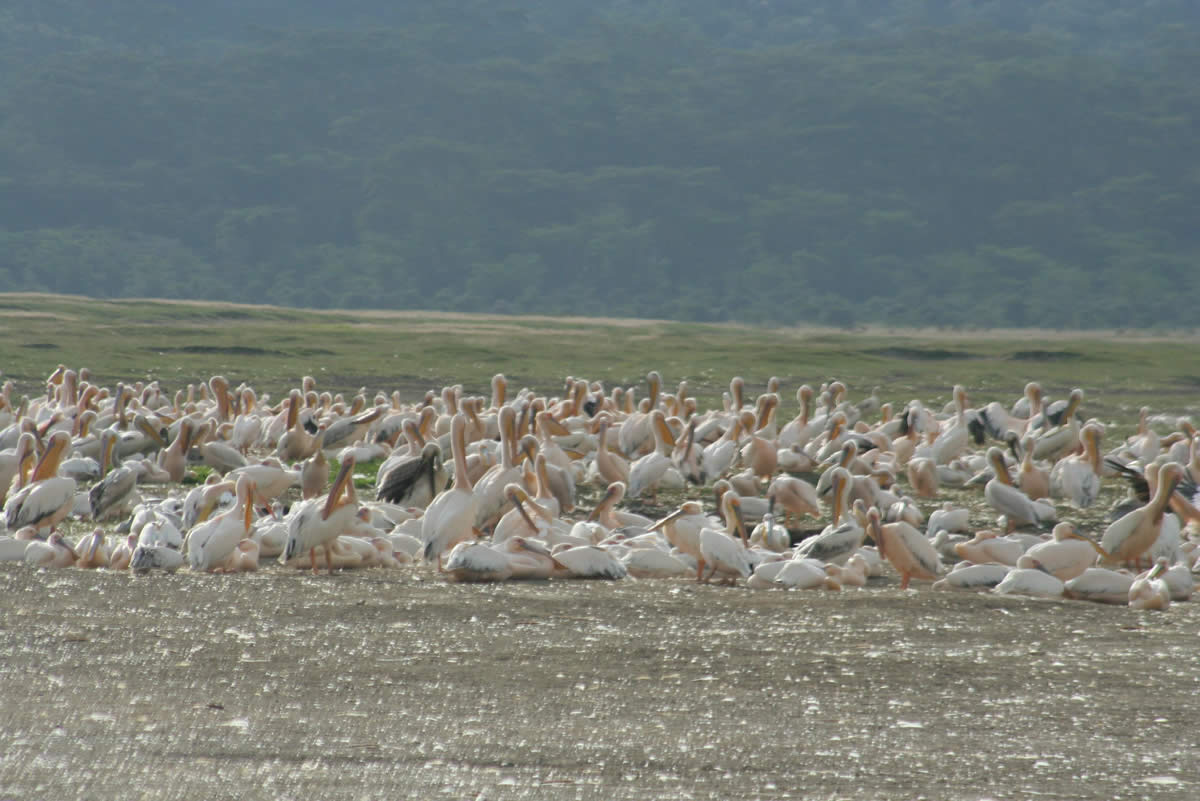
The “Ghost Forest” Aesthetic: On the flip-side, the flooding has also created another dramatic natural wonder. The sight of hundreds of yellow-barked acacias standing dead in deep blue water, topped with nesting pelicans, cormorants, and fish eagles, is hauntingly beautiful and highly photogenic. Just as great architectural works ever built years ago, now standing in ruins are considered as important heritage sites, the stark appearance of a thriving lake in ghostly silhouettes is new story to be told, and yet still, the increasing freshness of the lakes has led to an increase of pelicans who are thriving in waters most suited for them.
Fact File: Lake Nakuru National Park
- Area: Approximately 188 sq. km
- Altitude: About 1,756 metres above sea level
- Location: Rift Valley floor, north-west of Nairobi
- Distance from Nairobi: About 160 km (±2 hours by road)
- Climate: Generally warm and dry
- Vegetation: Over 550 plant species including Acacia woodlands, Euphorbia forests, and Olea woodland
- Birdlife: Over 450 recorded bird species
Game Drive & Safari Experience
Game drives in Lake Nakuru National Park are particularly rewarding due to the park’s manageable size, well-maintained road network, and varied habitats. Visitors can explore open lakeshore grasslands, wooded savannah, and forested hills within a single drive.
Flamingo numbers fluctuate depending on water and algae conditions, with birds occasionally relocating to other Rift Valley lakes. In addition to flamingos, the park hosts pelicans, fish eagles, secretary birds, herons, egrets, hammerkops, grebes, and many migratory species, making it an ornithologist’s paradise.
Kenya’s First Rhino Sanctuary
Lake Nakuru National Park was established as Kenya’s first rhino sanctuary and today supports one of the country’s largest concentrations of black rhino, alongside a healthy population of white rhino. This conservation success has made the park a flagship model for wildlife protection.
Black rhino, identifiable by their hooked, prehensile lips, prefer browsing in bushy and forested areas, while white rhino, with their wide, flat grazing mouths, are more commonly seen in open grasslands, especially near the lake shore.
Scenic Viewpoints & Attractions
Elevated viewpoints provide some of the most breathtaking perspectives of Lake Nakuru and the surrounding Rift Valley floor. Popular stops include Baboon Cliff, Lion Hill, and Out of Africa Hill, each offering sweeping panoramas ideal for photography and picnics.
- The alkaline lake and its wildlife-rich shores
- Flamingo and pelican congregations
- Predators such as lion and leopard in wooded savannah
- Makalia Falls
- Rift Valley escarpment viewpoints
International Recognition & Conservation
Lake Nakuru National Park holds multiple international conservation designations. It was declared a RAMSAR Wetland of International Importance in 1990 and later recognized as an Important Bird Area (IBA). In 2011, the park became part of the Kenya Lake System UNESCO World Heritage Site.
Lake Nakuru National Park southern boundary adjoins the Soysambu Conservancy, further enhancing habitat connectivity and biodiversity protection within the greater Rift Valley ecosystem.
Wildlife Highlights
Lake Nakuru National Park supports a rich variety of mammals and birds, making it an excellent all-round safari destination.
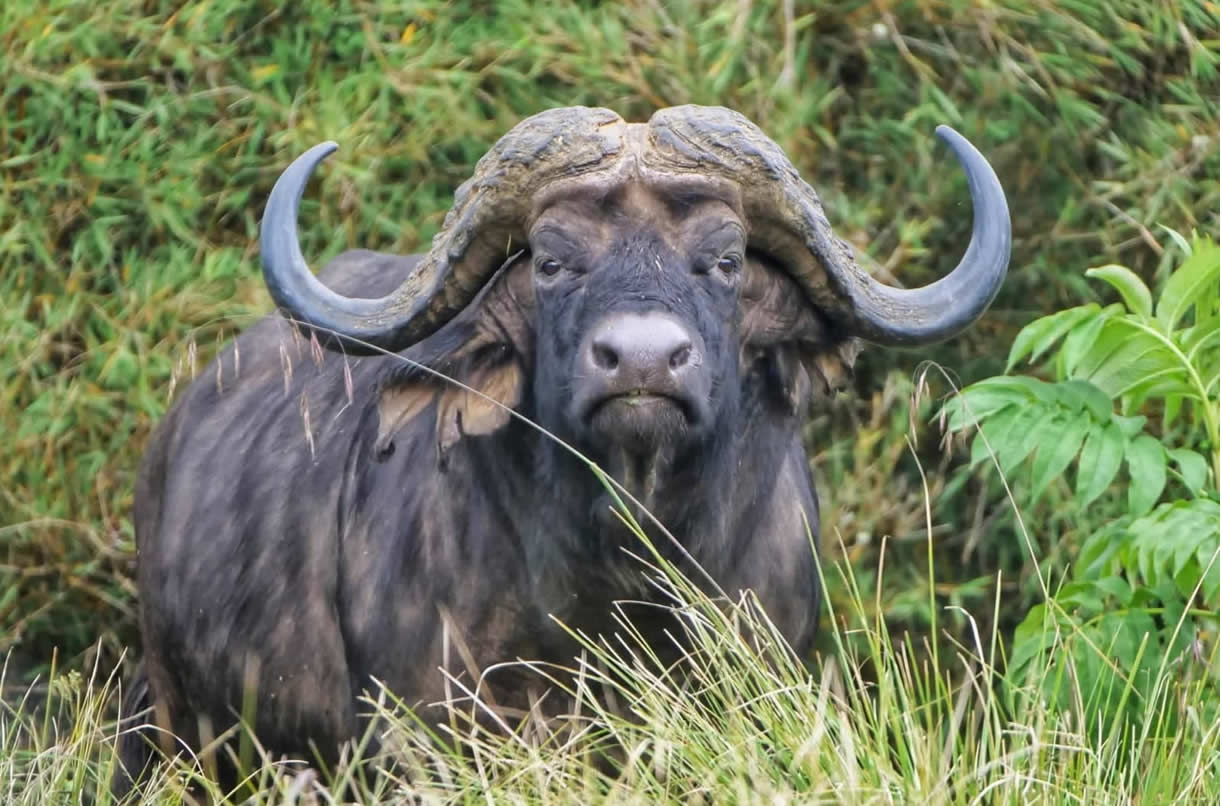
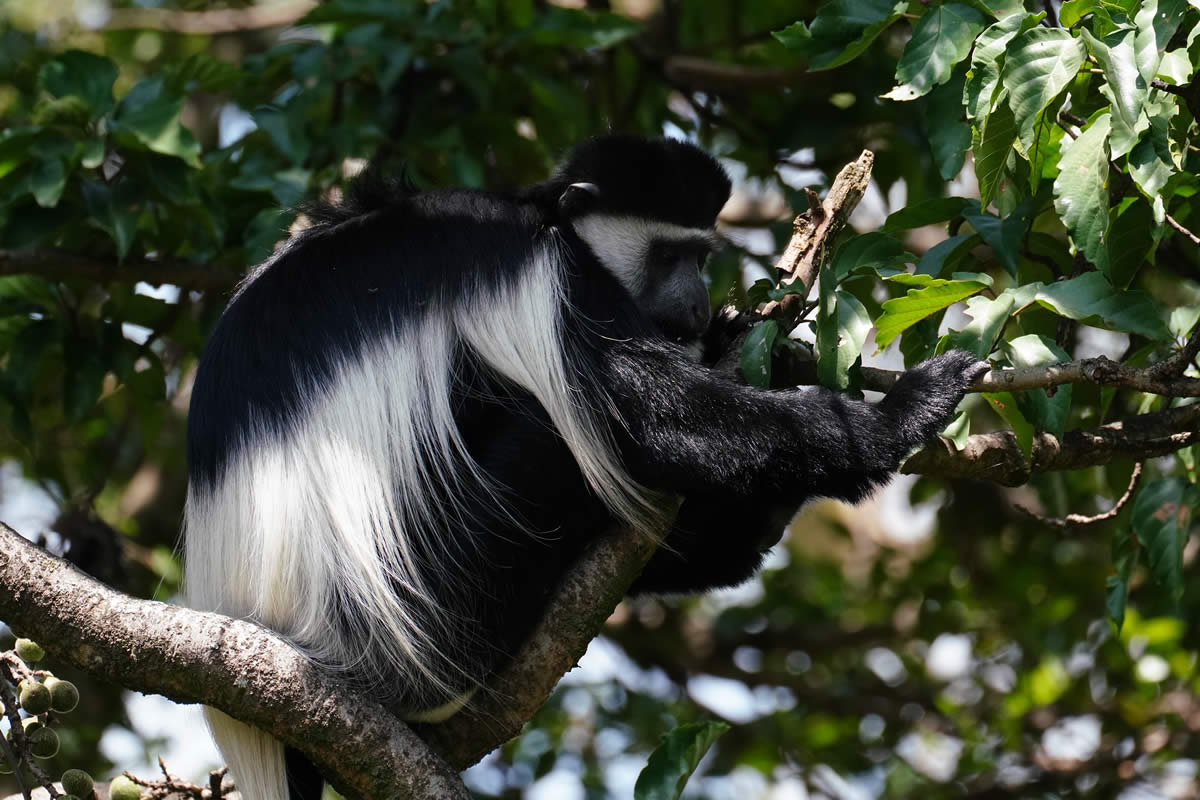
Notable mammals include: Black and white rhino, Rothschild’s giraffe, lion, leopard, buffalo, waterbuck, impala, Thomson’s and Grant’s gazelle, striped hyena, bat-eared fox, rock hyrax, hippo, colobus monkey, and the rare long-eared leaf-nosed bat.
Where to Stay
Lake Nakuru National Park offers a variety of accommodations suitable for all budgets. Our list excludes facilities within the town municipality.
- The Cliff: Premier – Dramatically positioned lodge overlooking the lake
- Sarova Lion Hill Lodge: Premier – Classic lodge within the park with panoramic views
- Bweha Camp: Luxury – Exclusive tented camp in a secluded setting
- Flamingo Hill Tented Camp: Comfort – Well-located tented accommodation near the lake
- Lake Nakuru Lodge: Comfort – Centrally located lodge with easy park access
- Sarova Woodlands Hotel: Economy – Town-based option near the park
Getting to Lake Nakuru National Park
By Road from Nairobi
Lake Nakuru National Park lies approximately 160 km northwest of Nairobi.
The drive takes about 2.5 to 3 hours via the Nairobi–Nakuru Highway (A104), descending through the Great Rift Valley escarpment.
By Road from Naivasha
From Lake Naivasha, the park is approximately 75 km away, taking about 1 to 1.5 hours by road.
By Road from Maasai Mara
Travel time from the Maasai Mara varies between 4.5 to 6 hours depending on route and road conditions.
By Air
Chartered flights can land at Naishi Airstrip within the park. Most visitors, however, access Lake Nakuru by road.
Park Gates
Main entry points include Main Gate (near Nakuru Town), Lanet Gate and Nderit Gate.