


Lake Manyara National Park: Home to the Tree Climbing Lions of Tanzania
Set dramatically along the floor of the Great Rift Valley escarpment, Lake Manyara National Park is one of Country Information, Tanzania most scenically diverse wildlife destinations. Though compact in size, the park delivers an extraordinary range of habitats — from groundwater forests and acacia woodlands to open floodplains and the shimmering alkaline waters of Lake Manyara itself.
Often described as a microcosm of the Tanzanian safari experience, Lake Manyara National Park offers exceptional game viewing within a relatively small area, making it ideal for first-time visitors, short safaris, and those seeking dramatic landscapes paired with rich biodiversity.
Located conveniently between Arusha and the Ngorongoro highlands, the park is frequently included in Northern Circuit itineraries alongside Serengeti and Ngorongoro Crater — yet it stands confidently on its own as a rewarding and atmospheric safari experience.
An Overview
Landscape & Location
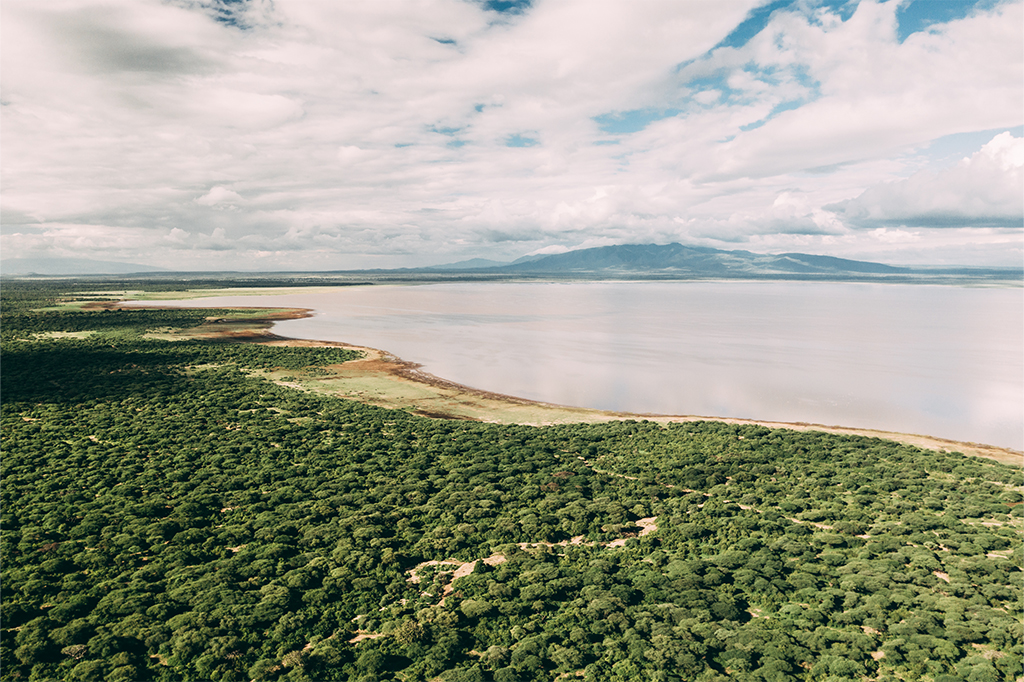
Lake Manyara National Park in Tanzania offers a wilderness experience across diverse habitats, from its Rift Valley soda lake to dense woodlands and steep escarpments. The Great Rift Valley is particularly striking here, with the escarpment dropping about 500 metres down to the lakeshore. The park spans approximately 325 km² (125 sq mi), including around 230 km² (89 sq mi) of lake surface.
Ecological Importance
Lake Manyara forms part of the Tarangire–Manyara Ecosystem (TME). To the east, the Kwa Kuchinja Wildlife Migration Corridor allows animals to move seasonally between nearby Tarangire National Park to the southeast, Lake Manyara to the west, and the Engaruka Basin to the north. The shallow alkaline lake is formed in a Rift Valley depression, allowing some animals to traverse it easily. It has no natural outflow, but is fed by underground springs and several permanent streams from the Ngorongoro Highlands.
Important Bird Area (IBA)
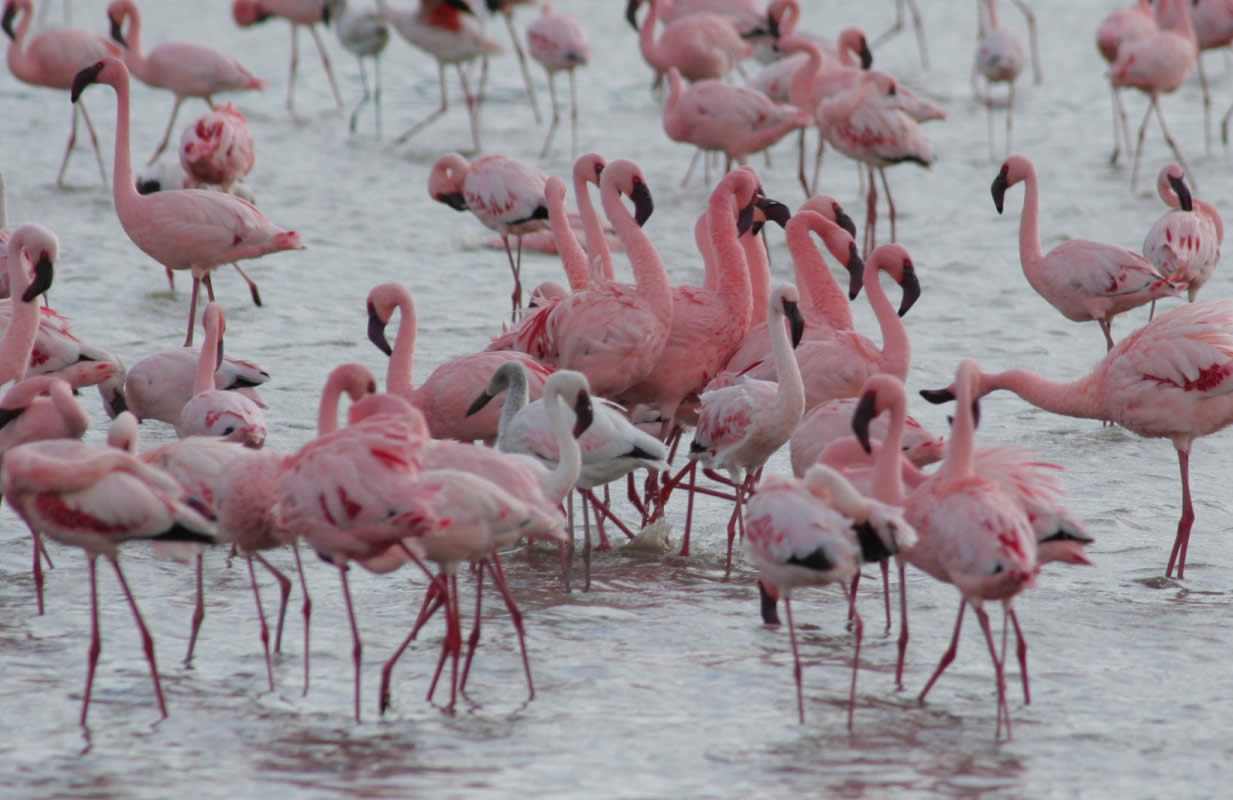
Lake Manyara National Park is a designated Important Bird Area (IBA) and part of the Lake Manyara Biosphere Reserve. It is renowned for its flamingo populations, with an estimated 1.9 million birds feeding on algae in the shallow lake. Together with other waterbirds, the park supports around 2.5 million birds. Over 30 predatory bird species are present, making the park a birdwatcher’s haven. In total, more than 390 bird species have been recorded.
Biodiversity
Streams feeding the lake are lined with sycamore fig, forest toad-tree, acacia species, and Phoenix palms. The terrain includes woodlands, grasslands, swamps, marshes, and alkaline lake shores. Thanks to abundant water sources, large fig and mahogany trees flourish throughout the park. The land portion is a narrow stretch between the lake and the Gregory Rift Wall to the west, providing excellent habitats for wildlife. The park hosts over 670 flowering plant species, and ferns are common, adding to the region’s stunning flora.
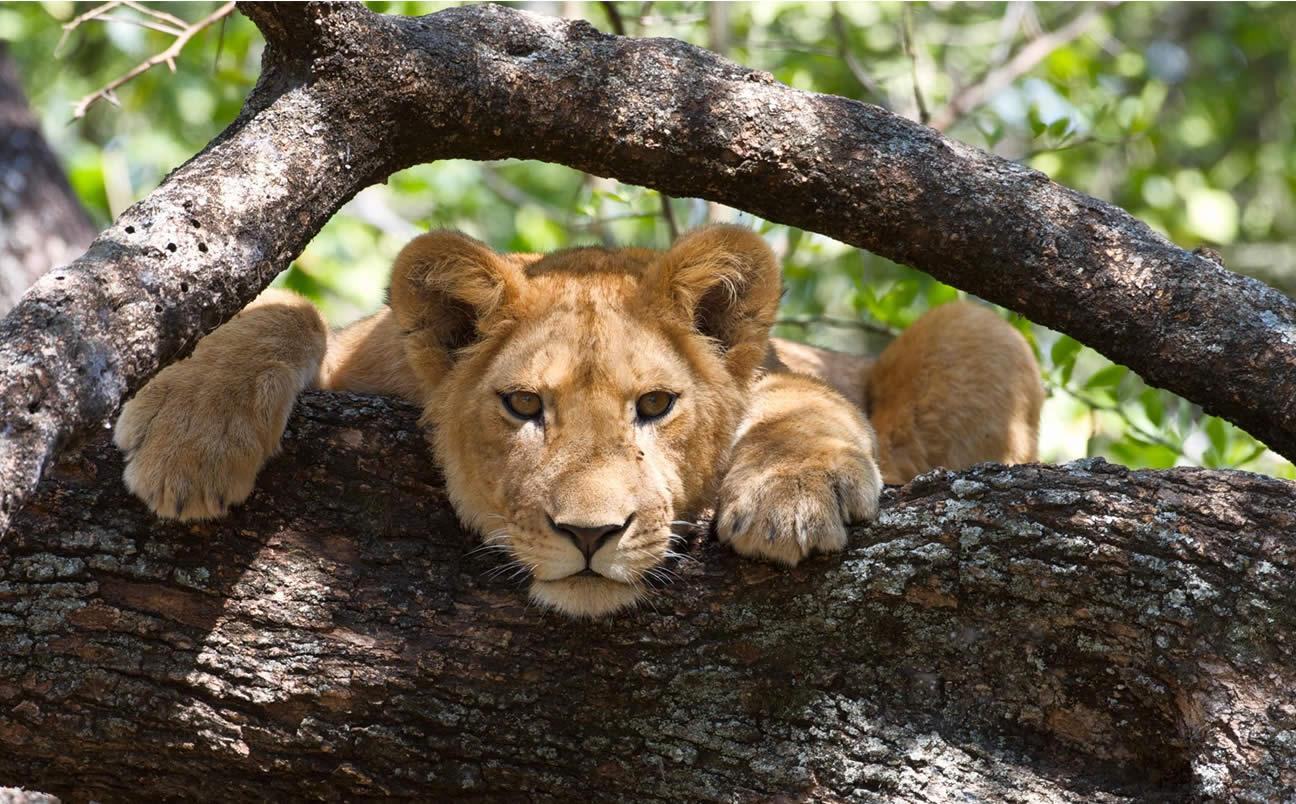
Famous for Tree-Climbing Lions
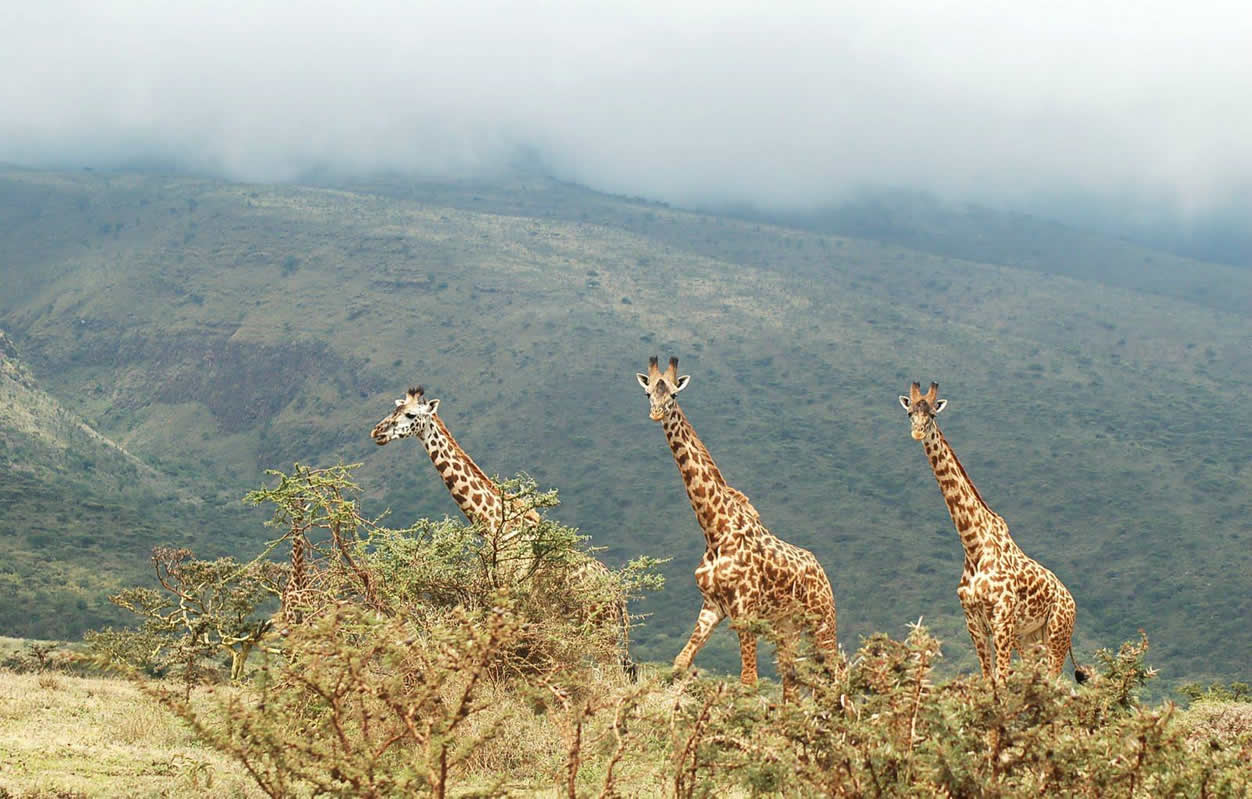
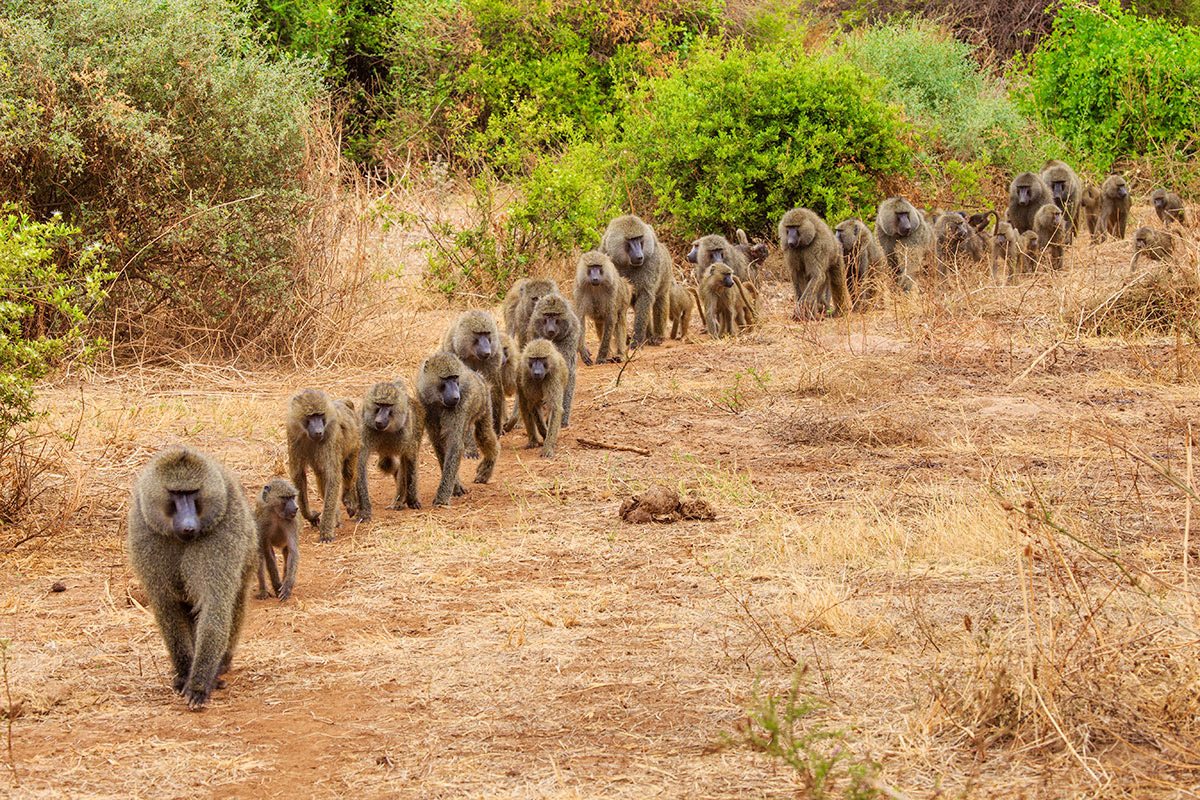
Lake Manyara National Park is famous for its unusual tree-climbing lions and the large African elephant herds it was created to protect. Herds of buffalo, cheetah, Masai giraffe, and impala roam the lake shores and forested valley slopes. Troops of several hundred olive baboons appear alongside Sykes monkeys and short-eared galagos, sometimes forming informal “welcome parties” on the roads, entirely unconcerned about passing vehicles.
Other notable species include the Cape clawless otter, Egyptian mongoose, hippos, and klipspringer. The park also serves as an overflow area for migratory wildebeest, zebra, Thomson’s gazelle, and Grant’s gazelle.
Endemic Species
Lake Manyara National Park is home to an endemic tilapia, the endangered Oreochromis amphimelas, a cichlid species unique to Tanzania and a few other closed-basin saline lakes. More than 180 butterfly species have also been documented within the park.
Why Visit Lake Manyara National Park?
Reasons to Visit
- Tree-Climbing Lions: Witness Lake Manyara National Park’s famous lions lounging in acacia trees — a rare and unforgettable safari experience.
- Abundant Wildlife: Spot elephants, buffalo, giraffes, hippos, cheetahs, and a wide variety of antelopes along the lakeshore and forested slopes.
- Birdwatcher’s Paradise: Lake Manyara National Park is home to over 390 bird species, including vast flamingo flocks and more than 30 predatory birds.
- Scenic Landscapes: Enjoy dramatic Rift Valley escarpments, lush forests, marshes, and alkaline lake views within a compact area.
- Easy Access: A relatively small park with high wildlife density, making it ideal for short safaris or as part of the Northern Tanzania circuit.
- Ecological Significance: Part of the Tarangire–Manyara Ecosystem and the Lake Manyara Biosphere Reserve, supporting endemic species and migratory wildlife.
Activity Summary
- Game drives through diverse habitats
- Birdwatching — flamingos, raptors, and waterfowl
- Wildlife photography opportunities
- Scenic viewpoints of the Great Rift Valley escarpment
- Guided walking safaris in designated zones
Where to Stay at Lake Manyara National Park
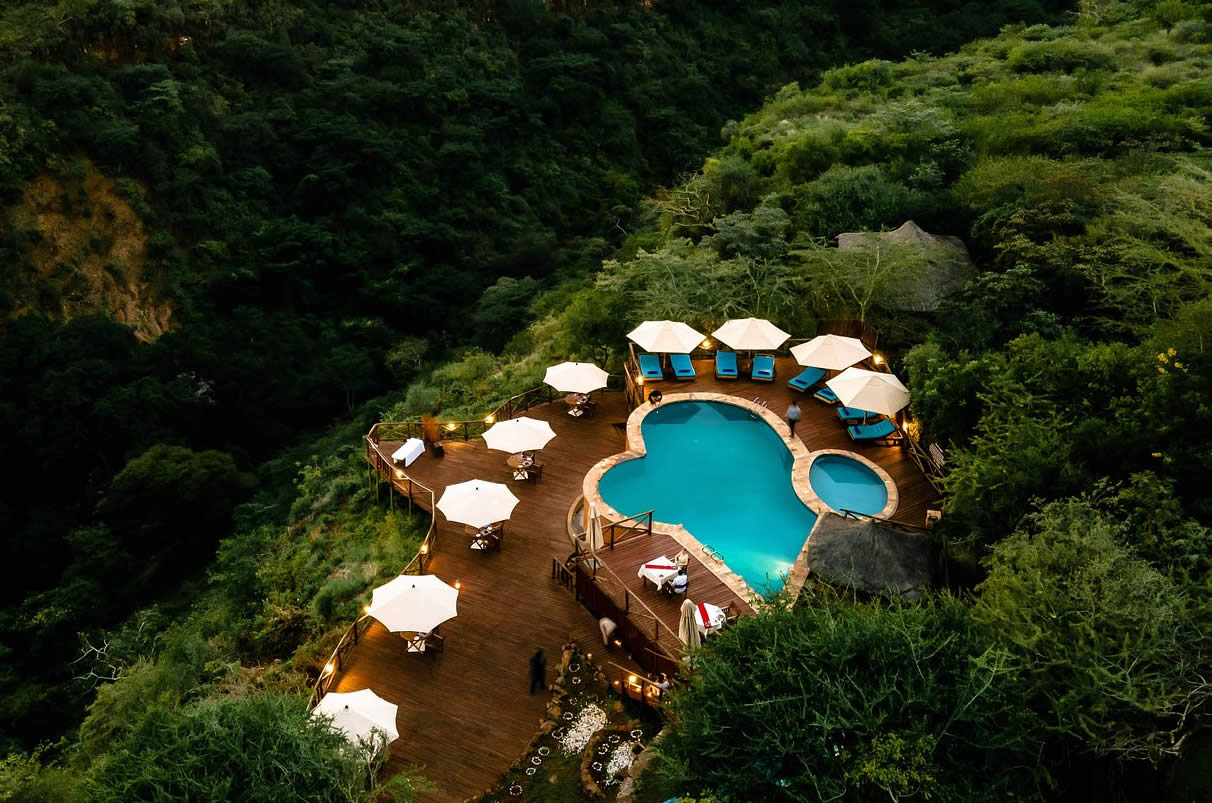
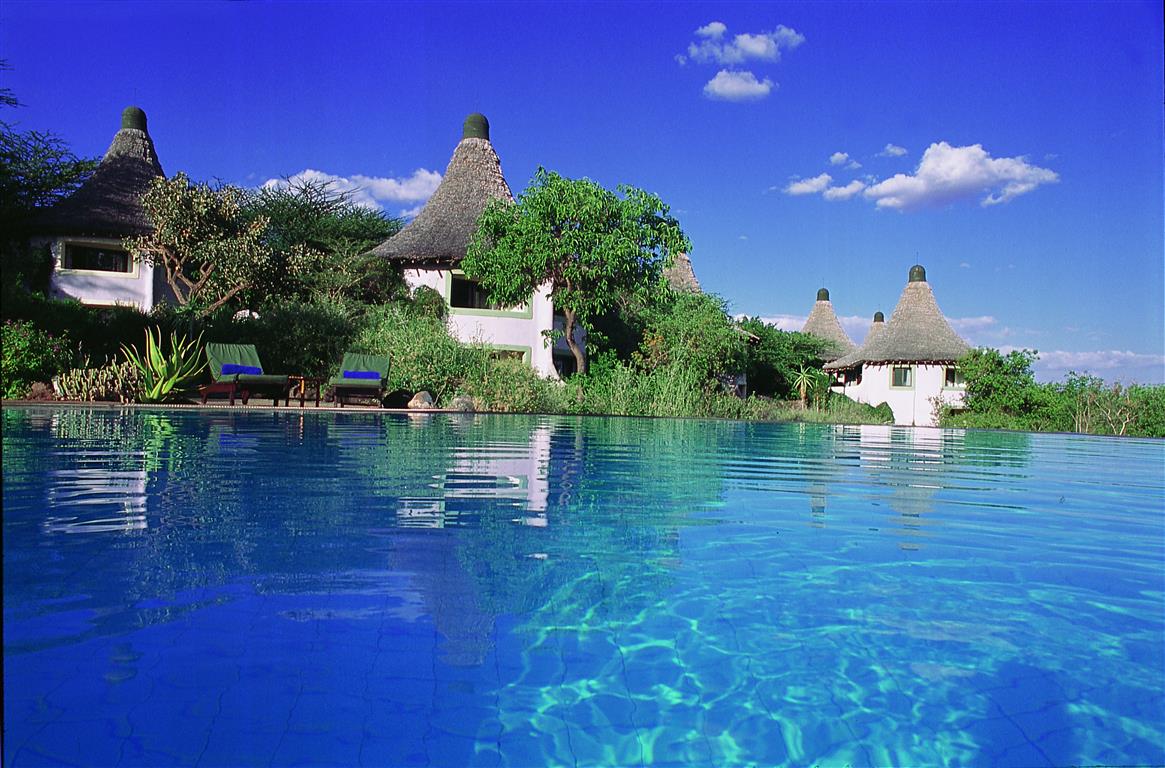
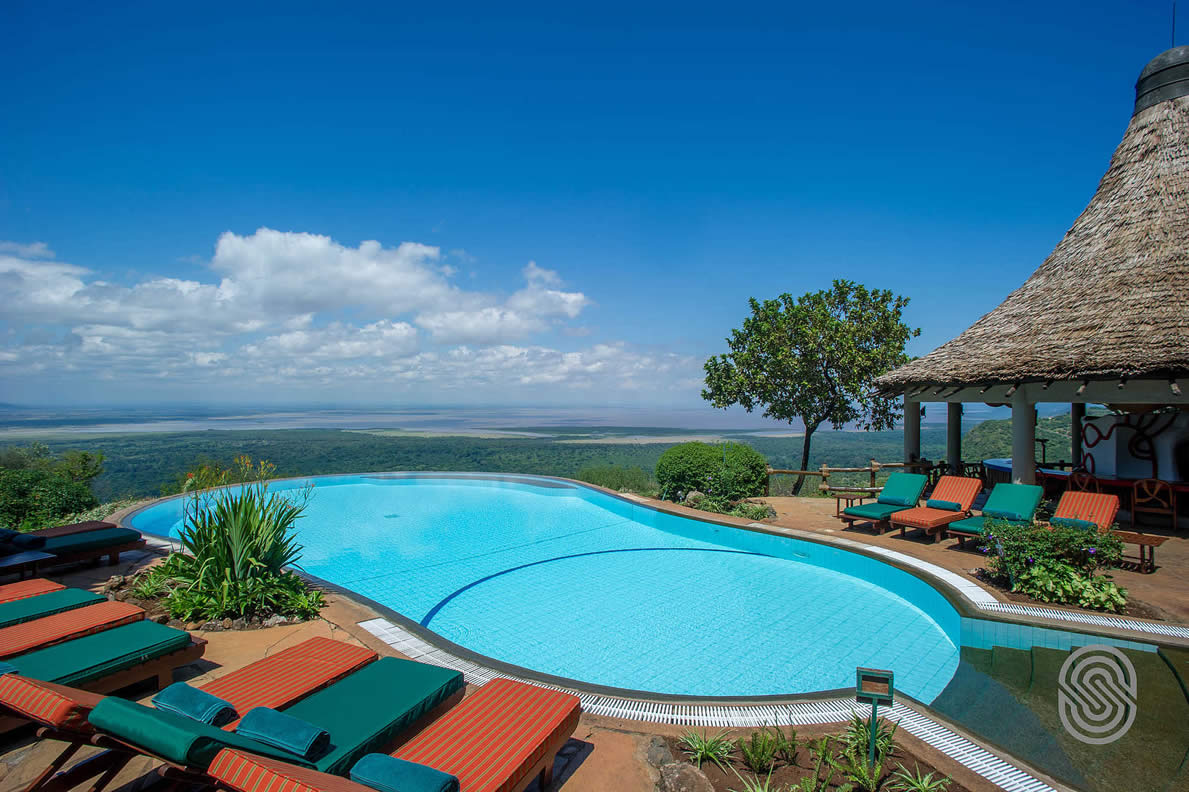
Accommodation options at Lake Manyara National Park range from budget campsites to luxury lodges, both inside the park and near Mto wa Mbu. Many properties provide scenic views of the lake, escarpment, or surrounding savannah, and easy access to game drives.
Economy
Manyara Green Camp: Located on the outskirts of Mto wa Mbu, a budget-friendly campsite with basic facilities and easy park access.
Lake Manyara National Park Public Campsite: A simple fly-camping site near the park entrance, ideal for adventurous travelers on a tight budget.
African Safari Lake Manyara: Economy lodge near Mto wa Mbu offering comfortable rooms and proximity to the southern park gate.
Manyara Lake View Oasis: Budget lodge just outside the park with lake views and easy access to wildlife drives.
Manyara Baobab Lodge: Fringes of Mto wa Mbu, providing rustic charm with direct access to the park.
Premier
Lake Manyara Escarpment Lodge: Perched on the western escarpment with panoramic views over the park and lake.
Lake Manyara Serena Lodge: Inside the park near the southern entrance, combining comfort with lakeshore wildlife sightings.
Lake Manyara Wildlife Lodge: Close to the park boundary, offering spacious accommodations and safari-style amenities.
Mawemawe Manyara Lodge: Near Mto wa Mbu, with scenic views and proximity to game drives.
Manyara Best View Lodge: Elevated location with vistas over the lake and wildlife-rich plains.
Maramboi Tented Lodge: Situated between Mto wa Mbu and the park, blending tented luxury with lake and savannah scenery.
Jungle Pearl Resort: Outside the park, offering lush surroundings and easy access to wildlife excursions.
Chem Chem Lodge: Premier lodge inside the park’s forested area, ideal for a tranquil safari experience.
Luxury
Lake Manyara Tree Lodge: Inside the park, providing private lodges in forested areas with intimate wildlife encounters.
Kirurumu Tented Lodge: On the western escarpment, luxury tents with dramatic lake and valley views.
AndBeyond Lake Manyara Tree Lodge: Exclusive luxury tree lodge within the park, offering privacy and immersive safari experiences.
Lake Manyara Tortilis: Elevated luxury lodge on the escarpment, combining comfort with spectacular views.
Escarpment Luxury Lodge: Western escarpment lodge offering private suites with sweeping panoramas and prime wildlife spotting opportunities.
Getting to Lake Manyara National Park
Lake Manyara National Park is conveniently located in Northern Tanzania, making it easily accessible from nearby safari hubs and airports. The park lies approximately 126 km (78 mi) southwest of Arusha and can be reached by car in around 1.5 to 2 hours, depending on traffic and road conditions.
From Tarangire National Park, Lake Manyara is about 70 km (44 mi) northwest, roughly a 1.5-hour drive, making it ideal for combined Northern Circuit safaris.
The park is about 82 km (51 mi) southeast of the Ngorongoro Conservation Area; the drive takes approximately 1.5 to 2 hours along scenic roads through farmland and small villages. For travelers continuing on the Northern Circuit, the Seronera Gate of Serengeti National Park is roughly 200 km (124 mi) to the northwest, which is about a 5–6 hour drive, depending on conditions and stops along the way.
Access Options
- By Road: Private car, 4×4 safari vehicle, or organized tour from Arusha, Mto wa Mbu, or nearby lodges.
- From Arusha Airport: Drive directly via the Arusha–Mto wa Mbu route, about 2 hours.
- Combined Safaris: Often visited as part of the Northern Tanzania Circuit along with Tarangire, Ngorongoro, and Serengeti.
- Air Transfers: Some lodges and air safari operators offer small charter flights from Arusha and Serengeti airstrips.