

Tanzania Travel Information
Why Visit Tanzania?
Tanzania is a persistent winner of World Travel Awards from 2024, as the World’s Leading Safari Destination and solidified the win in 2025. The WTA grand finale gala is to be held in Tanzania in the year 2026.
Tanzania offers one of Africa’s most complete safari experiences, combining iconic wildlife, birding, dramatic landscapes, rich culture & diversity, and idyllic Indian Ocean islands of Zanzibar & Pemba.
Iconic Safari Destinations
Tanzania is home to the Serengeti, WTA Awards winner from 2020-2025 as Africa’s Leading Park. That itself is a statement of promise to those who choose to visit the country of a fulfilling wildlife destination experience.
Tanzania also has the iconic Ngorongoro Crater, aptly named, the 8th Wonder of the World. The parks of Tarangire, Manyara which share an eco-system provide a unique experience, sightings of the ‘Baobab Province of the World‘ and vast herds of Elephants.
Nyerere-Selous, Ruaha in the central highlands (the most expansive parks) and Mahale to the West in Tanzania deliver vast, uncrowded parks with exceptional wildlife density, seclusion and rarity.
The Great Wildebeest Migration
The Great Migration is more prominent and lasts longer in Tanzania, as the herds spend roughly 9–10 months of the year in the Serengeti ecosystem, compared to about 2–3 months in Kenya’s.
While Kenya is famous for dramatic Mara River crossings (July–October), Tanzania offers a more year-round experience, including the rutting & calving seasons.
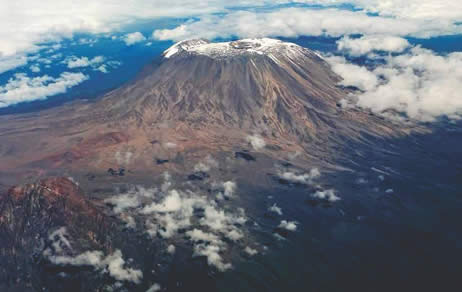
Mount Kilimanjaro
Africa’s highest mountain rises dramatically above the plains at 5800m asl, offering trekking adventures and a breathtaking safari backdrop like nowhere else in Africa.
Remarkable Biodiversity
Tanzania hosts the highest animal density per square mile globally, with lions, elephants, rhinos, leopards, and vast plains game.
Birdwatching Paradise
With over 1,000 recorded bird species, Tanzania ranks among Africa’s top five birding destinations.
Zanzibar & Indian Ocean Beaches
White-sand beaches, turquoise waters, coral reefs, and Swahili culture make Zanzibar a perfect safari-and-beach pairing. Voted the best destination in Africa at WTA awards in the years…..
Authentic Cultural Encounters
Engage with Maasai, Hadzabe, and other communities, gaining insight into ancient traditions and harmonious coexistence with nature.
Exclusive & Remote Experiences
Vast landscapes and low visitor numbers offer intimate, off-the-beaten-path safaris ideal for photographers and romantics.





Tanzania Unforgettable
Tanzania is one of Africa’s most complete safari destinations, offering vast wildlife ecosystems,
iconic landscapes, rich Swahili culture, and the tropical escape of Zanzibar.
Country Overview
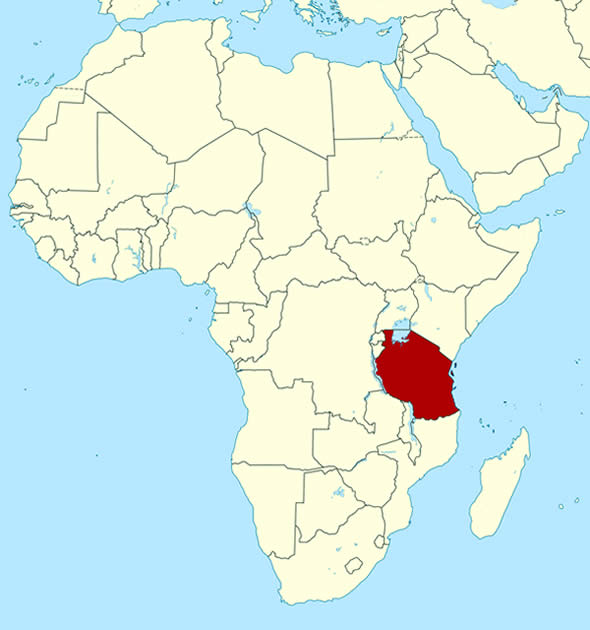
The United Republic of Tanzania consists of Tanzania Mainland and Zanzibar, covering
945,087 sq km with an estimated population of 71.6 million (2025).
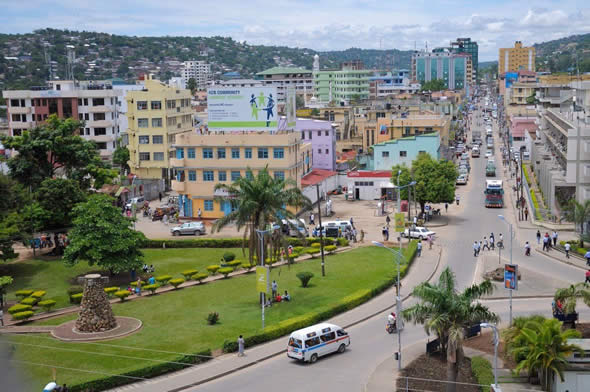
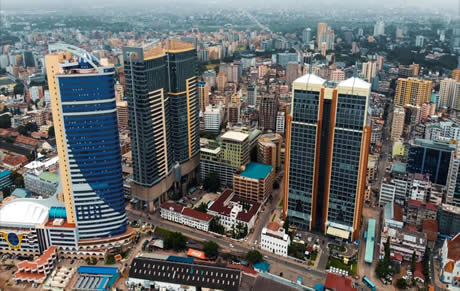
The official capital city is Dodoma, while Dar es Salaam remains the commercial hub.
Dodoma: Official capital city
- Houses Parliament and government offices
- Located in central Tanzania
- Became the official capital in 1974 (shifted from Dar)
Dar es Salaam
- Commercial, economic capital
- Largest city in Tanzania
- Main port city on the Indian Ocean
- Still hosts many government offices and foreign embassies
Geography & Natural Highlights
Tanzania is home to Mount Kilimanjaro, Africa’s highest peak, Lake Victoria, Lake Tanganyika,
the Great Rift Valley, and East Africa’s longest coastline. It borders eight countries,
making it a regional crossroads of ecosystems and cultures.
Wildlife & Conservation
Tanzania has the highest animal population density in the world, hosting globally significant
ecosystems such as the Serengeti, Ngorongoro Crater, and the Nyerere–Selous landscape.
People, Language & Religion
Tanzania is home to over 120 ethnic groups. Swahili is the national language,
while English is widely used in tourism and business. Christianity and Islam
are the dominant religions, with Islam being predominant in Zanzibar.
Climate & Best Time to Visit
Tanzania has an equatorial climate. The best time to travel is July to October,
offering dry weather, low humidity, and excellent wildlife viewing. Short rains fall in November,
while long rains occur from April to May.
Currency & Payments
The official currency is the Tanzanian Shilling (TZS). US dollars are widely
accepted in tourist areas, though notes printed before 2009 are often not accepted.
Health & Travel Advice
A Yellow Fever vaccination certificate may be required, particularly for
travellers arriving from endemic countries. Malaria precautions are advised, and bottled
water should be used at all times.
Visa & Entry Requirements
Tanzania has an official online visa service (eVisa) for travelers to Tanzania Mainland and Zanzibar. Applications can be submitted through the official Tanzania Immigration Department website. It is highly recommended to apply online to avoid long queues, with approval sent via email. Passports must be valid for at least six months beyond the date of entry.
Dress Code & Cultural Etiquette
Modest dress is recommended throughout Tanzania. In Zanzibar, where Islamic
customs are more pronounced, clothing should cover shoulders and knees outside beach resorts.
Zanzibar Extension
Known as the “Spice Islands,” Zanzibar blends historic Stone Town, coral reefs, palm-fringed
beaches, and Swahili-Arab heritage, making it an ideal complement to mainland safaris.