


Akagera National Park
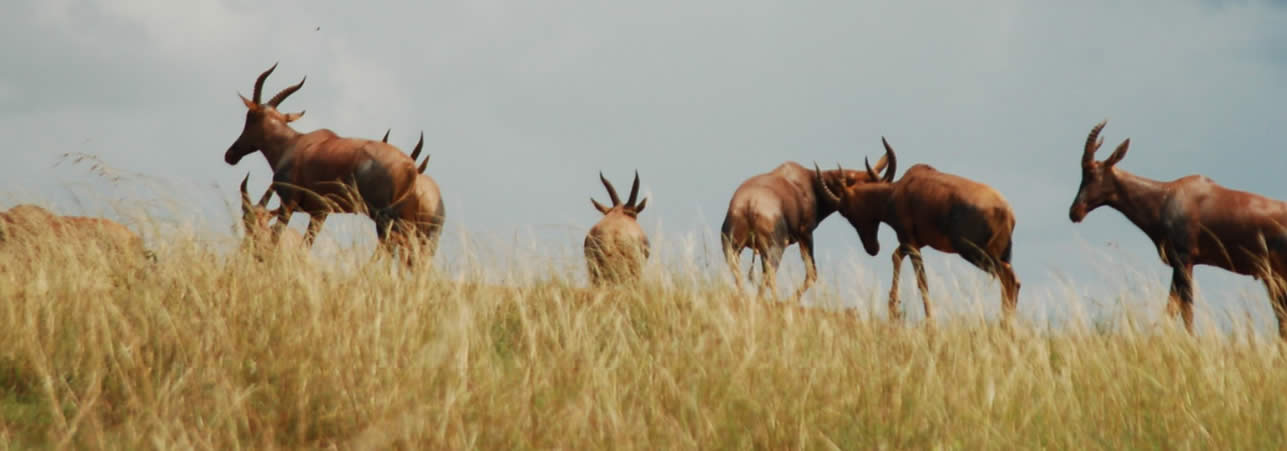
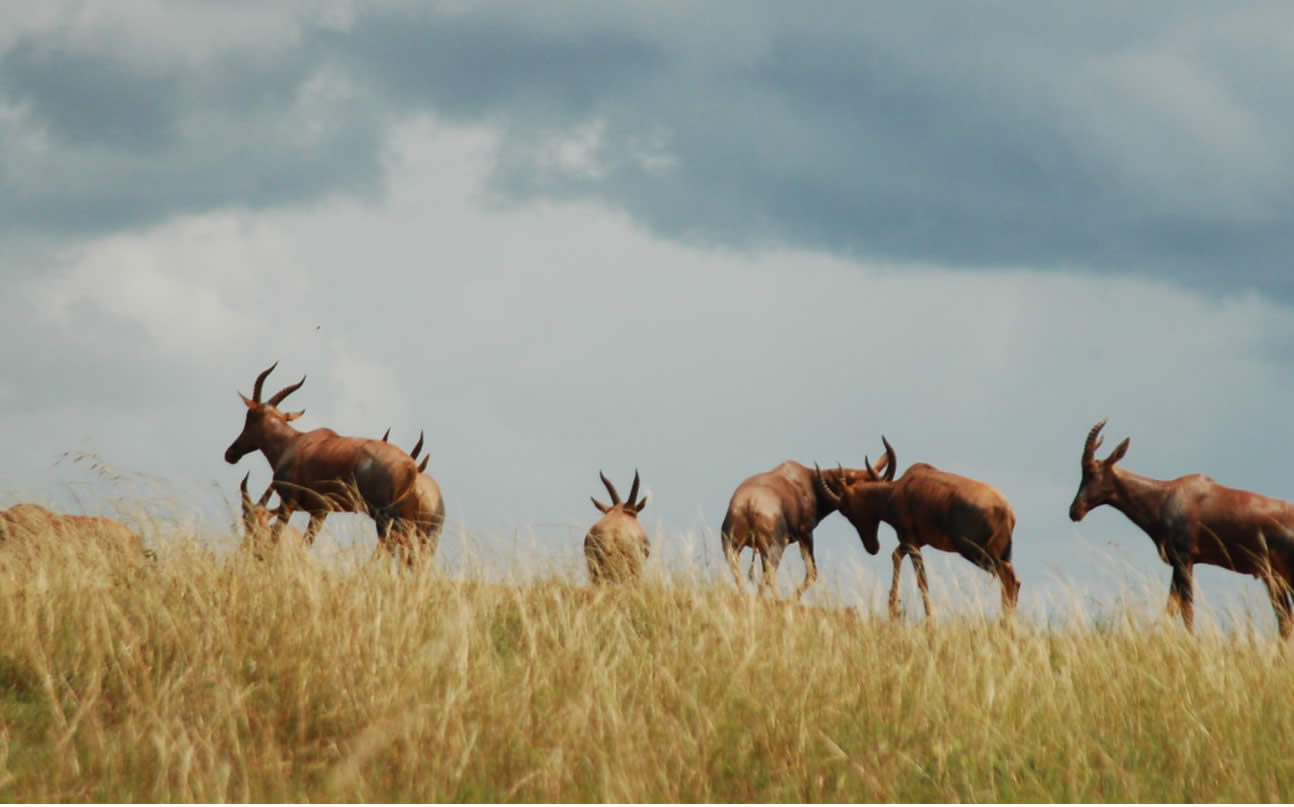
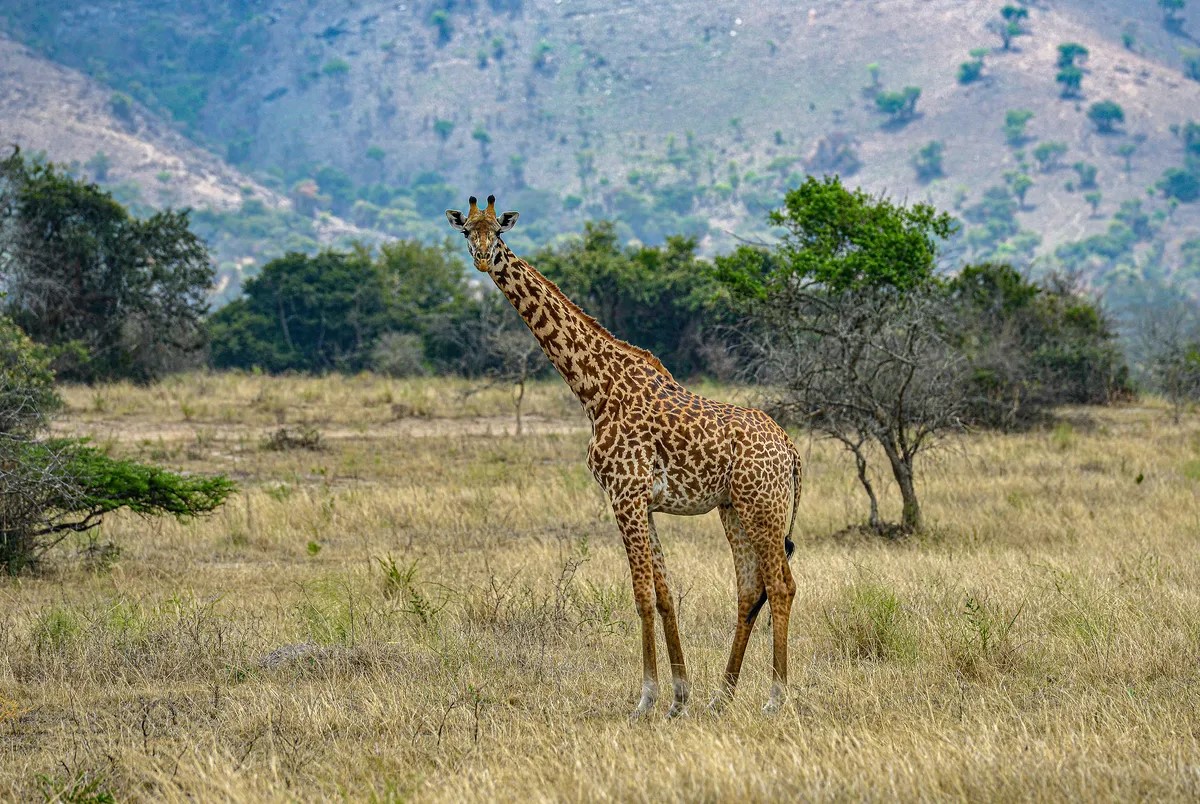
Akagera National Park, located in eastern Rwanda along the border with Tanzania, is a premier safari destination spanning over 1,100 km² of savannah, wetlands, and rolling hills. It is home to Rwanda’s largest populations of elephants, lions, giraffes, zebras, and hippos, offering visitors a classic African wildlife experience just a few hours’ drive from Kigali. Managed in partnership with African Parks, Akagera National Park has undergone remarkable ecological restoration, reintroducing species such as rhinos and ensuring thriving wildlife populations across its diverse habitats.
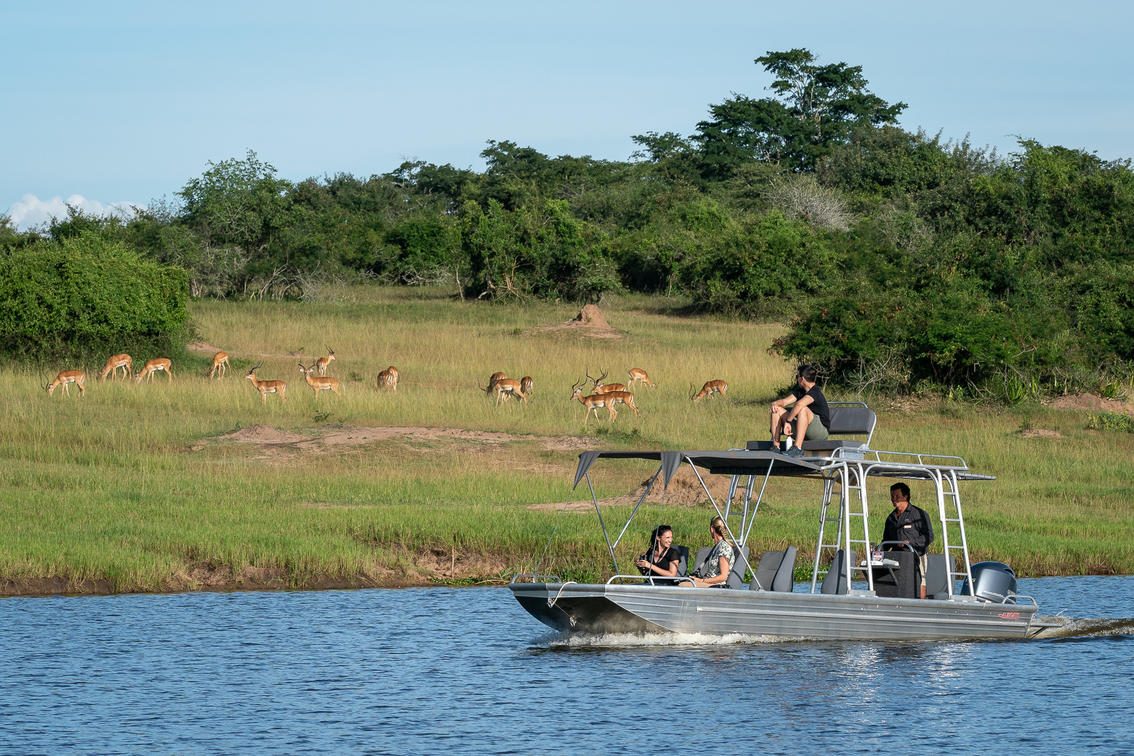
The park’s rich mosaic of ecosystems — open grasslands, papyrus swamps, and scattered acacia woodlands — supports more than 500 bird species and countless mammals. Visitors can enjoy traditional game drives, guided walking safaris, and unique boat safaris on the park’s lakes, where elephants, hippos, and birds can be observed in their natural wetland environment. Whether you are an avid photographer, birdwatcher, or adventure traveler, Akagera National Park combines thrilling wildlife encounters with scenic landscapes and a sense of wilderness rarely found elsewhere in Rwanda.
Beyond wildlife, Akagera National Park is ideal for exploring Rwanda’s eastern region, including nearby cultural sites, traditional villages, and Lake Ihema. Its proximity to Kigali allows convenient access for travelers seeking a multi-day safari adventure, making Akagera National Park one of the most accessible and rewarding safari destinations in East Africa.
Akagera National Park: Overview
Fact File
- Park Size: Approximately 1,122 km² (1,122 square kilometers).
- Location: Eastern Rwanda, along the border with Tanzania, in the Kayonza, Kirehe, and Bugesera districts.
- Nearest Major Towns: Kigali (110 km / ~2.5–3 hours), Kayonza (~35 km), Rwamagana (~60 km).
- Main Entrances: Kayonza Gate (north), Nyamuhinga Gate (west), Mutumba Gate (south).
- Altitude: 1,470–1,800 meters above sea level.
- Climate: Tropical savannah; average temperatures 18–28°C; rainy season March–May & October–November.
- Habitats: Savannah plains, acacia woodlands, papyrus swamps, floodplains, scattered lakes.
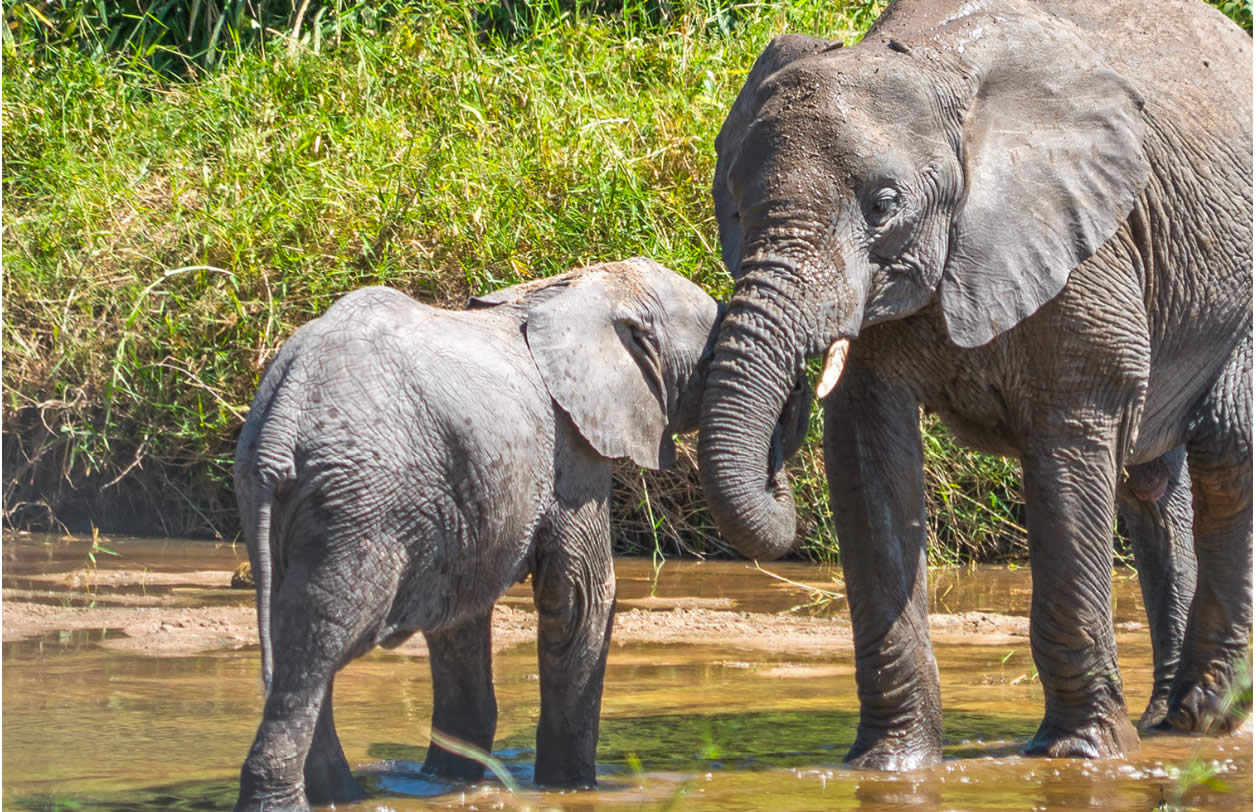
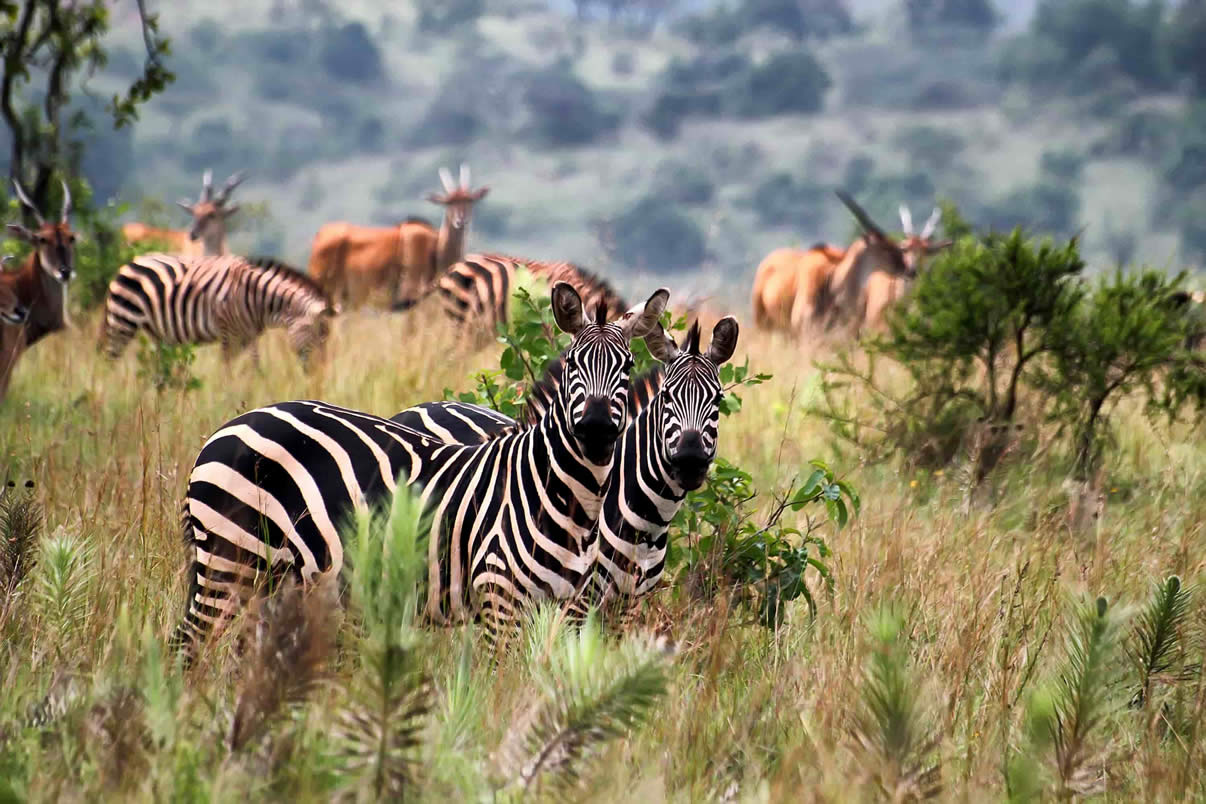
- Wildlife Highlights: Elephants, lions, giraffes, zebras, buffaloes, hippos, crocodiles, and recently reintroduced rhinos.
- Birdlife: Over 500 species, including the shoebill stork, papyrus gonolek, and the African finfoot.
- Special Features: Lake Ihema with boat safari opportunities, extensive papyrus wetlands, Big Five safari experiences in Rwanda.
- Conservation Management: Co-managed by African Parks since 2010; restored rhino population, anti-poaching programs, and community engagement projects.
Geography & Ecosystems
Akagera’s landscape is a mix of flat savannah plains, gently rolling hills, wetlands, and scattered lakes, with a network of rivers feeding the Lake Ihema system. This mosaic of habitats supports a rich variety of mammals and birds, making it one of Rwanda’s most biodiverse savannah parks. The park’s wetlands are internationally recognized for birdlife, and the open plains allow excellent visibility for game drives.
Accessibility
The park is conveniently located about 110 km east of Kigali, making it accessible by road from the capital. Travelers typically reach Akagera via private transfers, 4×4 rental cars, or guided safari vehicles. Its proximity allows for both overnight and day-trip safari experiences.
Akagera: A Story of Survival & Revival
Akagera National Park stands as Rwanda’s final stronghold for savannah wildlife, a testament to the resilience of both nature and conservation efforts. Once on the brink, the park has seen remarkable regeneration over the past decade.
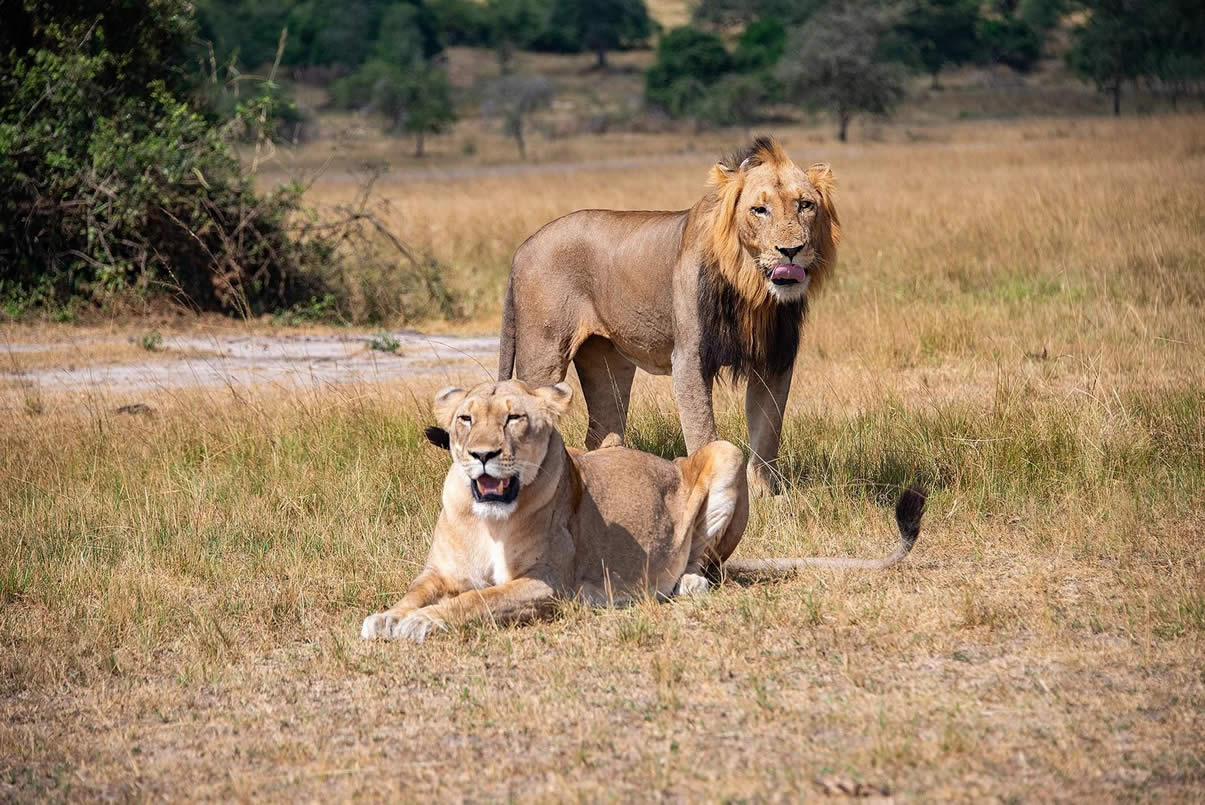
In 2015, lions made a triumphant return when five lionesses and two male lions were reintroduced, restoring the iconic roar to the savannah. By 2025, this pride has grown to 62 lions, revitalizing game drives and offering visitors the thrill of spotting these magnificent predators once again.
This resurgence highlights the park’s successful efforts to overcome previous challenges, including human-wildlife conflicts, and underscores a critical partnership role that projects Akagera National Park as a living showcase of conservation in action.
Why Visit Akagera National Park?
Top Reasons to Explore Akagera
Akagera National Park offers a unique combination of classic East African safari experiences, stunning landscapes, and rich biodiversity. Here are the top reasons to visit:
- 🟠
Big Five Safari Adventures: Track elephants, lions, buffaloes, leopards, and recently reintroduced rhinos across open savannah plains. - 🟠
Boat Safaris on Lake Ihema: Witness hippos, crocodiles, and abundant waterbirds from a safari boat, an experience unique in Rwanda. - 🟠
Rich Birdlife: Home to over 500 bird species, including shoebill storks, papyrus gonolek, African finfoot, and other Albertine Rift endemics. - 🟠
Scenic Landscapes: Explore rolling savannah hills, papyrus wetlands, scattered lakes, and pristine floodplains, ideal for photography and nature lovers. - 🟠
Guided Walking Safaris: Get close to wildlife on foot with trained guides, including opportunities to track elephants and learn about the park’s ecosystems. - 🟠
Wildlife Conservation Experience: Learn about successful reintroduction programs and community-based conservation projects managed by African Parks. - 🟠
Nearby Cultural & Village Tours: Combine wildlife adventures with visits to traditional Rwandan villages, local markets, and artisan communities near the park. - 🟠
Accessibility: Only ~110 km from Kigali, allowing both day trips and multi-day safaris with comfortable lodges or camping options.
Say YES to Conservation Success Story
Following the end of the genocide, returning communities faced severe hardships: forests were cleared for timber, wildlife was hunted for food, and lions were almost eliminated. In addition, the influx of long-horned cattle degraded the savannah, threatening the park’s delicate biodiversity.
Today, Akagera National Park’s recovery stands as a powerful testament to conservation, demonstrating how coordinated efforts can restore ecosystems even after decades of pressure
Where to Stay in and Around Akagera National Park
Luxury ($$$$)
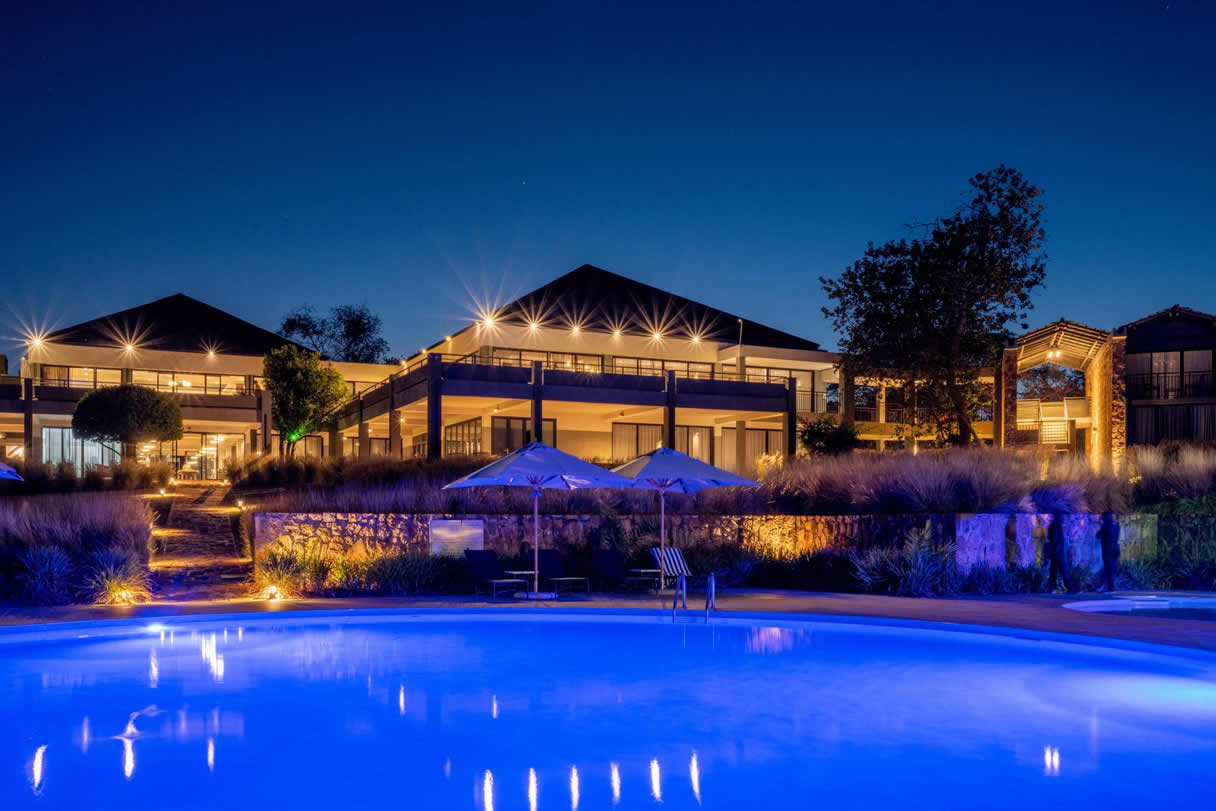
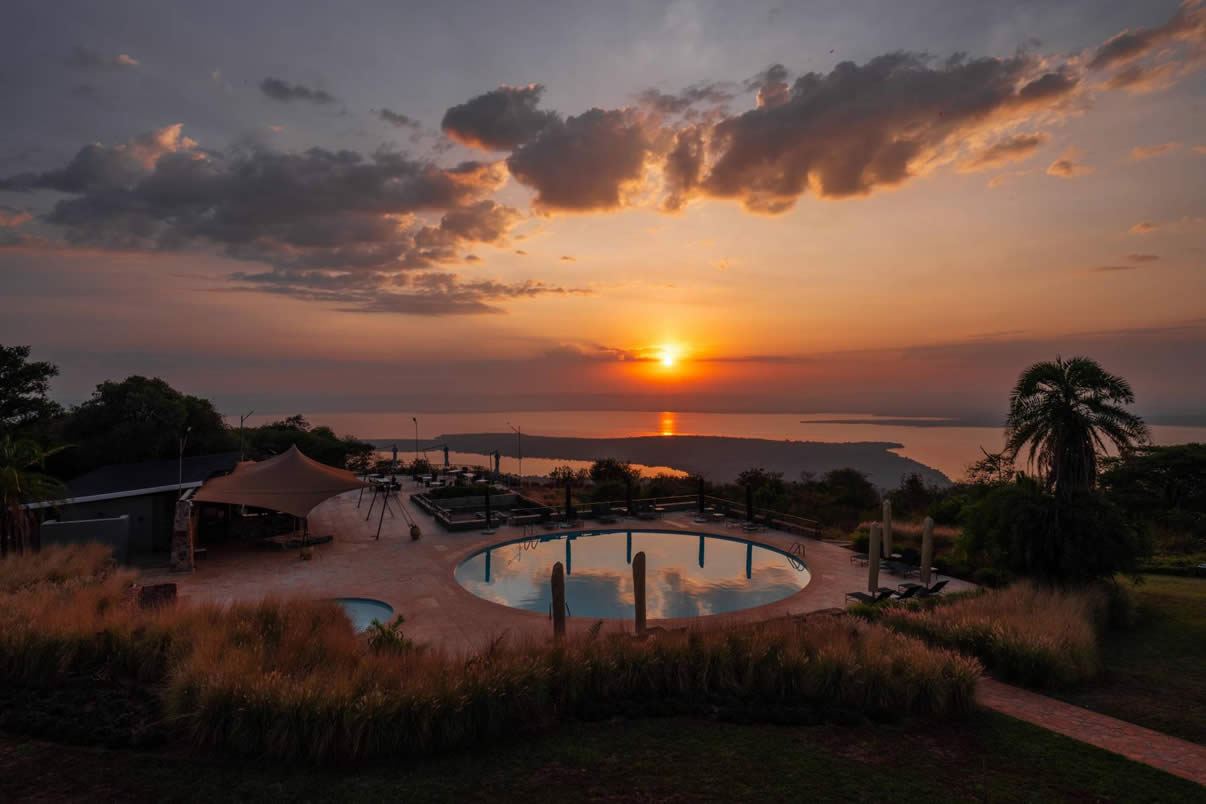
- Akagera Game Lodge: High-end safari lodge with panoramic views over Lake Ihema and luxury tents. Offers guided safaris and boat trips.
- Sabyinyo Silverback Lodge (Akagera branch): Exclusive lodge with premium amenities and private decks overlooking wildlife habitats.
- Kigali Serena Lodge (for extended safaris): Luxury city stay before heading east; ideal for combining Kigali and Akagera trips.
- Magashi Camp: Located in the northeast of Akagera National park, on the shores of Lake Rwanyakazinga is truly an idyllic setting with breathtaking views of the lake. Located in its own private concession area, a beautiful wilderness teeming with wildlife and birdlife, guests can be sure of pure luxury and privacy, immersed in a stunning slice of paradise. This intimate camp comprises of only six tents all facing Lake Rwanyakazinga
Premier / Mid-Range ($$$)
- Ruzizi Tented Camp: Comfortable safari tents near Lake Ihema, excellent for boat safaris and wildlife viewing.
- Akagera Top View Lodge: Moderate lodge near main park entrances; great for game drives and birdwatching.
- Lake Ihema Eco Lodge: Mid-range, eco-friendly option with access to water-based activities and nature trails.
Economy / Budget ($-$$)
- Ruhengeri Guest House: Budget-friendly option on the road to the park; simple, clean accommodation.
- Nyirangarama Guest House: Close to the park edge; affordable and convenient for early game drives.
- Camping at Uwinka: Rustic campsite inside the park for adventurous visitors; basic amenities, prime wildlife access.
Visitors can also stay in surrounding towns such as Kayonza or Rwamagana for easy road access to Akagera’s entrances.
Luxury and mid-range lodges often include safari packages, guided tours, and meals, making planning hassle-free. Budget options are ideal for backpackers or travelers combining Akagera with other destinations in Rwanda.
Getting to Rwanda’s National Parks from Kigali
1. Starting Point: Kigali City
Most safaris in Rwanda begin in Kigali, the country’s capital, which is conveniently served by Kigali International Airport (KGL). Direct flights arrive daily from Nairobi (Kenya Airways, RwandAir), Addis Ababa (Ethiopian Airlines), Entebbe, Uganda (RwandAir), and several other regional and international destinations. Upon arrival, travelers can arrange private transfers, guided vehicles, or 4×4 rentals to reach Rwanda’s top national parks.
2. Volcanoes National Park (Mountain Gorillas)
Located in the northwest of Rwanda, Akagera National Park is about 100–115 km from Kigali, approximately a 2.5–3 hour drive via well-paved roads. Musanze (formerly Ruhengeri) serves as the main gateway town with accommodation and amenities for trekkers. Visitors can enter the park through the Musanze / Kinigi Reception Center for gorilla trekking or other hiking activities. Private transfers, 4x4s, or guided safari vehicles are recommended for comfort and to navigate local roads safely.
3. Nyungwe National Park (Chimpanzees & Canopy Walk)
Nyungwe is situated in southwestern Rwanda, about 225–250 km from Kigali, a 5–6 hour scenic drive</strong). Main access points include Uwinka and Gisakura Reception Centers. Along the way, travelers pass through lush hills, tea plantations, and small towns, offering opportunities to experience Rwanda’s rural landscapes. Visitors can stay near the park entrances or in surrounding districts like Karongi or Nyaruguru, which are within 90–120 km of the park.
4. Akagera National Park (Savannah & Lakes)
Akagera National Park lies in eastern Rwanda, approximately 110 km from Kigali, making it accessible within 2.5–3 hours by road. Main entrances include Kayonza Gate (north), Nyamuhinga Gate (west), and Mutumba Gate (south). Private transfers, safari vehicles, or 4×4 rentals are recommended, particularly during the rainy season. The drive offers views of rolling hills, farmland, and small villages, providing a glimpse of Rwanda’s eastern countryside before entering the park.
5. Travel Tips
- Early morning departures are recommended to maximize safari opportunities, especially for Volcanoes National Park and Akagera National Park.
- Roads are generally good but a 4×4 is ideal for comfort, particularly during rains.
- Combine park visits with stops in local towns for meals, refreshments, or cultural experiences.